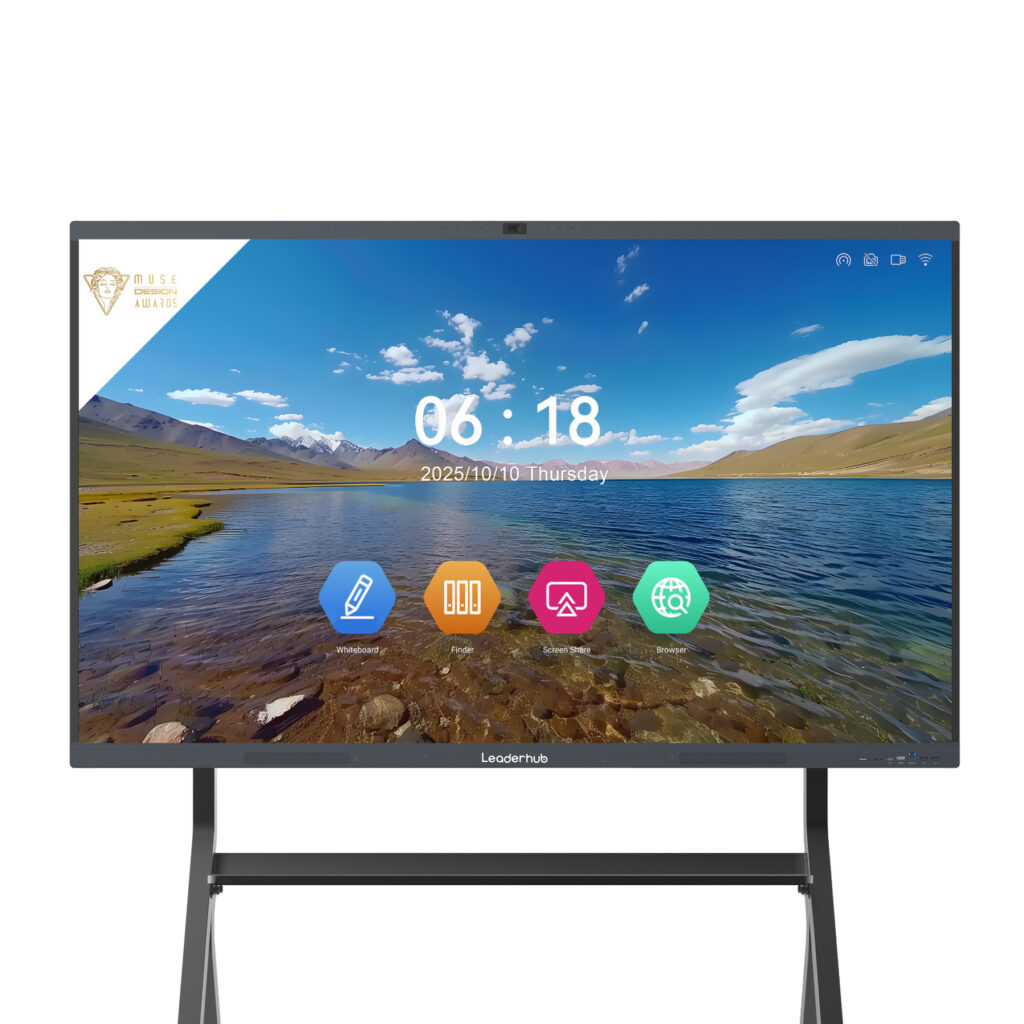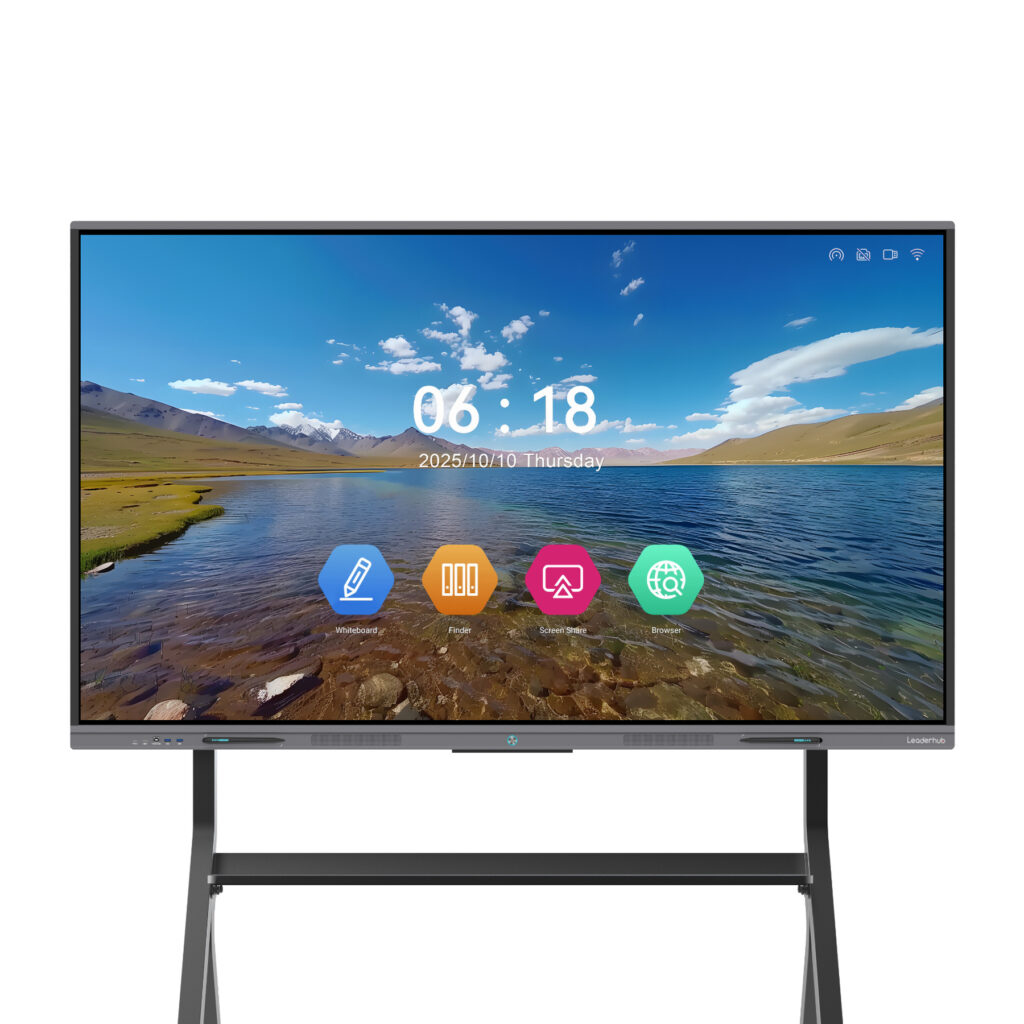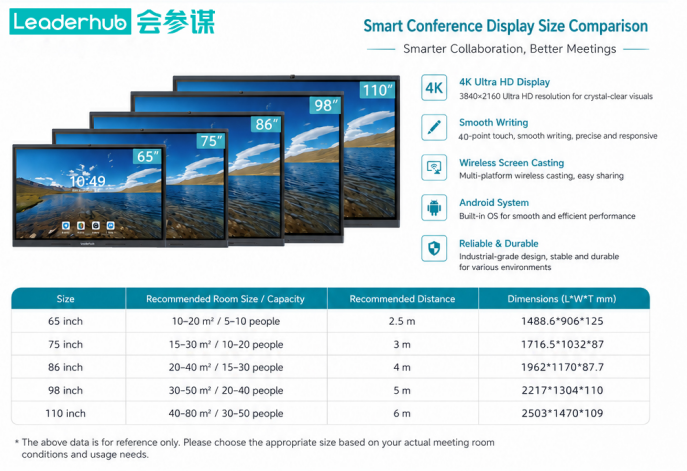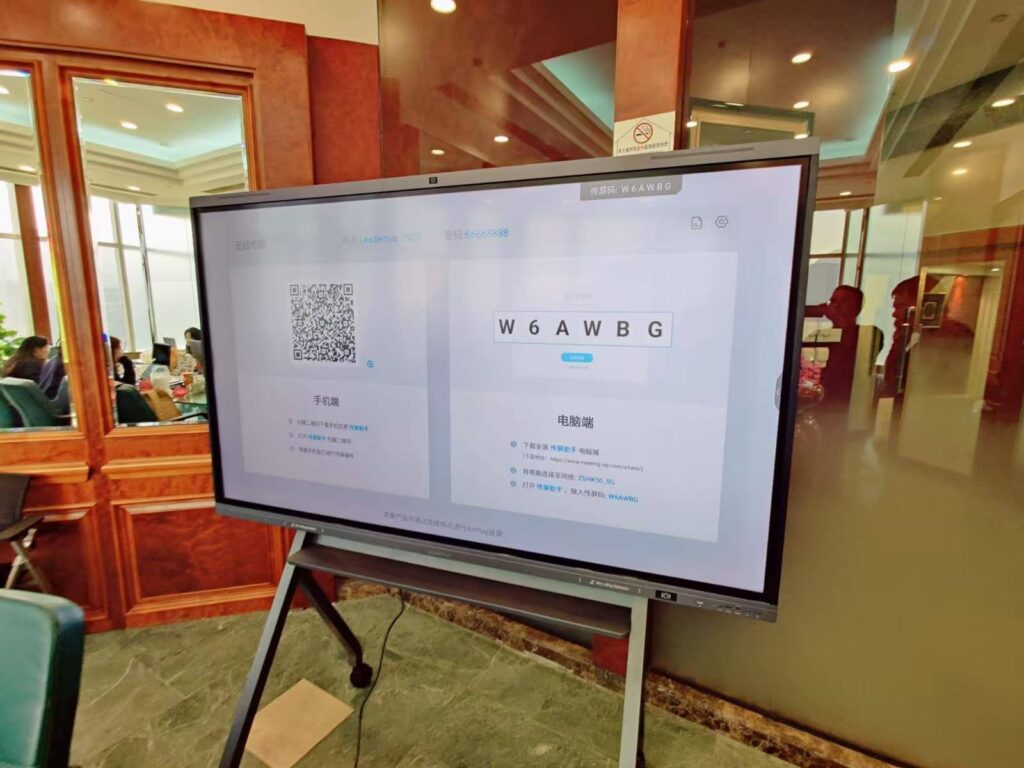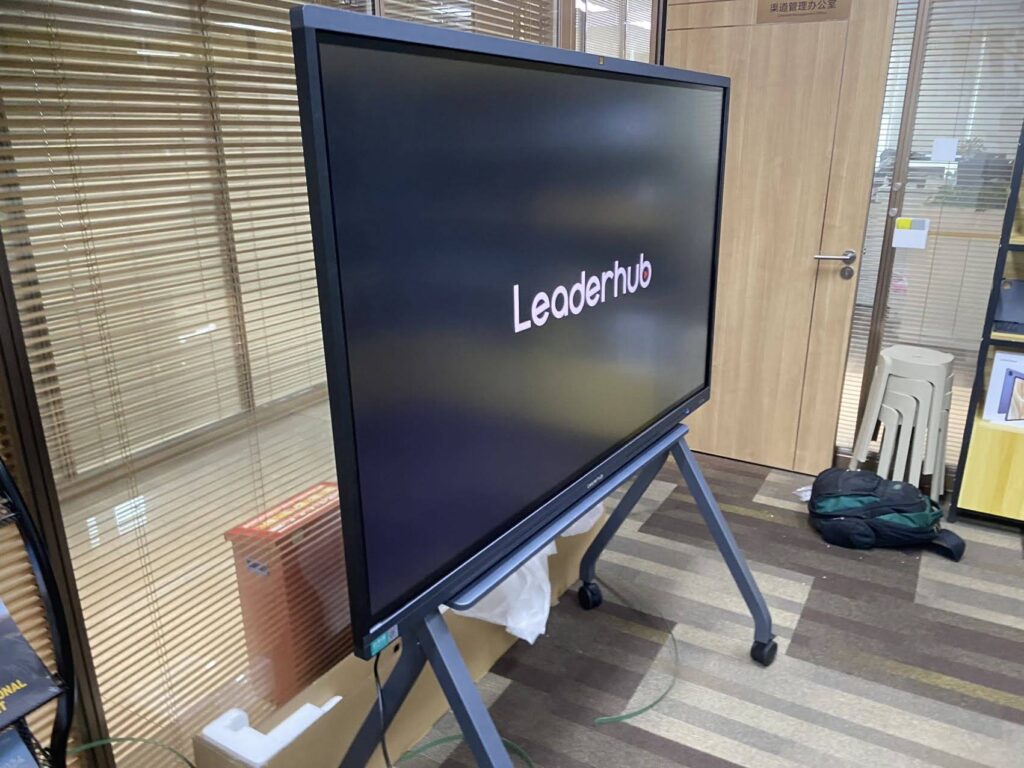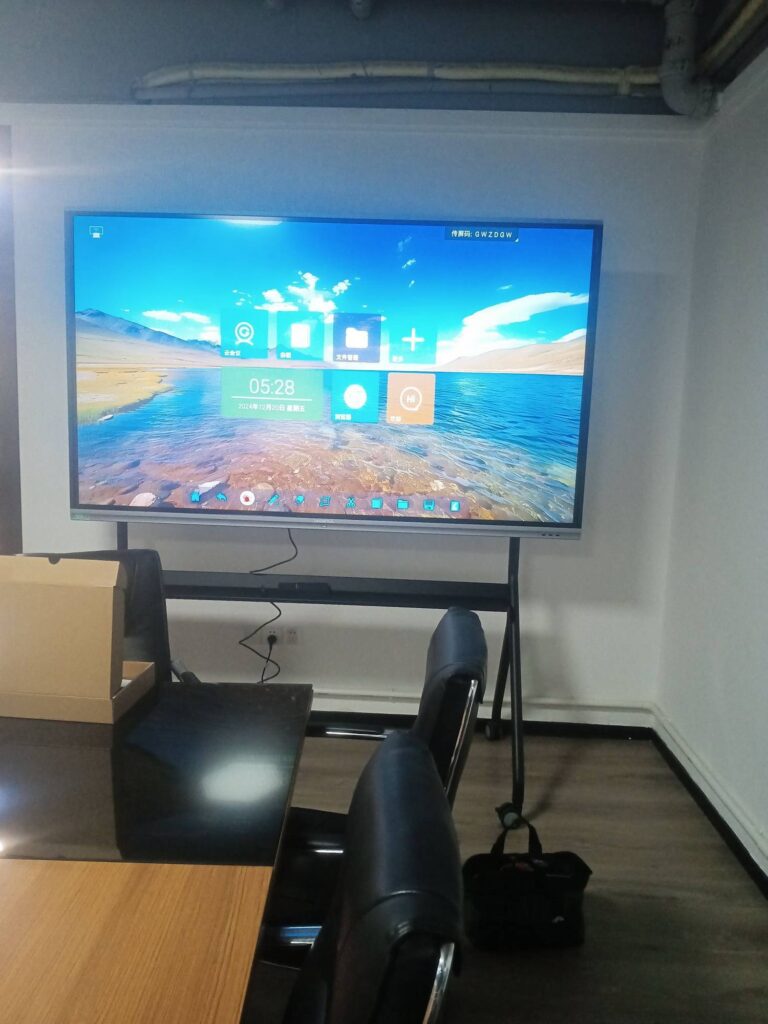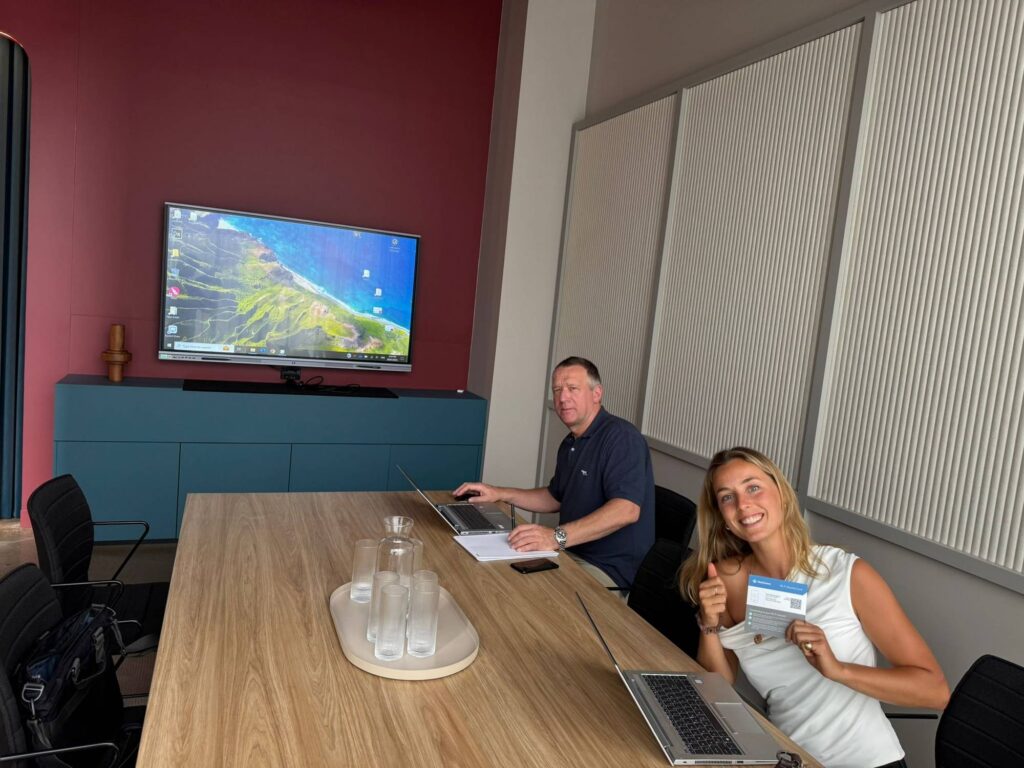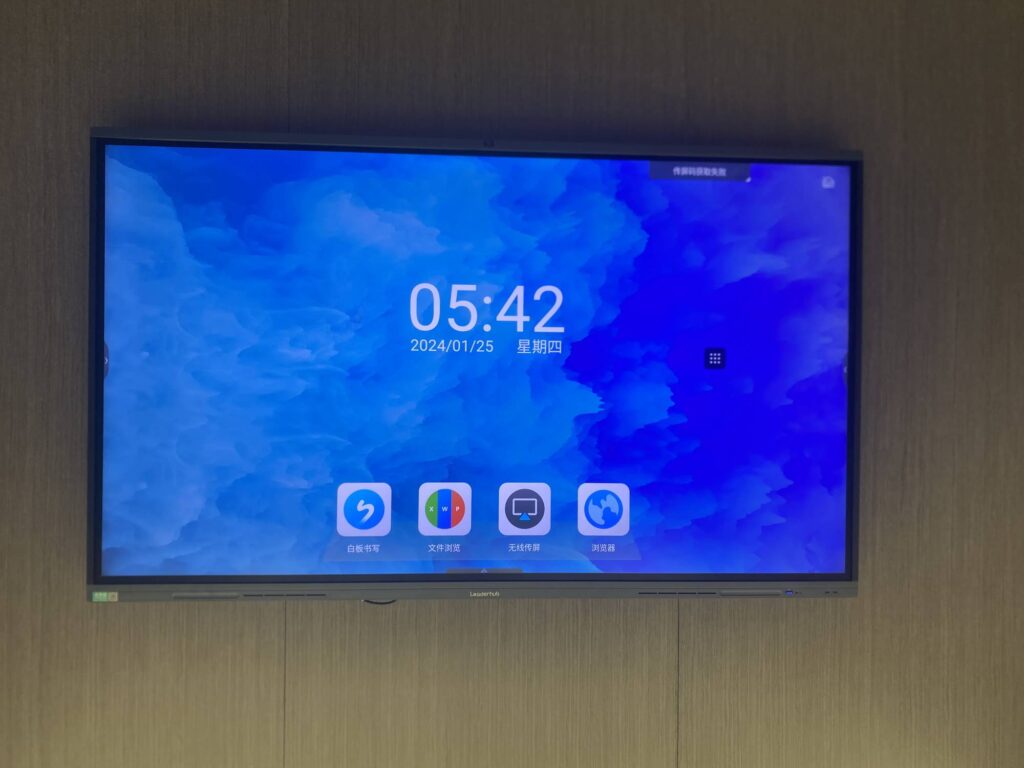
The interactive whiteboard has fundamentally transformed how we teach, learn, and collaborate in modern classrooms and workplaces. But when exactly was this revolutionary technology invented, and how did it evolve into the sophisticated smart displays we use today? Understanding the history of interactive whiteboards helps us appreciate the dramatic shift from traditional chalkboards to today’s AI-powered collaboration tools.
The Birth of Interactive Whiteboard Technology (1991)
The first interactive whiteboard was invented in 1991 by SMART Technologies, a Canadian company founded by David Martin and Nancy Knowlton. Their groundbreaking product, the SMART Board, used resistive touch technology that allowed users to control computer applications by touching the board’s surface with a finger or stylus.
This invention wasn’t accidental¡ªit emerged from a clear need in educational and business environments for more dynamic presentation tools. Before 1991, teachers and presenters relied on overhead projectors, slide projectors, and traditional whiteboards with markers. The interactive whiteboard combined the functionality of a computer screen, projector, and writing surface into one integrated system.
How the First Interactive Whiteboards Worked
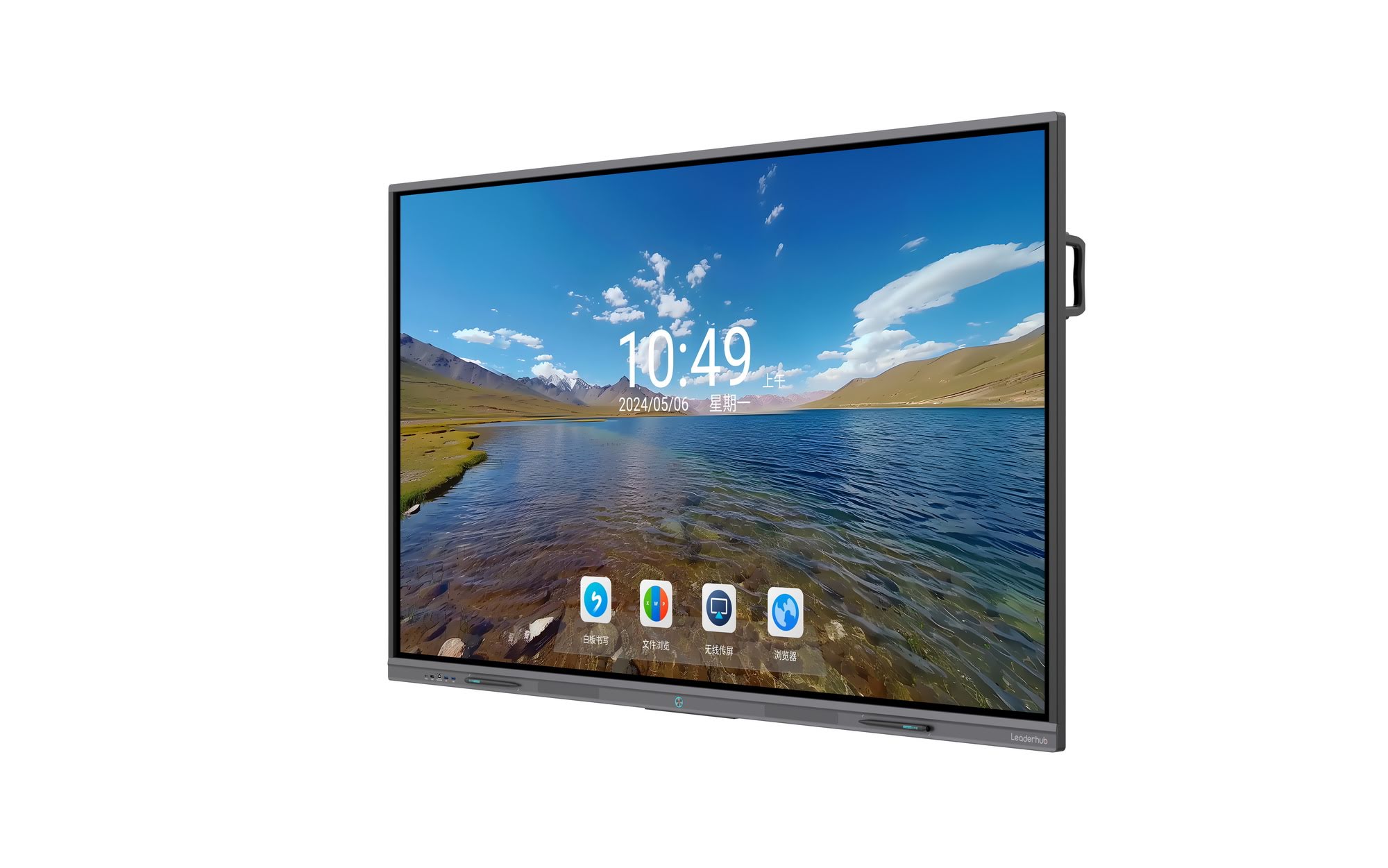
The original SMART Board used a simple but effective technology. A projector displayed the computer screen onto the board’s surface, while a grid of infrared sensors detected touch input. When someone touched the board, the system calculated the touch position and sent that information to the connected computer, allowing direct interaction with digital content.
Early adopters faced significant challenges:
- High cost: Initial systems cost between $3,000 and $5,000, limiting accessibility
- Calibration issues: Regular calibration was needed to maintain accuracy
- Limited software: Few applications were optimized for interactive whiteboard use
- Training requirements: Teachers and presenters needed significant training to use the technology effectively
- Projection challenges: Shadow casting and brightness issues affected visibility
Despite these limitations, the potential for transforming classroom instruction was immediately recognized by educational institutions willing to invest in innovation.
Evolution Through the 1990s and Early 2000s
Following SMART Technologies’ pioneering work, several competitors entered the market throughout the 1990s. Promethean introduced the ActivBoard in 1997, which used electromagnetic technology instead of resistive touch. This alternative approach offered improved pen accuracy and didn’t require physical pressure, making writing feel more natural.
| Year | Milestone | Impact |
|---|---|---|
| 1991 | SMART Board launched | First commercial interactive whiteboard introduced |
| 1997 | Promethean ActivBoard released | Electromagnetic technology provided alternative to resistive touch |
| 2004 | UK government initiative | Mass deployment in British schools accelerated adoption |
| 2006-2010 | Global education expansion | Interactive whiteboards became standard in developed nations |
| 2010s | Flat panel transition begins | Projector-based systems replaced by integrated displays |
The United Kingdom played a particularly important role in popularizing interactive whiteboards. In 2004, the British government launched a major initiative to equip classrooms with this technology. By 2007, over 70% of UK secondary schools had interactive whiteboards installed¡ªa deployment rate that far exceeded other countries and provided valuable data on educational effectiveness.
The Transition From Projector-Based to Flat Panel Displays
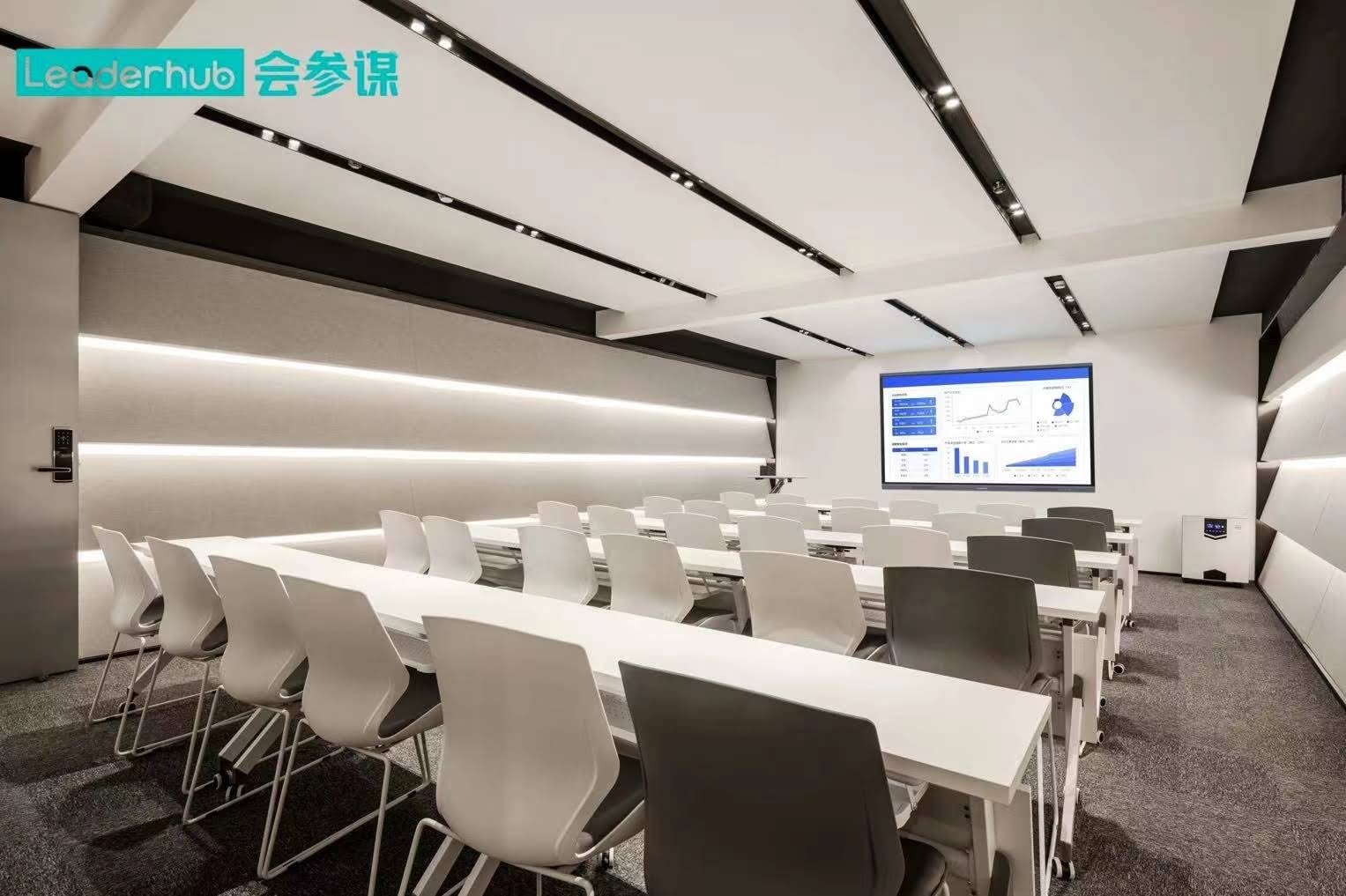
The most significant evolution in interactive whiteboard technology occurred during the 2010s when manufacturers began transitioning from projector-based systems to integrated flat panel displays. This shift addressed many limitations of earlier generations:
Advantages of Interactive Flat Panels
- No calibration required: Touch accuracy remained consistent without periodic adjustments
- Eliminated shadows: Users no longer blocked projected images
- Better visibility: High-brightness LED displays performed well in various lighting conditions
- Lower maintenance: No projector bulbs to replace, reducing long-term costs
- Multi-touch capability: Multiple users could interact simultaneously
- Built-in computing: Integrated Android or Windows systems eliminated external computer requirements
This technological leap made interactive displays more reliable and user-friendly, expanding adoption beyond early-adopter institutions to mainstream education and corporate environments.
Research Evidence: Educational Impact Studies
Numerous academic studies have examined the effectiveness of interactive whiteboards in educational settings. A comprehensive 2012 meta-analysis published in the Journal of Computer Assisted Learning reviewed 23 studies involving over 2,000 students and found that interactive whiteboards produced a modest but statistically significant improvement in student achievement, particularly in mathematics and science subjects.
However, researchers emphasized that technology alone doesn’t guarantee better outcomes. The quality of pedagogical strategies and teacher training proved more important than the hardware itself. Schools that invested in professional development alongside technology deployment saw substantially better results than those that simply installed equipment.
A 2015 study by the Education Endowment Foundation in the UK tracked 400 classrooms over three years and concluded that interactive whiteboards were most effective when teachers used them to:
- Facilitate collaborative problem-solving activities
- Provide immediate visual feedback on student work
- Present multimedia content that addressed different learning styles
- Encourage student participation through interactive exercises
The AI Revolution: Modern Smart Whiteboards (2020-Present)
The latest generation of interactive displays integrates artificial intelligence to create genuinely intelligent collaboration tools. Companies like LeaderHub, with over 16 years of experience in interactive display technology, are leading this transformation by developing smart whiteboards that combine reliable hardware with AI-powered software.
AI-Enhanced Features in Modern Interactive Displays
Today’s smart whiteboards offer capabilities unimaginable when the technology was invented in 1991:
- Handwriting recognition: AI converts handwritten notes to editable text in real-time across multiple languages
- Automatic content organization: Machine learning algorithms categorize and tag saved materials
- Intelligent screen sharing: AI optimizes content distribution across multiple devices
- Voice control: Natural language processing enables hands-free operation
- Smart cameras: AI-powered framing keeps speakers centered during video conferences
- Translation features: Real-time language translation facilitates global collaboration
Global Adoption Patterns and Market Growth
The interactive whiteboard market has experienced remarkable growth since 1991. According to market research firm Futuresource Consulting, global shipments of interactive flat panels reached 2.1 million units in 2022, representing a compound annual growth rate of 18% since 2015. This expansion reflects widespread adoption across education, corporate, government, and healthcare sectors.
Regional adoption varies significantly based on education infrastructure and technology investment priorities:
| Region | Adoption Rate | Primary Use Cases |
|---|---|---|
| North America | High (65%+ of classrooms) | K-12 education, corporate training |
| Europe | Very High (70%+ in UK, Nordic countries) | Primary and secondary education |
| Asia-Pacific | Rapidly Growing (40-60%) | Urban schools, higher education, corporate |
| Middle East | Expanding (30-45%) | Government-funded school modernization |
| Latin America | Emerging (15-30%) | Private schools, international institutions |
China represents the world’s largest market for interactive flat panels, driven by massive government investment in education technology infrastructure. The country’s “Education Modernization 2035” initiative aims to equip all urban and most rural classrooms with digital learning tools, creating substantial demand for interactive display solutions.
Key Manufacturers and Industry Competition
While SMART Technologies pioneered the category, today’s market includes numerous global competitors. The industry has consolidated around several major players and specialized manufacturers serving different market segments:
Major International Brands
- SMART Technologies ¨C The original inventor, maintaining strong presence in North American education
- Promethean ¨C British company focused on education-specific features and teacher training
- Samsung ¨C Leveraging display manufacturing expertise for enterprise and education markets
- BenQ ¨C Taiwan-based manufacturer offering competitive pricing with reliable performance
- ViewSonic ¨C American-Taiwanese company targeting both education and corporate segments
Specialized Manufacturers
Companies like LeaderHub have established strong market positions by focusing on specific value propositions. With products deployed in over 82 countries and recognition as the No.1 brand in JD.com’s interactive panel subcategory, LeaderHub exemplifies how specialized manufacturers compete through product quality, customer service, and continuous innovation rather than simply competing on price.
Technical Specifications: What to Consider Today
Modern interactive whiteboards vary significantly in capabilities and price points. When evaluating current options, education and business buyers should consider these technical specifications:
Display Technology
- Panel type: IPS (In-Plane Switching) offers best viewing angles; VA (Vertical Alignment) provides higher contrast
- Resolution: Minimum 4K (3840¡Á2160) recommended for screens 75″ and larger to ensure text clarity
- Brightness: 350-450 nits suitable for controlled lighting; 400+ nits needed for bright environments
- Anti-glare coating: Essential for reducing reflections and eye strain during extended use
Touch Technology
- Touch points: Minimum 20-point multi-touch enables multiple simultaneous users
- Response time: Under 10ms latency ensures smooth writing experience
- Touch accuracy: ¡À2mm precision sufficient for detailed annotation work
- Writing tools: Both finger and stylus support provides maximum flexibility
Computing and Connectivity
- Built-in computer: Android 11+ or Windows 10/11 eliminates external PC requirement
- Processor: Minimum quad-core CPU with 4GB RAM for smooth multitasking
- Storage: 32GB minimum; 64GB+ recommended for extensive content libraries
- Ports: Multiple HDMI inputs, USB-C with video, USB-A ports for peripherals
- Wireless: WiFi 6, Bluetooth 5.0, screen mirroring support (AirPlay, Miracast, Chromecast)
Implementation Best Practices From Field Experience
Based on deployment experiences across thousands of installations globally, successful interactive whiteboard implementations share common characteristics:
Pre-Installation Planning
- Assess room conditions: Evaluate lighting, wall structure, power availability, and network infrastructure
- Determine mounting height: Position display so center is at appropriate eye level for primary users
- Plan cable management: Concealed wiring creates cleaner appearance and reduces damage risk
- Consider acoustics: Add external speakers in larger spaces where built-in audio proves insufficient
Training and Support
Technology alone doesn’t transform education or collaboration¡ªeffective training is equally critical. Organizations achieving best results typically provide:
- Initial hands-on training sessions covering basic operation and common use cases
- Advanced workshops demonstrating subject-specific or role-specific applications
- Ongoing professional development opportunities introducing new features and techniques
- Peer mentoring programs pairing experienced users with newcomers
- Accessible technical support resources including video tutorials and quick-reference guides
Environmental and Sustainability Considerations
As interactive whiteboards replace older technology, environmental impact deserves consideration. Modern flat panel displays offer several sustainability advantages over projection-based systems:
- Energy efficiency: LED backlit displays consume 40-60% less power than projector-based systems
- Extended lifespan: Quality panels operate 50,000+ hours compared to projector bulb life of 3,000-5,000 hours
- Reduced consumables: Elimination of projector bulbs and whiteboard markers reduces waste
- Lower maintenance: Fewer component replacements mean reduced transportation emissions and service visits
Responsible manufacturers implement recycling programs for end-of-life displays and use recyclable materials in packaging. When evaluating suppliers, organizations should inquire about environmental certifications such as Energy Star, EPEAT, and RoHS compliance.
The Future: Where Interactive Display Technology Is Heading
Since the first interactive whiteboard was invented in 1991, the technology has evolved dramatically. Looking ahead, several trends will shape the next generation of interactive displays:
Enhanced AI Integration
Artificial intelligence will continue expanding capabilities beyond current implementations. Future systems may offer:
- Real-time content suggestions based on lesson context and learning objectives
- Automatic meeting summarization and action item extraction
- Adaptive interfaces that adjust to individual user preferences and accessibility needs
- Predictive maintenance alerting administrators before technical issues occur
Improved Collaboration Features
As hybrid work and distance learning become permanent fixtures, interactive displays will offer more sophisticated remote collaboration tools:
- Seamless hybrid experiences: Equal participation for in-room and remote attendees
- Cloud integration: Automatic synchronization across devices and locations
- Enhanced video capabilities: AI-powered cameras tracking multiple speakers automatically
- Universal compatibility: Effortless connection regardless of device or platform
Expanded Applications
Interactive displays are expanding beyond traditional education and meeting room applications into specialized domains:
- Healthcare: Surgical planning, patient education, telemedicine consultations
- Retail: Interactive product demonstrations and customer engagement
- Manufacturing: Digital work instructions and quality control visualization
- Public spaces: Wayfinding, information displays, and community engagement
Making the Right Choice for Your Organization
Understanding the history and evolution of interactive whiteboards provides context for making informed purchasing decisions. Whether outfitting a classroom, conference room, or specialized workspace, consider these factors:
Alignment With Intended Use
Different environments have different requirements. Education applications prioritize durability, annotation tools, and educational software compatibility. Corporate environments emphasize video conferencing integration, wireless presentation, and calendar synchronization. Specialized applications may require unique features like medical imaging support or industrial-grade construction.
Total Cost of Ownership
Purchase price represents only one component of long-term costs. Evaluate:
- Installation expenses including mounting hardware and professional setup
- Ongoing electricity consumption over expected lifespan
- Training costs for staff and users
- Software licensing fees if proprietary platforms are required
- Warranty coverage and extended support options
- Anticipated replacement cycle based on usage intensity
Vendor Reputation and Support
Technology purchases involve long-term relationships with suppliers. Prioritize manufacturers with:
- Proven track record in your specific market segment
- Responsive technical support available in your region and time zone
- Regular firmware and software updates addressing security and functionality
- Clear product roadmap indicating commitment to continued development
- Positive customer references from similar organizations
Conclusion: From Innovation to Standard Tool
The interactive whiteboard was invented in 1991 as an innovative solution to limitations of traditional presentation technology. Over three decades, it has evolved from an expensive novelty into a standard tool found in classrooms, conference rooms, and collaborative workspaces worldwide. The journey from resistive-touch projection systems to AI-powered smart displays demonstrates how continuous innovation addresses real-world needs and user feedback.
Today’s interactive displays bear little resemblance to those first SMART Boards beyond the fundamental concept of touch-based interaction with digital content. Modern systems like those developed by LeaderHub integrate decades of manufacturing experience with cutting-edge artificial intelligence to create tools that genuinely enhance communication, collaboration, and learning.
As technology continues advancing, interactive displays will become even more intelligent, intuitive, and indispensable. The question is no longer whether to adopt this technology, but rather how to select and implement solutions that deliver maximum value for specific organizational needs. Understanding the history and trajectory of interactive whiteboards provides essential context for making these important decisions.
Whether you’re an educator looking to engage students more effectively, a business professional seeking to improve team collaboration, or an organization planning a technology upgrade, the evolution from that first 1991 invention to today’s sophisticated systems offers valuable lessons about the transformative power of well-designed educational and collaborative technology.