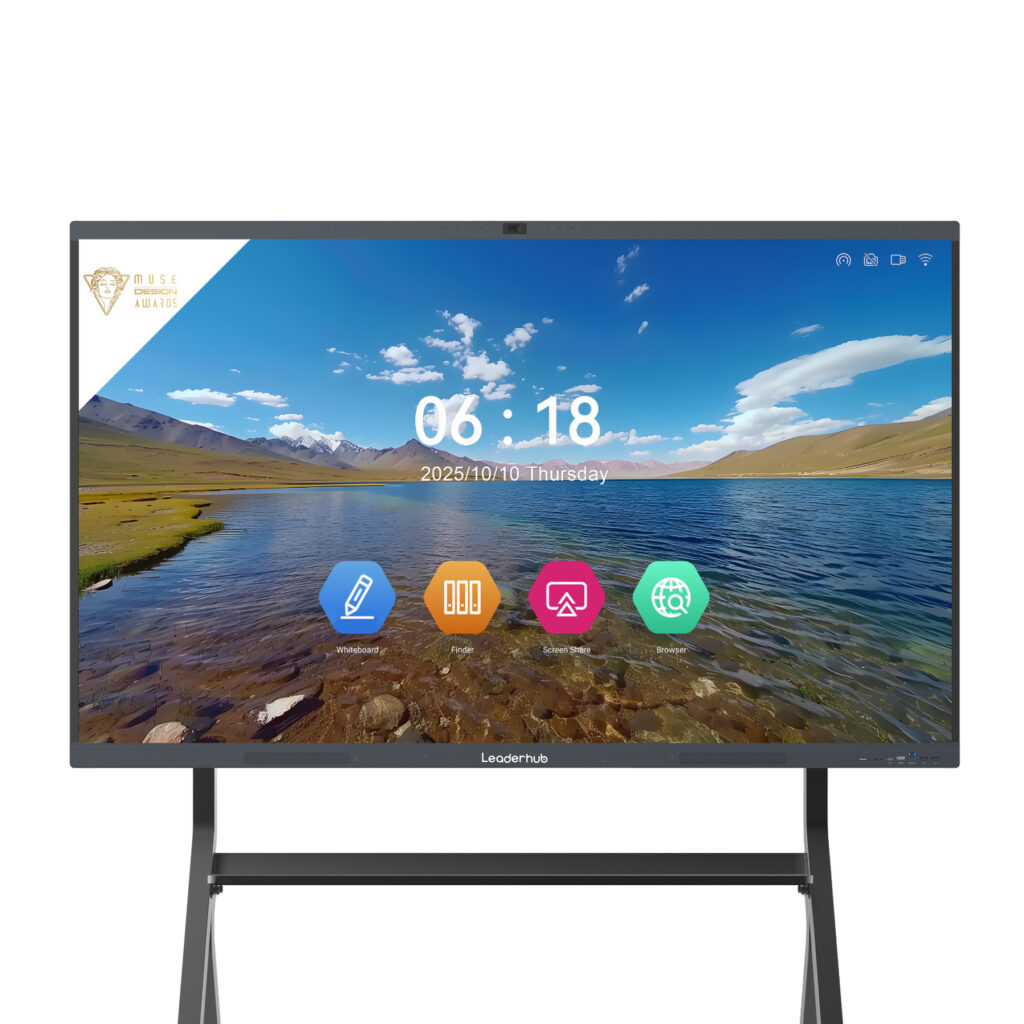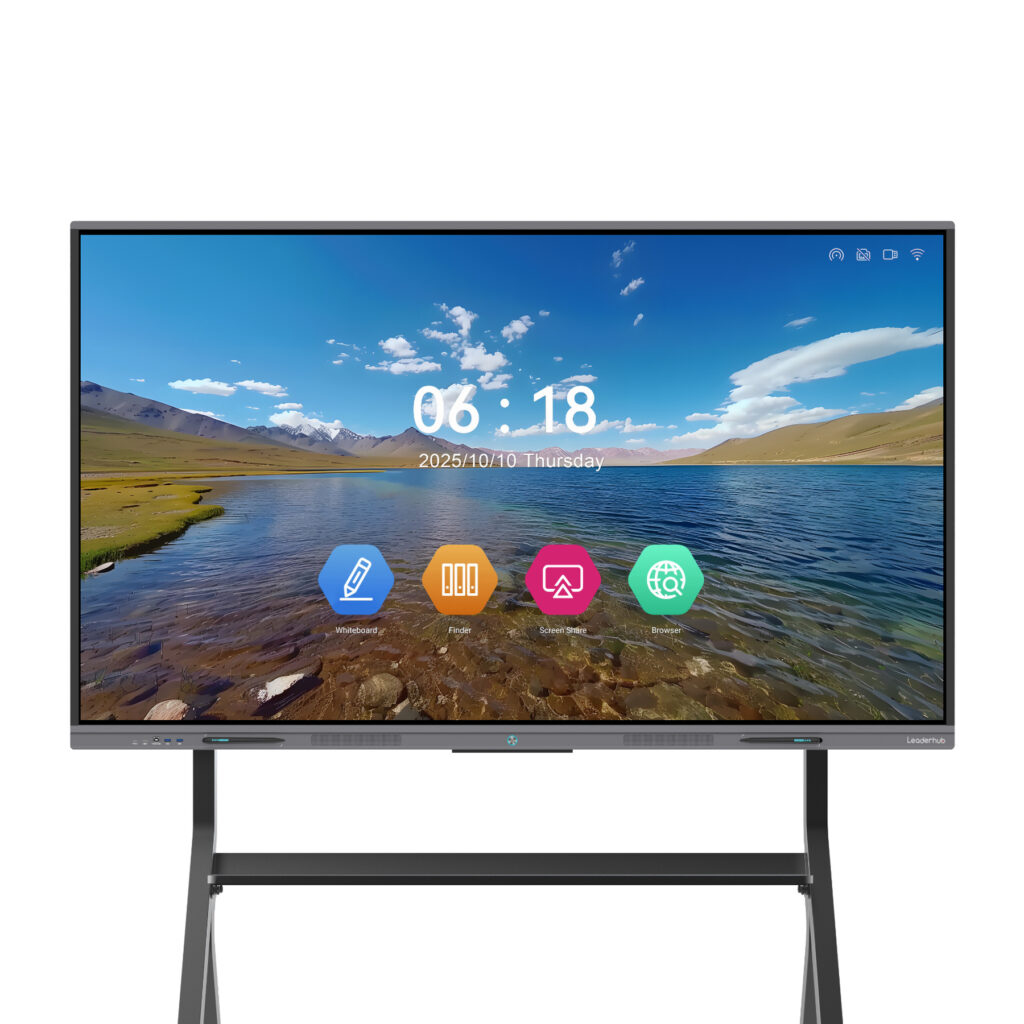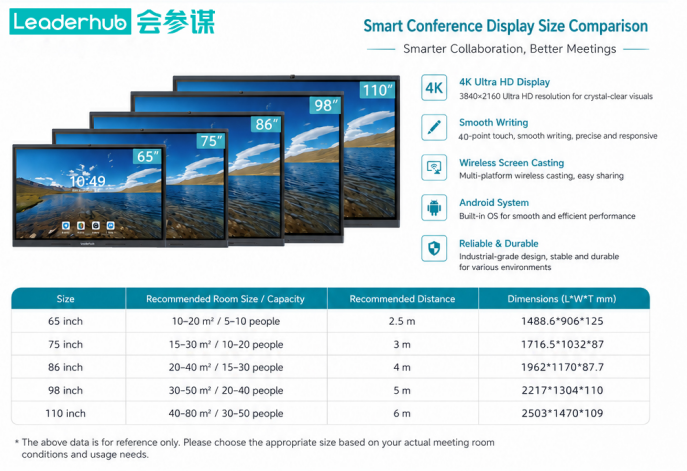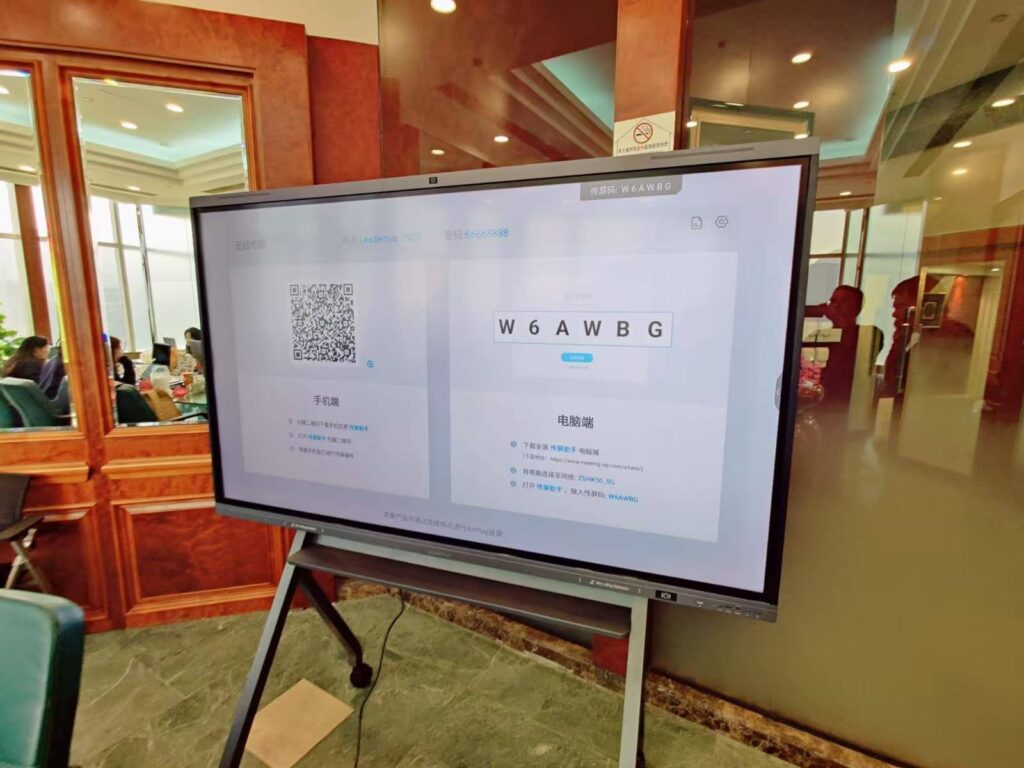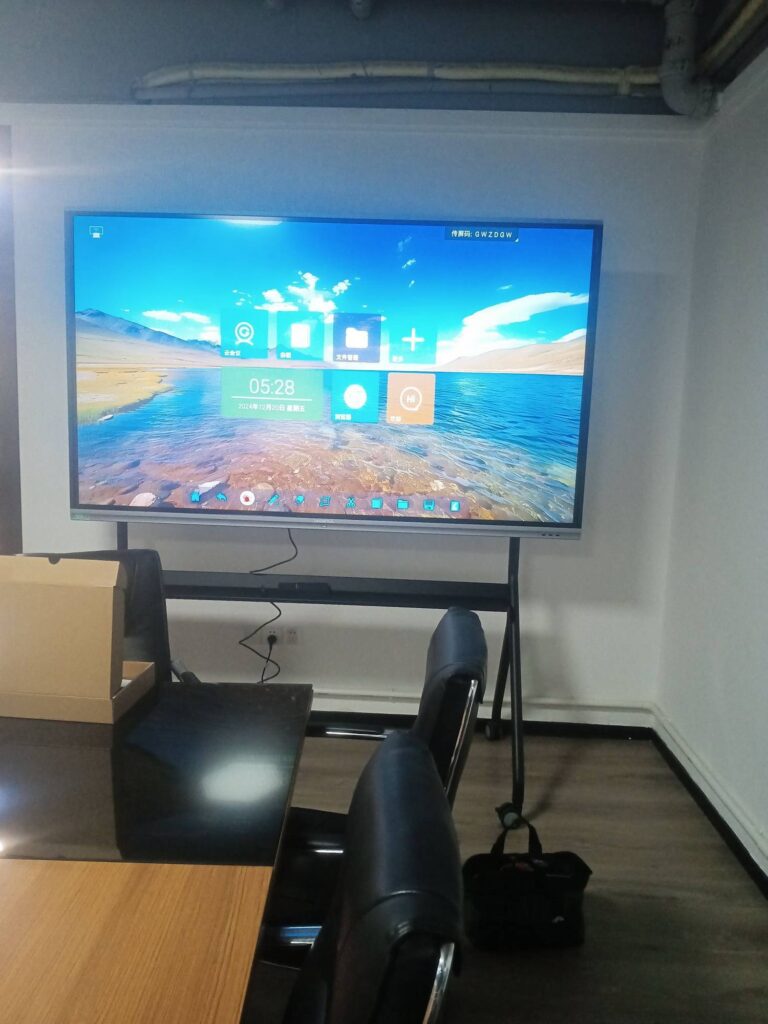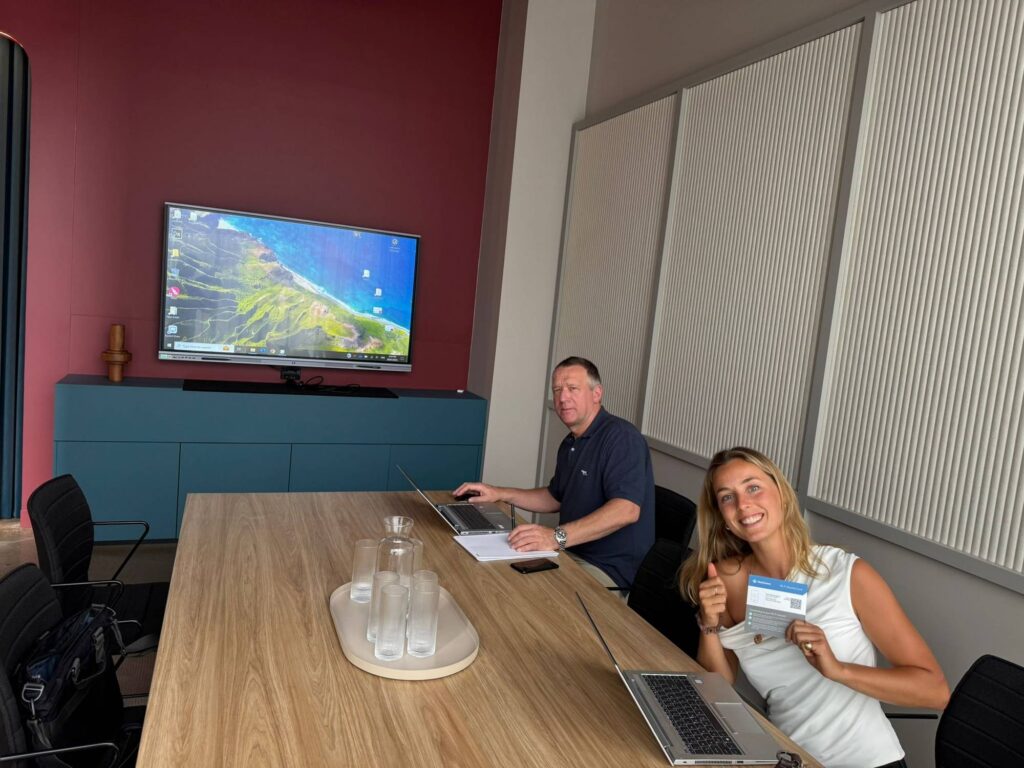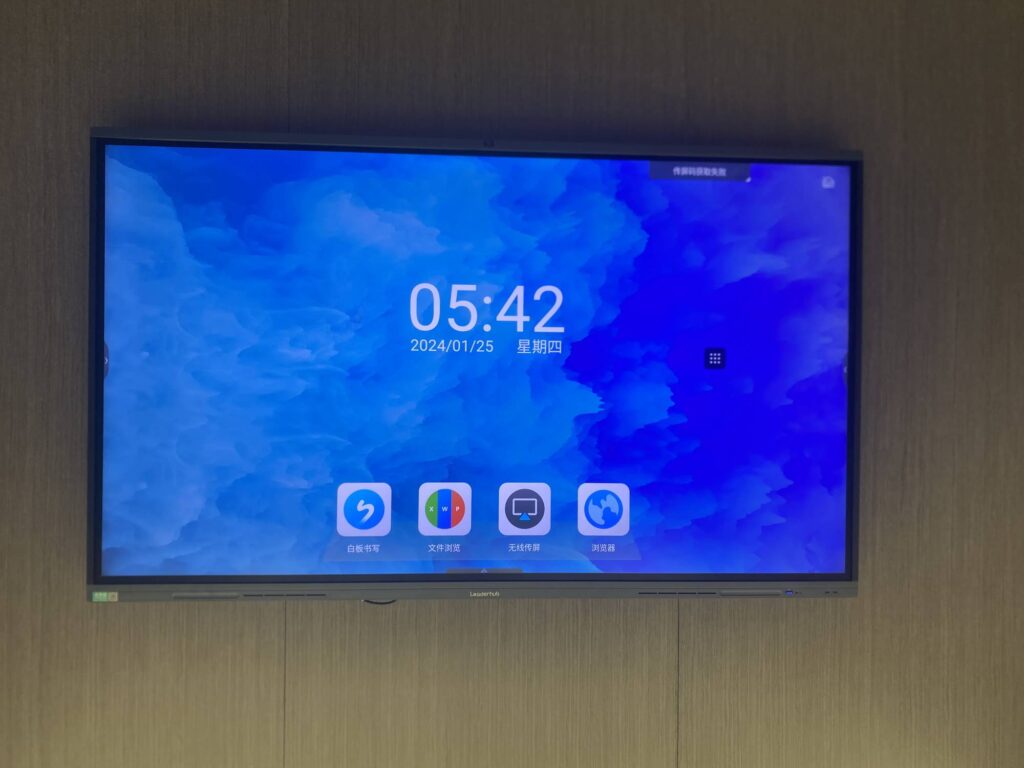
Sharing a laptop, tablet, or phone to a smart board is one of the fastest ways to make meetings, lessons, and presentations more interactive. If you are looking for how to share screen to smart board, the process usually takes only a few minutes once you know whether your board supports wired or wireless casting.
The exact steps can vary by device and operating system, but the basics stay the same: connect your source device, choose the correct input or casting mode, and confirm that audio and display settings are correct. For a complete setup, LeaderHub offers smart whiteboards, interactive flat panels, mini PCs, and portable smart screens; you can also browse the shop or contact us for support.

What You Need Before You Start
- A smart board or interactive display with HDMI, USB-C, or wireless casting support
- A source device such as a Windows laptop, MacBook, Chromebook, iPad, Android tablet, or phone
- The right cable or adapter if you prefer a wired connection
- Stable Wi-Fi for wireless screen mirroring
- Updated software on both devices for fewer connection issues
| Connection Method | Best For | Main Advantage |
|---|---|---|
| HDMI / USB-C cable | Classrooms, boardrooms, stable presentations | Reliable and low-latency |
| Miracast / AirPlay / Chromecast | Quick wireless sharing | No cable clutter |
| Built-in casting app | Mixed-device environments | Easy for teams and guests |
Step-by-Step: How to Share Your Screen to a Smart Board
Method 1: Wired Connection
- Turn on the smart board and wake the display.
- Connect your device using HDMI, USB-C, or the correct adapter.
- Select the matching input source on the smart board.
- On your device, open display settings and choose Duplicate or Mirror if needed.
- Check the image size, resolution, and audio output.
Method 2: Wireless Casting
- Make sure both devices are on the same Wi-Fi network if the board requires it.
- Open the casting menu on your device:
- Windows: Press Win + K or use the Project panel.
- Mac: Use AirPlay from the Control Center.
- iPhone/iPad: Open Screen Mirroring.
- Android: Use Cast, Smart View, or Screen Cast.
- Chromebook: Use the cast option in system controls or Chrome browser tools.
- Select the smart board from the list of available devices.
- Accept the connection prompt on the board if required.
- Start presenting and adjust sound or display settings if necessary.
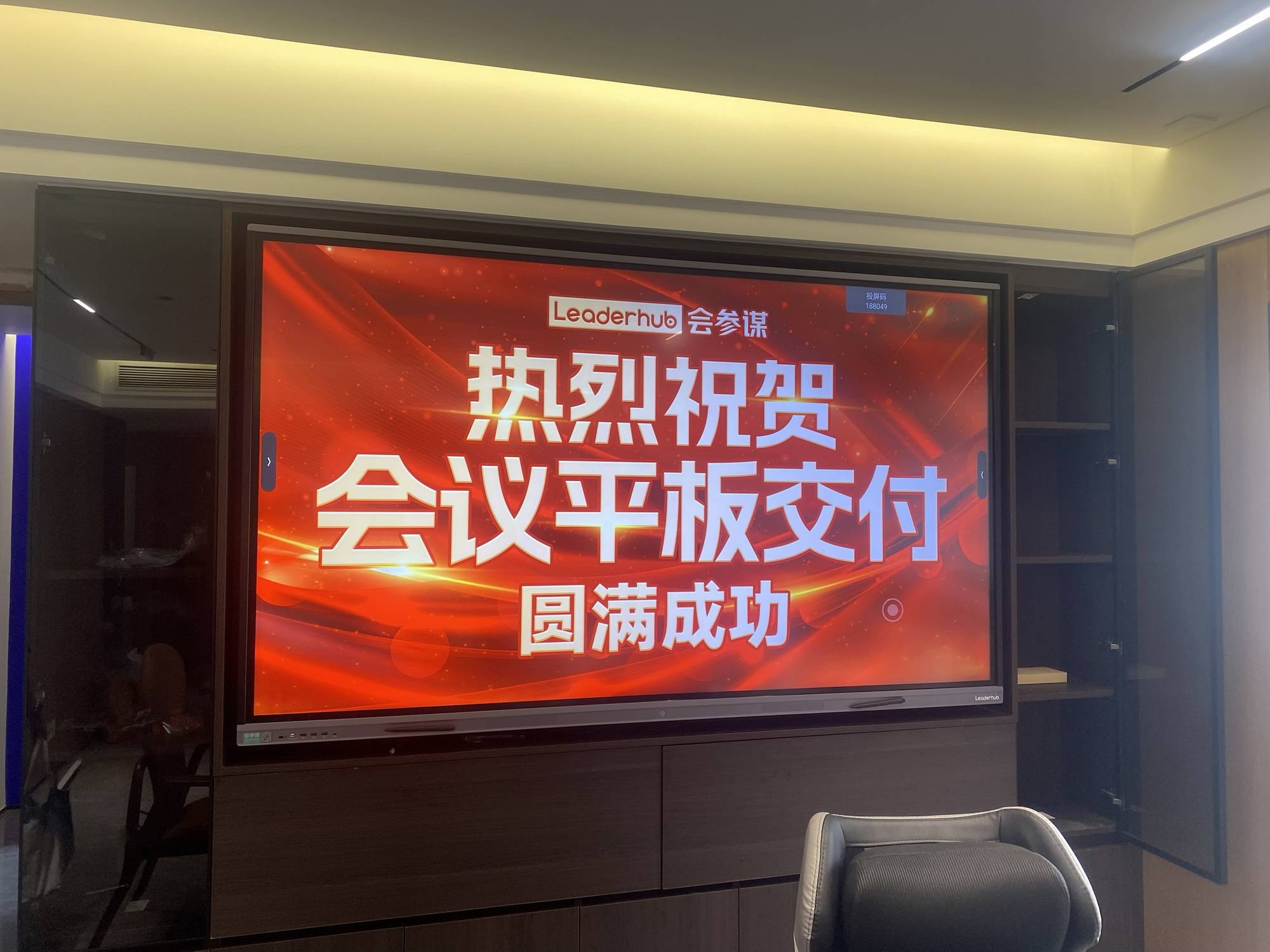
How to Share Screen From Common Devices
Windows 10 and Windows 11
- Use Win + K to open the cast panel.
- Choose the smart board or receiver name.
- Select Duplicate if you want everyone to see the same screen.
- If the board is connected by cable, confirm the correct input source first.
MacBook
- Open Control Center and choose Screen Mirroring.
- Select the smart board or compatible receiver.
- If the image is stretched, change the aspect ratio or display scaling.
iPhone and iPad
- Swipe to open Control Center.
- Tap Screen Mirroring.
- Choose the board name and enter a code if prompted.
Android Phones and Tablets
- Open the cast menu from Quick Settings.
- Pick the smart board or compatible receiver.
- Allow permissions for audio, display, or nearby device access if requested.
Best Practices for Smooth Screen Sharing
- Use the right resolution so text stays sharp on the board.
- Close unnecessary apps to reduce lag and pop-ups.
- Test audio before you present, especially for videos and online lessons.
- Keep cables short and high quality when using wired connections.
- Name your casting receiver clearly for easier room setup.
- Update drivers and firmware to improve compatibility.
Troubleshooting Table
| Problem | Likely Cause | Quick Fix |
|---|---|---|
| No signal on the smart board | Wrong input source or loose cable | Switch input and reconnect the cable |
| Board not showing in cast list | Wi-Fi issue or incompatible protocol | Check network, restart receiver, try wired mode |
| Sound not playing | Audio output set to the wrong device | Select the smart board or HDMI audio output |
| Lag or frozen display | Weak Wi-Fi or too many apps running | Reduce network load or switch to cable |
When to Use a Smart Board Instead of a Regular Display
A smart board is a better fit when you need touch interaction, annotation, whiteboarding, and real-time collaboration. It is especially useful for:
- Teaching lessons and marking up content live
- Running hybrid meetings with remote participants
- Brainstorming with teams in offices or training rooms
- Presenting product demos, diagrams, and project plans
Recommended Setup for Teams and Schools
If your room needs a stable presentation system, pair the display with a dedicated mini PC so the smart board can run apps, browse files, and open conferencing tools without depending on a guest laptop. For mobile presentations, a portable smart screen can also be a flexible option.
Frequently Asked Questions
Can I share my screen without Wi-Fi?
Yes. A wired HDMI or USB-C connection is the best choice if you want to avoid Wi-Fi dependence.
Why does my screen look blurry on the board?
The most common reason is a resolution mismatch. Set your laptop or phone to the board’s native resolution, and make sure scaling is not too large.
Can multiple people share to the same smart board?
Yes, many boards support multi-user workflows, but it is usually best to let one device present at a time to avoid confusion.
Is casting better than using a cable?
Wireless casting is more convenient, while cables usually provide a more stable connection. For important meetings or exams, wired is often the safer option.
Helpful Industry Resources
- UNESCO Technology in Education Report
- ISTE Education Technology Standards
- World Bank Education Technology Research
Whether you are teaching a class, running a workshop, or leading a meeting, the easiest way to succeed is to match the connection method to the room and the device. Once you know how to share screen to smart board, you can switch between cables, casting, and touch-based collaboration with confidence.