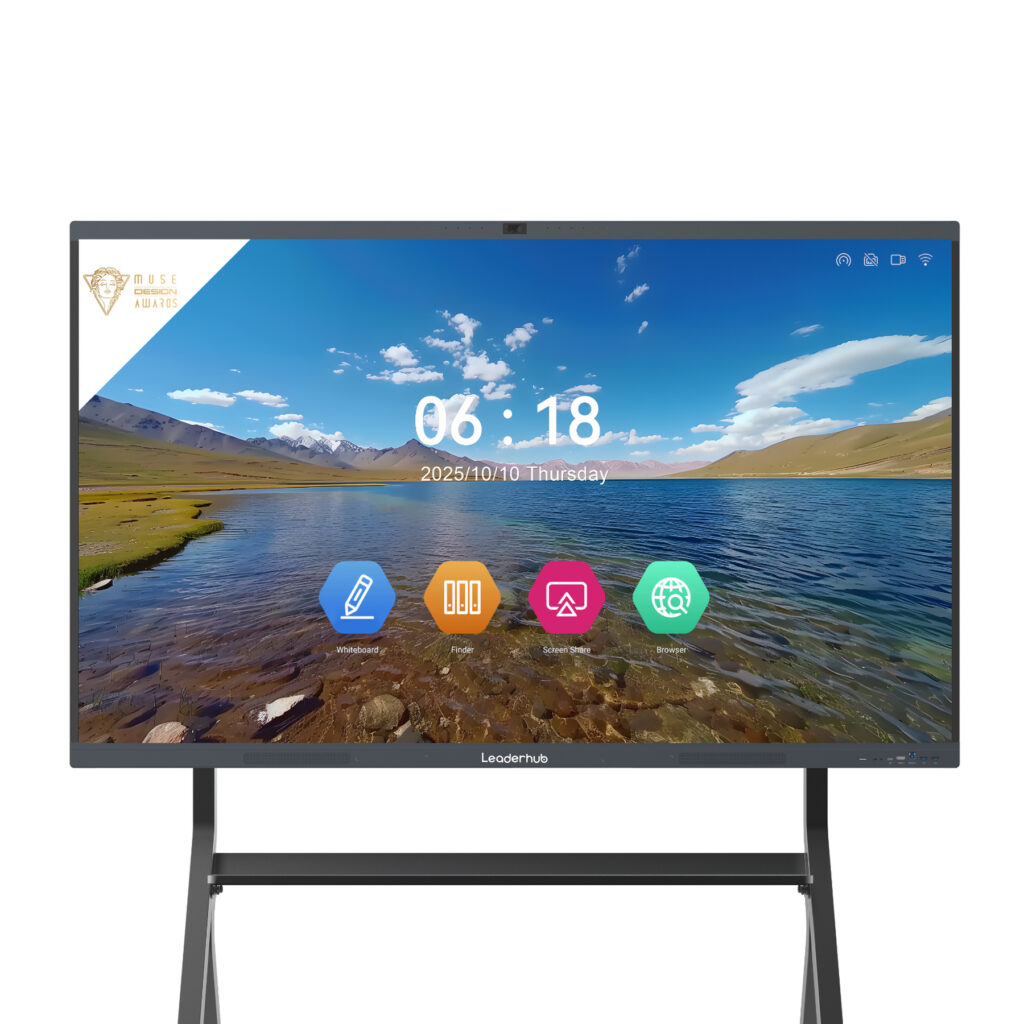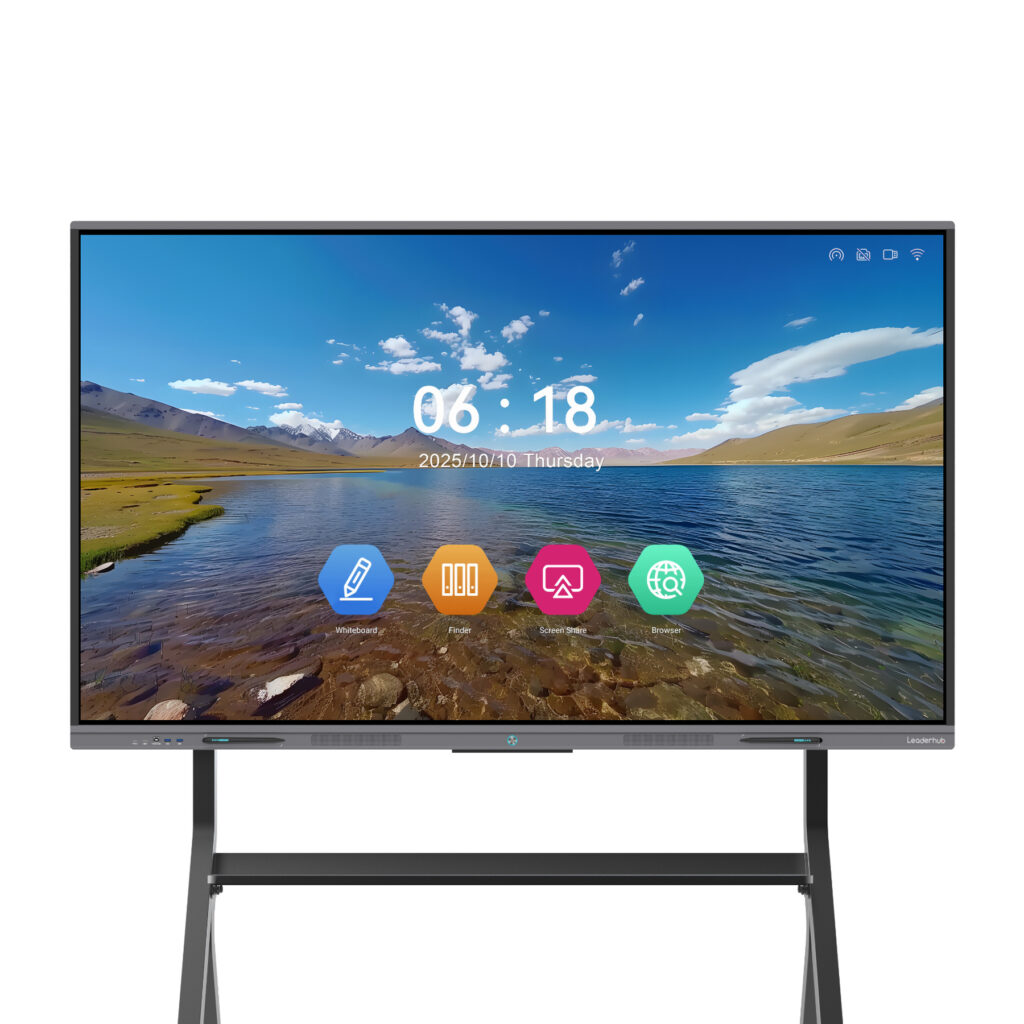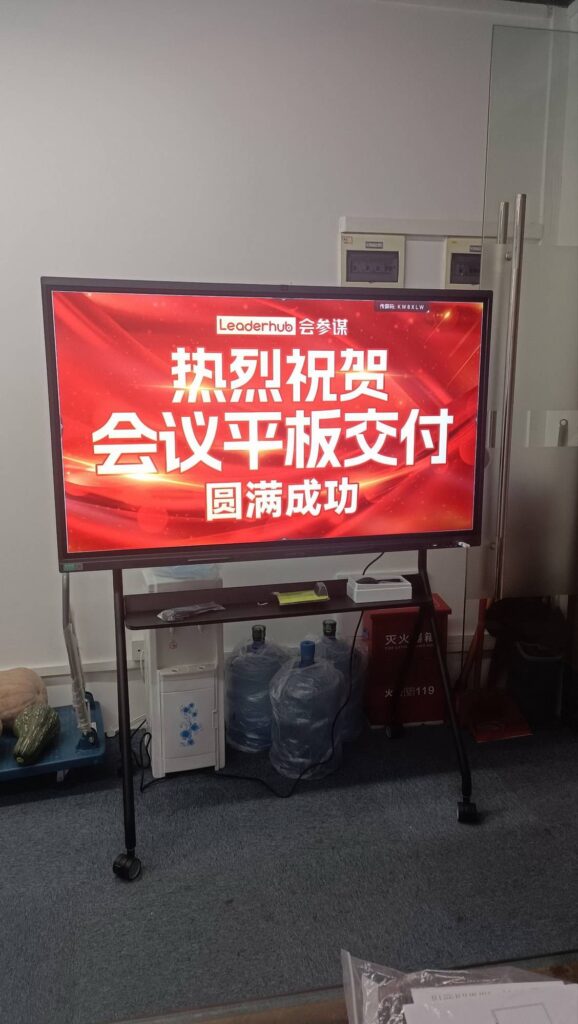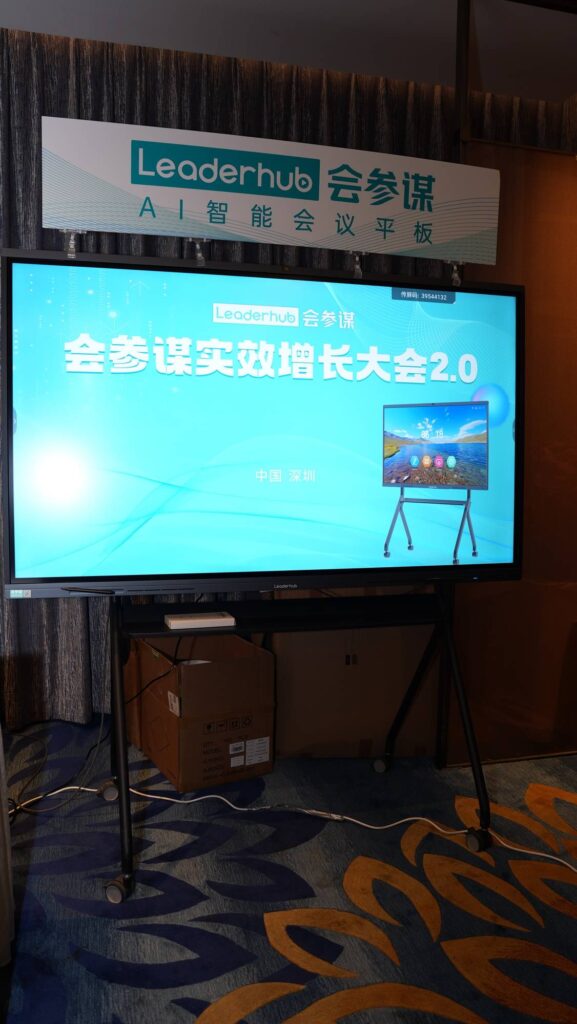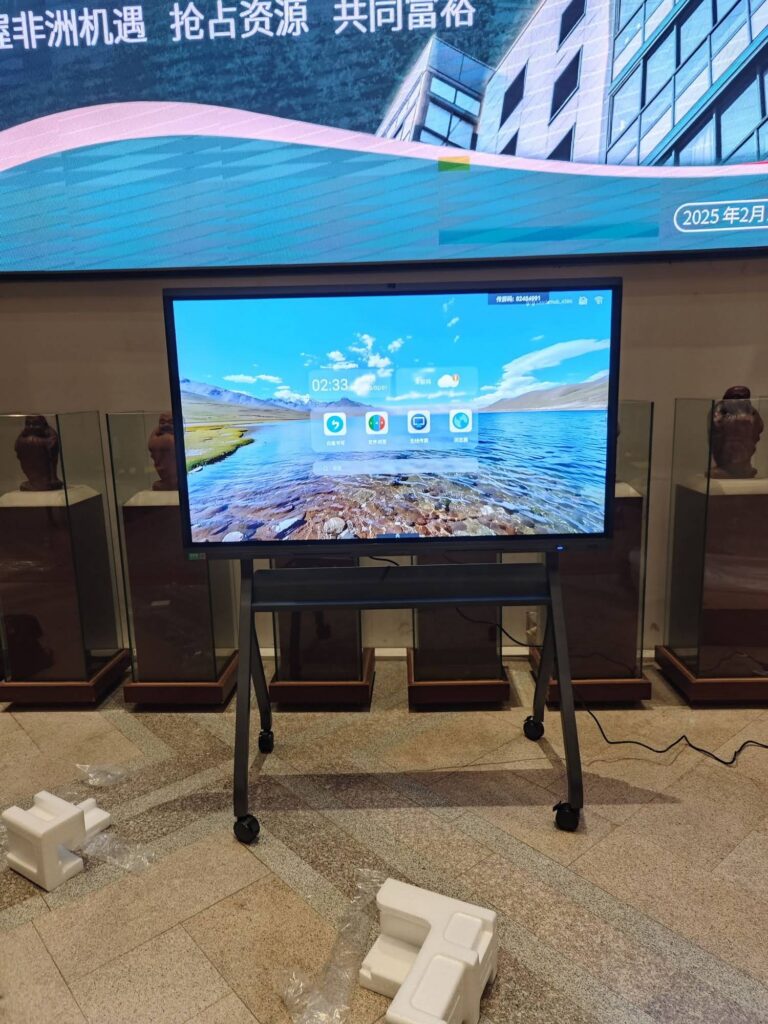
If you have ever flipped over an interactive display in a classroom or boardroom and wondered where are smart boards made, the short answer is: mostly in Asia, with China producing the overwhelming majority of the world’s interactive flat panels. But the full picture is more nuanced. A single smart board can combine an LCD panel from South Korea or Taiwan, a touch sensor from China, a processor designed in the United States, and software written in Europe or North America — before being assembled in Shenzhen or Guangzhou and shipped to a school in Texas, an office in London, or a university in Dubai.
This guide breaks down the top smart board manufacturing countries, explains how the global supply chain actually works, lists where leading brands build their products, and gives you a practical checklist for choosing a reliable supplier — whether you are a school procurement officer, an IT manager, or a distributor looking for OEM/ODM partners.
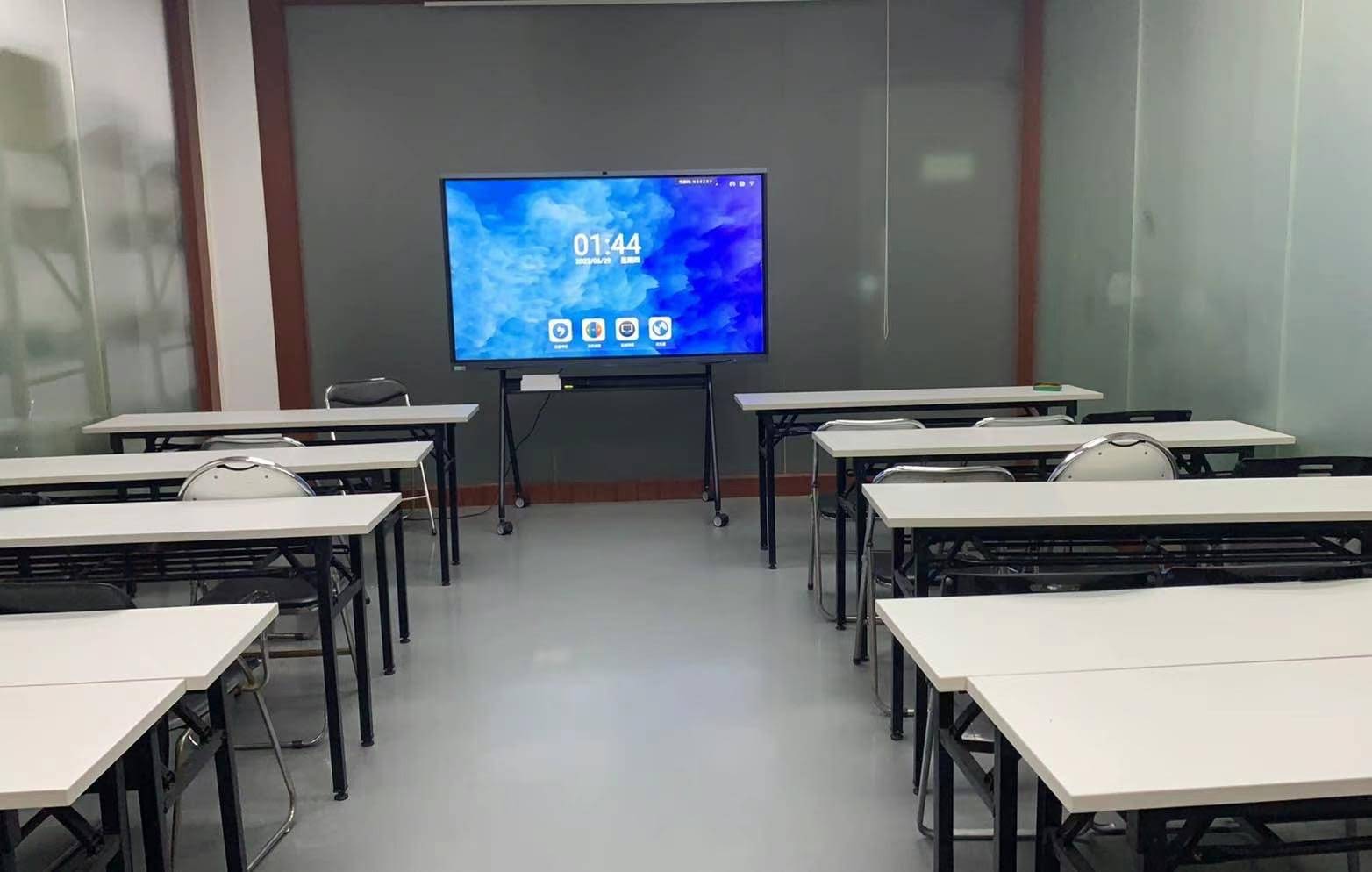
Quick Answer: Where Are Smart Boards Made Today?
Roughly 80–90% of the world’s interactive flat panel displays are assembled in China, primarily in the Pearl River Delta region of Guangdong Province. Shenzhen, Guangzhou, Huizhou, and Dongguan form the densest cluster of display, touch, and electronics manufacturing on the planet. Even brands headquartered in Canada, the UK, the United States, or Taiwan typically rely on Chinese factories for final assembly.
- China — final assembly, touch frames, housings, mainboards, and an increasing share of LCD panels
- South Korea — premium LCD/OLED panel technology and vertically integrated brands
- Taiwan — display panels, touch controllers, and ODM engineering
- Japan — high-end glass, optical films, and precision components
- United States, Canada, UK & EU — brand ownership, software, R&D, and limited regional assembly
Top Smart Board Manufacturing Countries Compared
| Country / Region | Role in Smart Board Production | Key Hubs | Main Strengths |
|---|---|---|---|
| China | Final assembly, touch frames, PCB, housing, BOE/CSOT panels | Shenzhen, Guangzhou, Huizhou, Hefei, Wuhan | Scale, cost efficiency, complete supply chain, fast OEM/ODM |
| South Korea | Premium LCD/OLED panels, integrated brand manufacturing | Paju, Asan, Gumi | Panel quality, brand reputation, display innovation |
| Taiwan | LCD panels, touch ICs, ODM design services | Taoyuan, Hsinchu, Taichung | Engineering depth, semiconductor ecosystem |
| Japan | Cover glass, optical films, precision materials | Osaka, Sakai, Kameyama | Material science, durability standards |
| USA / Canada | Brand HQ, software, firmware, education platforms | Calgary, Seattle, Austin, Atlanta | Software ecosystems, K-12 distribution, service networks |
| UK / EU | Brand ownership, design, regional configuration | Blackburn, Munich, Eindhoven | Compliance (CE, GDPR), education pedagogy integration |
China: The World’s Smart Board Factory
The Guangdong corridor is where the question “where are smart boards made” is most literally answered. Within a two-hour drive of Shenzhen you can source every component of an interactive display: LCD open cells, infrared or capacitive touch frames, tempered anti-glare glass, Android and OPS mainboards, aluminum housings, speakers, cameras, and packaging. This density is why Chinese factories can deliver a custom 75-inch 4K panel in weeks rather than months. Major Chinese panel makers such as BOE and CSOT now rival Korean and Taiwanese suppliers in large-format LCD output, further concentrating production domestically.
South Korea and Taiwan: Panel Technology Leaders
Korean and Taiwanese companies historically dominated large LCD fabrication, and their panels still appear in many premium smart boards. Taiwan also hosts the ODM engineering teams that design reference boards for Western brands. However, final assembly for most of these products is still contracted to mainland China or, increasingly, to Vietnam.
North America and Europe: Where Brands Live, Not Factories
Many of the best-known smart board brands are Western — but they design, market, and support their products rather than manufacture them. A “Canadian” or “British” smart board is typically engineered in that country and built in Asia. For buyers in the US, UK, Australia, and Europe, this means the real differentiators are software, warranty, local support, and the quality standards the brand enforces at its contract factories.
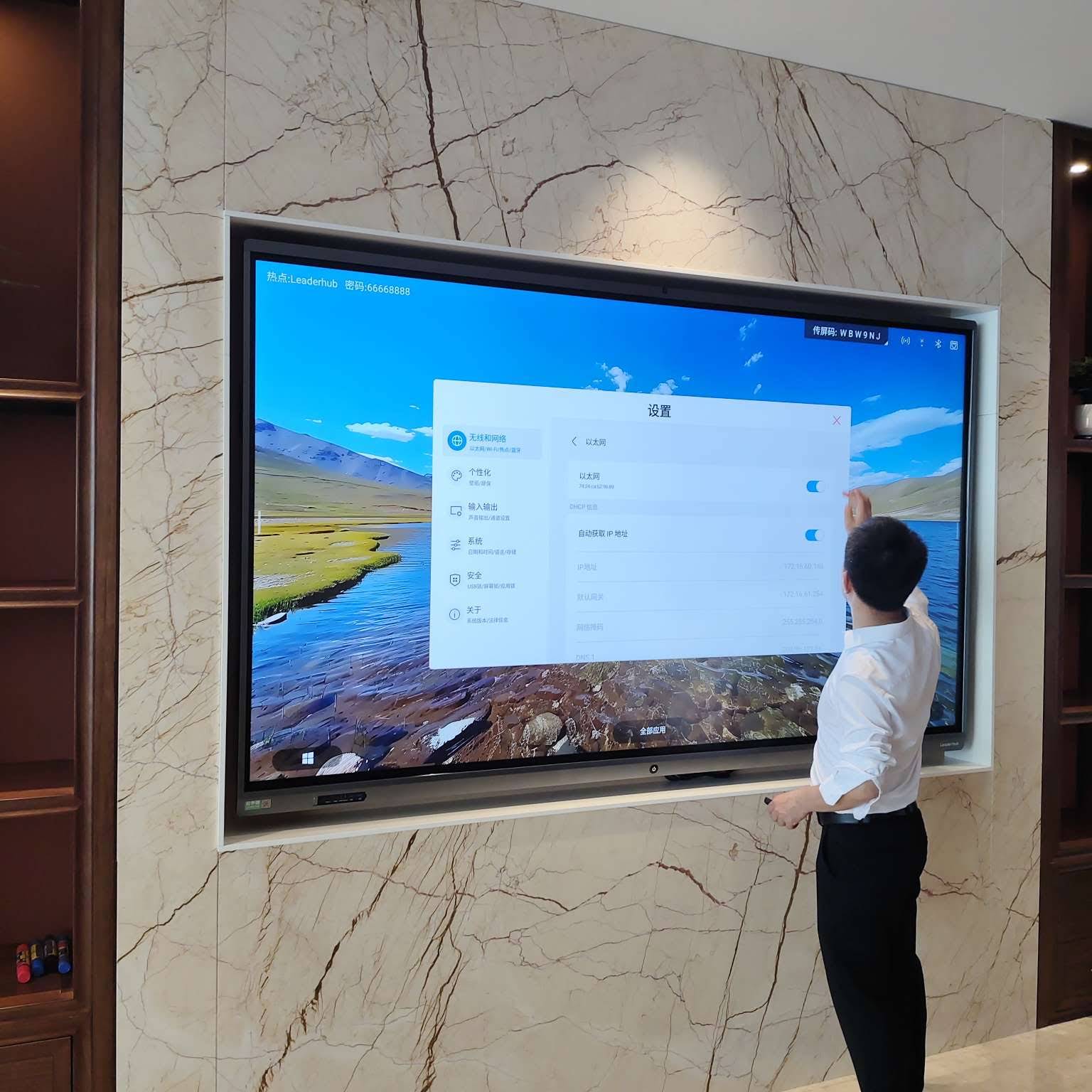
How a Smart Board Is Built: Inside the Global Supply Chain
Understanding the components helps explain why manufacturing is so geographically concentrated:
- LCD panel (open cell) — the largest cost driver, produced by BOE, CSOT, LG Display, AUO, or Innolux in China, Korea, or Taiwan.
- Touch layer — infrared (IR) frames are almost exclusively Chinese-made; projected capacitive (PCAP) sensors come from China and Taiwan.
- Cover glass — tempered, anti-glare glass from Japanese, Chinese, or US specialty glass makers, processed in China.
- Mainboard and SoC — Android boards with MediaTek, Amlogic, or Rockchip processors; optional OPS PC modules with Intel chips.
- Housing and thermal design — aluminum or steel enclosures stamped and finished in Guangdong.
- Software and firmware — whiteboarding apps, wireless casting, device management, and AI features, often developed by the brand itself.
- Final assembly and testing — aging tests, touch calibration, color uniformity checks, and packaging before export.
Because steps 2 through 7 cluster in southern China, even brands that source Korean panels ship them to Guangdong for integration. This is the core reason behind China’s dominance in smart whiteboard production.
Leading Smart Board Brands and Where They Manufacture
| Brand | Headquarters | Primary Manufacturing | Typical Market Focus |
|---|---|---|---|
| SMART Technologies | Calgary, Canada | Contract factories in China | K-12 education, North America |
| Promethean | Blackburn, UK / Seattle, USA | China | Education, UK and US schools |
| Samsung | Suwon, South Korea | South Korea, Vietnam, China | Corporate, premium education |
| LG | Seoul, South Korea | South Korea, China | Corporate meeting rooms |
| BenQ | Taipei, Taiwan | China, Taiwan | Education and business, global |
| ViewSonic | Brea, USA | China, Taiwan | Education, SMB |
| Newline Interactive | Plano, USA | China | Corporate, education |
| Hisense / MAXHUB / Seewo | China | China | Asia-Pacific, emerging markets |
| LeaderHub | Shenzhen, China | Shenzhen, China (own production) | SMB, education, OEM/ODM, 82+ countries |
The takeaway: nearly every brand in the table manufactures in China. What separates a $1,000 panel from a $4,000 panel of the same size is rarely the factory location — it is the panel grade, touch technology, software licensing, brand margin, and the service network behind it.
Does “Made in China” Mean Lower Quality?
Not inherently. The same Shenzhen production lines that build budget panels also build flagship products for Western brands. Quality is determined by the specifications a buyer demands and the quality control a manufacturer enforces, not the country on the label. That said, the Chinese market is enormous, and it includes everything from world-class factories to small assembly shops with minimal testing. This is exactly why supplier due diligence matters.
International organizations increasingly emphasize that hardware purchasing in education should be driven by pedagogical outcomes and long-term reliability rather than price alone. The UNESCO Technology in Education Report and the OECD Digital Education Outlook both stress that devices deliver value only when they are durable, well-supported, and integrated into teaching practice — a useful lens for any procurement decision.
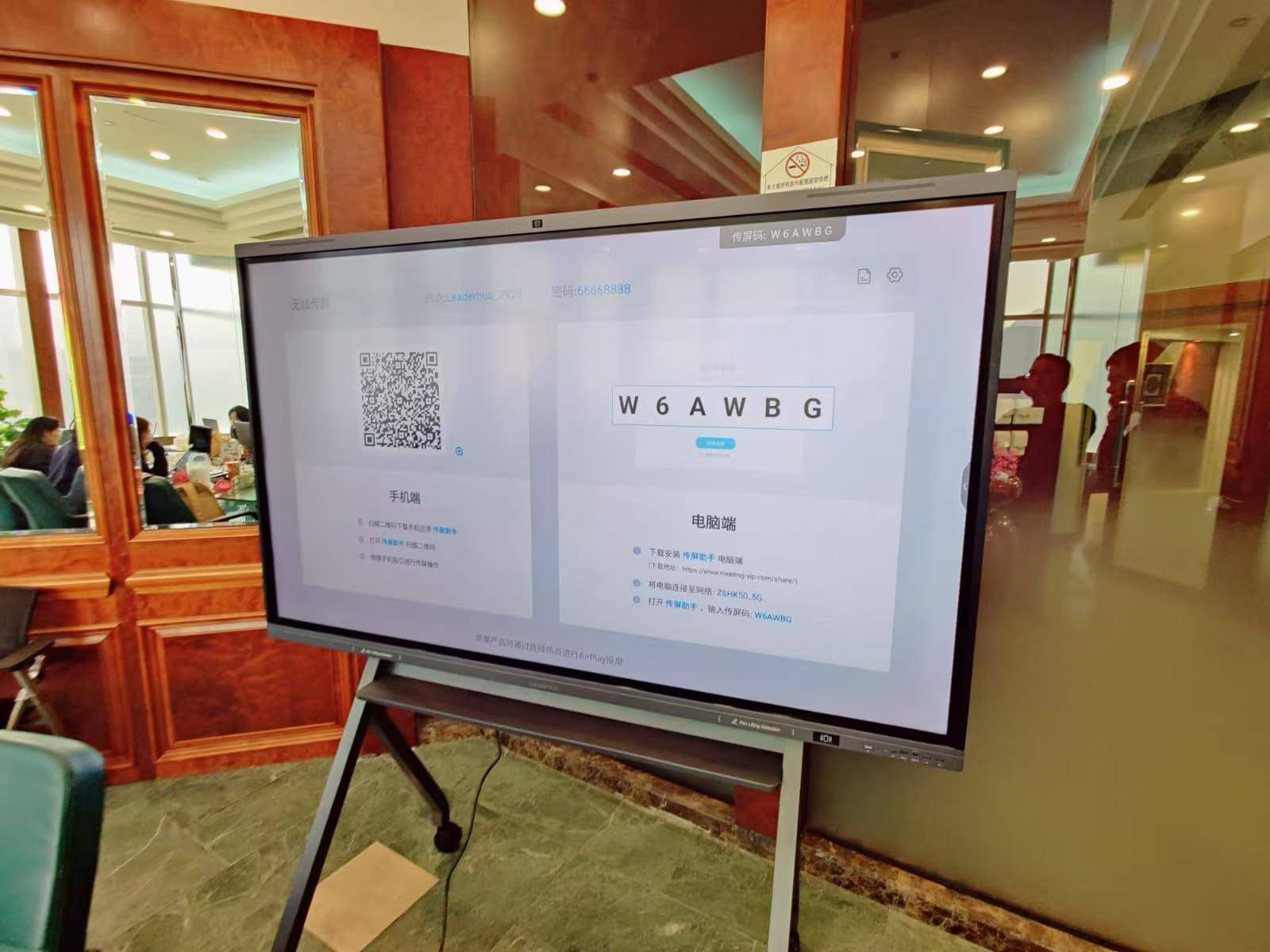
How to Choose a Reliable Smart Board Supplier
Once you know where smart boards are made, the practical question becomes: how do you pick a supplier you can trust? Use the following framework.
1. Confirm You Are Dealing With a Manufacturer, Not a Trading Company
Many “factories” on B2B platforms are resellers. Ask for a factory address, production line photos or video calls, business licenses, and the names of panel suppliers. Genuine manufacturers can discuss SMT lines, aging rooms, and touch calibration processes in detail. Trade show presence at events like ISE, InfoComm, or BETT is another strong signal.
2. Check Certifications for Your Market
- North America: FCC, UL/ETL, Energy Star (where applicable)
- Europe & UK: CE, UKCA, RoHS, REACH, WEEE
- Australia / NZ: RCM
- Global: ISO 9001 (quality management), ISO 14001 (environmental)
- Eye comfort: TÜV low blue light or flicker-free certification for classroom use
3. Evaluate Panel Grade and Touch Technology
Ask whether the LCD is an A-grade panel from a named supplier, what the brightness (nits) and contrast ratio are, and whether the glass is 4 mm tempered anti-glare. For touch, infrared with 20–40 points is standard and cost-effective; PCAP offers a smoother writing feel at a higher price. Request a writing latency figure — under 10 ms feels natural.
4. Review Software, Updates, and Ecosystem
Hardware ages slowly; software ages fast. Confirm the Android version, OTA update policy, wireless casting compatibility (AirPlay, Miracast, Chromecast), and whether an OPS slot allows a Windows upgrade later. Some buyers pair a panel with a compact mini PC for full Windows functionality.
5. Verify Warranty and After-Sales Support
A reliable supplier offers at least a 3-year warranty, clear RMA procedures, spare parts availability, and remote technical support in your time zone. Ask how screen damage, dead pixels, and touch frame faults are handled — and who pays return shipping.
6. Assess OEM/ODM Flexibility and MOQ
Distributors and system integrators should ask about logo customization, boot animations, pre-installed software, packaging, and minimum order quantities. Mature manufacturers can accommodate small trial orders before scaling.
Supplier Evaluation Checklist
| Evaluation Area | What to Ask | Green Flag |
|---|---|---|
| Company background | Years in business, export markets, references | 10+ years, documented global customers |
| Production capability | Monthly capacity, in-house lines, QC process | Factory tour offered, 100% aging test |
| Component sourcing | Panel brand, touch IC, glass supplier | Named A-grade suppliers disclosed |
| Compliance | Certificates for your region | Valid, verifiable certificate numbers |
| Software | Update roadmap, MDM, AI features | Regular OTA releases, device management tools |
| Warranty & service | Term, RMA process, spare parts | 3-year warranty, responsive support |
| Commercial terms | MOQ, lead time, payment, Incoterms | Sample orders accepted, transparent pricing |
Price Reference: What Factory-Direct Smart Boards Cost by Size
Buying closer to the source generally reduces cost. The following factory-direct prices from a Shenzhen manufacturer illustrate typical ranges for 4K interactive panels:
| Size | Model | Best For | Price |
|---|---|---|---|
| 65″ | L65ZM Interactive Whiteboard | Small classrooms, huddle rooms | $1,099 |
| 75″ | L75HM Smart Whiteboard | Standard classrooms, meeting rooms | $1,599 |
| 86″ | L86ZM Interactive Whiteboard | Lecture halls, large boardrooms | $1,699 |
| 55″ mobile | U55Pro Mobile Flat Panel | Flexible spaces, shared use | $2,499 |
| 110″ | L110H Interactive Flat Panel | Auditoriums, executive suites | $7,999 |
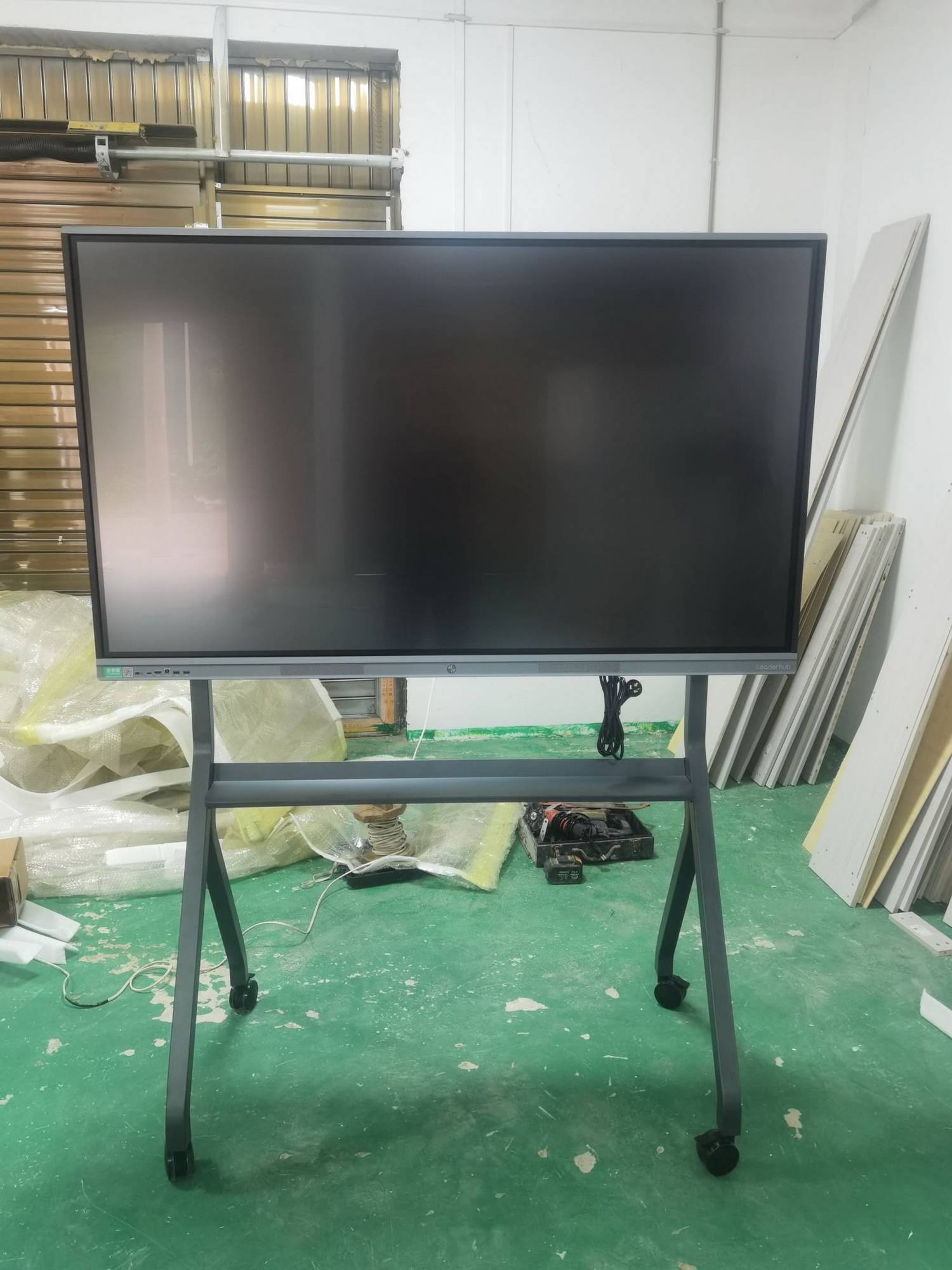
A Shenzhen Manufacturer Perspective
LeaderHub is a Shenzhen-based technology company with 16 years of professional experience in the interactive panel industry, specializing in smart whiteboards, interactive flat panels, mini PCs, and portable smart screens. Its products are delivered to education, enterprise, and creative professionals in 82 countries, and the brand ranks NO.1 in its interactive panel subcategory on JD.com. By combining in-house hardware production with AI-driven collaboration features, the company focuses on making world-class interactive technology accessible to small and medium-sized organizations — the same customers who benefit most from understanding where smart boards are made and buying closer to the source. You can explore the full product range or review the portable rotating screens designed for hybrid work.
Frequently Asked Questions
Are any smart boards made in the USA?
Very few are fully manufactured in the United States. Some brands perform final configuration, software loading, or light assembly domestically to meet procurement rules such as the Trade Agreements Act, but the display and touch components are almost always produced in Asia.
Where are SMART Boards made?
SMART Technologies is headquartered in Calgary, Canada, where product design and software development take place. Hardware manufacturing is outsourced to contract factories, primarily in China.
Why is China the main producer of interactive displays?
China hosts the complete supply chain — panels, touch frames, glass, electronics, and housings — within a single region, allowing fast, cost-efficient production at scale. Decades of investment in display fabs have also made Chinese panel makers global leaders in large-format LCD output.
Is it safe to buy a smart board directly from a Chinese factory?
Yes, provided you verify the supplier properly. Established manufacturers with long export histories, valid certifications, transparent component sourcing, and multi-year warranties are a reliable and cost-effective option for schools, businesses, and distributors worldwide.
What is the typical lead time for a smart board order from China?
Standard models usually ship within 7–20 days. Customized OEM/ODM orders typically require 25–45 days depending on volume and configuration, plus sea or air freight time to your destination.
Final Thoughts
So, where are smart boards made? Overwhelmingly in China — specifically in the Shenzhen and Guangzhou manufacturing belt — with critical components and brand ownership distributed across South Korea, Taiwan, Japan, North America, and Europe. For buyers, the country of origin matters far less than the manufacturer’s experience, component quality, certifications, software roadmap, and after-sales commitment. Apply the checklist above, request samples, and partner with a supplier that treats your purchase as the beginning of a long-term relationship rather than a one-time transaction.
Ready to compare specifications or discuss OEM/ODM options? Contact the LeaderHub team for factory-direct pricing and technical guidance tailored to your region.