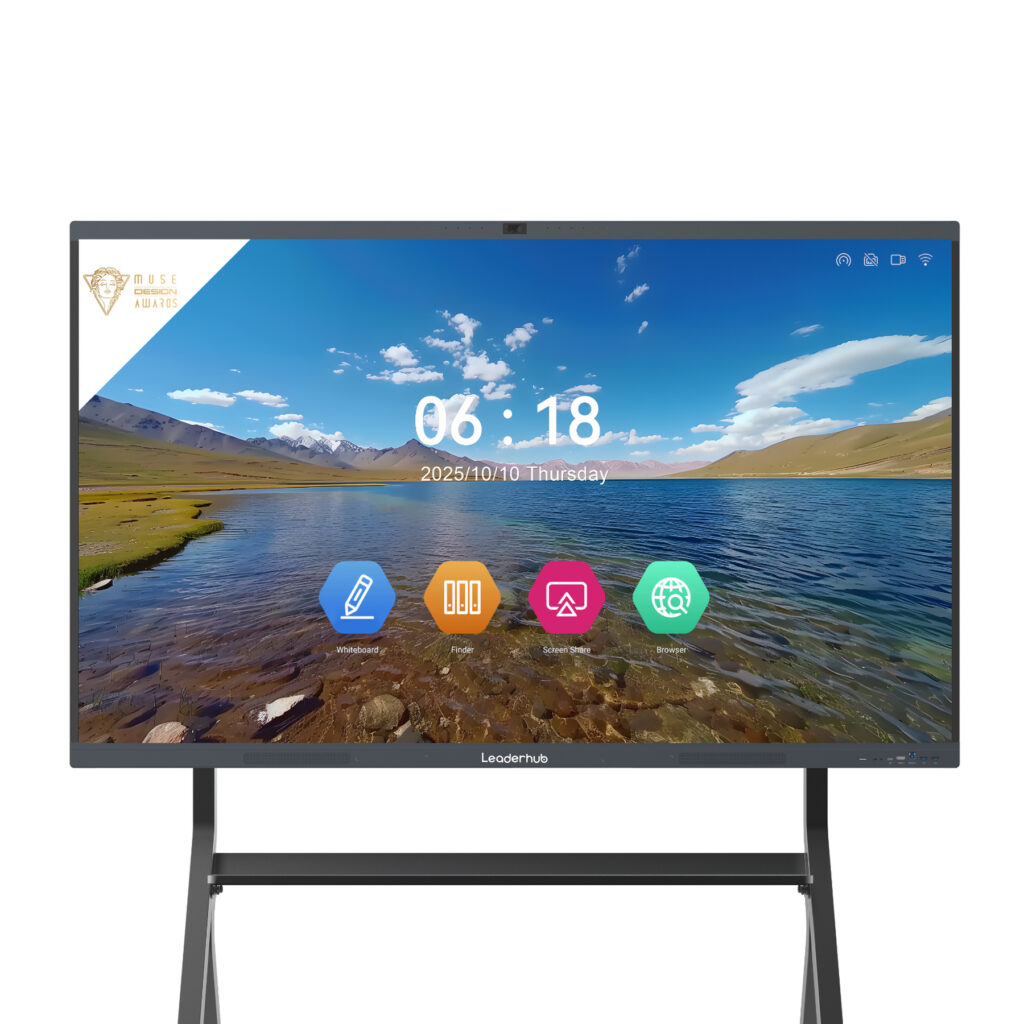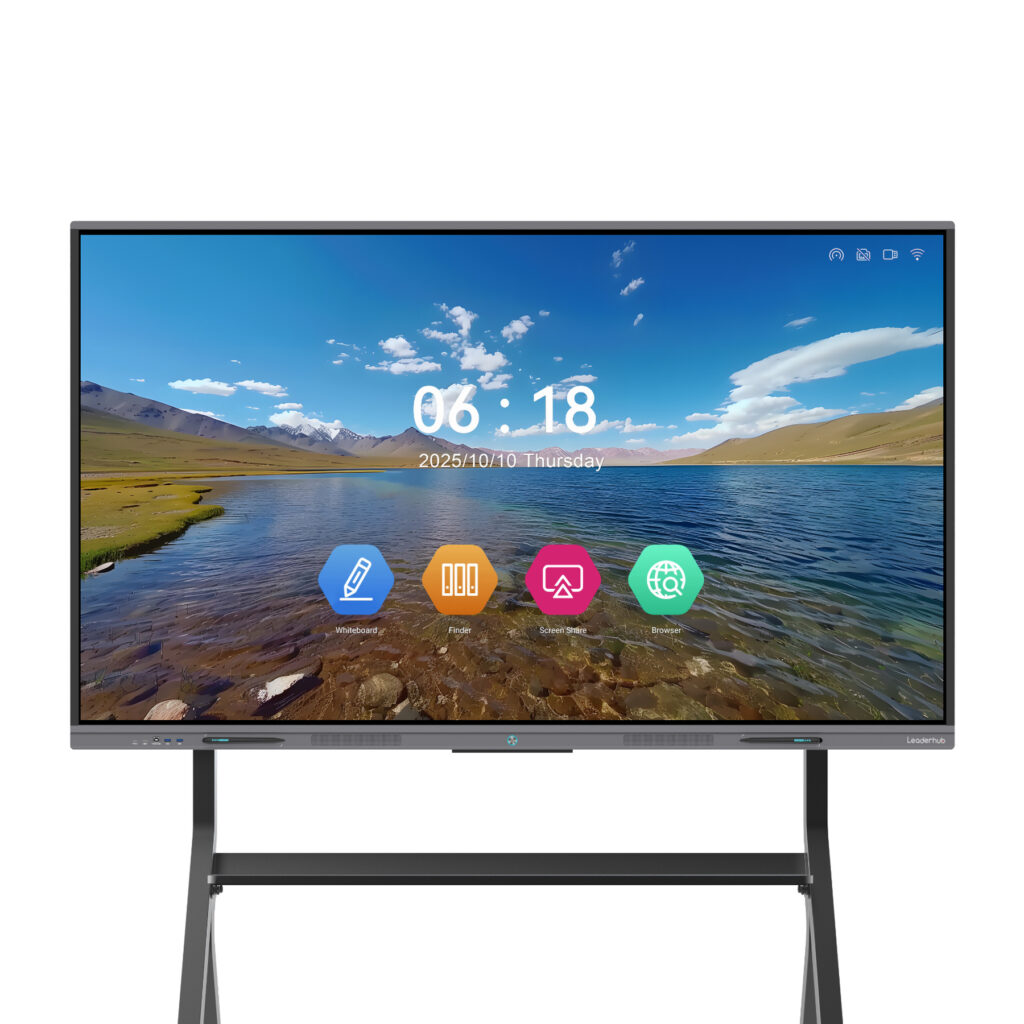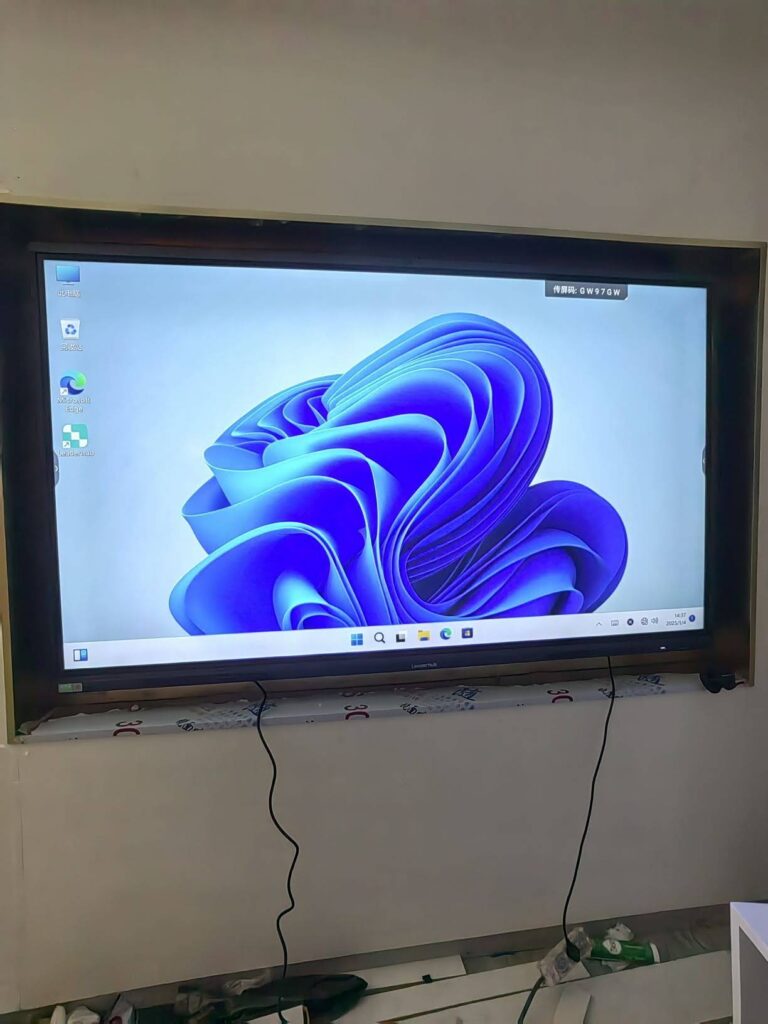
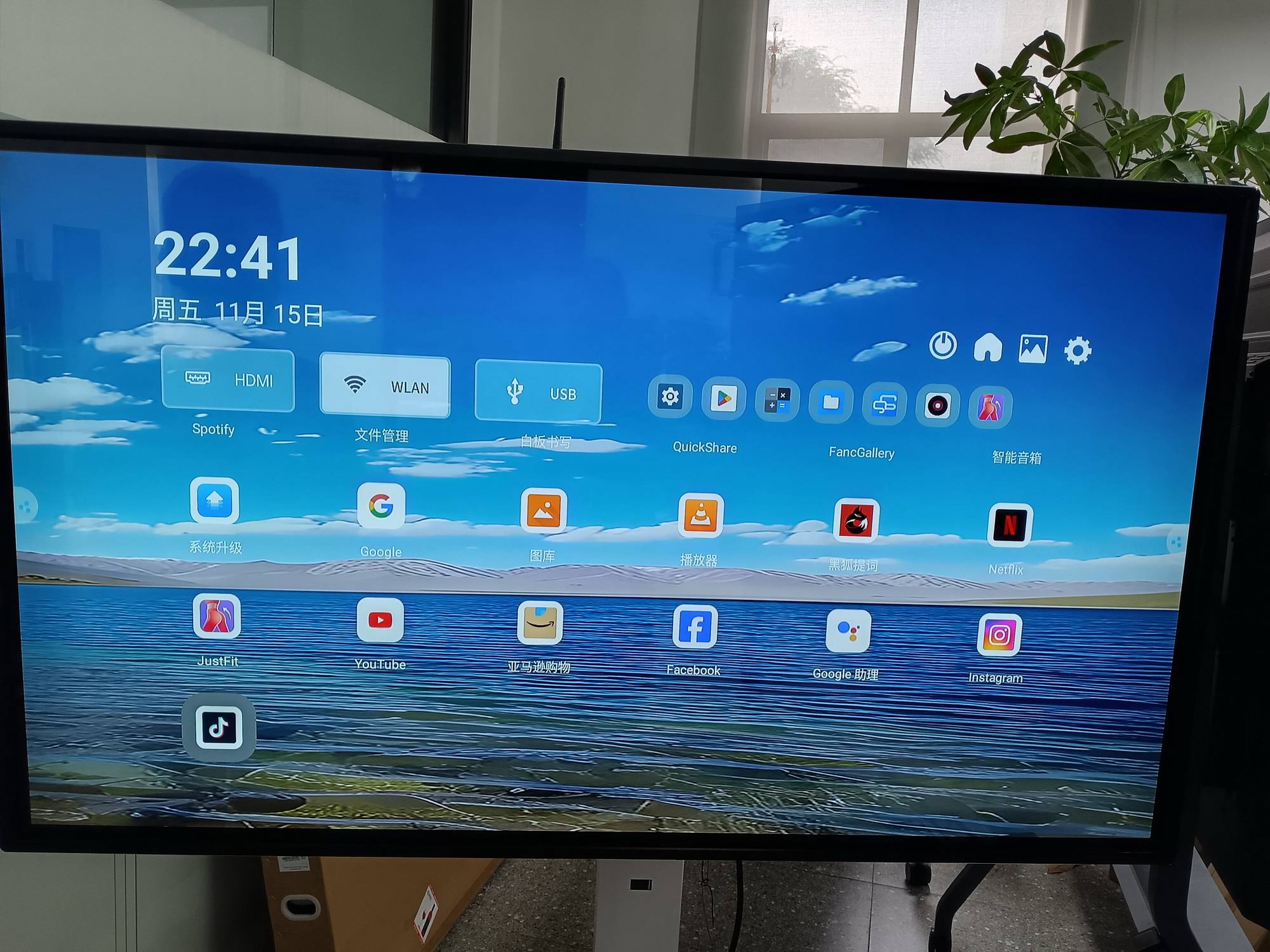
Every year, thousands of school districts, universities, training centers and education distributors look to China when they need to equip classrooms with interactive displays. The reason is simple: China produces the majority of the world’s interactive flat panels, and the Shenzhen–Guangdong manufacturing corridor concentrates the panel suppliers, touch-frame makers, mainboard engineers and assembly lines that make a smart teaching board possible. But a crowded market also means uneven quality. This guide explains how education buyers—procurement officers, IT coordinators, school principals and AV integrators—can identify a reliable smart teaching board manufacturer in China and avoid the costly mistakes that show up only after the panels are mounted on classroom walls.
Why China Dominates Smart Teaching Board Manufacturing
Shenzhen is often called the hardware capital of the world, and interactive displays are one of its signature categories. Within a two-hour drive of the city, a buyer can find LCD panel factories, tempered-glass processors, infrared and capacitive touch-frame suppliers, Android and OPS mainboard designers, and ODM assembly plants with export experience across Europe, the Middle East, Southeast Asia, Africa and Latin America. This density creates three advantages that no other region currently matches:
- Cost efficiency without sacrificing core components. Because panels, glass and touch modules are sourced locally, a 75-inch 4K board can be produced at a price point that makes district-wide deployment realistic.
- Fast iteration. Chinese manufacturers typically launch new generations every 12–18 months, integrating AI features, better anti-glare glass and more powerful processors ahead of many Western brands.
- Flexible OEM/ODM capacity. From custom bezels and logos to localized software and language packs, factories are accustomed to building region-specific versions for distributors.
Global institutions have recognized the growing role of classroom display technology. The UNESCO Technology in Education Report stresses that technology should serve pedagogy rather than the other way around—a useful lens when comparing suppliers whose marketing emphasizes specs over teaching outcomes.
Smart Teaching Board, Interactive Flat Panel or Smart Whiteboard?
Buyers frequently encounter different terms that describe very similar products. Understanding them prevents confusion during quotation and ensures you compare like with like.
| Term | What It Usually Means | Typical Classroom Use |
|---|---|---|
| Smart Teaching Board | All-in-one touchscreen with built-in Android OS, whiteboarding software, wireless casting and optional Windows OPS slot | K-12 and higher-education classrooms, lecture halls |
| Interactive Flat Panel (IFP) | Industry term for the same category of large-format touch displays | Education and corporate meeting rooms |
| Interactive Whiteboard (IWB) | Historically a projector-based touch surface; today often used interchangeably with IFP | Legacy installations, budget retrofits |
| Mobile / Rotating Smart Screen | Smaller touch display on a wheeled stand or with battery, often rotatable between landscape and portrait | Small-group rooms, libraries, shared spaces |
When you request quotations, specify the term together with the size, resolution, touch technology and operating system so that every factory quotes the same configuration. Browse a full range of smart whiteboards and interactive flat panels to see how these configurations are typically presented.
8 Criteria for Evaluating a Smart Teaching Board Manufacturer in China
1. Manufacturing Experience and Factory Transparency
Look for a company that has been in the interactive display business for at least eight to ten years. Longevity indicates that the manufacturer survived multiple technology transitions—from projector-based boards to infrared touch to capacitive 4K panels—and still retains engineering staff. Ask for a video factory tour, production-line photos and the location of the plant. Reliable suppliers in Shenzhen, Dongguan or Huizhou will share these without hesitation.
2. Certifications Matching Your Destination Market
Certifications are not optional for public-sector purchasing. Many tenders in the EU, UK, GCC and North America will reject bids without the correct marks. The table below summarizes what to request.
| Region | Key Certifications | Why It Matters for Schools |
|---|---|---|
| European Union / UK | CE, UKCA, RoHS, REACH, ErP | Required for customs clearance and public tenders |
| United States / Canada | FCC, UL or ETL, Energy Star (optional) | Electrical safety and EMC compliance for district purchasing |
| Middle East / Africa | CB, SASO, G-Mark, SONCAP | Import approvals for Saudi Arabia, GCC states and Nigeria |
| South & Southeast Asia | BIS (India), SIRIM (Malaysia), SNI (Indonesia) | Mandatory for government school programs |
| Eye-Health & Quality | TÜV Low Blue Light, Flicker-Free, ISO 9001, ISO 14001 | Protects students during long screen exposure and signals process maturity |
3. Display and Touch Technology
For classroom use, prioritize a 4K UHD panel with anti-glare tempered glass (Mohs hardness 7 or above), at least 350–400 nits of brightness, and 20-point or 40-point touch. Zero-bonding or optical-bonding glass reduces parallax so that handwriting lands exactly where the pen touches. Ask whether the touch frame is infrared or capacitive; both are proven, but capacitive offers a smoother writing feel while infrared is more cost-effective for very large sizes like 86 or 110 inches.
4. Operating System, Software and Updates
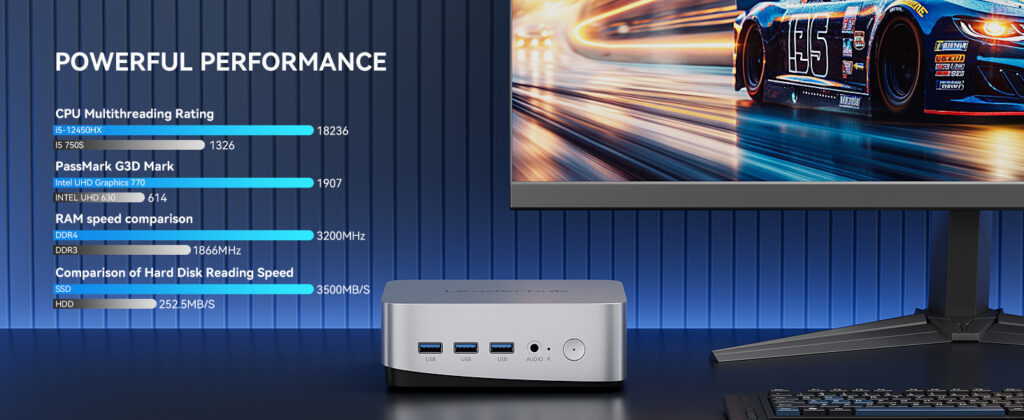
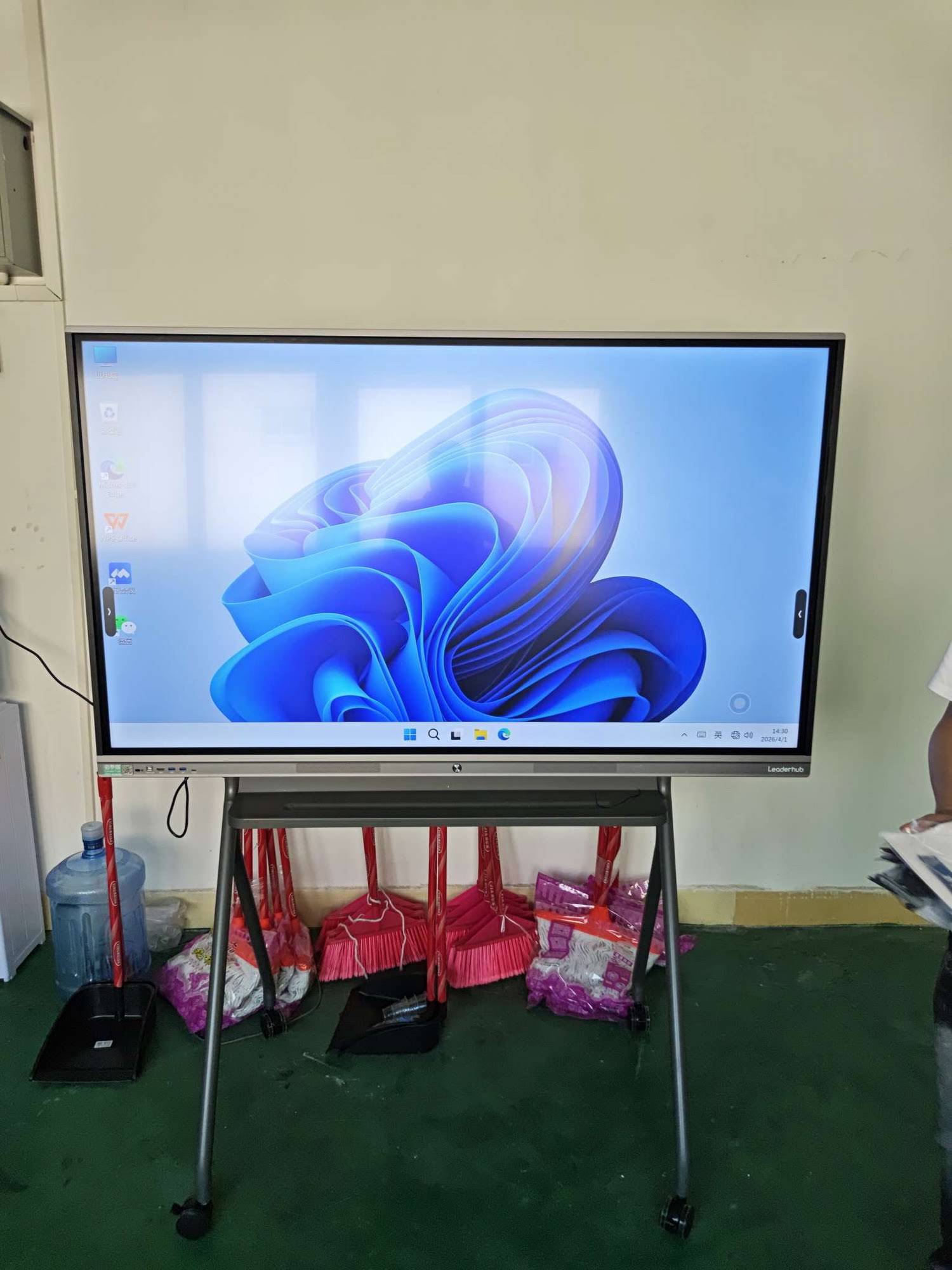
A teaching board is only as useful as its software. Verify that the Android version is current (Android 13 or 14), that whiteboard, screen-mirroring and annotation apps are pre-installed, and that the manufacturer provides firmware updates for at least three years. If your teachers rely on Windows applications, confirm that the board has an OPS slot or can be paired with a compact PC such as the Leaderhub LP5C Mini PC.
5. Durability, Warranty and Spare Parts
Classrooms are demanding environments: boards are touched hundreds of times a day, bumped by chairs and sometimes cleaned with harsh products. Ask about the panel’s rated operating hours (30,000–50,000 hours is standard), whether the glass is anti-fingerprint, and what the warranty covers. A trustworthy manufacturer offers a minimum two-year warranty and keeps spare mainboards, power supplies and touch frames in stock for five years.
6. OEM / ODM Capability
Distributors and system integrators often need their own branding, custom boot logos, localized UI languages or pre-loaded curriculum content. Confirm the manufacturer’s minimum order quantity for customization, the tooling fees for bezel changes, and the lead time for a branded sample.
7. After-Sales Support and Remote Device Management
When 200 boards are deployed across a district, IT staff need remote tools to push updates, lock settings and monitor device health. Ask whether the supplier provides a device-management platform and what the response time is for technical tickets in your time zone.
8. Communication and Export Experience
The manufacturer should have English-speaking sales engineers, experience with your country’s import documentation, and references from education projects in similar markets. Suppliers that exhibit at international trade shows such as ISE, BETT, GESS Dubai or the Canton Fair are generally more accustomed to the expectations of overseas buyers.
Technical Specification Checklist for Classroom Deployment
| Specification | Recommended Minimum | Classroom Benefit |
|---|---|---|
| Screen Size | 65″ (up to 25 students), 75″ (25–40), 86″+ (40+ or lecture hall) | Readable text from the back row |
| Resolution | 3840 × 2160 (4K UHD) | Sharp diagrams, maps and video |
| Touch Points | 20–40 simultaneous | Multiple students collaborate at once |
| Processor / Memory | Octa-core, 4GB RAM, 32GB storage (8GB/128GB preferred) | Smooth multitasking across apps |
| Connectivity | HDMI ×2+, USB-C with power delivery, Wi-Fi 6, Bluetooth 5, LAN | Works with teacher laptops and tablets |
| Audio | 2 × 15W front-facing speakers, array microphone | Clear playback and hybrid-learning calls |
| Camera | Built-in or modular 4K/1080p camera | Supports remote and blended classes |
Research published in Interactive Displays in Education suggests that the real learning gains come when displays are used for active, collaborative tasks—so multi-touch capacity and reliable software matter more than headline specs alone. The OECD’s OECD Digital Education Outlook likewise highlights teacher training and infrastructure as decisive factors in successful adoption.
Red Flags to Watch For When Sourcing from China
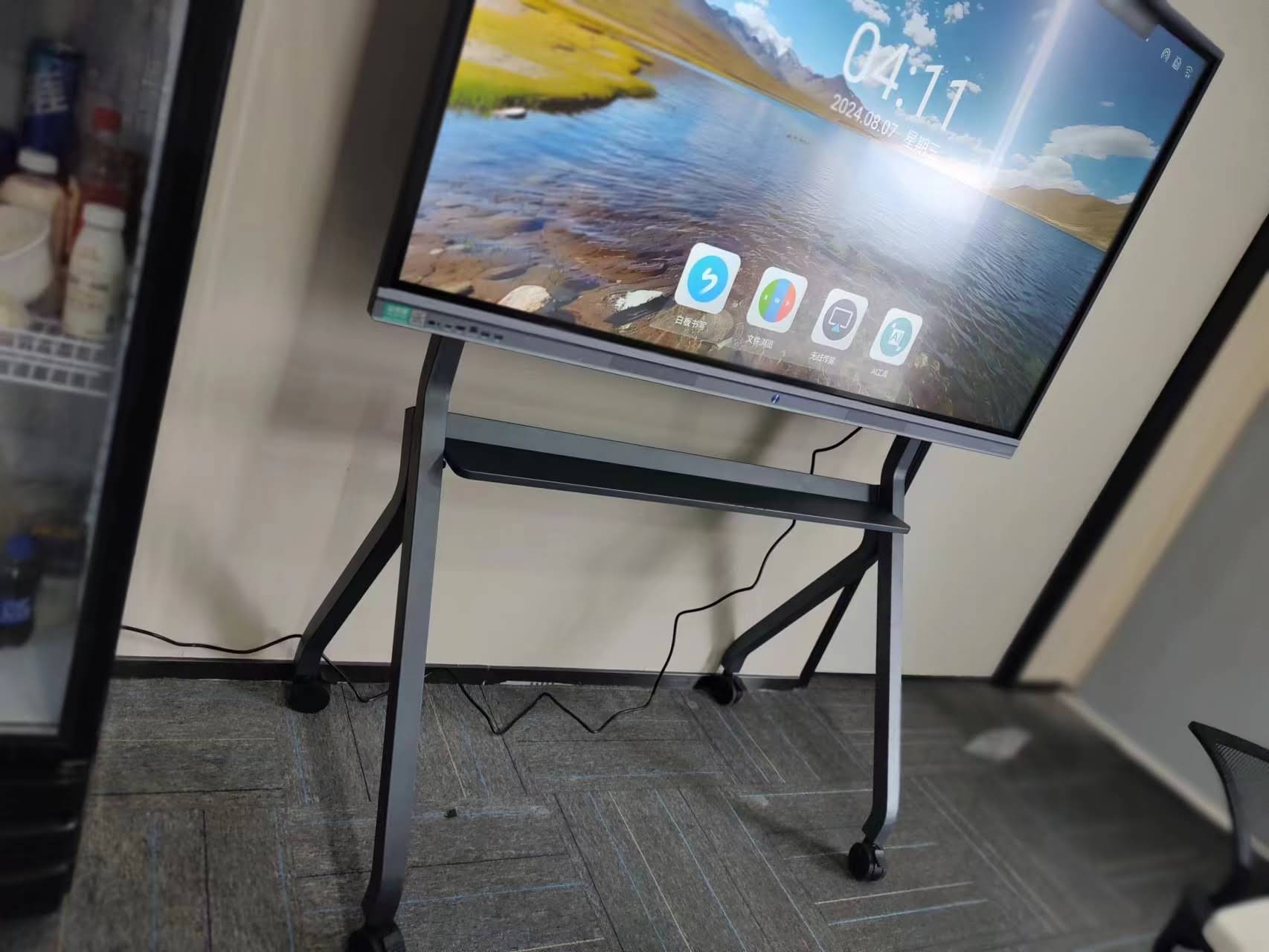
- Unrealistically low prices. A 75-inch 4K board quoted far below market average usually means a refurbished or B-grade panel, a thin touch frame or no real certification.
- Trading companies posing as factories. Not inherently bad, but be clear about who is responsible for quality control and warranty.
- Certificates that cannot be verified. Ask for the report number and the issuing lab; genuine CE or FCC reports can be cross-checked.
- No sample policy. Reliable manufacturers will ship a sample unit for evaluation before a bulk order.
- Vague software roadmap. If nobody can tell you when the next firmware release is planned, updates will likely never arrive.
Step-by-Step Procurement Process for Schools and Distributors
- Define classroom requirements. Count rooms, measure viewing distances and list the software your teachers already use.
- Shortlist three to five manufacturers. Use trade shows, verified supplier platforms and references from other schools in your region.
- Request detailed quotations. Specify size, panel grade, touch type, OS, OPS, accessories (stand, pen tray, camera) and packaging.
- Order samples. Test writing latency, glare under classroom lighting, speaker volume and wireless casting from both Android and iOS devices.
- Verify certifications and factory. Review reports and conduct a video or third-party audit.
- Negotiate terms. Clarify payment schedule, Incoterms (FOB Shenzhen or CIF your port), warranty, spare parts and training.
- Pilot deployment. Install 5–10 units in one school, gather teacher feedback, then scale.
For a practical perspective on matching display features to district needs, see this guide on Choosing an Interactive Display for K-12.
Budget Planning: What Classroom Smart Boards Cost in 2026
Pricing depends on size, panel grade and configuration. The reference points below reflect current factory-direct pricing for education-ready models and help buyers set realistic budgets before issuing a tender.
| Model | Size | Best For | Reference Price |
|---|---|---|---|
| L65ZM Interactive Whiteboard | 65″ 4K | Primary classrooms, small rooms | $1,099 |
| L75ZM Interactive Whiteboard | 75″ 4K | Standard K-12 classrooms | $1,399 |
| L86ZM Interactive Whiteboard | 86″ 4K | Large classrooms, secondary schools | $1,699 |
| L75HM Smart Whiteboard | 75″ 4K | Premium classrooms with advanced features | $1,599 |
| U55Pro Mobile Interactive Flat Panel | 55″ 4K, mobile | Shared spaces, labs, libraries | $2,499 |
| L110H Interactive Flat Panel | 110″ 4K | Lecture halls, auditoriums | $7,999 |
Remember to budget for wall mounts or mobile stands, OPS modules or mini PCs, extended warranty, freight and installation. A good rule of thumb is to add 15–25% to the hardware price for a complete classroom-ready package.
Leaderhub: A Shenzhen Manufacturer Built for Education Buyers
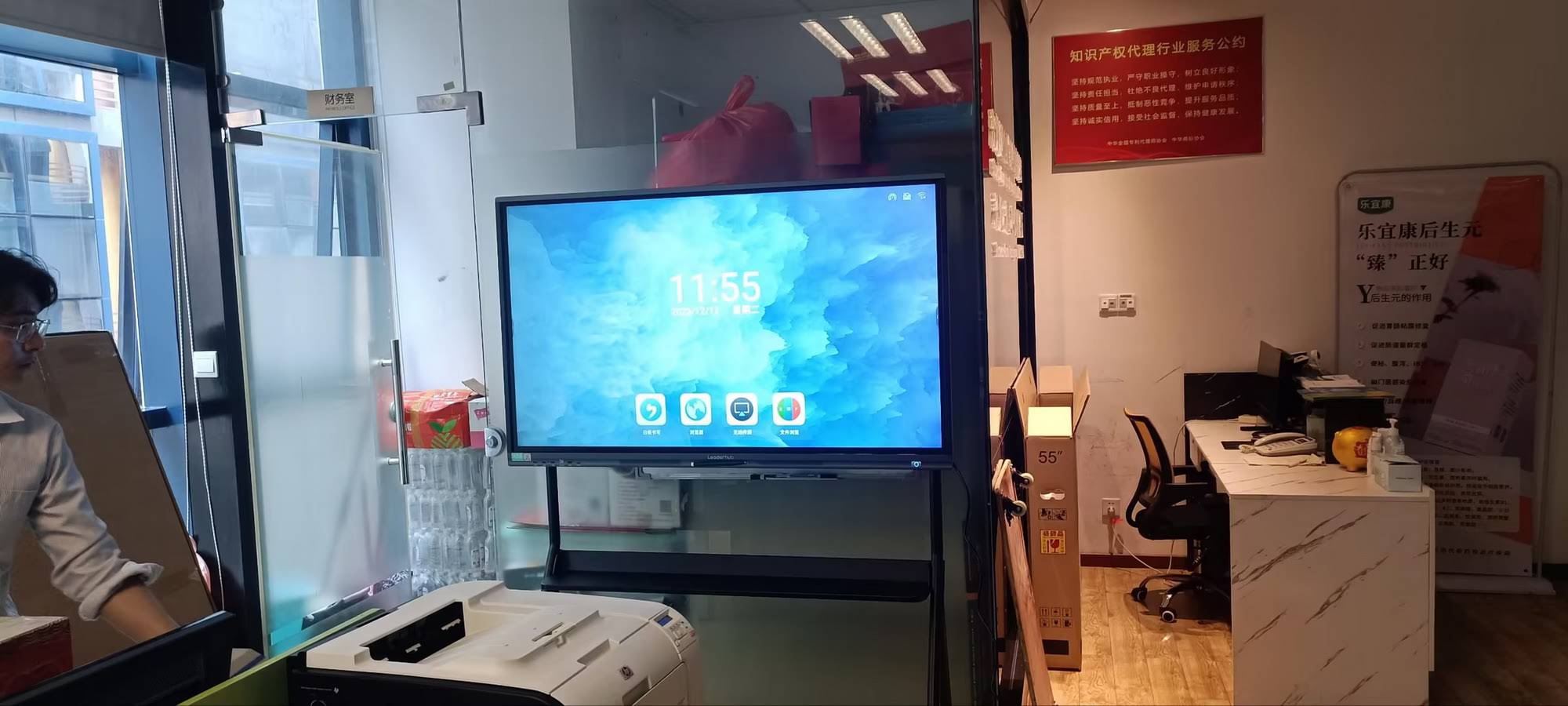
Leaderhub is a Shenzhen-based technology company with 16 years of professional experience in the interactive panel industry, specializing in smart whiteboards, interactive flat panels, mini PCs and portable smart screens, with products delivered to education, enterprise and creative customers in 82 countries worldwide. Ranked NO.1 in its JD.com subcategory and recognized as a Shenzhen Famous Brand, the company combines hardware innovation with AI to make interactive teaching technology accessible and affordable for schools of every size. Its guiding principle, “AI Changes Life”, is reflected in every product line, and the team regularly exhibits at global electronics shows where distributors and school representatives can test the boards in person and discuss OEM/ODM projects.
What Education Partners Receive
- Factory-direct pricing on 55″ to 110″ 4K interactive displays
- Android-based teaching software with wireless casting and annotation
- Optional OPS slot and compatible mini PC solutions for Windows classrooms
- OEM branding, localized UI and custom packaging for distributors
- Multi-year warranty, spare-parts availability and responsive technical support
Frequently Asked Questions
What is the typical lead time for a bulk order from a Chinese smart board manufacturer?
For standard configurations, 15–30 days after deposit is common. Customized OEM orders with new bezels or software may require 35–45 days. Sea freight to Europe or North America adds roughly four to six weeks.
What is a reasonable minimum order quantity?
Many factories accept sample orders of one to five units and set an MOQ of 20–50 units for OEM branding. Larger discounts typically begin at container quantities.
Can a Chinese manufacturer supply boards that meet EU or US school tenders?
Yes, provided the manufacturer holds the relevant CE, UKCA, FCC and UL/ETL certifications and can supply test reports. Always verify certificate numbers before signing.
Should schools choose Android-only boards or add Windows via OPS?
Android-only boards are more affordable and handle whiteboarding, browsing and casting well. Schools that depend on Windows-based curriculum software or management tools should specify an OPS slot or pair the board with a mini PC.
How do I compare quality between two factories with similar prices?
Order a sample from each, test them side by side under classroom lighting, check writing latency and glass quality, and ask for references from schools in your region. The supplier that answers technical questions precisely and quickly is usually the one that will support you after delivery.
Ready to Source Smart Teaching Boards from China?
Choosing the right smart teaching board manufacturer in China comes down to verifiable experience, certifications that match your market, classroom-grade hardware, maintained software and genuine after-sales commitment. Buyers who follow a structured process—defining needs, testing samples, auditing the factory and piloting before scaling—consistently achieve lower total cost of ownership and higher teacher satisfaction. To request samples, OEM details or a project quotation for your school or distribution network, contact the Leaderhub team or explore the full product range today.