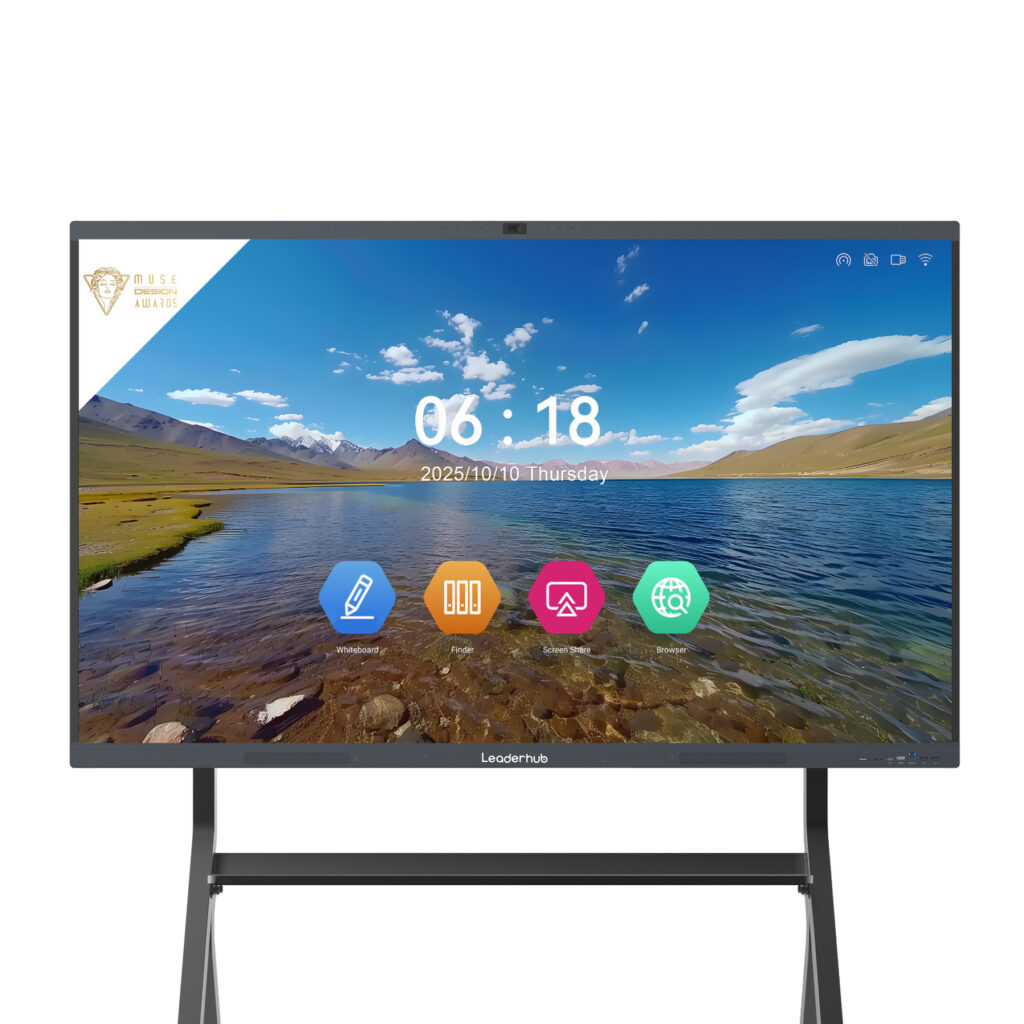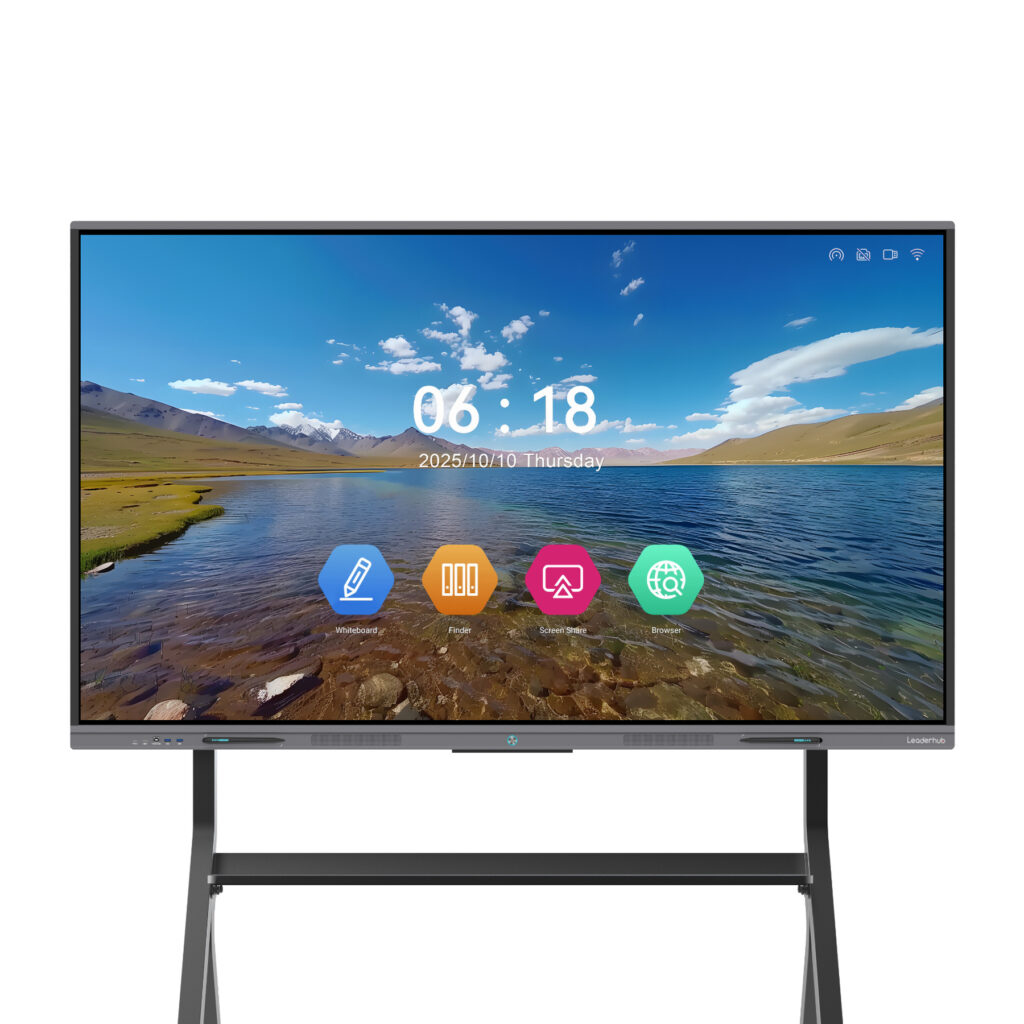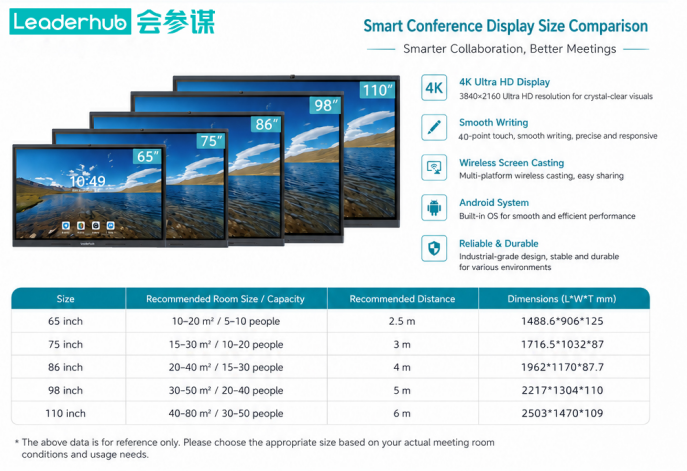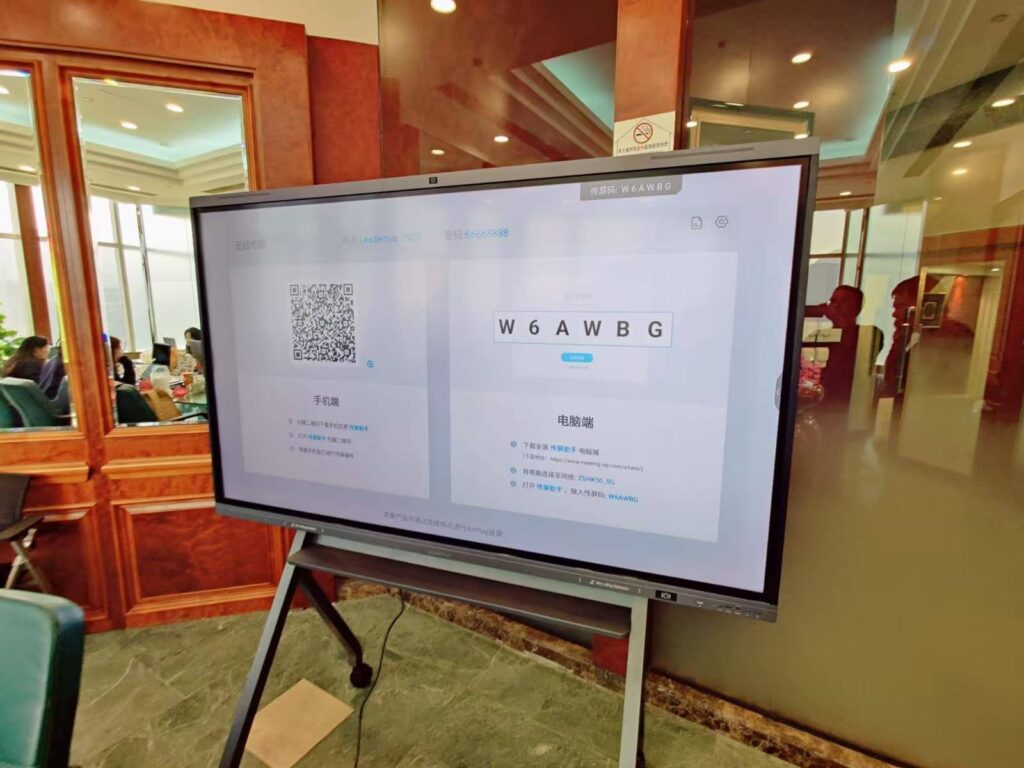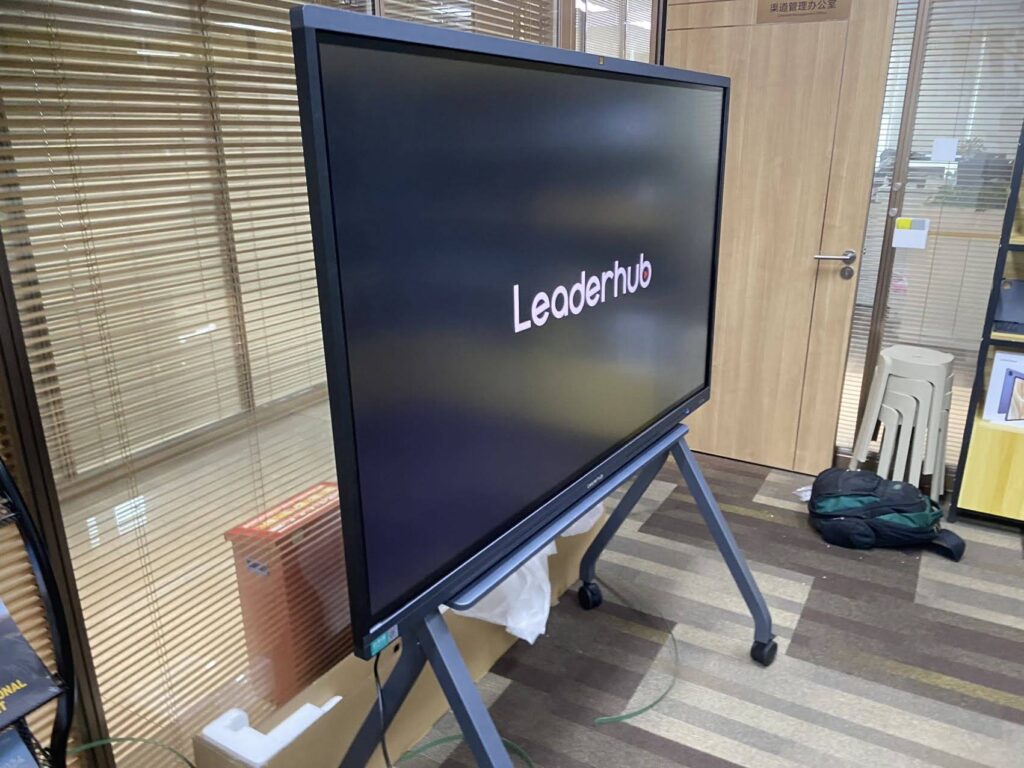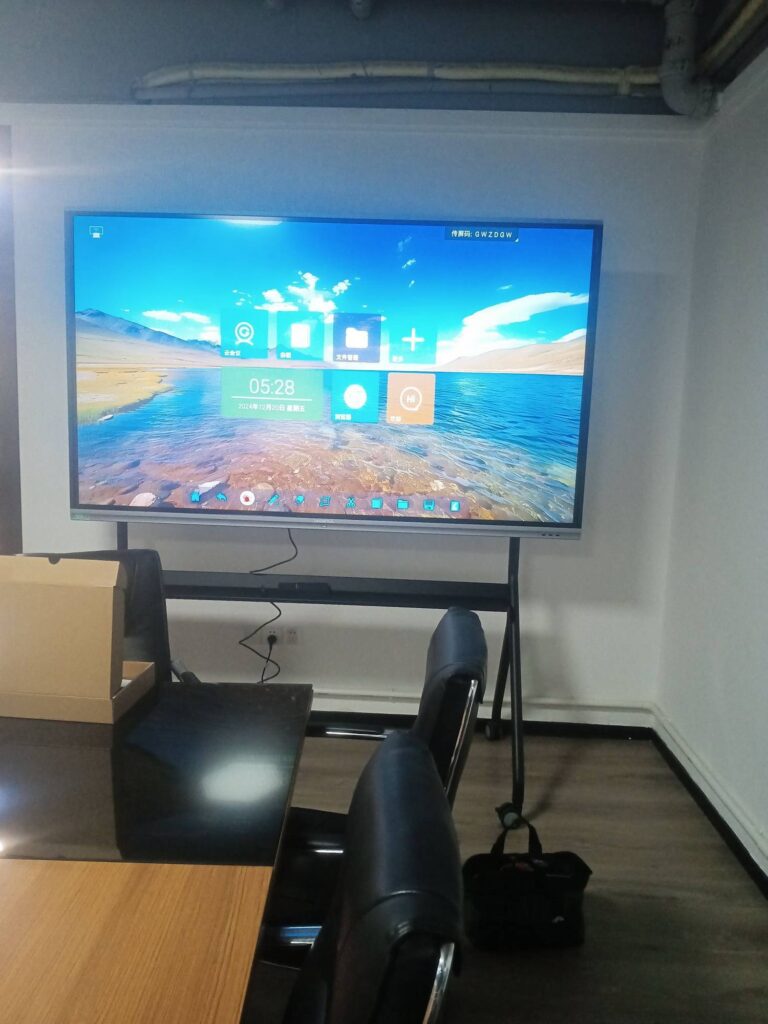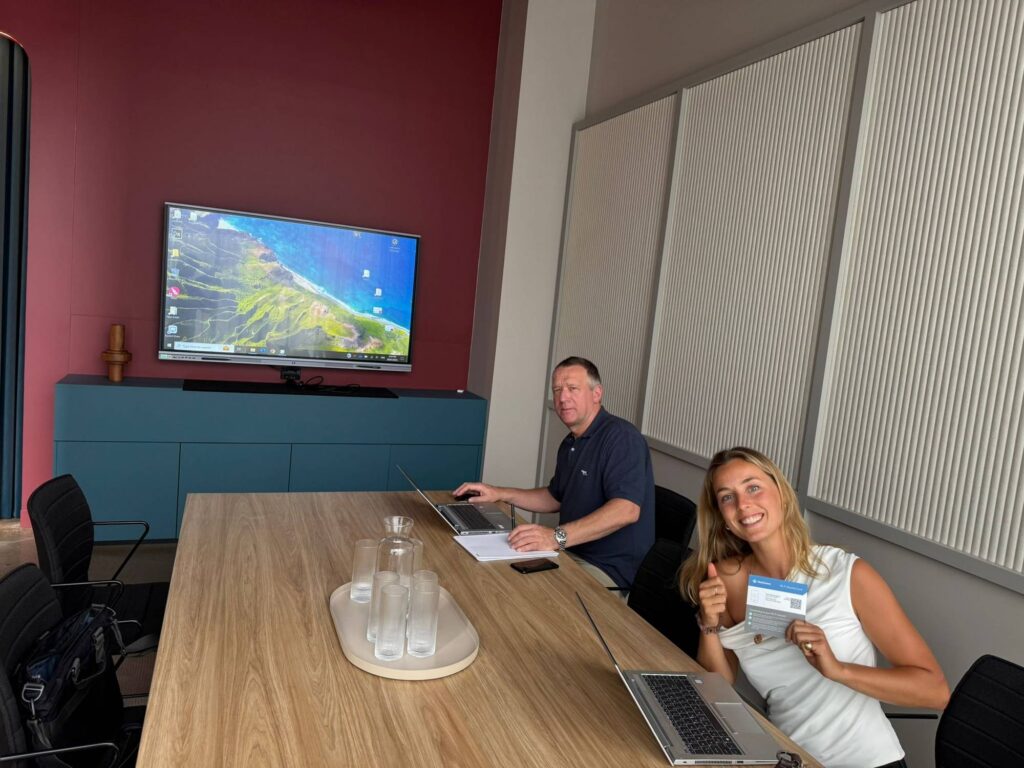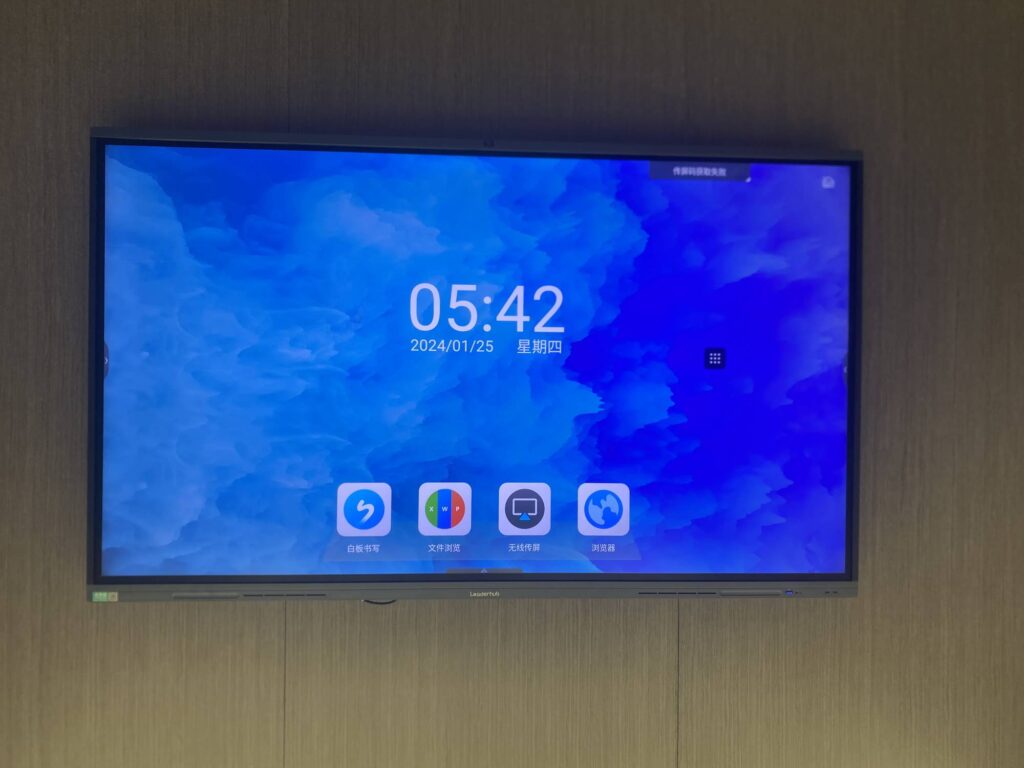
Choosing the right operating system for a smart whiteboard is one of the most overlooked yet critical decisions for schools, corporate offices, and training centers. The OS determines how smoothly your device runs apps, how easily it integrates with existing tools like Zoom or Google Workspace, and how long the hardware will remain useful before it becomes outdated. After working with interactive display deployments across education and enterprise settings for over a decade, we’ve seen firsthand how the wrong OS choice can turn a promising investment into a frustrating bottleneck.
This guide breaks down the major operating system options available on smart whiteboards today, compares their real-world performance, and helps you match the right system to your specific use case — whether that’s a classroom, a boardroom, or a creative studio.
Why the Operating System Matters More Than You Think
Many buyers focus almost entirely on screen resolution, touch accuracy, and panel size when shopping for an interactive flat panel. While these specs matter, the operating system is what dictates the daily user experience. A powerful 4K panel running on a sluggish or poorly optimized OS will still feel slow, laggy, and frustrating during live presentations.
According to a 2023 EdTech usability study covering over 500 classrooms, 68% of teacher complaints about interactive panels were related to software lag, app compatibility issues, or confusing interfaces — not hardware limitations. This data point alone underscores why the OS deserves as much scrutiny as the display specs.
The Three Main Operating System Categories
Most smart whiteboards on the market today run one of three operating system types. Understanding the strengths and limitations of each will help you narrow down your options quickly.
1. Android-Based Systems
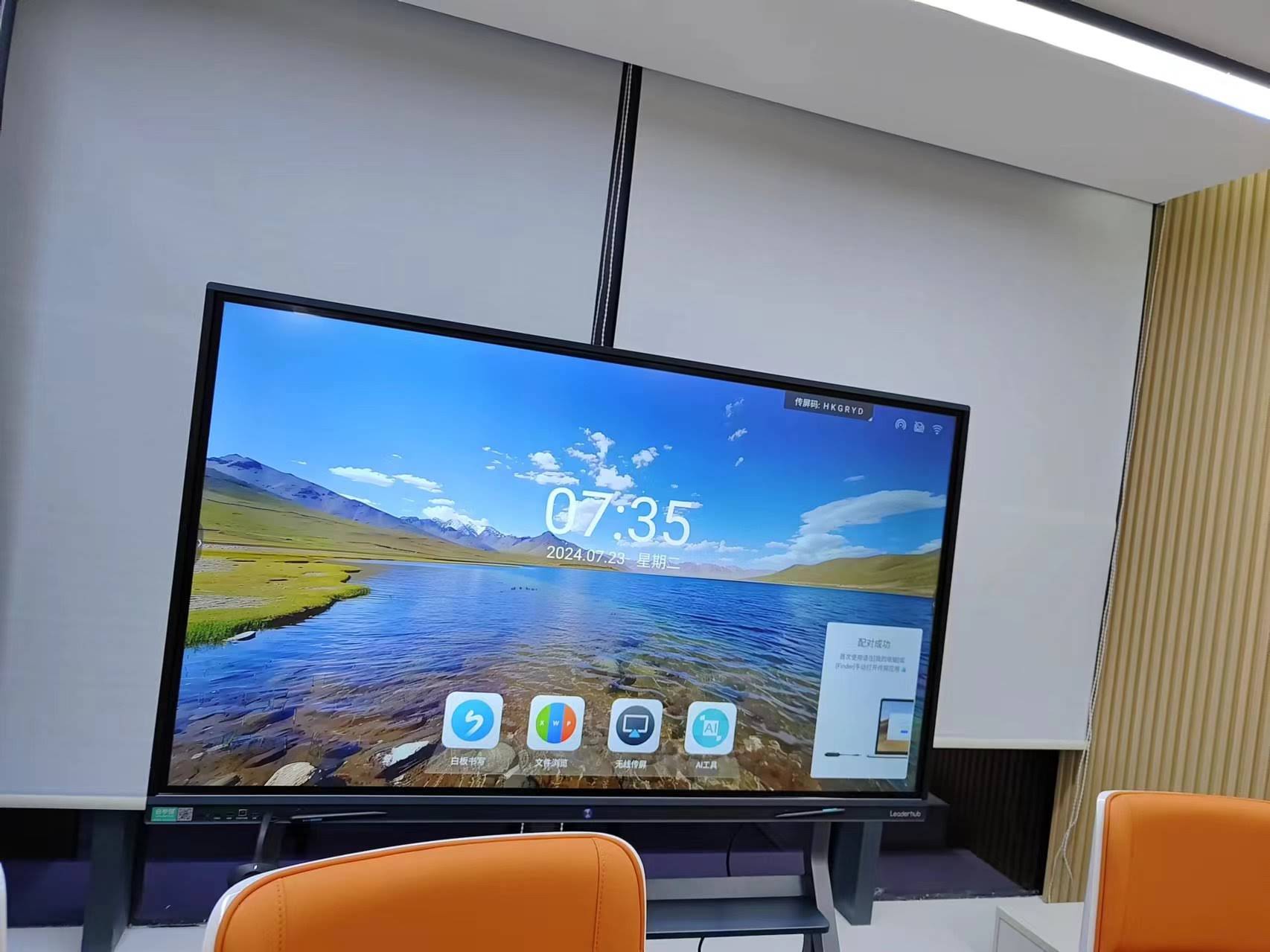
Android is by far the most common OS found in smart whiteboards and interactive flat panels, particularly in education. It’s lightweight, boots quickly, and supports a wide range of annotation, whiteboarding, and screen-mirroring apps directly from an app store.
Best for: Classrooms, training rooms, and small meeting spaces where users need quick access to note-taking, screen sharing, and basic collaboration tools without the complexity of a full desktop environment.
2. Windows-Based Systems
Windows OS (often delivered via a built-in or plug-in mini PC module) turns the whiteboard into a full computer. This is essential for organizations that rely on desktop-only software like AutoCAD, specialized ERP systems, or advanced Microsoft Office macros.
Best for: Corporate boardrooms, engineering firms, and enterprises with legacy software dependencies that cannot run on Android or web-based alternatives.
3. Dual-System (Android + Windows) Hybrid
A growing number of premium interactive panels now ship with a dual-system design — Android for quick, everyday use and a slot-in Windows mini PC for heavier workloads. Users can switch between the two with a single button press, getting the best of both worlds without buying two separate devices.
Best for: Organizations that need both simplicity and power — for example, a business that runs quick daily standups on Android but occasionally needs Windows for detailed data analysis or CAD reviews.
Key Factors to Evaluate Before You Choose
Beyond the basic OS type, several practical factors determine whether a system will actually serve your team well long-term. Here’s what our engineering and support teams recommend checking before finalizing a purchase.
| Factor | Why It Matters | What to Look For |
|---|---|---|
| Update Support | Determines security and app compatibility over time | At least 3-5 years of OTA firmware updates |
| RAM & Storage | Affects multitasking and app loading speed | 4GB+ RAM for Android, 8GB+ for Windows modules |
| App Ecosystem | Determines available whiteboard and conferencing apps | Built-in app store with education/business apps |
| Remote Management | Critical for IT teams managing multiple devices | MDM (Mobile Device Management) support |
| Cross-Platform Sync | Enables saving and sharing notes across devices | Cloud sync with mobile and desktop apps |
Matching the OS to Your Use Case
Different environments have very different software demands. Here’s a practical breakdown based on real deployment scenarios we’ve observed across our 82-country customer base.
- K-12 Classrooms: Android-based systems with pre-loaded lesson tools, screen annotation, and easy screen mirroring from student tablets are typically sufficient and reduce IT maintenance overhead.
- University Lecture Halls: A dual-system setup allows professors to run Android for quick annotations and switch to Windows for statistical software, MATLAB, or specialized research tools.
- Corporate Meeting Rooms: Windows-based or dual-system panels integrate better with enterprise tools like Microsoft Teams, SAP, and internal CRM dashboards.
- Creative Studios & Design Firms: Full Windows systems are almost always necessary to run Adobe Creative Suite, CAD software, and 3D rendering tools.
- Training Centers & Co-working Spaces: Android systems with cloud whiteboard apps offer flexibility for rotating users without requiring individual logins.
Common Mistakes to Avoid
Based on support tickets and field feedback collected over the years, here are the most frequent mistakes organizations make when selecting an OS for their interactive display:
Ignoring Long-Term Software Support
Some budget devices run heavily modified Android versions that stop receiving updates within a year or two, leaving the device vulnerable to security issues and app incompatibility. Always confirm the manufacturer’s update policy before purchasing.
Overpaying for Windows When It Isn’t Needed
Not every meeting room needs a full Windows environment. If your team primarily uses cloud-based tools like Google Workspace or Slack, a well-optimized Android system will run faster and cost significantly less to maintain.
Underestimating IT Management Needs
For organizations deploying more than five panels across multiple rooms or campuses, remote device management capability is non-negotiable. Without it, IT staff must physically visit each unit for updates, troubleshooting, and configuration changes.
How LeaderHub Approaches OS Design
At LeaderHub, a Shenzhen-based interactive display manufacturer with 16 years of industry experience serving 82 countries, our engineering team designs each product line with a specific use case in mind. Our Android-based panels are optimized for fast boot times and pre-loaded with education and business collaboration apps, while our dual-system models allow seamless switching for users who need occasional access to Windows-only software. This approach has helped us maintain a NO.1 ranking in our JD.com product subcategory and earn recognition as an Annual Most Invested-Value Brand.
Frequently Asked Questions
Can I upgrade the operating system on my smart whiteboard later?
In most cases, Android systems receive OTA (over-the-air) firmware updates rather than full OS upgrades. If you anticipate needing Windows capability in the future, it’s more reliable to choose a dual-system panel from the start rather than hoping for a hardware-level upgrade path later.
Is Android secure enough for business use?
Modern business-grade Android implementations on interactive panels typically include enterprise security features such as app whitelisting, remote wipe, and encrypted local storage — making them suitable for most corporate environments, though highly regulated industries may still prefer Windows for compliance reasons.
Does a dual-system panel cost significantly more?
Dual-system panels generally cost 20-30% more than Android-only equivalents due to the added Windows mini PC module, but they eliminate the need to purchase separate devices for different tasks, often resulting in long-term savings for mixed-use environments.
Final Thoughts
Selecting the right operating system for your smart whiteboard isn’t just a technical checkbox — it directly shapes daily usability, IT workload, and how well the device fits your team’s actual workflow. Start by mapping out your primary use cases, check the manufacturer’s long-term update commitments, and don’t be afraid to prioritize simplicity over raw processing power if your needs are straightforward. For organizations balancing multiple software requirements, a dual-system solution often delivers the most practical long-term value.
Explore LeaderHub’s full range of interactive flat panels and mini PC modules to find the operating system configuration that best matches your classroom, boardroom, or studio needs.