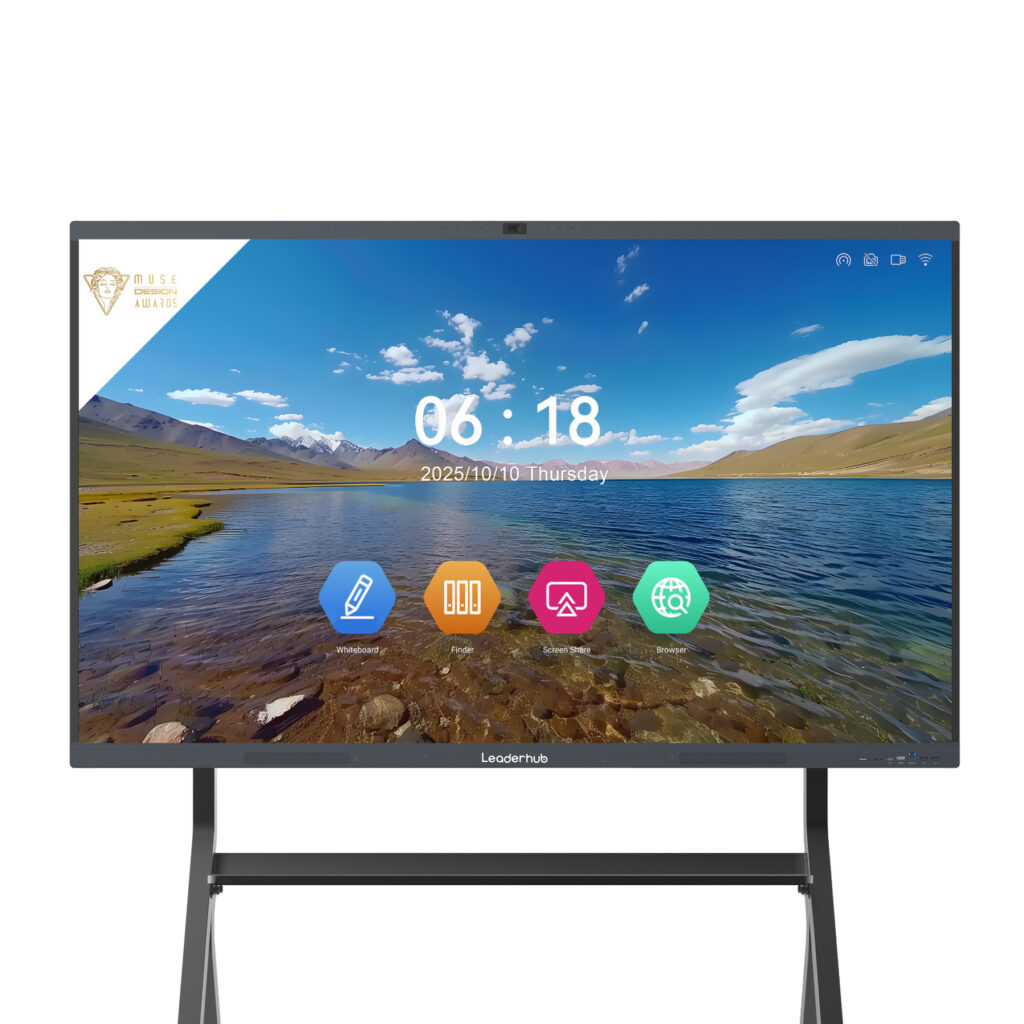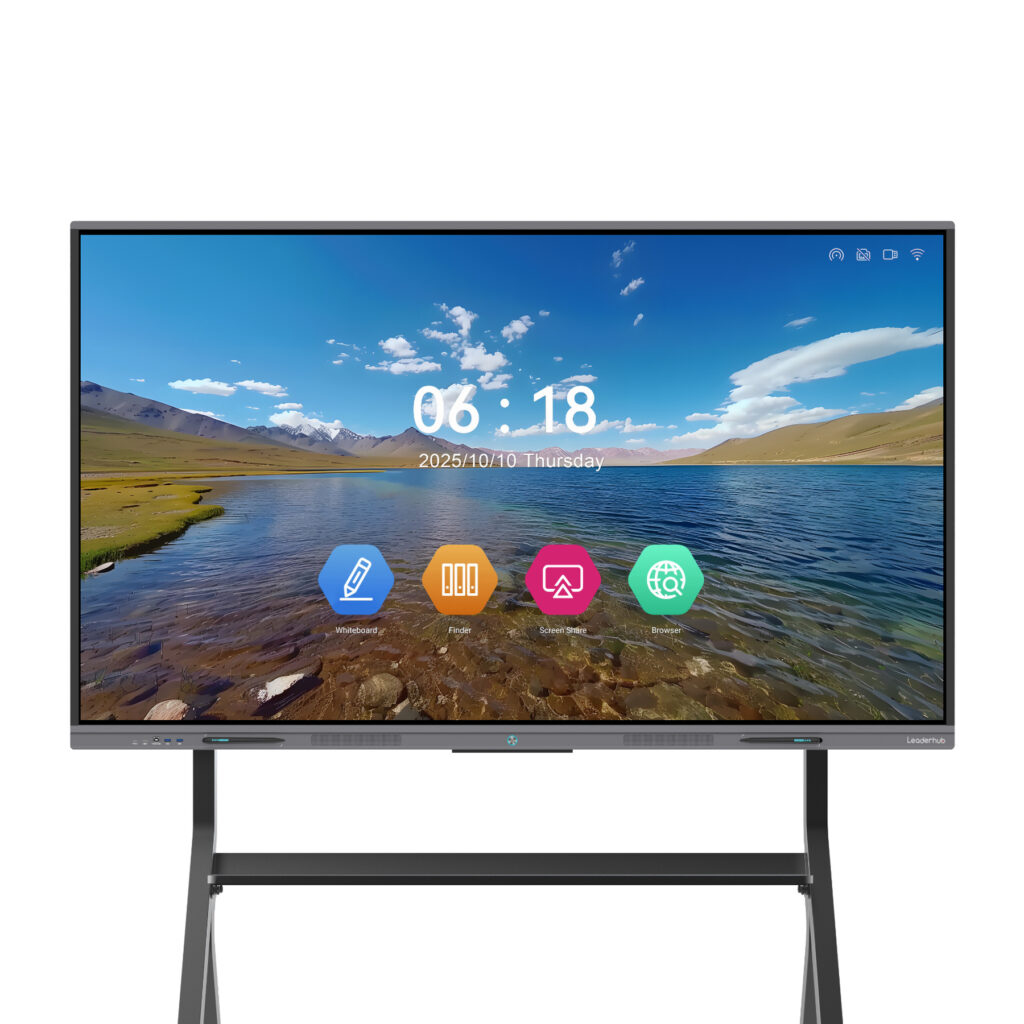
Choosing the right interactive smart whiteboard for your classroom, boardroom, or training center can feel overwhelming. With dozens of brands, screen sizes, and connectivity options on the market, it’s easy to get lost in technical jargon. This guide breaks down exactly what matters when evaluating wireless screen sharing capabilities, touch performance, and long-term value — so you can make a confident, informed purchase.
Over the past decade, interactive displays have moved from “nice-to-have” office gadgets to essential collaboration tools. According to a 2023 EdTech industry survey, over 68% of schools in North America and Europe now use some form of interactive flat panel in daily instruction, while corporate adoption of smart boards for hybrid meetings has grown by more than 40% year-over-year. This shift makes understanding wireless sharing technology more important than ever.
Why Wireless Screen Sharing Matters
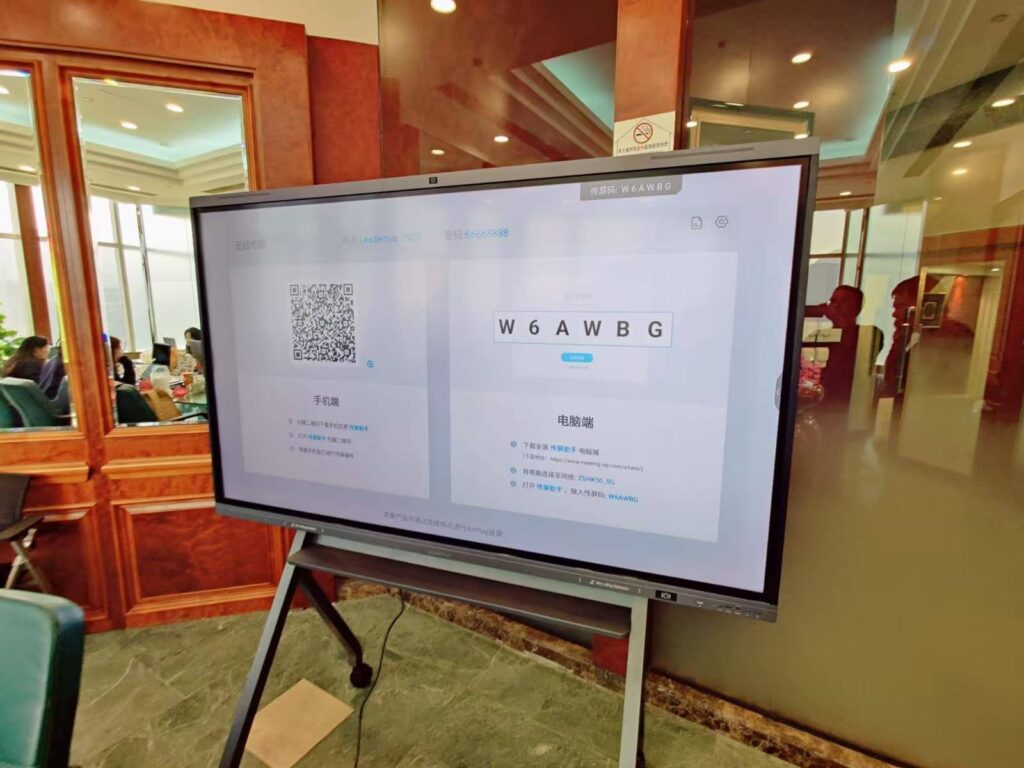
Traditional whiteboards required HDMI cables, adapters, and constant troubleshooting. Modern wireless screen sharing eliminates that friction entirely. Instead of hunting for the right cable, presenters simply connect via Wi-Fi, Bluetooth, or a dedicated app — often within seconds. This is particularly valuable in fast-paced business environments where meeting time is limited and every minute counts.
From our experience working with schools and enterprises across 82 countries, the most common pain point customers report before upgrading is “cable chaos” — multiple presenters, multiple devices, and no consistent way to connect quickly. A reliable wireless casting system solves this problem instantly and improves meeting flow.
Key Features to Evaluate Before Buying
Not all wireless whiteboards are created equal. Below is a practical comparison of the features that separate premium interactive panels from budget alternatives.
| Feature | Why It Matters | What to Look For |
|---|---|---|
| Wireless Casting Protocol | Determines cross-platform compatibility | Supports iOS, Android, Windows & Mac simultaneously |
| Touch Accuracy | Affects writing and annotation experience | Infrared or capacitive multi-touch, 20+ points |
| Display Resolution | Impacts clarity for text, charts, and video | 4K UHD minimum for panels 55″ and above |
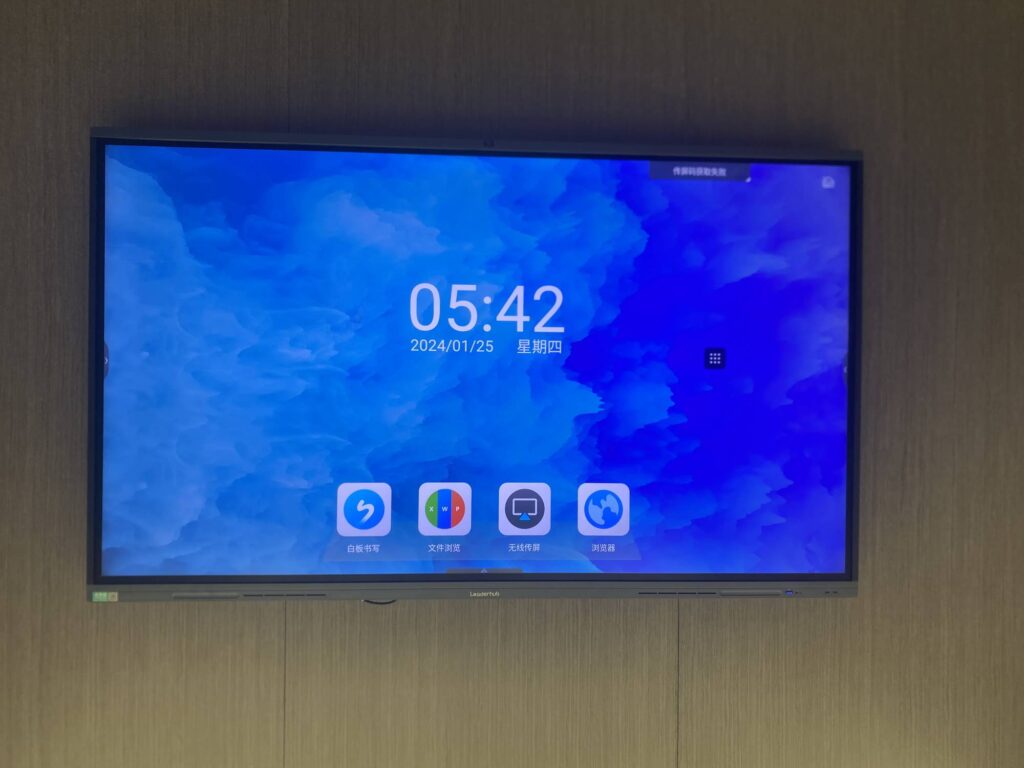
| Built-in OS & Apps | Enables use without an external PC | Android 11+ with whiteboard, browser, and file tools |
| Multi-Device Split Screen | Supports collaborative sessions | At least 4-way split screen sharing |
Display Quality and Touch Technology
A whiteboard is only as good as its screen. For classrooms and conference rooms with mixed lighting, an anti-glare 4K panel with wide viewing angles ensures content remains legible from any seat. Infrared touch technology remains the industry standard for durability and precision, offering smooth handwriting recognition that mimics pen-on-paper feel.
When our engineering team tested multiple 65″ to 86″ panels in real classroom settings, models with 20-point multi-touch infrared sensors consistently outperformed cheaper resistive-touch alternatives in responsiveness and long-term reliability — especially in high-traffic environments like schools where boards are used 6+ hours daily.
Compatibility: The Feature Most Buyers Overlook
Before purchasing, confirm the device supports the operating systems your team actually uses. A board that only casts from Android devices will frustrate an office full of Mac users. Look for panels offering:
- Cross-platform casting — Windows, macOS, iOS, and Android support
- No-app wireless connection — QR code or Wi-Fi Direct pairing
- Built-in mini PC compatibility — for offices that prefer a dedicated OPS computer module
- Video conferencing integration — Zoom, Teams, and Google Meet compatibility out of the box
Education Use Case
In classrooms, wireless sharing allows teachers to walk freely while controlling the lesson from a tablet, and lets students present group work directly from their own devices. This reduces class transition time and increases engagement — a factor increasingly emphasized in modern pedagogy research.
Business Use Case
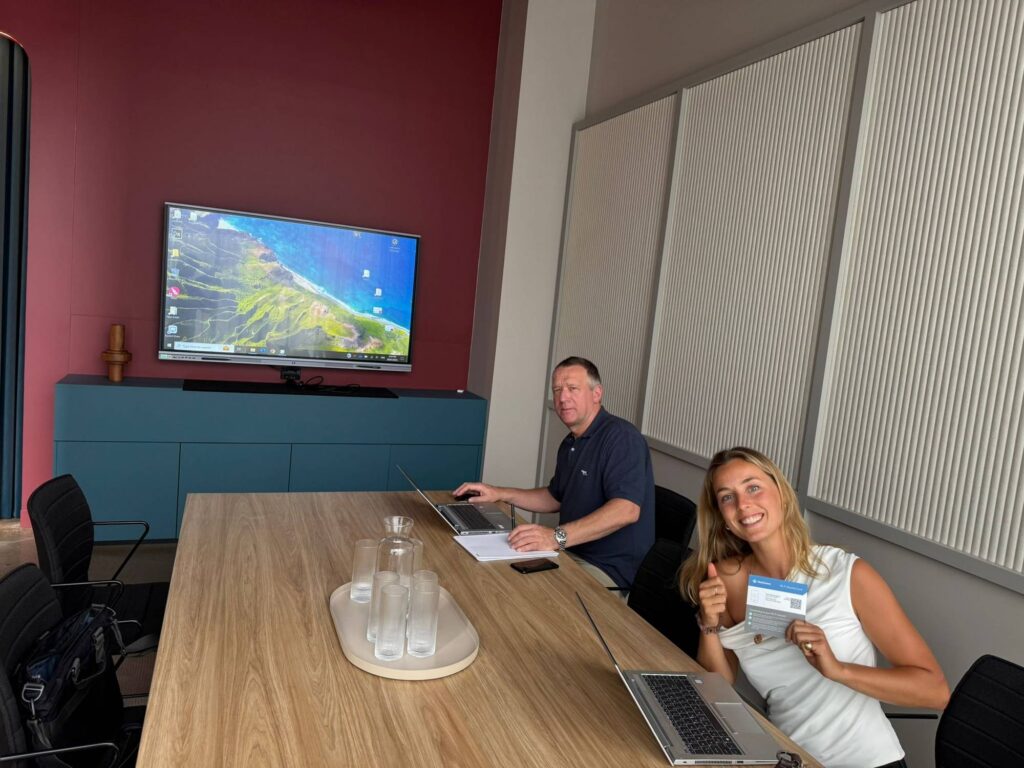
In corporate settings, wireless smart boards streamline hybrid meetings. Multiple stakeholders can share screens side-by-side for real-time comparison, which is particularly useful during design reviews, financial reporting, or sales presentations.
Recommended Products for Different Needs
Based on real deployment feedback from schools and enterprises, here are configurations that consistently deliver strong performance:
For Classrooms & Training Rooms
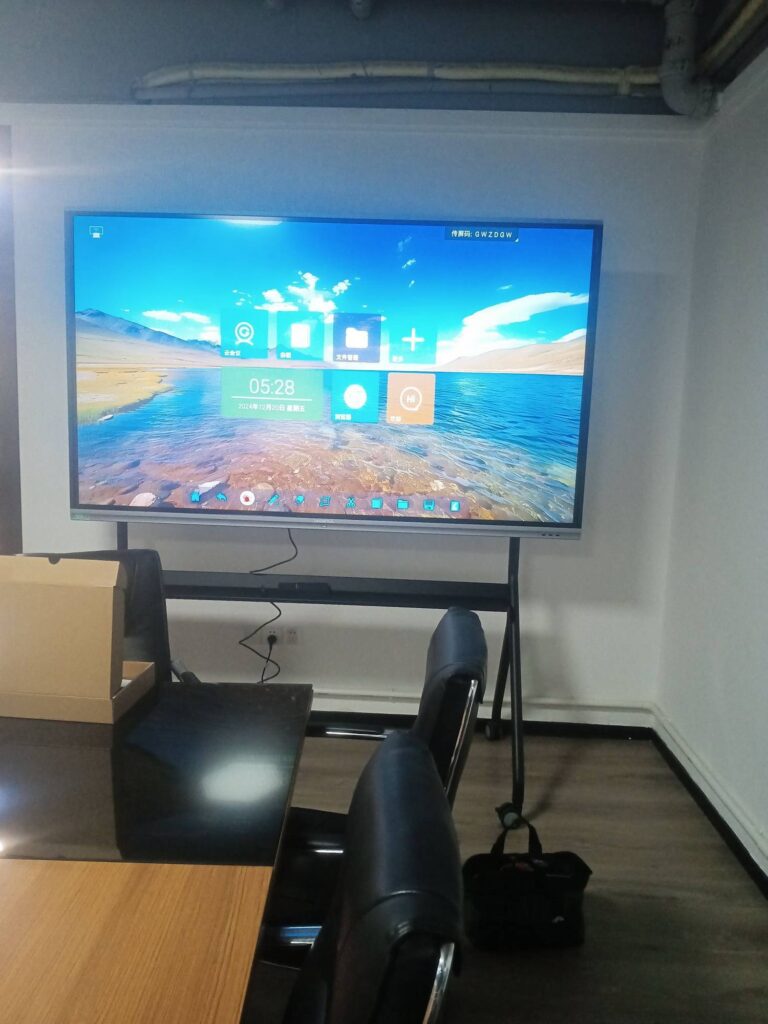
The LeaderHub L75HM Interactive Smart Whiteboard offers a 75″ 4K touchscreen with robust wireless casting — ideal for mid-sized classrooms and lecture halls.
For Executive Boardrooms
For larger conference spaces, the LeaderHub L86HM 86″ 4K Interactive Whiteboard provides ample screen real estate for multi-participant presentations and data visualization.
For Mobile Presentations
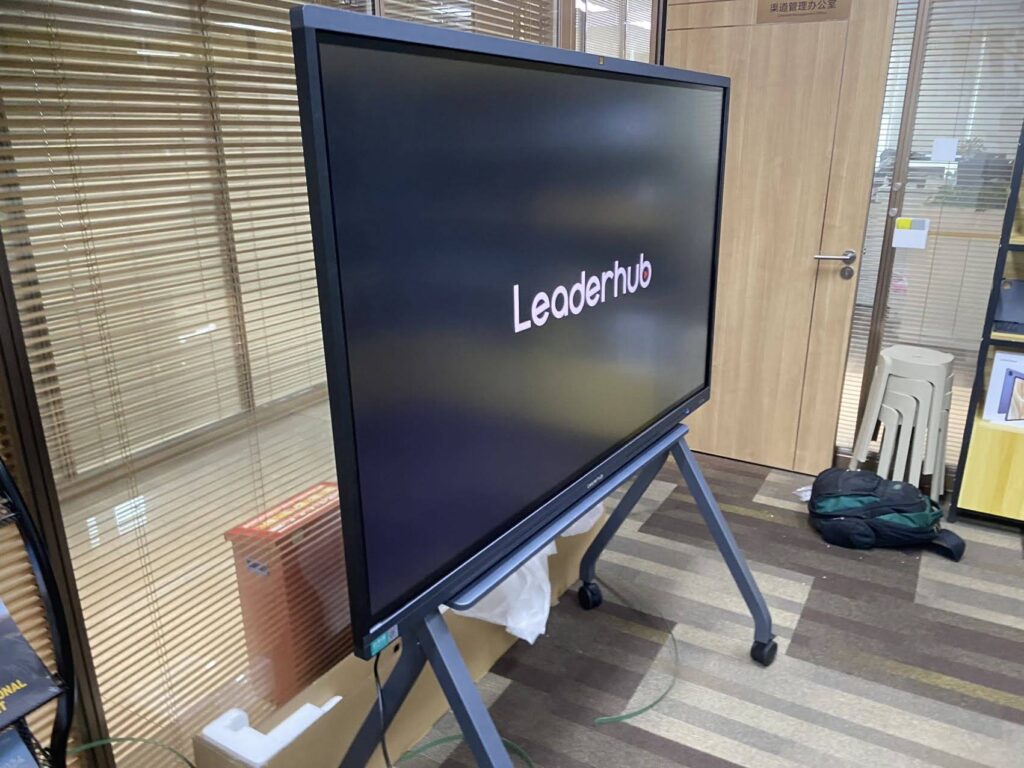
Teams needing portability should consider the LeaderHub U55Pro Mobile 4K Smart Display, which combines a rolling stand with full wireless sharing functionality — perfect for training sessions across multiple rooms.
For Compact Meeting Spaces
Smaller huddle rooms benefit from the LeaderHub L65ZM 65″ 4K Smart Panel, delivering excellent value without sacrificing display quality.
Step-by-Step Buying Checklist
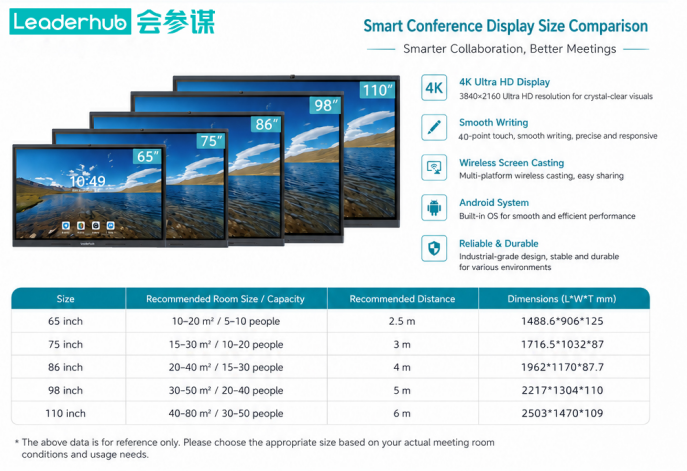
- Determine room size and required screen dimensions (55″–86″ covers most use cases)
- Confirm wireless casting supports all devices used by your team or students
- Check touch technology — prioritize infrared multi-touch for durability
- Verify built-in OS features (whiteboard app, browser, file manager)
- Assess warranty length and after-sales support availability
- Request a live demo or trial before large-volume purchases
Common Mistakes to Avoid
Many organizations make purchasing decisions based solely on price, overlooking long-term maintenance costs. A cheaper panel with poor touch calibration or unreliable wireless connectivity often leads to higher total cost of ownership due to frequent troubleshooting and reduced productivity. Always request specification sheets and, where possible, test the wireless sharing feature with your own devices before committing.
Expert Insight
Industry analysts from Futuresource Consulting note that panels supporting native Miracast, AirPlay, and Chromecast protocols simultaneously tend to have the lowest support-ticket rates in enterprise deployments. This aligns with our own field data collected from partners in the education and government sectors across Asia, Europe, and North America.
Why Manufacturer Experience Matters
LeaderHub, a Shenzhen-based technology company with 16 years of experience in the interactive panel industry, has delivered smart whiteboards, mini PCs, and portable smart screens to 82 countries worldwide. This depth of manufacturing and R&D experience translates directly into more stable firmware, better touch calibration, and stronger wireless performance — factors that matter far more once a device is in daily use than they appear on a spec sheet.
Final Thoughts
Selecting the best interactive smart whiteboard with wireless screen sharing comes down to matching your room size, device ecosystem, and usage frequency with a panel that offers reliable, cross-platform connectivity. Prioritize infrared touch accuracy, 4K resolution, and verified multi-device casting support over marketing claims alone. Testing a unit in your actual environment — whether a classroom or boardroom — remains the single best way to confirm performance before purchase.
With the right combination of hardware quality and wireless technology, an interactive whiteboard can transform how your team communicates, collaborates, and presents ideas — making every session more productive and engaging.