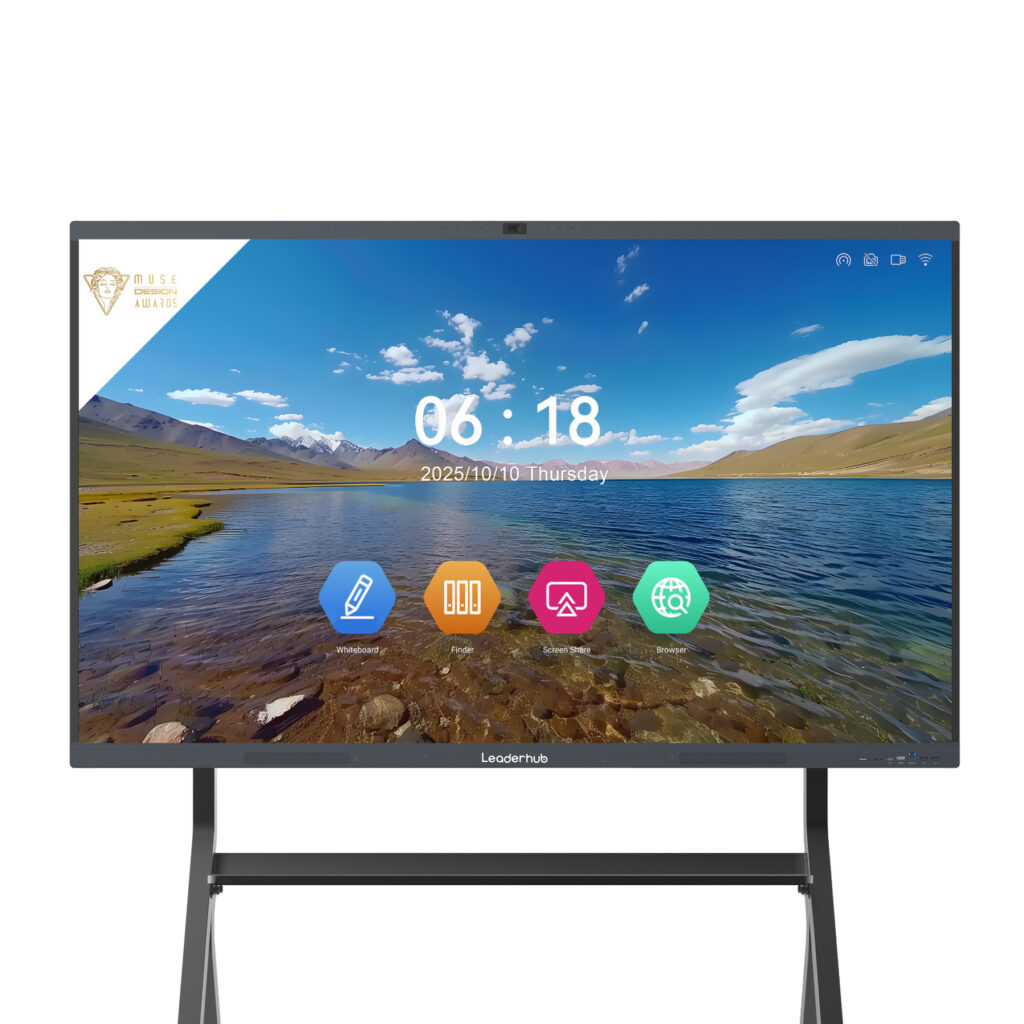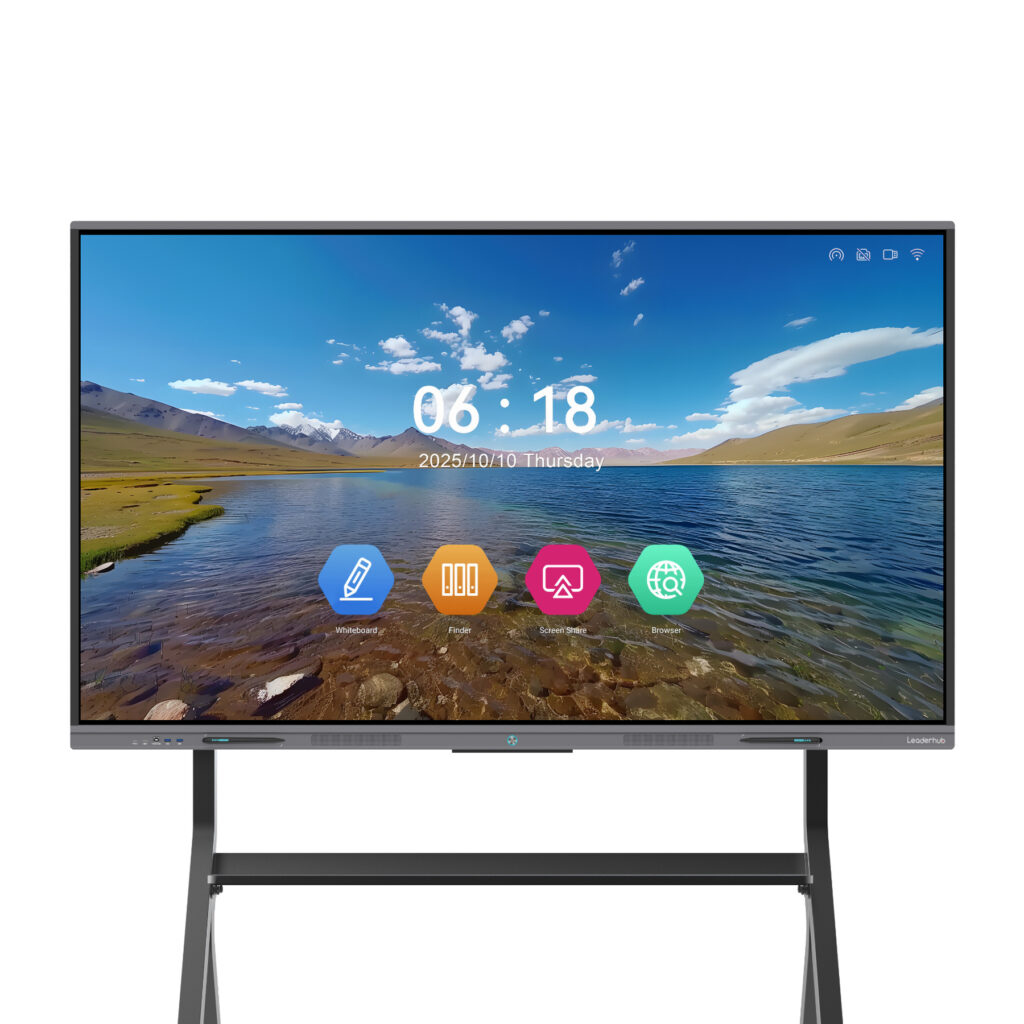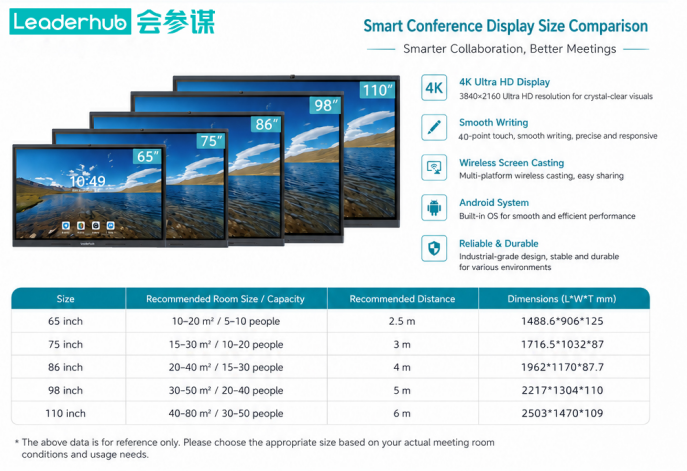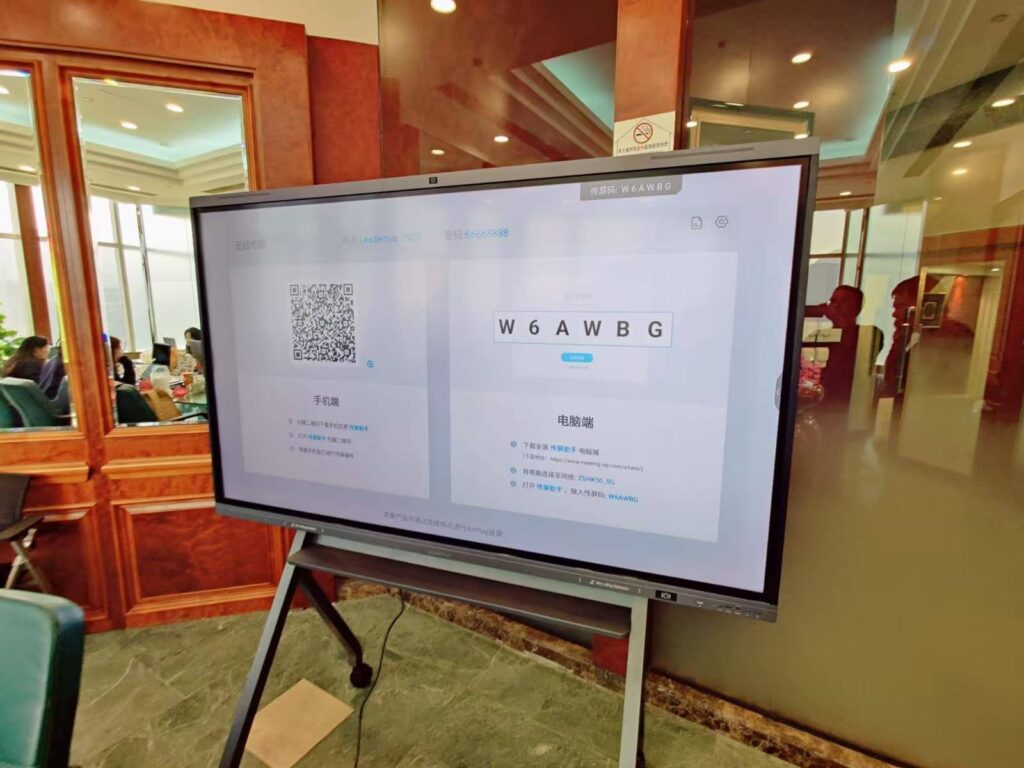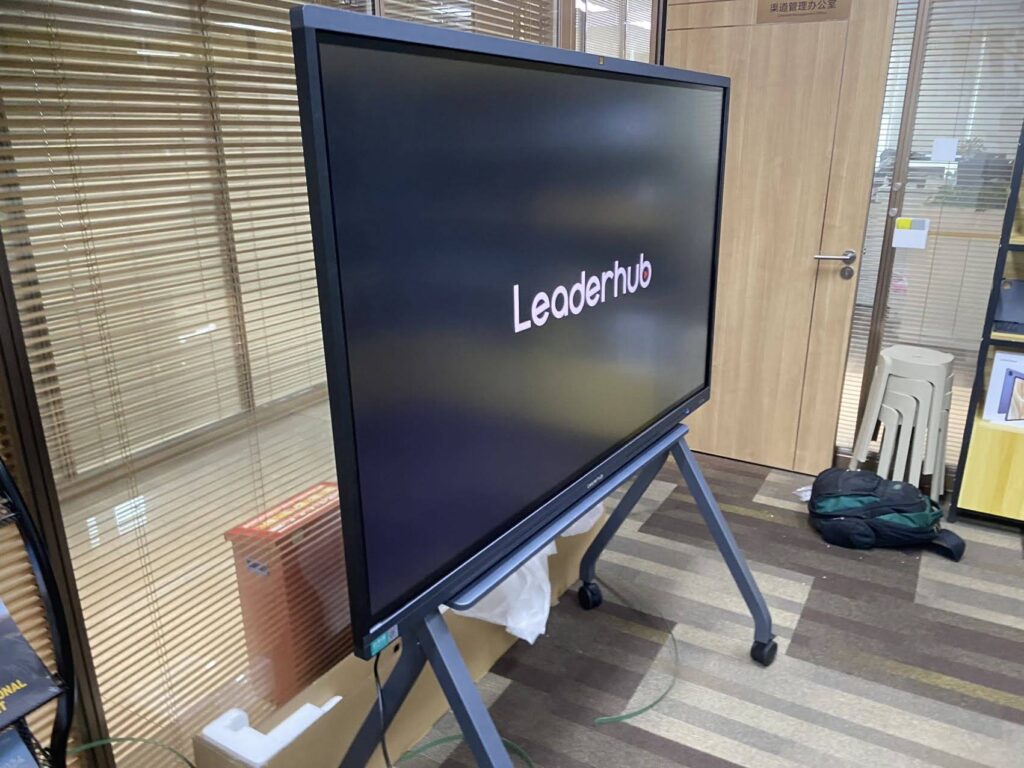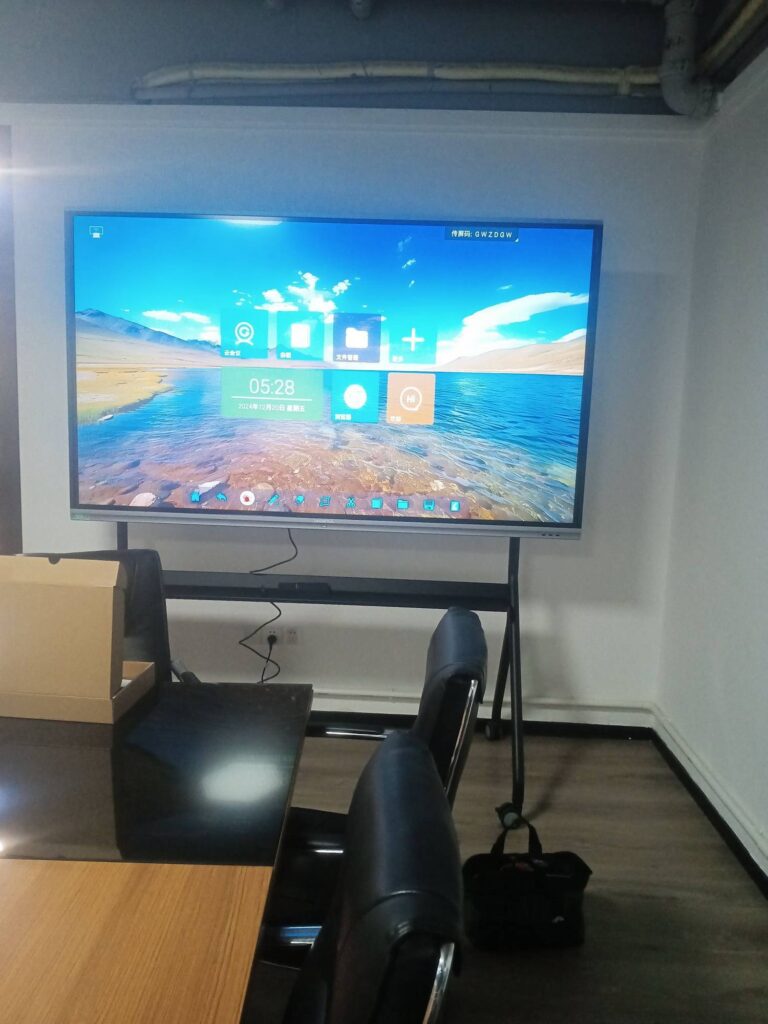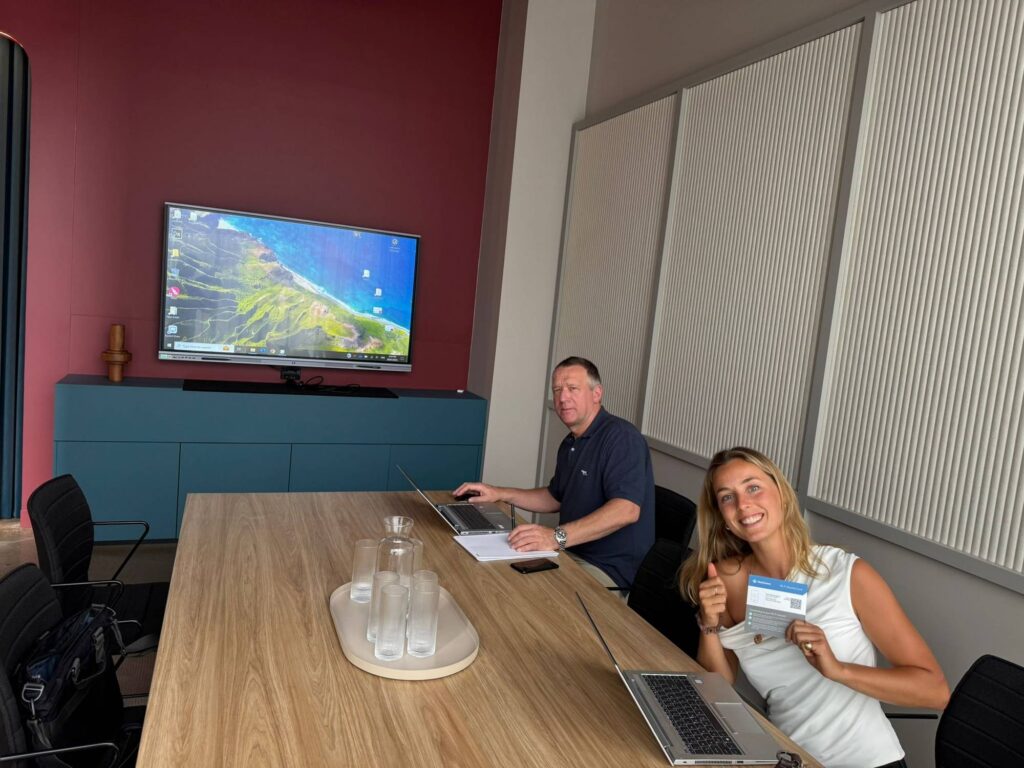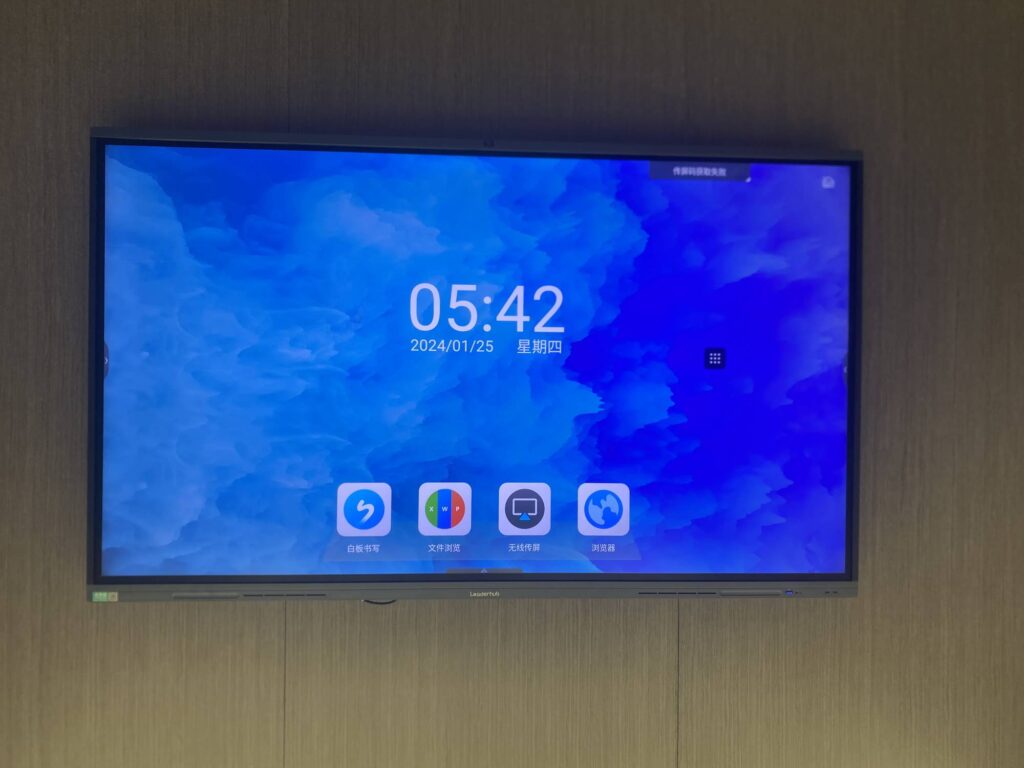
Smart boards have transformed classrooms and meeting rooms worldwide, offering interactive displays that enhance collaboration and engagement. Whether you’re an educator planning a technology upgrade or a business professional evaluating conference room solutions, understanding smart board pricing helps you make informed purchasing decisions. This comprehensive guide explores current market prices, essential features, and practical buying considerations to help you choose the right interactive display for your needs.
Understanding Smart Board Technology and Market Positioning
Smart boards, also known as interactive flat panels or interactive whiteboards, combine touch-screen technology with computing power to create dynamic presentation and collaboration environments. The market offers diverse options ranging from basic displays to AI-powered collaboration platforms.
Modern smart boards integrate high-resolution displays, multi-touch capabilities, wireless connectivity, and built-in software platforms. Leading manufacturers like LeaderHub have developed comprehensive product lines serving education, corporate, and government sectors across more than 82 countries, bringing over 16 years of interactive display expertise to global markets.
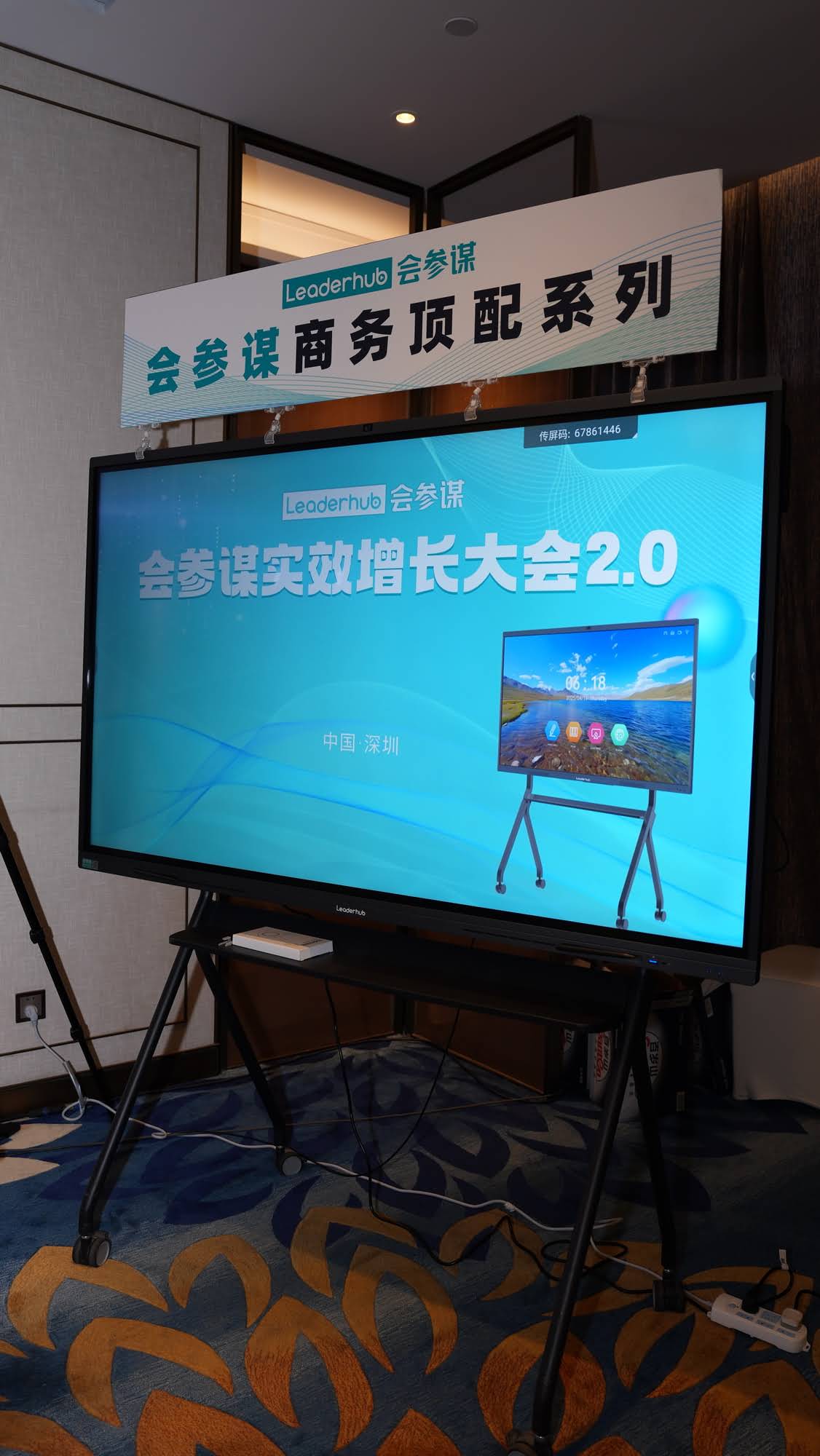
Smart Board Price Ranges: What to Expect in 2024-2025
Smart board prices vary significantly based on screen size, technology specifications, brand positioning, and feature sets. Understanding these price tiers helps align your budget with functional requirements.
Entry-Level Smart Boards ($800-$2,000)
Entry-level interactive displays typically range from 55 to 65 inches and offer fundamental touch functionality suitable for small classrooms or huddle rooms. These models include:
- Basic 10-point multi-touch capability
- 1080p Full HD resolution
- Limited built-in software options
- Standard connectivity (HDMI, USB)
- Android-based operating systems
While these boards provide essential interactive functionality, they may lack advanced features like AI-powered collaboration tools, extensive app ecosystems, or premium display technologies. They work well for organizations testing interactive technology or working within tight budget constraints.
Mid-Range Smart Boards ($2,000-$5,000)
Mid-range models represent the sweet spot for most educational institutions and small-to-medium businesses. These 65 to 75-inch displays deliver balanced performance and feature sets:
- 20-point multi-touch with palm rejection
- 4K Ultra HD resolution (3840¡Á2160)
- Built-in annotation and collaboration software
- Wireless screen sharing capabilities
- Enhanced audio systems with front-facing speakers
- Cloud integration and content management
These systems provide professional-grade performance for standard classroom sizes and medium conference rooms. The improved display quality and expanded feature sets justify the increased investment for organizations prioritizing long-term value.
Premium Smart Boards ($5,000-$10,000+)
Premium interactive flat panels target large venues, executive boardrooms, and institutions requiring cutting-edge technology. Screen sizes range from 75 to 98 inches, with specifications including:
- 40-point simultaneous touch recognition
- 4K or 8K resolution with HDR support
- Advanced AI-powered features and gesture recognition
- Integrated cameras and microphone arrays for video conferencing
- Premium anti-glare and eye-care display coatings
- Enterprise-grade security and management platforms
- Extended warranties and dedicated technical support
Organizations investing in premium models gain future-proof technology designed for intensive daily use and sophisticated collaboration scenarios.
| Price Range | Screen Size | Resolution | Best For |
|---|---|---|---|
| $800-$2,000 | 55-65 inches | 1080p Full HD | Small rooms, budget-conscious buyers |
| $2,000-$5,000 | 65-75 inches | 4K Ultra HD | Standard classrooms, conference rooms |
| $5,000-$10,000+ | 75-98 inches | 4K/8K with HDR | Large venues, executive boardrooms |
Key Features That Influence Smart Board Pricing
Several technical specifications and functional capabilities directly impact smart board costs. Understanding these factors helps you evaluate whether premium features justify additional investment for your specific use case.
Display Technology and Resolution
Screen quality represents a fundamental pricing factor. Higher resolutions deliver sharper text and images, crucial for detailed content like architectural drawings, scientific diagrams, or financial data visualization. 4K displays have become the standard for professional environments, while 8K panels command premium prices for specialized applications.
Anti-glare coatings, brightness levels (measured in nits), and color accuracy also affect pricing. Professional displays targeting bright environments require higher brightness specifications, increasing manufacturing costs.
Touch Technology and Responsiveness
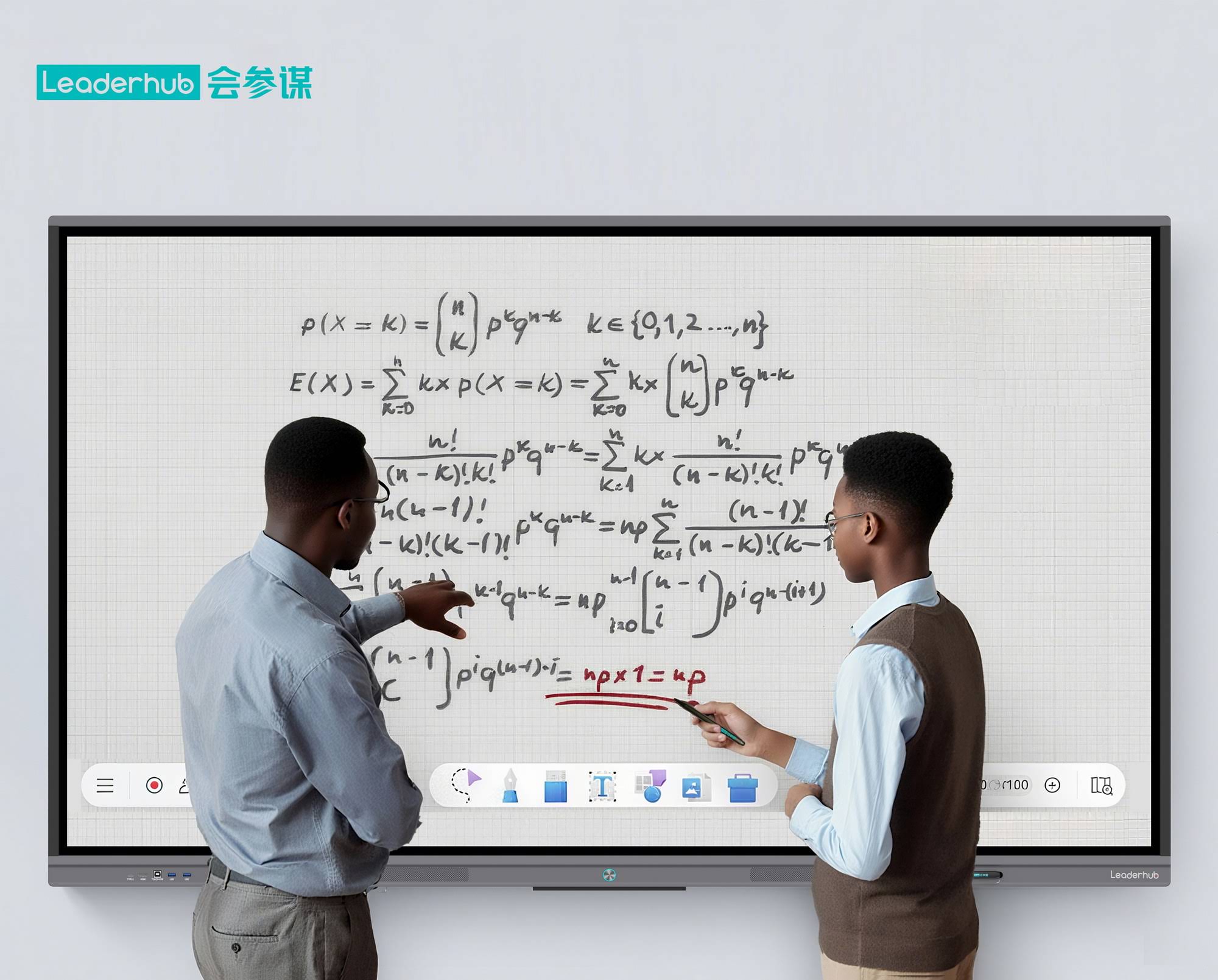
Touch capability varies from basic 10-point recognition to advanced 40-point systems supporting simultaneous users. Premium models incorporate infrared or capacitive touch technology offering superior accuracy and palm rejection, allowing natural writing experiences without accidental inputs.
Response latency matters significantly for drawing, annotation, and handwriting tasks. Systems with sub-10ms latency provide pen-on-paper feel, justifying higher price points for users prioritizing writing quality.
Built-in Computing Power
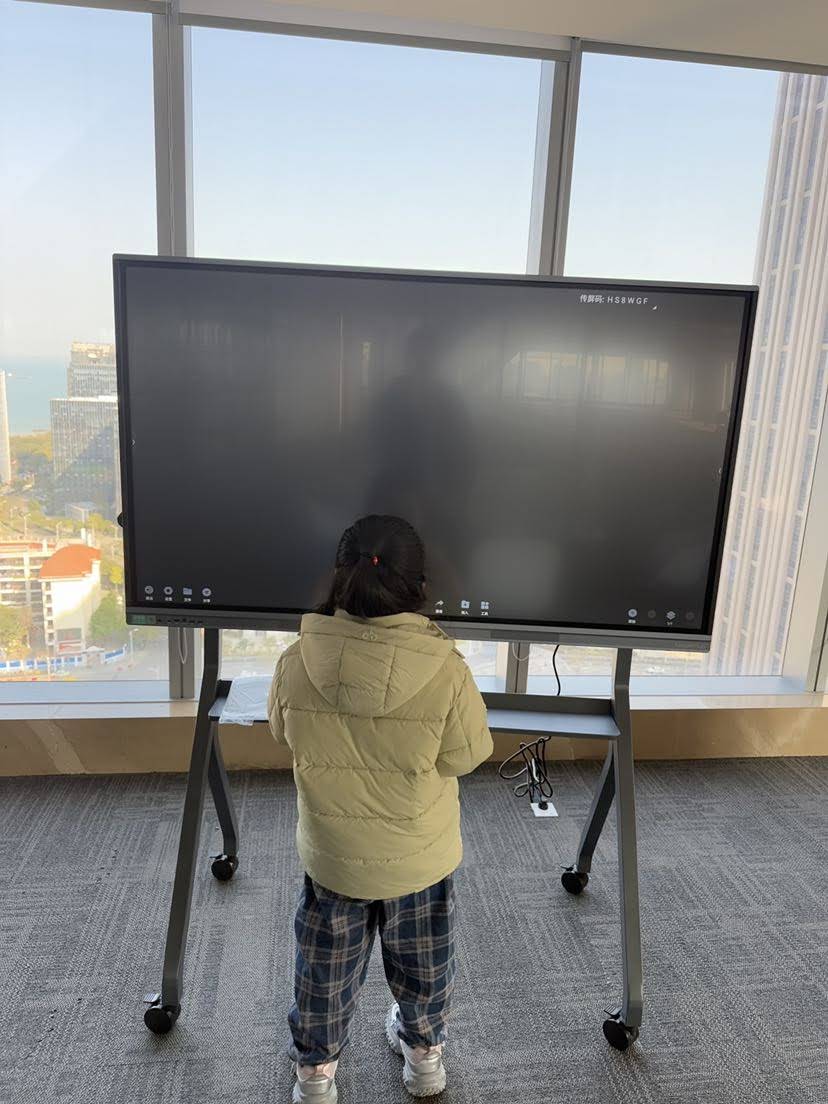
Smart boards contain integrated computers running either Android or Windows operating systems. Processing power, RAM capacity, and storage significantly influence performance and price:
- Entry systems: Basic quad-core processors with 2-4GB RAM
- Mid-range systems: Octa-core processors with 4-8GB RAM
- Premium systems: High-performance processors with 8-16GB RAM and expandable storage
More powerful systems handle complex applications, multiple simultaneous users, and resource-intensive tasks like video editing or 3D modeling without performance degradation.
Software Ecosystems and AI Integration
Software capabilities increasingly differentiate premium offerings from budget alternatives. Advanced platforms include:
- AI-powered handwriting recognition and conversion
- Intelligent object recognition and manipulation
- Real-time language translation
- Automated meeting transcription and summarization
- Cloud collaboration and content synchronization
- Integration with learning management systems (LMS) and enterprise software
These AI-enhanced features add substantial value for organizations prioritizing productivity and workflow automation, justifying premium pricing tiers.
Connectivity and Collaboration Features
Modern smart boards function as collaboration hubs supporting wireless screen sharing, video conferencing integration, and multi-device connectivity. Premium models include:
- Built-in 4K cameras with AI-powered tracking
- Beamforming microphone arrays for clear audio capture
- Dual-band WiFi 6 and Bluetooth 5.0
- Multiple HDMI inputs and USB-C connectivity
- Integration with Microsoft Teams, Zoom, and Google Meet
These features eliminate the need for separate conferencing equipment, potentially reducing total solution costs despite higher initial smart board prices.
Total Cost of Ownership Beyond Initial Purchase Price
Smart board investments extend beyond the sticker price. Comprehensive cost analysis should include installation, accessories, training, maintenance, and ongoing support expenses.
Installation and Mounting Costs
Professional installation typically adds $200-$800 depending on mounting complexity, electrical requirements, and wall reinforcement needs. Considerations include:
- Wall-mount brackets and hardware ($100-$300)
- Mobile stands with height adjustment ($300-$800)
- Electrical work for power and data connections ($200-$500)
- Cable management and AV integration ($150-$400)
Mobile stands offer flexibility for shared devices across multiple rooms but cost more than fixed wall installations. Height-adjustable stands accommodating users of different heights or accessibility requirements command premium prices.
Essential Accessories and Peripherals
Maximizing smart board functionality often requires additional purchases:
| Accessory | Price Range | Purpose |
|---|---|---|
| Digital Pens | $20-$80 each | Precision annotation and drawing |
| External Cameras | $100-$400 | Enhanced video conferencing |
| Soundbars/Speakers | $150-$600 | Improved audio quality for large rooms |
| Wireless Presenters | $30-$100 | Remote control and laser pointing |
| Screen Protectors | $50-$200 | Protect display from damage |
Software Licensing and Subscriptions
Many advanced features require ongoing subscription costs. Budget for potential expenses including:
- Cloud storage and collaboration platforms ($5-$15 per user/month)
- Premium annotation and whiteboarding software ($100-$500 annually)
- Device management and security platforms ($50-$200 per device/year)
- Content creation and curriculum resources ($200-$1,000 annually)
Some manufacturers bundle software licenses with hardware purchases, while others charge separately. Clarify licensing terms before committing to avoid unexpected ongoing costs.
Training and Professional Development
Effective smart board utilization requires user training. Organizations should budget for:
- Initial training sessions ($500-$2,000 for group training)
- Ongoing professional development workshops
- Online training resources and certification programs
- Technical support contracts ($200-$1,000 annually)
Experienced manufacturers like LeaderHub provide comprehensive technical support alongside their interactive display solutions, helping organizations maximize their technology investments through proper implementation and user adoption.
Warranty and Maintenance Considerations
Standard warranties typically cover 3-5 years for commercial smart boards. Extended warranty options add 10-25% to initial costs but provide:
- On-site repair services reducing downtime
- Advanced replacement programs
- Software updates and security patches
- Technical support hotlines
Calculate potential repair costs against extended warranty premiums. Premium panels with longer lifespans may justify extended coverage, while budget models might not warrant additional investment.
Smart Board Prices by Brand and Manufacturer
Brand reputation and manufacturing quality significantly influence pricing. Established manufacturers command premium prices based on reliability, support infrastructure, and proven track records.
Premium International Brands
Top-tier brands like SMART Technologies, Promethean, and ViewSonic position themselves at higher price points ($4,000-$12,000+) offering:
- Extensive global service networks
- Comprehensive software ecosystems
- Strong education and enterprise partnerships
- Advanced research and development programs
These brands excel in institutional sales where standardization, long-term support, and proven reliability justify premium investment.
Value-Oriented Manufacturers
Companies like LeaderHub deliver competitive pricing while maintaining professional quality standards. With over 16 years of manufacturing experience and products deployed across 82+ countries, value-oriented brands offer:
- Direct-to-customer pricing models reducing markup
- OEM and ODM manufacturing capabilities
- Reliable build quality backed by industry certifications
- Professional technical support infrastructure
- Flexible customization options for specific market needs
Organizations prioritizing cost-effectiveness without sacrificing quality increasingly choose established value brands, particularly for large-scale deployments where budget constraints limit premium options.
Regional and Emerging Brands
Regional manufacturers offer entry-level pricing ($800-$2,500) targeting price-sensitive markets. While these options reduce initial investment, buyers should carefully evaluate:
- Software update commitment and longevity
- Replacement parts availability
- Technical support responsiveness
- Warranty claim processes
For pilot programs or temporary installations, regional brands provide acceptable solutions. However, long-term institutional deployments benefit from established manufacturers with proven support infrastructure.
Price Factors Based on Application and Use Case
Different environments demand specific features affecting appropriate price ranges and configuration choices.
Education Sector Requirements
Educational institutions prioritize durability, ease of use, and curriculum integration. Typical education pricing ranges from $2,000-$6,000 per classroom, with features including:
- Educational content libraries and lesson templates
- Student device connectivity for collaborative learning
- Learning management system integration
- Durable construction for daily student use
- Screen mirroring from student tablets and laptops
Educational volume purchasing programs and government funding initiatives often reduce per-unit costs through bulk discounts and extended payment terms.
Corporate and Enterprise Deployments
Business environments emphasize video conferencing integration, security, and professional aesthetics. Enterprise smart boards range from $3,000-$10,000 depending on room size and feature requirements:
- Microsoft Teams and Zoom Rooms certification
- Calendar integration and room booking systems
- Enterprise security protocols and encrypted content
- Professional design matching corporate aesthetics
- Remote management and monitoring capabilities
Corporations typically invest more per unit but deploy fewer devices compared to educational institutions, making premium features more financially accessible.
Healthcare and Specialized Applications
Medical facilities require specialized certifications and features, typically resulting in higher costs ($4,000-$12,000):
- Medical-grade certifications for patient care areas
- Antimicrobial screen coatings
- HIPAA-compliant security features
- Integration with medical imaging systems
- Easy-clean surfaces for infection control
Regulatory compliance and specialized certifications drive healthcare pricing above standard commercial models.
Money-Saving Strategies and Budget Optimization
Strategic purchasing approaches can reduce smart board costs without compromising essential functionality.
Volume Purchasing and Educational Discounts
Educational institutions and large organizations should negotiate volume pricing. Typical discounts include:
- 5-15% reduction for 5-10 units
- 15-25% reduction for 10-50 units
- 25-35% reduction for 50+ units
- Additional educational institution discounts (10-20%)
Combining educational status with volume purchasing maximizes cost savings. Manufacturers value long-term institutional relationships, creating negotiation leverage.
Refurbished and Certified Pre-Owned Options
Certified refurbished smart boards offer 30-50% savings compared to new equipment. Reputable sellers provide:
- Factory refurbishment with replacement of worn components
- 90-day to 1-year warranties on refurbished units
- Performance testing and quality certification
- Cosmetic grading systems for informed purchasing
Refurbished equipment suits budget-constrained buyers willing to accept shorter warranty periods and potential cosmetic imperfections in exchange for significant savings.
Timing Purchases for Maximum Value
Strategic timing influences final pricing:
- End of fiscal quarters: Sales teams offer aggressive discounts to meet targets
- Back-to-school season (July-August): Educational promotions and package deals
- New model releases: Previous generation clearance pricing
- Holiday sales periods: Black Friday, Cyber Monday, and year-end promotions
Planning purchases around these periods can yield 15-30% savings without compromising quality or features.
Leasing and Financing Alternatives
Technology leasing spreads costs over multiple years while preserving capital for other investments. Typical leasing terms include:
- 36-month leases with monthly payments ($100-$300 per device)
- Technology refresh options after lease completion
- Tax advantages for business equipment leasing
- Bundled maintenance and support services
Leasing particularly benefits organizations prioritizing technology currency over long-term ownership, ensuring access to latest features through regular upgrade cycles.
Evaluating Return on Investment
Justifying smart board investments requires demonstrating measurable value beyond initial costs.
Productivity and Efficiency Gains
Smart boards reduce meeting times and improve collaboration efficiency. Studies document:
- 15-30% reduction in average meeting duration through visual collaboration
- 40-60% improvement in information retention compared to traditional presentations
- Reduced need for printed materials saving $200-$500 annually per device
- Faster decision-making through real-time annotation and idea capture
For organizations conducting frequent meetings or training sessions, these efficiency improvements recover initial investments within 12-24 months.
Educational Outcomes and Student Engagement
Educational research demonstrates smart board impact on learning:
- Increased student participation and engagement rates
- Improved test scores through multi-modal learning approaches
- Enhanced accessibility for students with diverse learning needs
- Support for modern pedagogical methods like flipped classrooms
While educational ROI proves harder to quantify financially, improved student outcomes justify technology investments for forward-thinking institutions.
Long-Term Durability and Lifespan
Quality smart boards deliver 7-10 years of service with proper maintenance. Calculating cost per year of use provides clearer value assessment:
- $3,000 board with 8-year lifespan = $375 annual cost
- $6,000 board with 10-year lifespan = $600 annual cost
Premium models with longer lifespans and better build quality often deliver lower annual costs despite higher initial prices.
Making the Final Purchase Decision
Successful smart board purchases balance budget constraints with functional requirements and long-term value considerations.
Prioritizing Essential Features
Start by identifying must-have versus nice-to-have features for your specific environment:
- Must-have: Appropriate screen size, sufficient touch points, basic software, reliable connectivity
- Should-have: 4K resolution, good audio quality, wireless sharing, integration with existing systems
- Nice-to-have: AI features, built-in cameras, advanced gesture controls, premium design
This prioritization prevents overspending on unnecessary features while ensuring critical needs are met.
Testing Before Committing
Request demonstration units or schedule facility visits to evaluate candidates firsthand. Testing should assess:
- Touch responsiveness and writing experience
- Display quality in your actual lighting conditions
- Software intuitiveness for typical users
- Integration with existing technology infrastructure
- Audio quality for your room size and acoustics
Hands-on evaluation reveals practical considerations specifications cannot communicate, preventing post-purchase disappointment.
Verifying Warranty and Support Terms
Before finalizing purchases, confirm:
- Warranty duration and what components are covered
- Response time commitments for technical support
- On-site versus depot repair policies
- Software update commitment and duration
- Replacement parts availability and pricing
Strong support infrastructure distinguishes reliable manufacturers from problematic suppliers, affecting long-term satisfaction regardless of initial price.
Requesting Comprehensive Quotes
Obtain detailed quotes including all associated costs:
- Base smart board unit pricing
- Required accessories and peripherals
- Installation and mounting services
- Initial training and onboarding
- Extended warranty or service agreement costs
- Shipping and handling fees
Complete quotes enable accurate budget planning and prevent unexpected expenses during implementation.
Future-Proofing Your Investment
Technology evolves rapidly. Smart purchasing decisions anticipate future needs and technological developments.
Prioritizing Upgradability and Expandability
Choose systems supporting future enhancement through:
- Modular components allowing processor or memory upgrades
- External connectivity for adding new peripherals
- Software platforms receiving regular feature updates
- Open ecosystem supporting third-party integrations
Upgradable systems extend useful lifespan, deferring replacement costs and maximizing initial investment value.
Considering AI and Emerging Technologies
Artificial intelligence increasingly powers interactive display capabilities. Forward-thinking purchases incorporate:
- AI-powered gesture recognition and natural interaction
- Intelligent content organization and search
- Real-time language translation for global collaboration
- Automated meeting notes and action item tracking
While AI features currently command premium prices, they represent the future of collaboration technology, justifying investment for organizations planning long-term deployments.
Evaluating Sustainability and Energy Efficiency
Energy-efficient smart boards reduce operating costs and environmental impact. Look for:
- ENERGY STAR certification indicating efficient operation
- Automatic brightness adjustment based on ambient light
- Power-saving sleep modes during inactivity
- Long-lasting LED backlighting reducing maintenance
Energy-efficient models may cost more initially but deliver ongoing savings through reduced electricity consumption over their operational lifespan.
Conclusion: Investing Wisely in Interactive Display Technology
Smart board pricing reflects a complex interplay of screen size, technology specifications, brand positioning, and feature sets. While entry-level displays start around $800, most organizations find optimal value in the $2,000-$5,000 range where 4K resolution, professional-grade touch technology, and comprehensive software platforms deliver long-term reliability and user satisfaction.
Successful purchasing decisions extend beyond comparing sticker prices to evaluating total cost of ownership including installation, accessories, training, and ongoing support. Organizations maximizing smart board investments carefully assess their specific needs, prioritize essential features, and choose manufacturers with proven track records of quality and customer support.
Whether equipping a single conference room or implementing district-wide educational technology, understanding market options, manufacturer capabilities, and value propositions enables informed decisions aligning technology investments with organizational goals and budget realities. As interactive display technology continues evolving with AI integration and enhanced collaboration features, today’s smart purchasing decisions position organizations for tomorrow’s communication and learning needs.