When schools decide to modernize their classrooms with interactive technology, one of the first questions administrators ask is: “How much does a classroom smart board actually cost?” The answer depends on several factors including screen size, brand, features, installation requirements, and ongoing support needs. Based on over 16 years of experience in the interactive display industry, this comprehensive guide breaks down everything you need to know about smart board pricing for educational environments.
Understanding Smart Board Price Ranges
Classroom smart boards typically fall into three main price categories, each serving different educational needs and budget constraints.
Entry-Level Smart Boards ($800 – $2,500)
Entry-level interactive displays work well for schools with tight budgets or those testing the technology before full deployment. These units typically feature 55-65 inch screens with basic touch functionality and standard resolution. While they lack advanced features like AI-powered collaboration tools or 4K displays, they provide essential interactive capabilities for classroom instruction.
Common characteristics include:
- Basic 10-point multi-touch technology
- Standard Android operating system
- Limited built-in software
- 1080p resolution
- Basic connectivity options (HDMI, USB)
Mid-Range Smart Boards ($2,500 – $5,500)
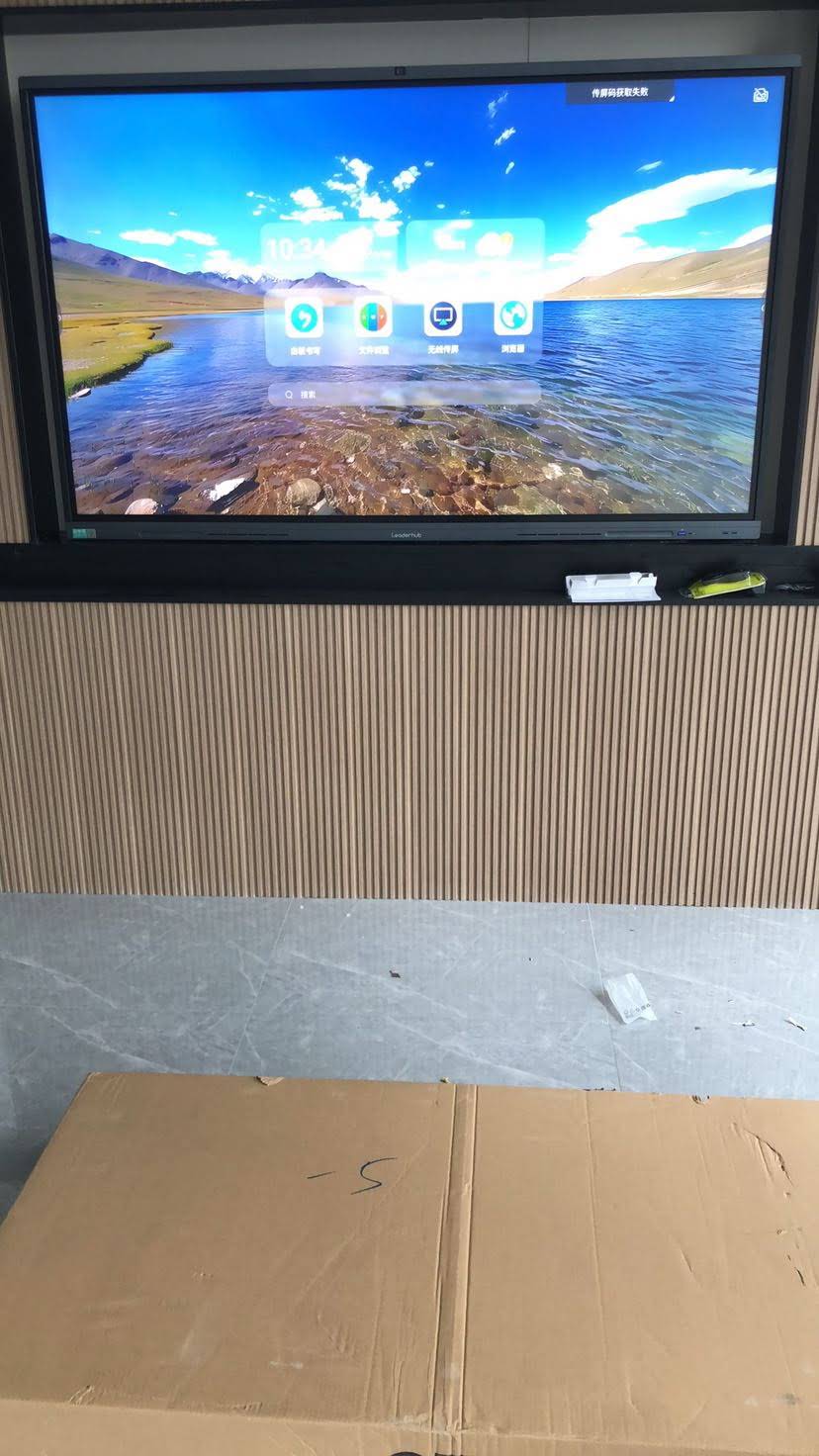
This category represents the most popular choice for schools balancing quality with affordability. Mid-range smart boards offer 65-75 inch displays with enhanced touch responsiveness, better built-in speakers, and more comprehensive software packages. According to market data from educational technology deployments across 82 countries, approximately 60% of schools choose this price range.
These systems typically include:
- 20-point multi-touch capability for multiple simultaneous users
- 4K Ultra HD resolution
- Integrated whiteboarding software
- Screen sharing and wireless casting
- More powerful processing (4-8GB RAM)
- Built-in educational apps and content libraries
Premium Smart Boards ($5,500 – $12,000+)
Premium classroom smart boards provide cutting-edge technology for schools prioritizing the most advanced educational tools. These 75-98 inch displays deliver exceptional image quality, sophisticated AI-powered features, and comprehensive ecosystem integration. Universities, specialized training centers, and well-funded school districts typically invest in this category.
Premium features often include:
- Advanced AI collaboration and content recognition
- Integrated camera systems for hybrid learning
- Professional-grade audio systems
- Advanced annotation and recording capabilities
- Cloud integration and learning management system connectivity
- Extended warranty and priority support services
Key Factors Affecting Smart Board Costs
Screen Size and Resolution
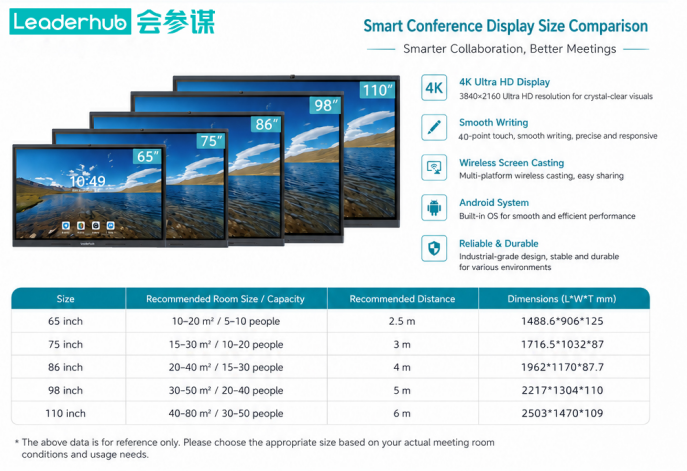
Screen dimensions significantly impact pricing. A 55-inch display might cost $1,200, while an 86-inch model from the same manufacturer could reach $6,500. Classroom size determines optimal screen dimensions¡ªa standard 30-student classroom typically requires at least a 75-inch display for adequate visibility from all seating positions.
Resolution also matters. 4K interactive flat panels cost 20-35% more than 1080p equivalents, but deliver sharper text and images crucial for detailed diagrams, mathematical equations, and fine text reading from distance.
Touch Technology Quality
Touch sensitivity and accuracy vary considerably. Infrared touch technology generally costs less than capacitive systems but may experience occasional calibration issues. Higher-end capacitive touchscreens provide more precise input, supporting detailed handwriting and simultaneous multi-user interaction¡ªessential for collaborative learning activities.
Built-in Computing vs External Devices
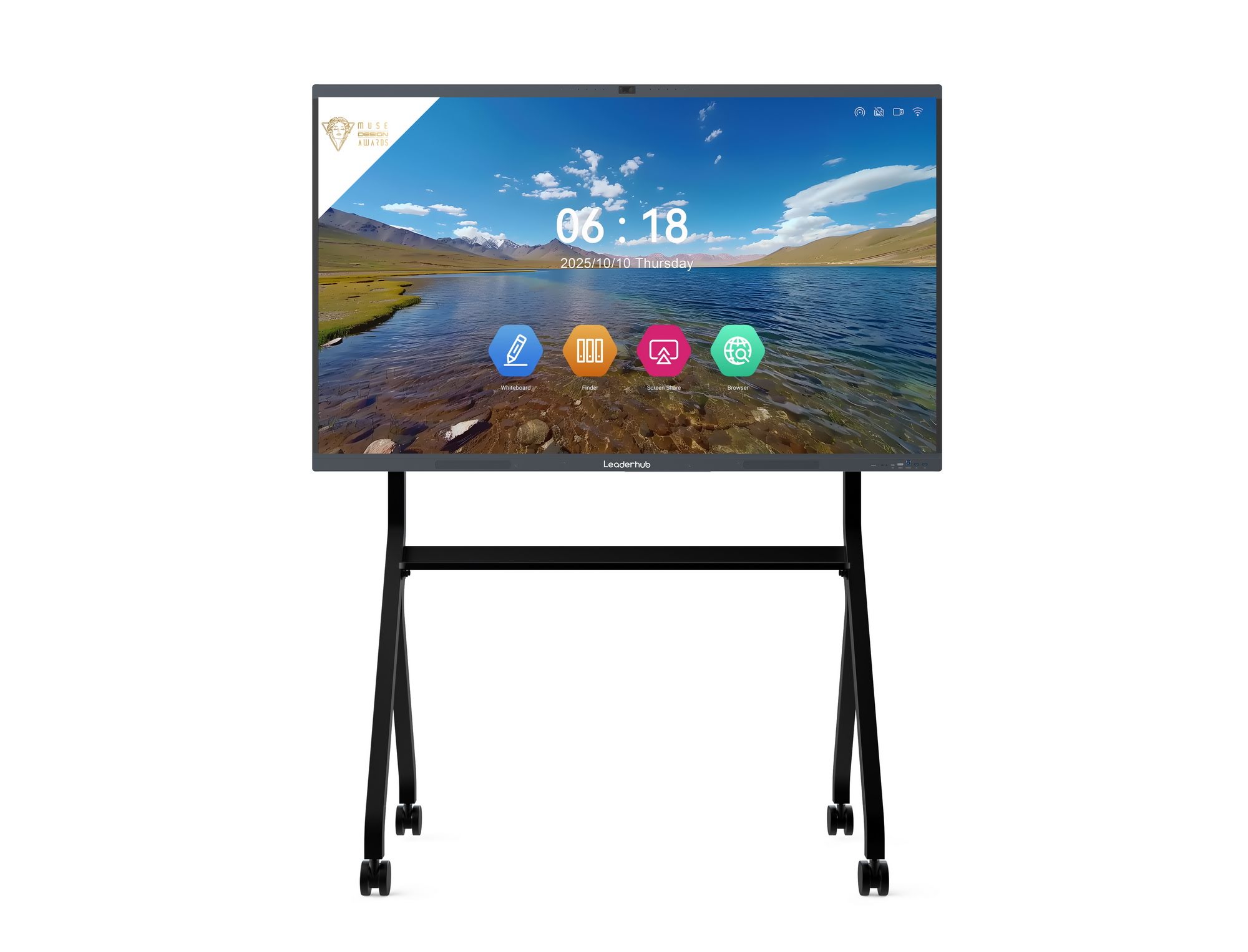
Smart boards with integrated computers (Android or Windows) eliminate the need for separate PCs, reducing cable clutter and simplifying setup. However, they typically cost $400-$1,200 more than “passive” displays requiring external computers. Schools must weigh the convenience of all-in-one systems against the flexibility of using existing computers or upgrading computing power independently.
Brand and Manufacturer Origin
Established international brands command premium pricing due to reputation, extensive support networks, and proven reliability. However, professional manufacturers like LeaderHub, with over 16 years of interactive display expertise and products deployed in 82+ countries, offer comparable quality at more competitive prices through direct manufacturing relationships.
Complete Cost Breakdown: Beyond the Display
The smart board purchase price represents only part of total implementation costs. Schools should budget for these additional expenses:
| Cost Component | Typical Range | Notes |
|---|---|---|
| Smart Board Display | $800 – $12,000 | Primary hardware investment |
| Wall Mount / Stand | $150 – $800 | Mobile stands cost more but offer flexibility |
| Professional Installation | $200 – $600 | Includes mounting, wiring, calibration |
| Extended Warranty | $150 – $500/year | Recommended for institutional use |
| Software Licenses | $0 – $400/year | Some manufacturers include perpetual licenses |
| Teacher Training | $300 – $1,200 | Critical for maximizing adoption |
| Accessories (styluses, etc.) | $50 – $250 | Replacement styluses, cleaning supplies |
For a typical mid-range 75-inch smart board implementation, schools should budget approximately $4,000-$6,500 total including all components and setup.
Long-Term Ownership Costs
Annual Operating Expenses
Smart boards consume minimal electricity (approximately $30-$50 annually in typical classroom use), but schools should budget for ongoing costs:
- Software subscriptions: $0-$400 per year depending on platform
- Technical support: $100-$300 per year for priority service
- Replacement accessories: $50-$150 per year
- Professional cleaning/maintenance: $50-$100 per year
Expected Lifespan and Replacement Cycles
Quality smart boards typically function effectively for 7-10 years with proper maintenance. However, technology advancement often drives replacement before hardware failure. Schools planning 5-7 year refresh cycles balance technological relevance with financial efficiency. Calculating total cost of ownership over this period helps compare seemingly different price points more accurately.
Funding Options and Budget Strategies
Government and Educational Grants
Many schools successfully fund classroom technology upgrades through dedicated grant programs. In the United States, E-Rate funding helps schools obtain affordable telecommunications and internet access, sometimes covering interactive display costs when part of comprehensive technology plans. State and local education technology grants also frequently support smart board purchases.
International schools should investigate country-specific educational technology funding. Many governments worldwide prioritize classroom modernization through dedicated budget allocations or competitive grant programs.
Leasing and Financing Programs
Educational equipment leasing spreads costs over 3-5 years, preserving capital budgets while enabling immediate deployment. Monthly payments for a $4,000 smart board might range from $90-$140 depending on terms. Some manufacturers and distributors offer specialized education financing with deferred payment options aligned with academic budget cycles.
Phased Rollout Approaches
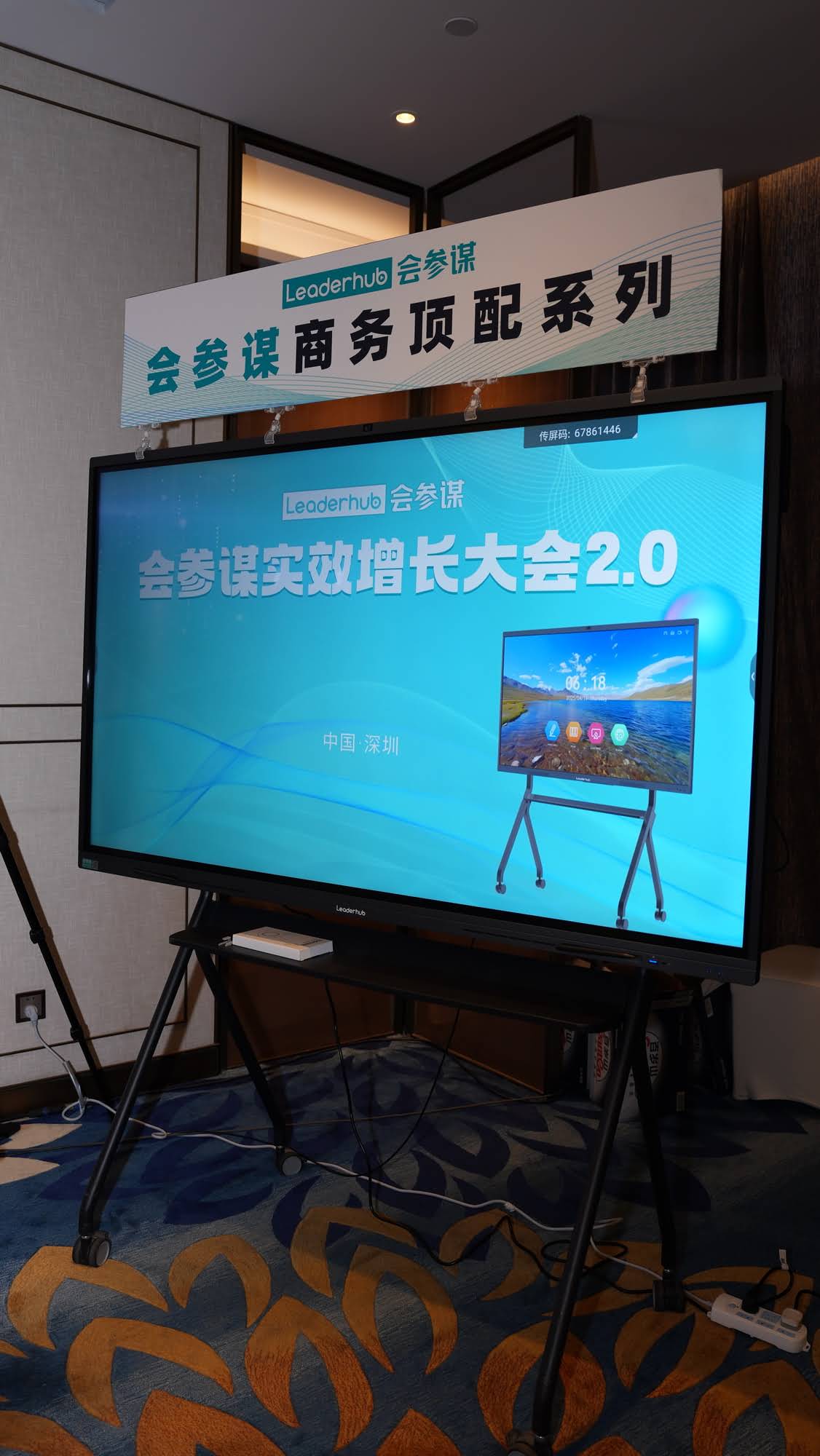
Rather than equipping all classrooms simultaneously, many schools implement smart boards in phases. Starting with 5-10 classrooms allows evaluation of different models, refinement of installation procedures, and development of effective teacher training programs before full-scale deployment. This approach also distributes costs across multiple budget years.
Cost Comparison: Smart Boards vs Traditional Options
Interactive Projector Systems
Interactive projectors combined with projection screens cost $1,500-$3,500 installed¡ªoften less than smart boards. However, they require regular expensive bulb replacements ($200-$400 every 2-3 years), suffer from ambient light washout, and need frequent recalibration. Over a 7-year period, total cost often equals or exceeds smart board investments while delivering inferior image quality and reliability.
Traditional Whiteboards with Document Cameras
Non-interactive whiteboards ($100-$300) plus document cameras ($300-$800) provide basic visual presentation at minimal cost. However, this combination lacks interactive capabilities, limits student engagement, and doesn’t support modern collaborative learning pedagogies. Most educators who’ve experienced quality smart boards consider this significant functional gap worth the additional investment.
Real-World Pricing Examples from School Deployments
Elementary School Implementation (United States)
A 450-student elementary school in suburban Ohio equipped 18 classrooms with 75-inch smart boards in 2023. After evaluating multiple brands, administrators selected mid-range displays at $3,200 each (volume discount from $3,800 retail). Including mounting hardware, installation, and teacher training, total project cost reached $68,000, or approximately $3,780 per classroom. The school financed this through a combination of technology levy funds and a state educational technology grant covering 40% of costs.
Secondary School Upgrade (United Kingdom)
A comprehensive school in Manchester replaced aging projector systems with 86-inch 4K smart boards in 25 classrooms over two academic years. First-year deployment (12 classrooms) cost ¡ê72,000 including extended warranties, averaging ¡ê6,000 per installation. Phasing the project allowed budget absorption across fiscal years while enabling technology assessment before completing the rollout.
International School Deployment (Southeast Asia)
An international school in Singapore standardized on 75-inch interactive displays for 30 classrooms, negotiating a comprehensive package including hardware, software licenses, installation, and two-year training support for $135,000 ($4,500 per classroom). The school’s focus on reliable interactive display technology from manufacturers with proven international experience ensured consistent quality across all installations.
Making Cost-Effective Purchasing Decisions
Identifying Must-Have vs Nice-to-Have Features
Schools should prioritize features directly impacting teaching effectiveness. Essential capabilities include reliable touch responsiveness, clear display visibility from all classroom positions, intuitive software requiring minimal training, and robust build quality for daily intensive use. Advanced features like AI-powered tools or integrated cameras add value but shouldn’t compromise budget allocation for basic quality.
Evaluating Total Cost of Ownership
Smart purchasing decisions consider more than initial price. A $2,800 display requiring $400 annual software subscriptions and frequent technical support calls may ultimately cost more than a $3,800 unit with included perpetual software licenses and superior reliability. Calculate 5-year total ownership costs including all predictable expenses for accurate comparison.
Volume Purchasing Strategies
Schools buying multiple units typically negotiate 10-25% discounts depending on quantity. District-wide standardization across multiple schools can unlock even greater savings. Coordinating purchases with neighboring schools or joining educational purchasing cooperatives provides additional leverage. However, ensure volume discounts don’t compromise on essential quality requirements.
Vendor Evaluation Criteria
Beyond product price, assess vendor capabilities including:
- Technical support responsiveness and accessibility
- Warranty terms and claim procedures
- Training resource quality and availability
- Company stability and market presence
- Compatibility with existing school technology infrastructure
- Software update policies and frequency
Manufacturers with extensive experience¡ªsuch as those with 15+ years in educational technology and deployment across diverse international markets¡ªtypically provide more reliable long-term partnerships than newer market entrants.
Regional Price Variations and Market Differences
North American Market
United States and Canadian schools typically face higher prices due to market dynamics, distribution costs, and regulatory compliance requirements. Mid-range 75-inch smart boards retail between $3,500-$5,500, though volume institutional pricing often reduces this 15-20%. Educational tax exemptions in many jurisdictions provide additional savings.
European Market
European pricing varies considerably by country. Western European schools generally pay prices comparable to North America, while Eastern European markets often access lower-cost options. VAT typically adds 15-25% to base prices, though educational institutions in many countries qualify for reduced rates or exemptions. EU safety and environmental compliance certifications may affect product availability and pricing.
Asia-Pacific Region
Asian markets demonstrate the widest price range globally. Proximity to major manufacturing centers in China, Taiwan, and South Korea can reduce costs significantly. Schools in Singapore, South Korea, and urban China often access premium technology at competitive prices. Southeast Asian and South Asian markets balance cost sensitivity with growing educational technology investment, driving demand for quality mid-range solutions.
Latin America, Middle East, and Africa
These emerging markets show rapidly growing smart board adoption despite budget constraints. Schools often prioritize cost-effectiveness while ensuring adequate quality for demanding classroom environments. Import duties and logistics can significantly impact final pricing, making locally-supported international manufacturers particularly attractive. Government education modernization initiatives in many countries increasingly fund technology upgrades.
Questions to Ask Before Purchasing
Smart purchasing decisions require thorough pre-purchase evaluation. Schools should investigate:
- What screen size best fits our classroom dimensions and typical class sizes?
- Does the display work with our existing educational software and learning management systems?
- What training and ongoing support does the vendor provide?
- What is the total cost including mounting, installation, and first-year support?
- Can we pilot test the technology before committing to large-scale deployment?
- What warranty coverage is included, and what are extended warranty costs?
- How does this solution integrate with our long-term technology strategy?
- What are comparable schools in our region using, and what has their experience been?
Maximizing Return on Investment
Comprehensive Teacher Training
Hardware represents only half the equation¡ªeffective teacher utilization determines actual educational impact. Schools achieving best results invest in thorough initial training plus ongoing professional development. Even expensive premium smart boards deliver limited value if teachers default to using them as simple projection screens due to insufficient training.
Creating Shared Resources
Developing school-wide or district-wide repositories of interactive lessons, teaching materials, and best practices maximizes each teacher’s efficiency. When one educator creates an engaging interactive math lesson, sharing it across multiple classrooms multiplies the return on technology investment.
Regular Maintenance and Updates
Simple preventive maintenance extends smart board lifespan significantly. Regular screen cleaning, software updates, and periodic hardware inspection prevent small issues from becoming expensive problems. Designating technology coordinators to oversee maintenance across multiple classrooms ensures consistent care.
Future-Proofing Technology Investments
Educational technology evolves rapidly. While predicting specific future developments remains impossible, schools can make more resilient purchasing decisions by considering:
- Flexible software ecosystems: Displays supporting multiple software platforms provide greater adaptability as educational tools evolve
- Upgrade capabilities: Systems allowing computing module upgrades without replacing entire displays extend useful life
- Standards compliance: Products following industry standards for connectivity and data formats ensure long-term compatibility
- Vendor commitment: Manufacturers demonstrating consistent innovation and long-term support provide greater investment security
Conclusion: Balancing Cost with Educational Value
Classroom smart board costs range from under $1,000 for basic entry-level units to over $12,000 for premium large-format displays with advanced features. Most schools find optimal value in the $2,500-$5,500 range, where quality, functionality, and affordability intersect effectively.
However, focusing exclusively on initial purchase price overlooks crucial factors determining actual educational value. Total cost of ownership, reliability, vendor support quality, teacher training effectiveness, and alignment with educational goals ultimately matter more than the lowest unit price. Schools that carefully evaluate these factors while maintaining realistic budget constraints consistently report greater satisfaction and measurable improvements in student engagement.
The most successful implementations share common characteristics: thorough needs assessment before purchasing, realistic total budget planning including all associated costs, phased deployment allowing refinement, comprehensive teacher training and support, and selection of reliable manufacturers with proven educational technology experience. By following these principles, schools can invest confidently in interactive display technology that delivers lasting educational benefits while respecting budget realities.