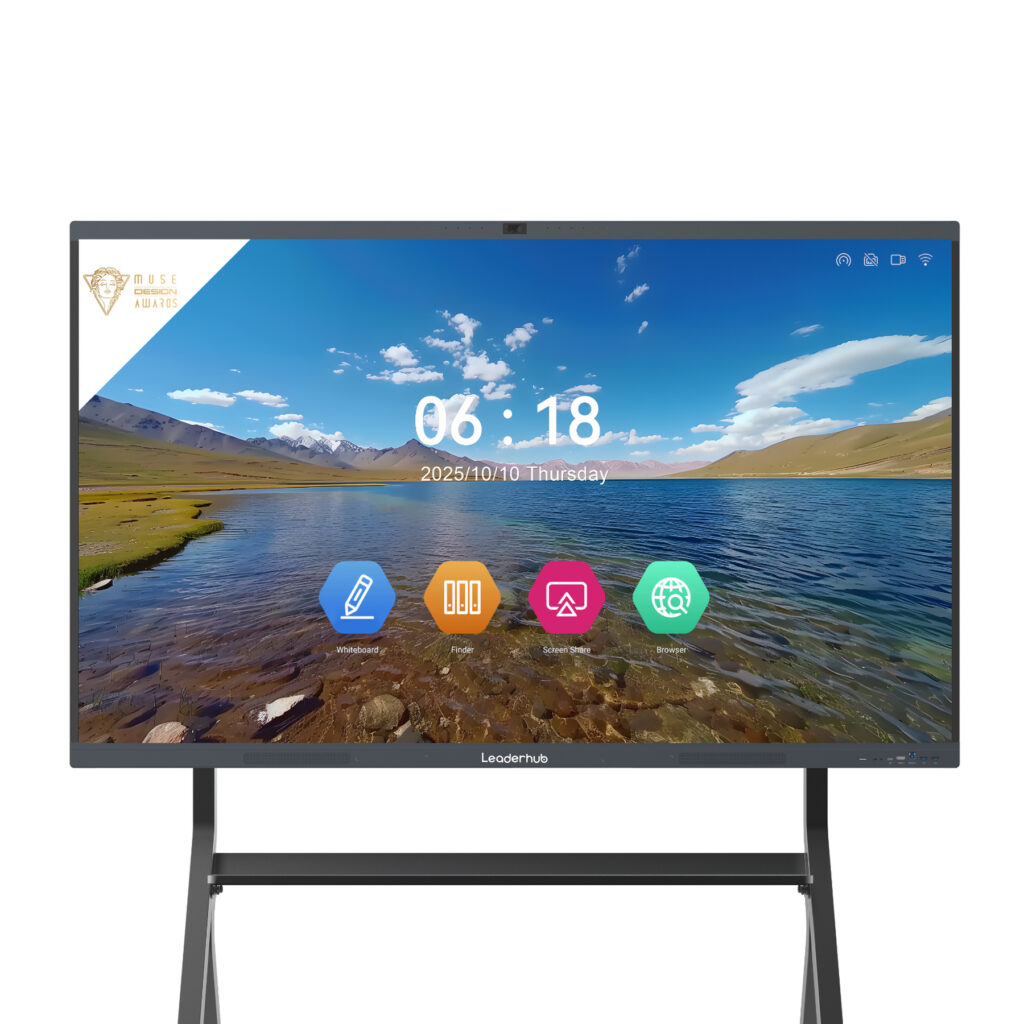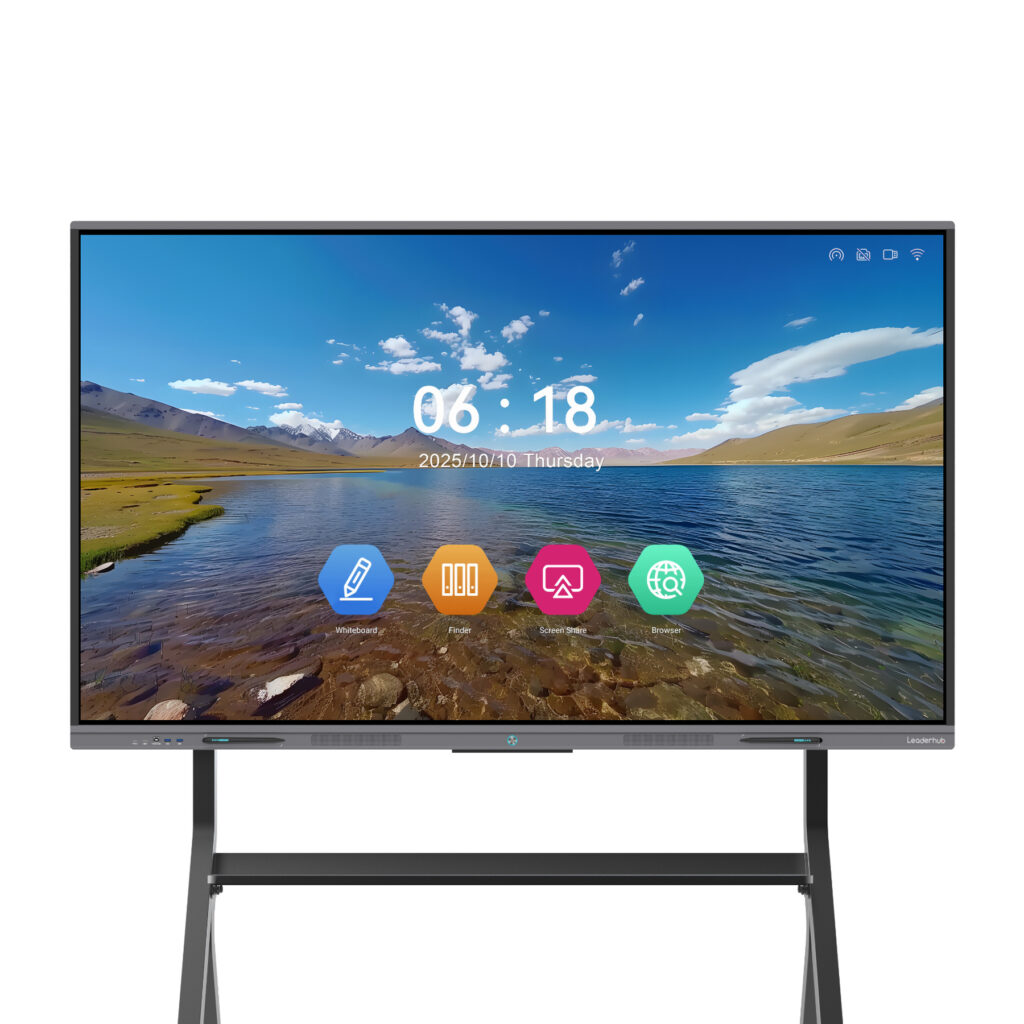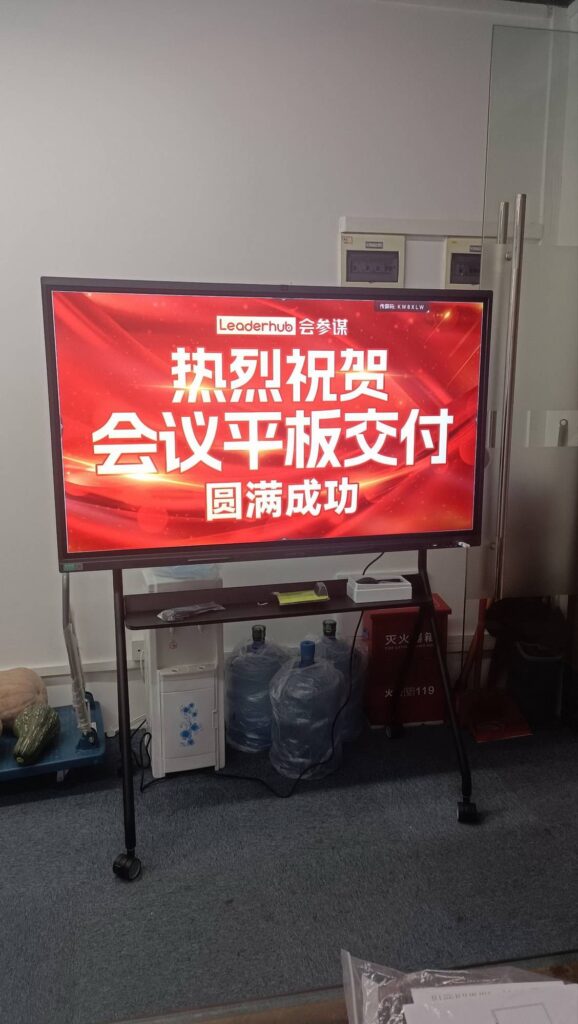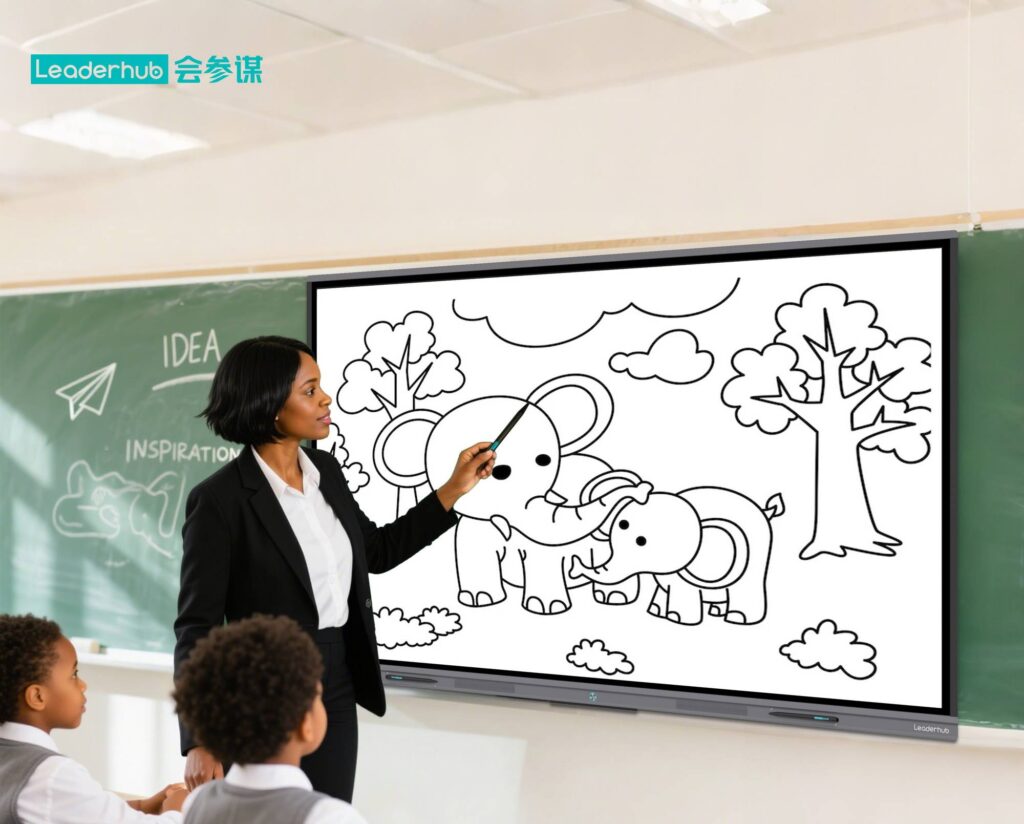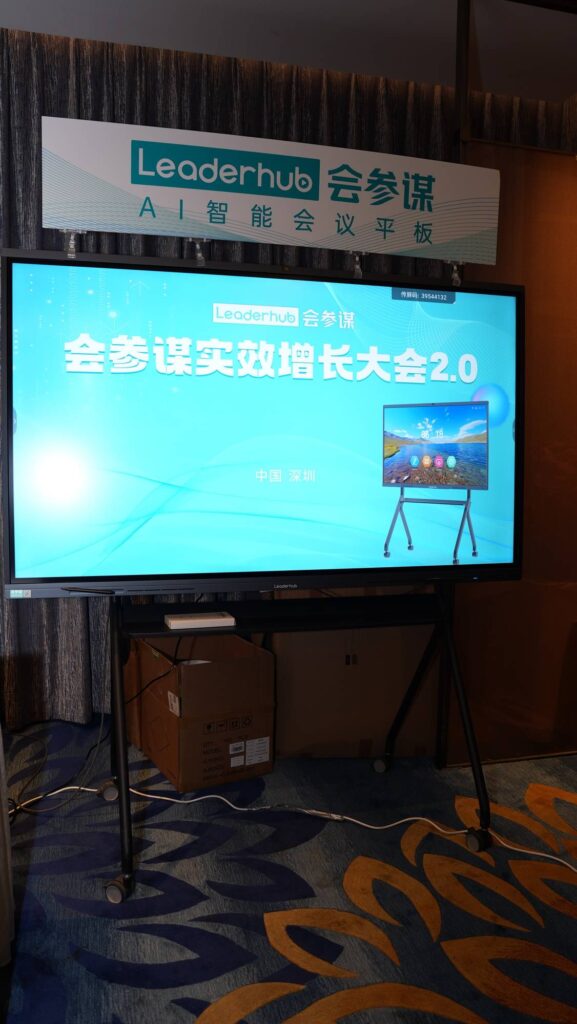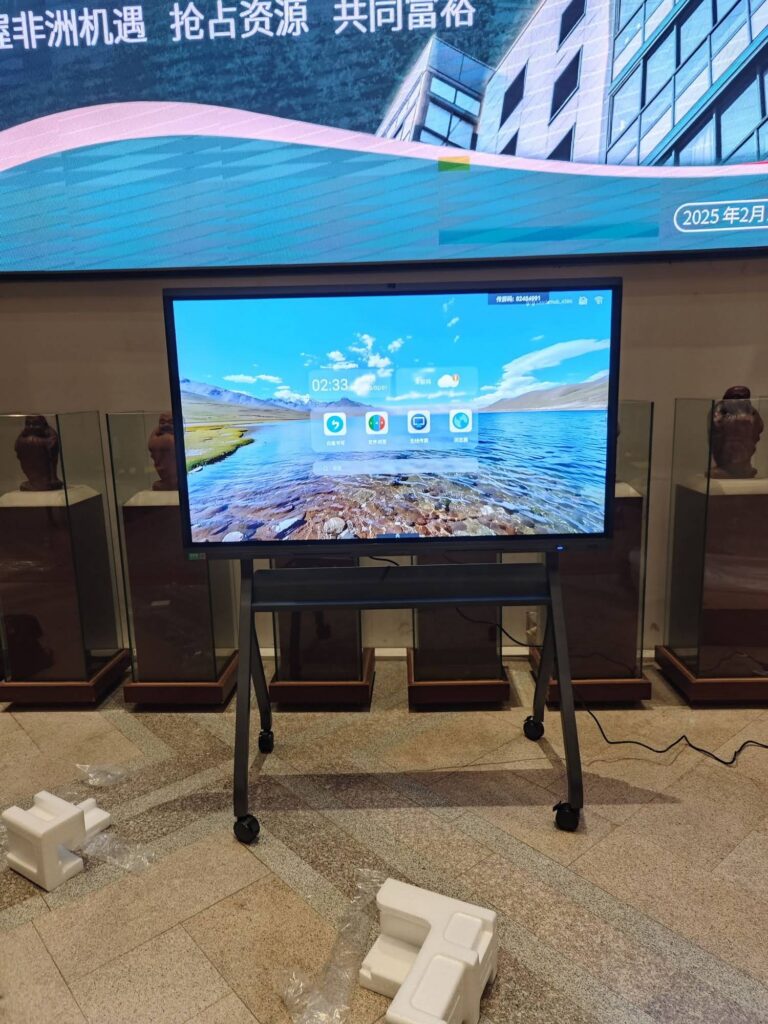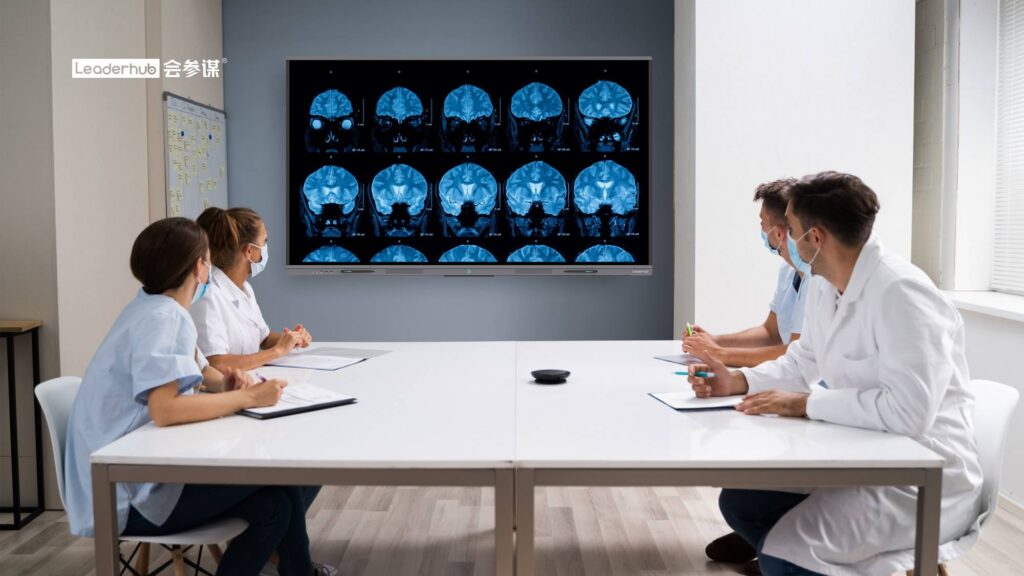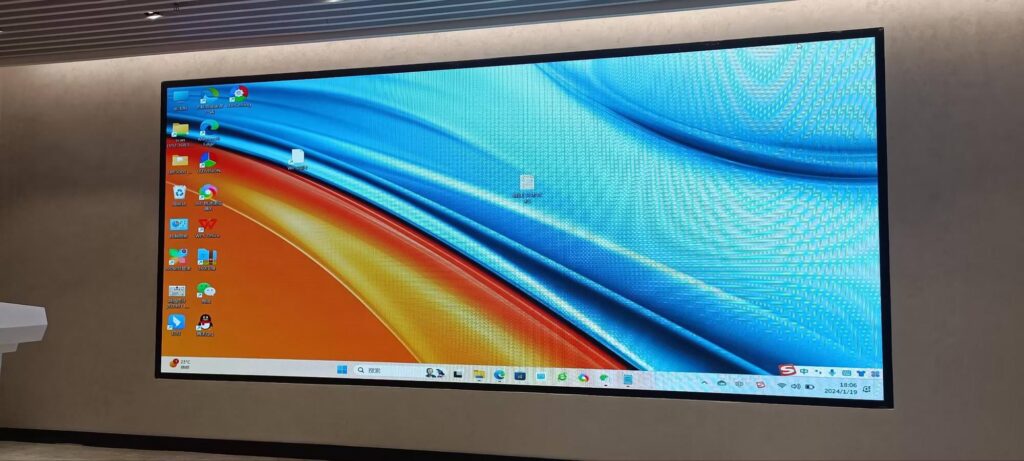
The global demand for interactive displays is growing at a pace that few hardware categories can match. Schools are replacing chalkboards with 4K touch panels, enterprises are standardizing on video-conferencing-ready meeting room displays, and brands that never manufactured electronics are now looking to launch their own interactive products. For distributors, system integrators, education suppliers, and emerging display brands, smart board OEM and ODM solutions offer the fastest and most capital-efficient path to market.
This guide explains how custom interactive display manufacturing works, the difference between OEM and ODM partnerships, what to look for in a smart board factory, and how to plan a successful private-label launch from first sample to mass production.
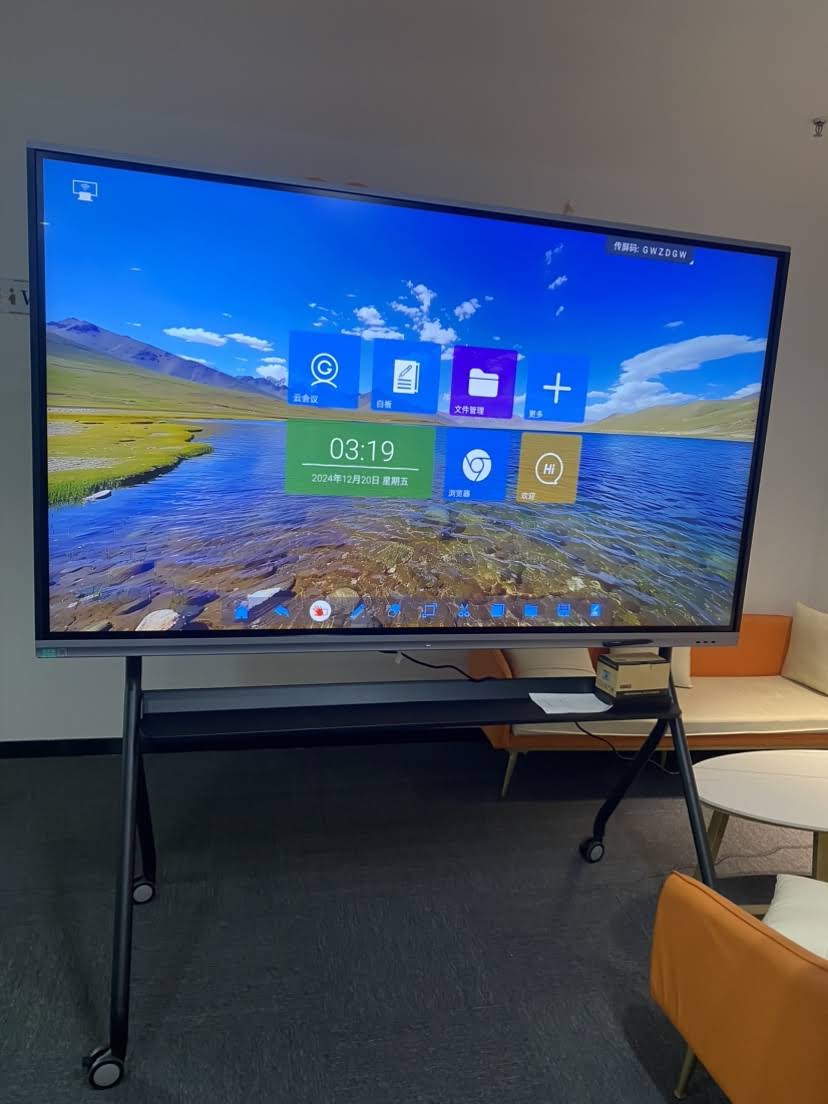
What Are Smart Board OEM and ODM Solutions?
Before choosing a manufacturing model, it is important to understand the two most common approaches used in the interactive display industry. Both allow you to sell smart boards under your own brand, but they differ significantly in design ownership, development time, and investment.
OEM (Original Equipment Manufacturing)
In an OEM partnership, the manufacturer produces smart boards based on your specifications or on an existing, proven platform, then applies your brand identity. You typically control the logo, packaging, boot screen, UI theme, and sometimes the software bundle, while the factory handles engineering, sourcing, assembly, and quality control. OEM is ideal for buyers who need a reliable product quickly without investing in a ground-up design.
ODM (Original Design Manufacturing)
An ODM partnership goes deeper. The manufacturer designs and develops a product tailored to your requirements—custom industrial design, dedicated mainboard configuration, specific panel sizes, unique camera and microphone arrays, firmware features, or an entirely new form factor such as a rotating or battery-powered screen. ODM suits brands that want differentiation in a competitive market and are prepared for a longer development cycle.
| Comparison Factor | OEM Solution | ODM Solution |
|---|---|---|
| Design Ownership | Based on manufacturer platform | Custom design built for your brand |
| Time to Market | 4–8 weeks after sample approval | 3–6 months including development |
| Minimum Order Quantity | Lower, often from small batches | Higher, to cover tooling and R&D |
| Customization Depth | Branding, packaging, software bundle | Hardware, firmware, form factor, features |
| Upfront Investment | Low | Moderate to high |
| Best For | Distributors, integrators, resellers | Established brands seeking differentiation |
Why the Market Is Shifting Toward Custom Interactive Displays
Interactive flat panels have moved from a premium novelty to a standard fixture in classrooms and meeting rooms. Policy frameworks such as the EU Digital Education Action Plan and the OECD Digital Education Outlook have accelerated public investment in classroom technology, while hybrid work has made camera-equipped collaboration displays essential in enterprise environments.
This creates a clear opportunity. Buyers no longer want a generic panel—they want a product that matches their regional software ecosystem, language requirements, mounting standards, and brand identity. Custom smart board OEM and ODM solutions let you respond to these needs without building a factory.
- Education procurement increasingly requires localized software, specific certifications, and long-term warranty commitments.
- Corporate buyers expect seamless integration with Zoom, Teams, Google Meet, and room-booking systems.
- Regional distributors gain better margins and customer loyalty by selling a branded product rather than a commodity.
- New form factors, such as mobile battery-powered panels and rotating screens, allow brands to open categories where competition is still limited.
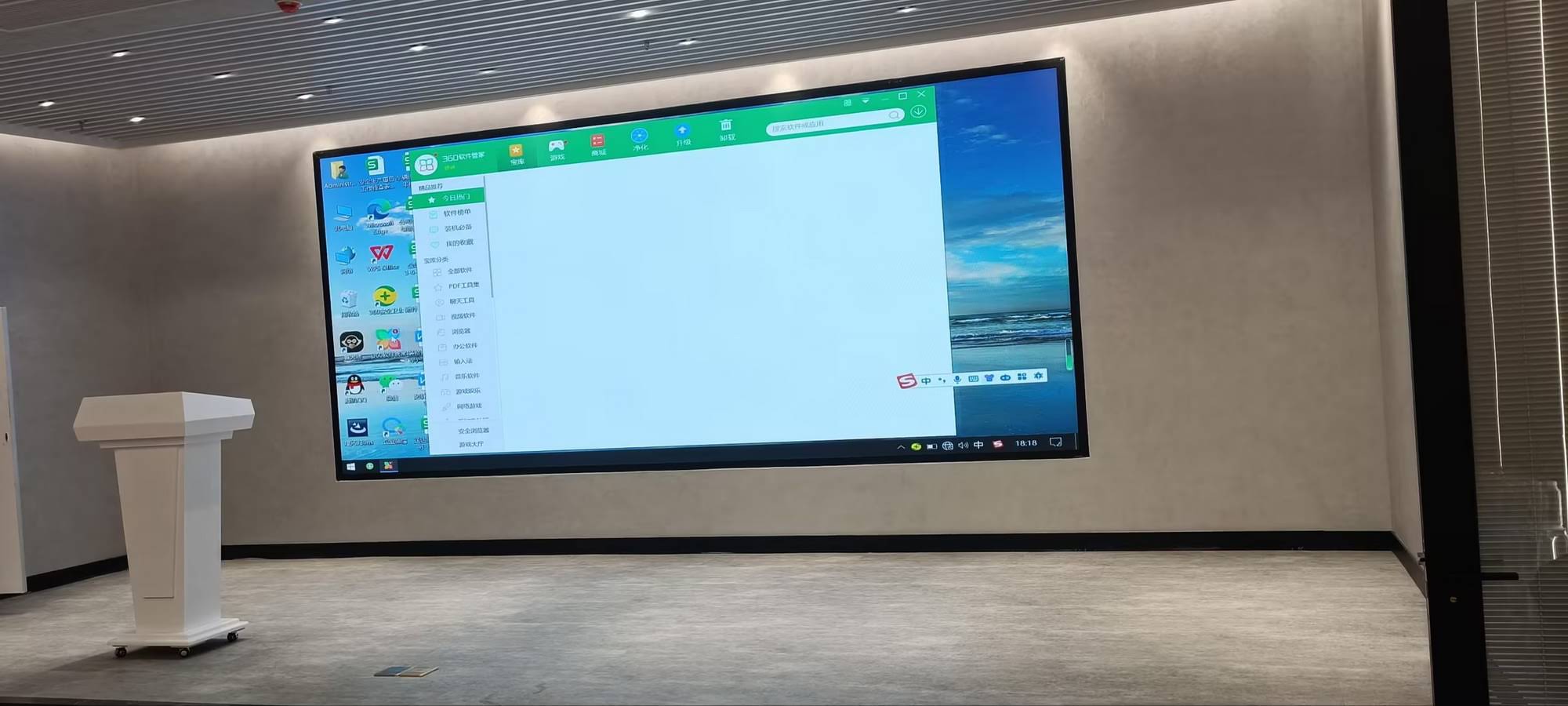
Core Components You Can Customize
Understanding the anatomy of an interactive display helps you communicate requirements clearly with your manufacturing partner. A modern smart board is a combination of display, touch, computing, audio-visual, and software layers—each of which can be tailored.
1. Display Panel
Panel size is the first decision. The mainstream range runs from 55 inches for huddle rooms to 110 inches for lecture halls and auditoriums. Most buyers now specify 4K UHD resolution, anti-glare tempered glass, and brightness between 350 and 450 nits. Optical bonding or zero-bonding techniques reduce parallax and improve writing accuracy, which is particularly important for education deployments.
2. Touch Technology
Infrared touch remains the most cost-effective option for large panels and supports 20 to 40 simultaneous touch points. Capacitive touch delivers a smoother writing feel and finer precision but increases cost. Your target market determines the right balance—K-12 classrooms prioritize durability and palm rejection, while design studios may value capacitive precision.
3. Computing Platform
Interactive panels typically run an embedded Android system, with an optional slot-in OPS module for Windows. Customization options include processor selection, RAM and storage configurations, Android version, and whether to include a mini PC as a bundled or modular computing unit. Enterprise buyers often request Windows 11 Pro on an Intel platform to align with IT policies.
4. Camera, Microphone, and Speakers
Hybrid meeting rooms require integrated AI cameras with auto-framing, far-field microphone arrays (6 to 8 mics are common), and front-firing speakers rated 2×15W or higher. For ODM projects, camera placement, lens quality, and noise-cancellation algorithms are frequent points of differentiation.
5. Software and Firmware
This is where branding becomes product experience. Custom launchers, whiteboarding apps, wireless screen sharing, device management platforms, and OTA update servers can all be adapted to your brand. Software is also where you build recurring value—annual licensing, remote management, and content ecosystems extend your relationship with end customers.
| Customization Layer | Typical Options | Impact on Lead Time |
|---|---|---|
| Branding & Packaging | Logo, boot animation, carton, manual, remote | Minimal |
| Hardware Configuration | RAM, storage, OPS, camera, speakers, ports | Low to moderate |
| Industrial Design | Bezel style, frame color, stand, rotation mechanism | Moderate to high (tooling) |
| Software & Firmware | Launcher, apps, MDM, language packs, OTA | Moderate |
| Certifications | CE, FCC, RoHS, UL, Energy Star, Google EDLA | Varies by region |
The Custom Interactive Display Manufacturing Process
Whether you choose OEM or ODM, a professional manufacturer follows a structured workflow. Knowing these stages helps you plan budgets, marketing launches, and inventory.
- Requirement Discovery: Define target market, panel sizes, price positioning, software needs, and certification requirements. A good partner will challenge assumptions and suggest proven configurations.
- Solution Proposal and Quotation: The factory presents reference models, bill of materials options, MOQ tiers, and a development timeline.
- Industrial Design and Engineering: For ODM, this includes 3D renders, mechanical drawings, thermal simulation, and PCB layout. OEM projects skip most of this stage.
- Prototype and Sample Approval: Engineering samples are built for functional testing, followed by pre-production samples that match the final appearance.
- Certification Testing: Samples are submitted to accredited labs for safety, EMC, and energy compliance based on destination markets.
- Pilot Run: A small batch validates assembly procedures, yield, and packaging before mass production.
- Mass Production and QC: Full-scale production with incoming material inspection, in-line testing, aging tests, and final random inspection.
- Logistics and After-Sales: Shipping coordination, spare parts planning, firmware support, and warranty handling.
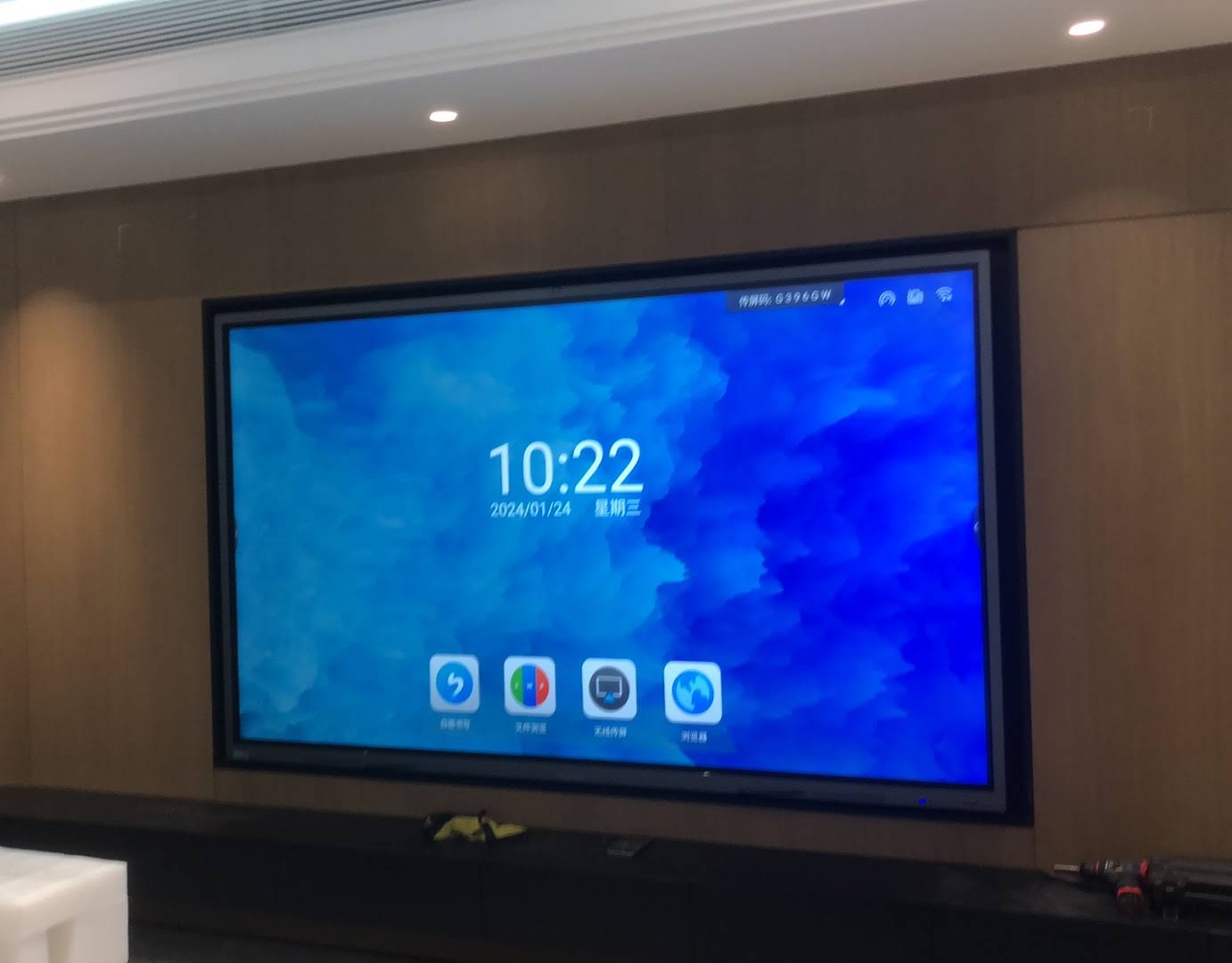
How to Evaluate a Smart Board Manufacturing Partner
The success of a private-label interactive display program depends less on the spec sheet and more on the manufacturer behind it. Use the following criteria when shortlisting candidates.
Industry Experience and Product Breadth
A manufacturer with more than a decade in interactive panels has already solved problems you have not yet encountered—panel supply fluctuations, touch calibration drift, thermal management in enclosed cabinets, and firmware compatibility across Android versions. Breadth also matters: a partner that produces smart whiteboards, rotating screens, and mini PCs can offer a complete ecosystem rather than a single SKU.
Proven Export Track Record
Serving dozens of countries means the manufacturer understands regional voltage standards, plug types, language localization, labeling laws, and documentation requirements. Ask for references in your target region and check whether the partner exhibits at international trade shows such as those organized by AVIXA or CES.
Quality Systems and Testing Capability
Look for ISO 9001 certification, in-house reliability labs, and documented aging tests of at least 48 hours per unit. Request the factory’s defect rate data and RMA history. For education deployments, the guidance on choosing an interactive display for K-12 highlights how durability and support directly influence district-wide adoption.
Software and R&D Depth
Hardware is increasingly commoditized; software is where brands win. Confirm whether the factory has an in-house Android and Windows development team, how firmware updates are delivered, and whether they can integrate AI features such as voice assistants, meeting transcription, or smart handwriting recognition.
Transparent Communication
Dedicated project managers, English-speaking engineers, weekly progress reports, and clear escalation paths are signs of a mature OEM/ODM operation. Delays in sample feedback or vague answers during the quotation phase usually predict problems in production.
Popular Smart Board Configurations for Private Label Programs
While every project is different, certain configurations consistently perform well in global markets. The table below summarizes reference platforms commonly adopted by OEM partners, based on LeaderHub’s current product lines.
| Reference Platform | Sizes | Key Features | Target Segment |
|---|---|---|---|
| ZM Series | 65″ / 75″ / 86″ | 4K, cost-optimized, Android, IR touch | Education, SMB |
| HM Series | 65″ / 75″ / 86″ | 4K, rotatable conference hub, AI camera | Corporate meeting rooms |
| H Pro Series | 75″ / 110″ | Premium 4K, large-venue performance | Lecture halls, boardrooms |
| U55Pro Mobile | 55″ | Battery-powered, mobile 4K smart display | Agile workspaces, training |
| Portable Screens | 24.5″ / 27″ | Android 14, built-in battery, rotating stand | Home, creators, small teams |
The HM Series in particular demonstrates how ODM-level design thinking creates market differentiation: its rotating conference hub concept earned international design recognition, as detailed in the Leaderhub HM Series award profile.
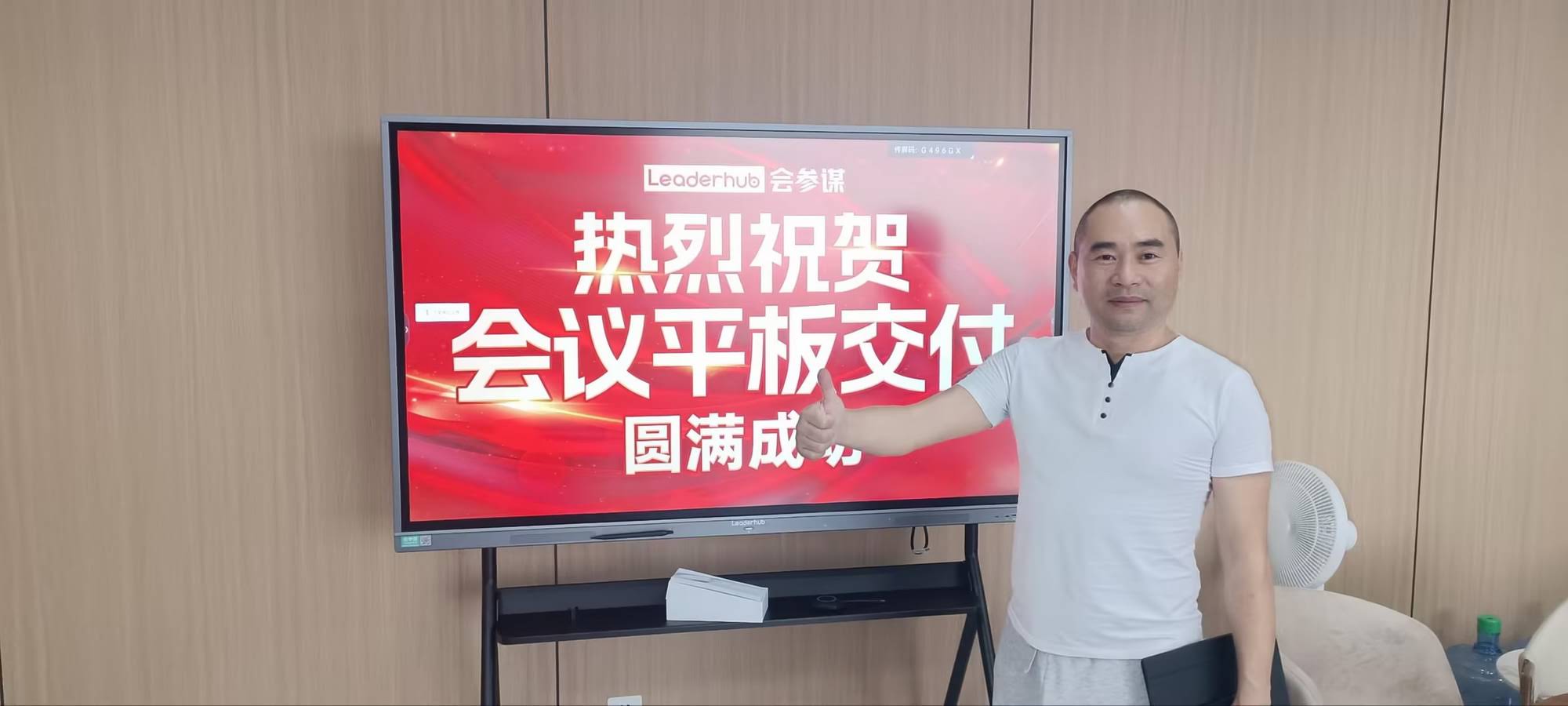
Certifications and Compliance by Region
Certification is often the most underestimated part of a custom display project. Shipping without proper compliance can result in customs rejection, fines, or product recalls. Plan certification early, since testing can take four to ten weeks depending on scope.
- European Union: CE marking covering LVD, EMC, and RED directives; RoHS and REACH; WEEE registration; ErP energy labeling.
- United States and Canada: FCC Part 15, UL or ETL safety listing, Energy Star where applicable; FCC ID for wireless modules.
- United Kingdom: UKCA marking in addition to or replacing CE for post-Brexit shipments.
- Middle East: SASO (Saudi Arabia), ESMA (UAE), and G-Mark for Gulf states.
- Asia-Pacific: BIS (India), KC (Korea), PSE (Japan), RCM (Australia).
- Google EDLA: Required if your Android panel will ship with Google Play Services and native Google apps—an increasingly important differentiator for education buyers.
Education-focused buyers should also review frameworks such as the ISTE Education Technology Standards, which influence how schools in North America evaluate classroom technology beyond hardware compliance.
Cost Structure: What Drives the Price of a Custom Smart Board?
Understanding cost drivers allows you to make informed trade-offs during the specification phase. The LCD panel typically represents 50 to 65 percent of the total bill of materials, which is why panel size and grade have the largest effect on pricing.
Primary Cost Drivers
- Panel size and grade — A-grade 4K panels from tier-one suppliers command a premium but reduce dead-pixel RMA risk.
- Touch technology — Capacitive adds significant cost over infrared, especially above 75 inches.
- Computing module — Higher RAM, storage, and an OPS Windows module increase unit cost but open enterprise segments.
- Camera and audio — Integrated 4K AI cameras and 8-mic arrays add cost but eliminate separate peripheral purchases for end users.
- Tooling — Custom bezels, stands, or housings require one-time mold investment, amortized across volume.
- Certification and software — Lab fees, Google EDLA licensing, and custom app development are fixed costs that decline per unit as volume grows.
Cost Optimization Strategies
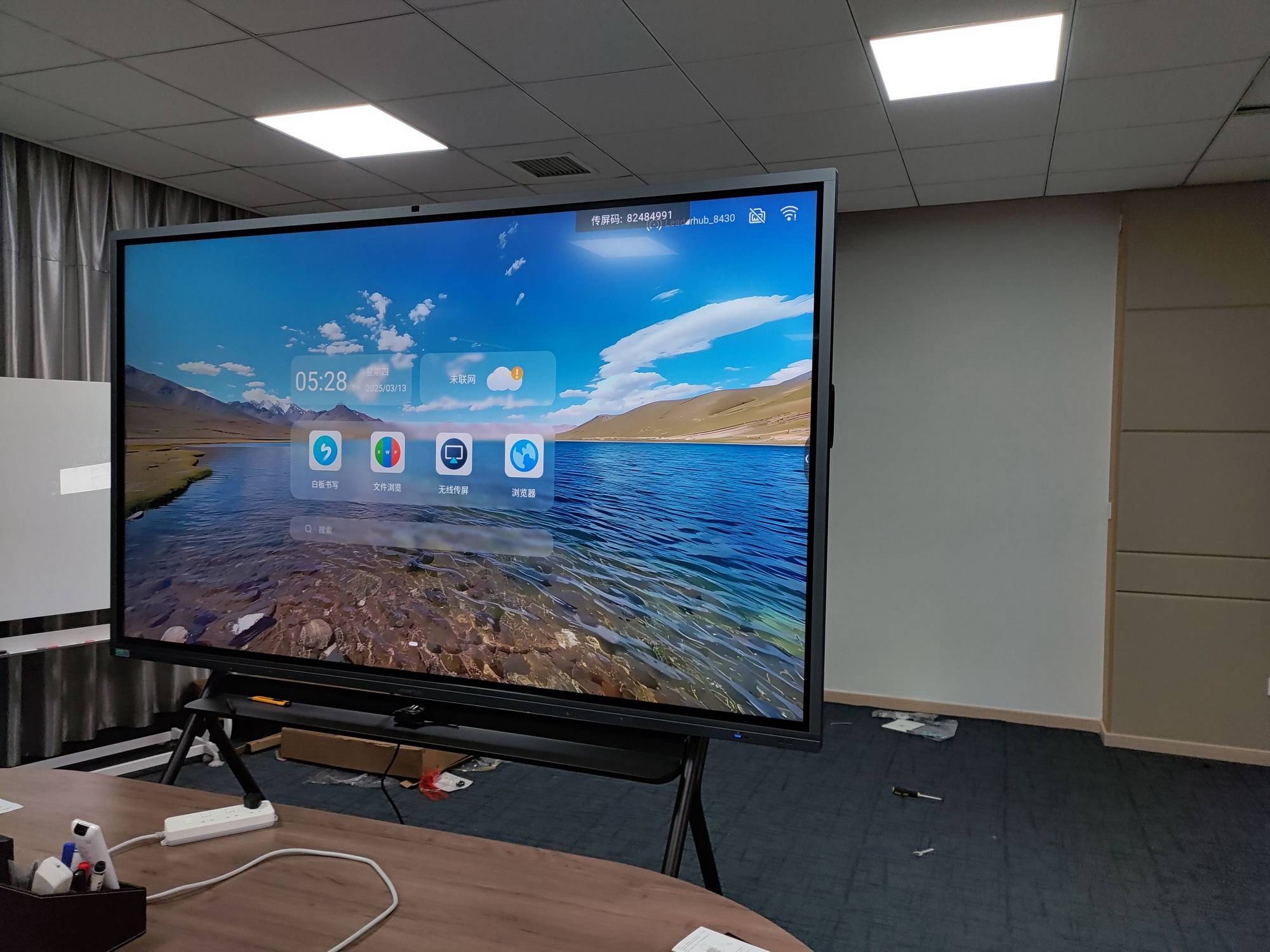
Experienced buyers often start with an OEM program on a proven platform, validate market demand, and then invest in ODM differentiation once volume justifies tooling. Standardizing on two or three sizes rather than five also improves panel purchasing leverage and simplifies spare parts logistics.
Application Scenarios Shaping OEM and ODM Demand
Education
Classrooms remain the largest volume segment. The UNESCO Technology in Education Report emphasizes that technology should serve pedagogy rather than the reverse, which translates into practical requirements: fast boot times, intuitive whiteboarding, robust palm rejection, low-blue-light modes, and simple device management for IT staff. Custom education panels often bundle lesson-planning software and classroom response tools.
Corporate and Hybrid Work
Enterprise buyers demand certified video conferencing experiences, wireless casting from any device, calendar integration, and centralized fleet management. Rotating displays that switch between landscape and portrait are gaining traction for document review and vertical video content.
Government and Public Sector
Public tenders usually specify local certifications, data security standards, extended warranties, and in-country service capability. An OEM partner with proven export documentation and compliance support simplifies tender participation.
Retail, Hospitality, and Creative Studios
These segments value industrial design, mobility, and display quality. Battery-powered portable screens and compact smart displays enable new use cases—from pop-up retail presentations to collaborative design reviews—where traditional wall-mounted panels are impractical.
Working with LeaderHub as Your OEM/ODM Partner
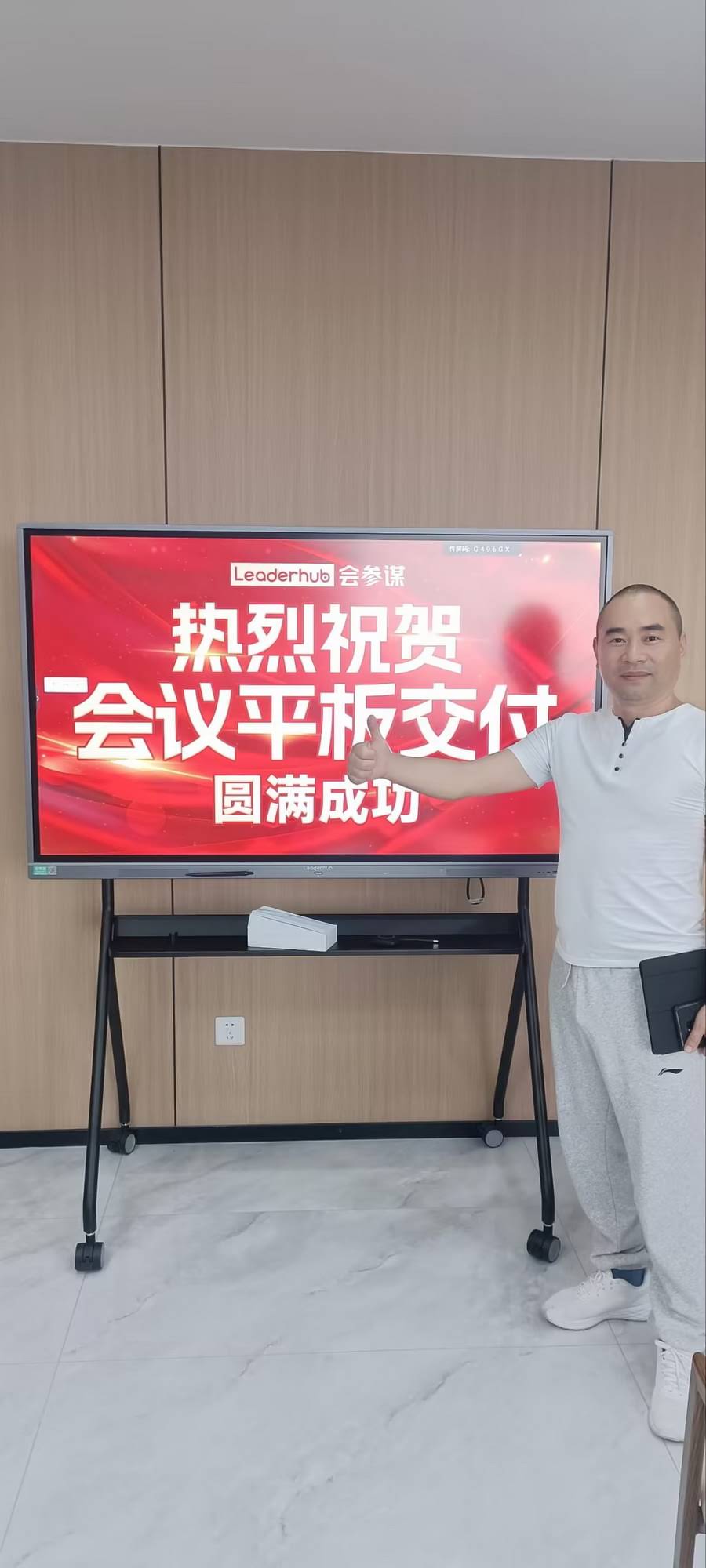
LeaderHub is a Shenzhen-based interactive display manufacturer with 16 years of experience, delivering smart whiteboards, interactive flat panels, mini PCs, and portable smart screens to partners in 82 countries. Its product portfolio spans four lines, ranking NO.1 in its JD.com subcategory, and the company maintains strategic partnerships across finance, internet, education, training, and government sectors worldwide. For brands exploring custom interactive display manufacturing, this combination of mature hardware platforms, in-house software development, and global export experience shortens the path from concept to shipment.
Typical engagement options include:
- Brand-ready OEM on ZM, HM, and H Pro platforms with custom logo, packaging, launcher, and language packs.
- Hardware configuration tailored to regional needs—RAM, storage, OPS modules, camera specifications, and port layouts.
- ODM development for new form factors including rotating displays, battery-powered mobile panels, and compact smart screens.
- Software collaboration covering custom Android launchers, device management, and AI-driven meeting and teaching features.
- Compliance and logistics support for CE, FCC, UKCA, Google EDLA, and regional market entry requirements.
Step-by-Step Checklist for Launching Your Private Label Smart Board
- Define your market position — entry-level education, mid-range SMB, or premium enterprise.
- Select two or three core sizes based on regional demand data and competitor gaps.
- Decide OEM vs. ODM according to budget, timeline, and need for differentiation.
- Request samples and conduct hands-on evaluation with real teachers or meeting-room users.
- Finalize branding assets — logo files, color codes, boot animation, packaging artwork, user manual.
- Confirm certification roadmap and budget lab testing time into your launch calendar.
- Plan after-sales infrastructure — spare parts, firmware update process, warranty terms, and local service partners.
- Schedule a pilot run before full production to validate quality and packaging in transit.
Frequently Asked Questions
What is the typical MOQ for smart board OEM programs?
MOQ varies by customization depth. Branding-only OEM programs on existing platforms can start with small batches, while ODM projects with custom tooling generally require higher volumes to justify development costs. Discuss tiered pricing with your manufacturer to find the right starting point.
How long does it take to receive samples?
For OEM configurations, samples are usually ready within two to three weeks. ODM engineering samples take longer, often six to twelve weeks depending on mechanical and electrical complexity.
Can I use my own software on the panel?
Yes. Most manufacturers support custom Android launchers, pre-installed third-party apps, and Windows images on OPS modules. Confirm whether the factory provides SDKs and firmware signing support for your development team.
Who handles warranty and after-sales service?
This is defined in the partnership agreement. Common models include factory-supplied spare parts with local repair by the brand’s service team, or extended factory warranty with advance replacement for key components such as mainboards and touch frames.
Is Google EDLA certification necessary?
If your Android panel will ship with Google Play Store and Google apps, EDLA is required. It has become a strong selling point in education and enterprise markets, so plan for it early if those segments are your focus.
Final Thoughts
Interactive displays are no longer a niche AV product—they are core infrastructure for learning and collaboration. The brands that succeed in this market will be those that pair a clear understanding of their customers with a manufacturing partner capable of turning requirements into reliable, certified, well-supported products. Whether you begin with a brand-ready OEM program or pursue a fully custom ODM design, the right smart board OEM and ODM solutions turn manufacturing from a barrier into a competitive advantage.
Ready to discuss your custom interactive display project? Contact the LeaderHub team to request samples, explore platform options, or schedule a meeting at an upcoming global electronics exhibition.