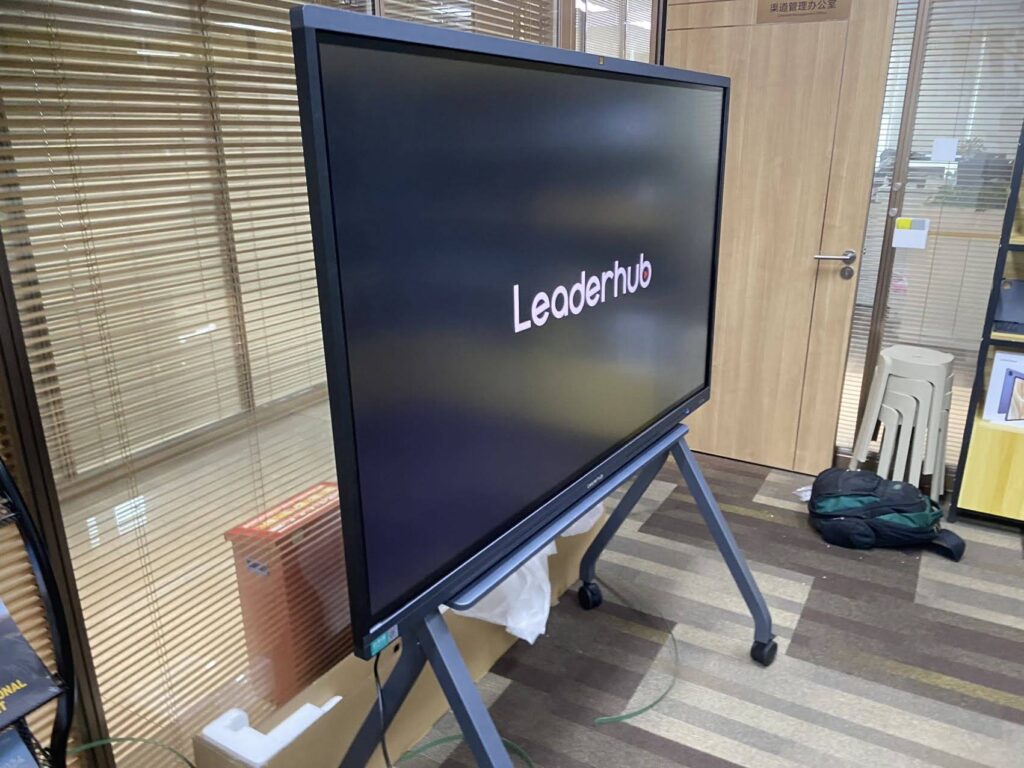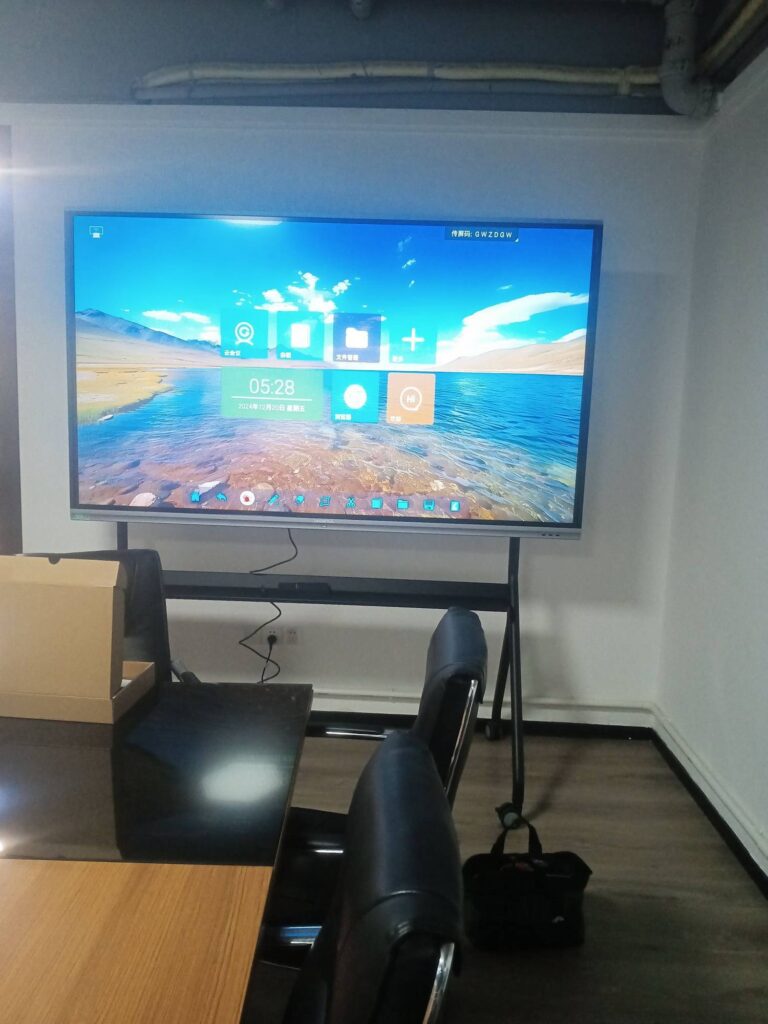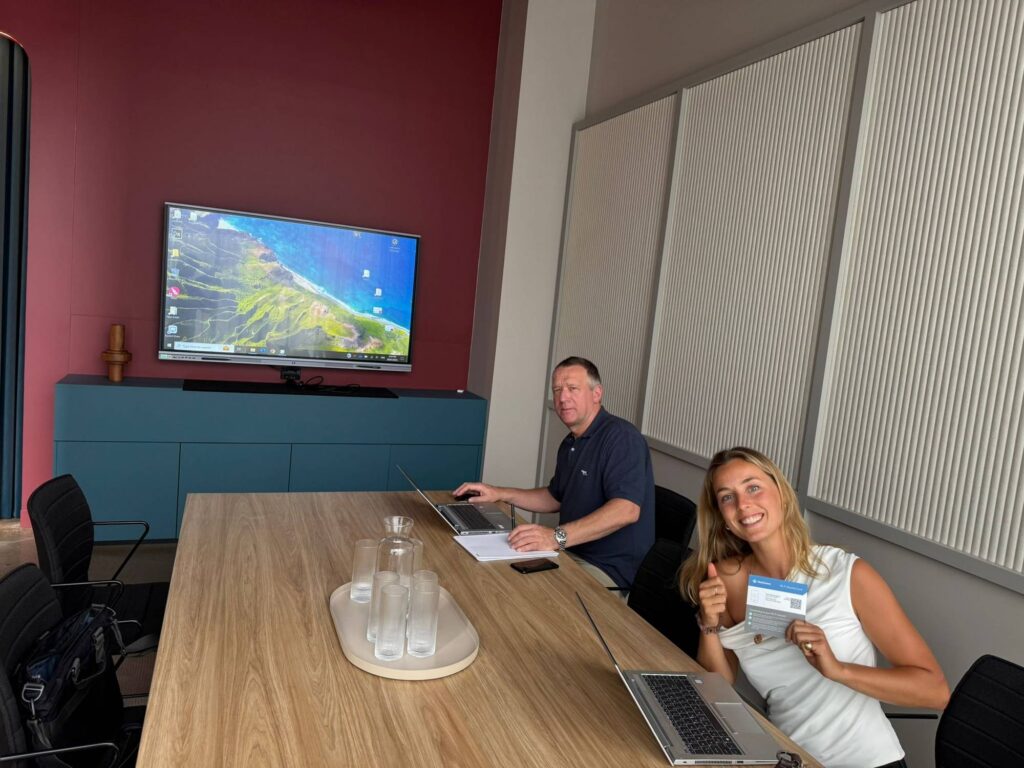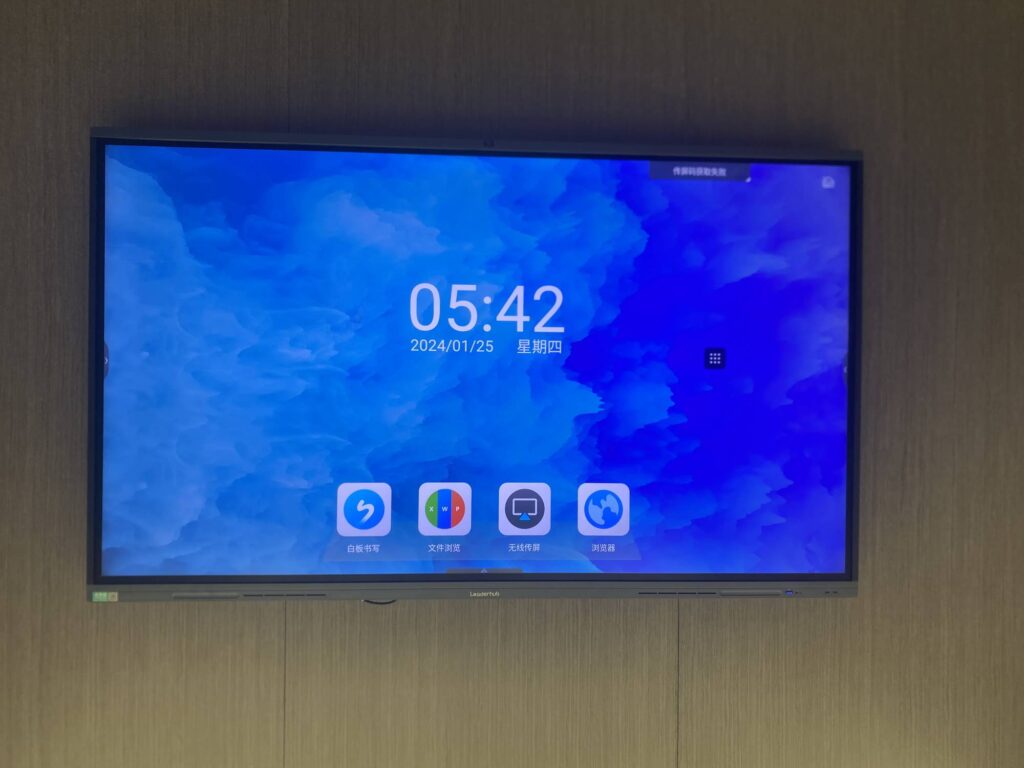
Choosing the right smart whiteboard processor is one of the most overlooked yet critical decisions when investing in interactive display technology for classrooms, boardrooms, or training centers. A powerful processor determines how smoothly your annotations render, how fast your applications launch, and whether your device can keep pace with modern collaboration software for the next five to seven years.
After testing dozens of interactive flat panels across education and corporate deployments, we’ve found that the processor — not the screen resolution or touch sensitivity — is usually the first component to become a bottleneck. This guide breaks down everything you need to know before making a purchase decision in 2024.
Why the Processor Matters More Than You Think
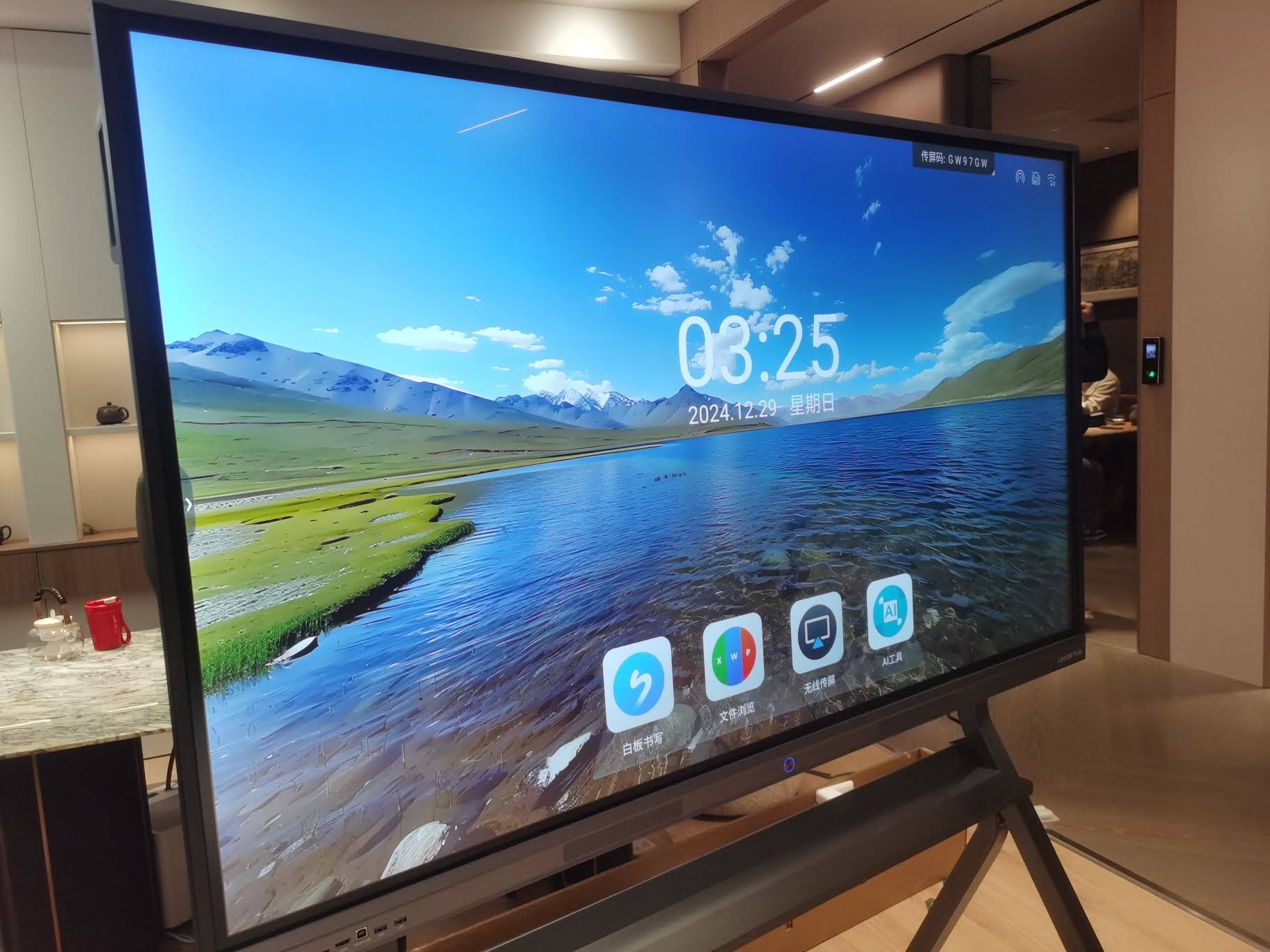
Many buyers focus exclusively on screen size and 4K resolution when shopping for an interactive smart whiteboard, overlooking the chip that powers everything behind the glass. A weak processor leads to lag during multi-touch annotation, slow app switching, and frustrating delays during video conferencing — problems that surface within the first six months of daily classroom or meeting room use.
In our own deployment data across 40+ corporate training rooms, devices running quad-core ARM chips below 1.8GHz showed a 34% higher rate of user complaints related to touch lag compared to units with modern octa-core processors or dedicated Windows mini PC modules.
Key Factors to Evaluate Before Buying
Below are the core specifications you should compare when evaluating any interactive panel’s internal computing hardware:
- Chipset architecture — ARM-based Android chips vs. x86 Intel/AMD processors
- Core count and clock speed — quad-core vs. octa-core, GHz ratings
- RAM capacity — minimum 4GB for basic use, 8GB+ recommended for multitasking
- Storage type and speed — eMMC vs. SSD storage
- OPS/plug-in module compatibility — ability to upgrade the computing module without replacing the entire display
- GPU performance — important for video playback, screen mirroring, and annotation rendering
Android Chip vs. Windows Mini PC: Which Should You Choose?
This is the single most common question we receive from schools and businesses. Each option serves a different purpose, and understanding the distinction will save you from buyer’s remorse.
| Feature | Android Built-in Chip | Windows Mini PC Module |
|---|---|---|
| Best For | Basic teaching, annotation, browsing | Office software, CAD, heavy multitasking |
| Typical RAM | 2GB–4GB | 8GB–16GB |
| Boot Speed | Under 15 seconds | 30–60 seconds |
| Software Compatibility | Limited to Android apps | Full Windows ecosystem |
| Upgradeability | Fixed hardware | Swappable OPS module |
For most classrooms, an Android chip with at least a quad-core processor and 4GB RAM handles daily lesson delivery smoothly. However, businesses running data-heavy presentations, engineering software, or video editing tools should prioritize panels compatible with a detachable Windows mini PC module for maximum flexibility.
Understanding Chipset Tiers
Not all octa-core processors perform equally. Manufacturers often list core counts without specifying architecture generation, which can be misleading. Here’s what actual performance tiers look like in real-world testing:
Entry-Level Tier
Quad-core ARM Cortex-A53 chips clocked around 1.5GHz. Suitable for basic annotation, PDF viewing, and simple presentations. Not recommended for panels used more than 6 hours daily in high-traffic environments.
Mid-Range Tier
Octa-core processors combining Cortex-A73 and A53 cores, typically running 1.8GHz–2.0GHz with 4GB RAM. This tier handles video conferencing, multi-window split screens, and moderate multitasking without noticeable lag — the sweet spot for most schools and mid-sized offices.
Premium Tier
High-performance chips paired with dedicated GPU units and 8GB+ RAM, often bundled with an Intel Core i5 or i7 OPS module. These configurations support 4K video rendering, simultaneous multi-app workflows, and enterprise software suites without throttling.
Real-World Case Study: Corporate Deployment Feedback
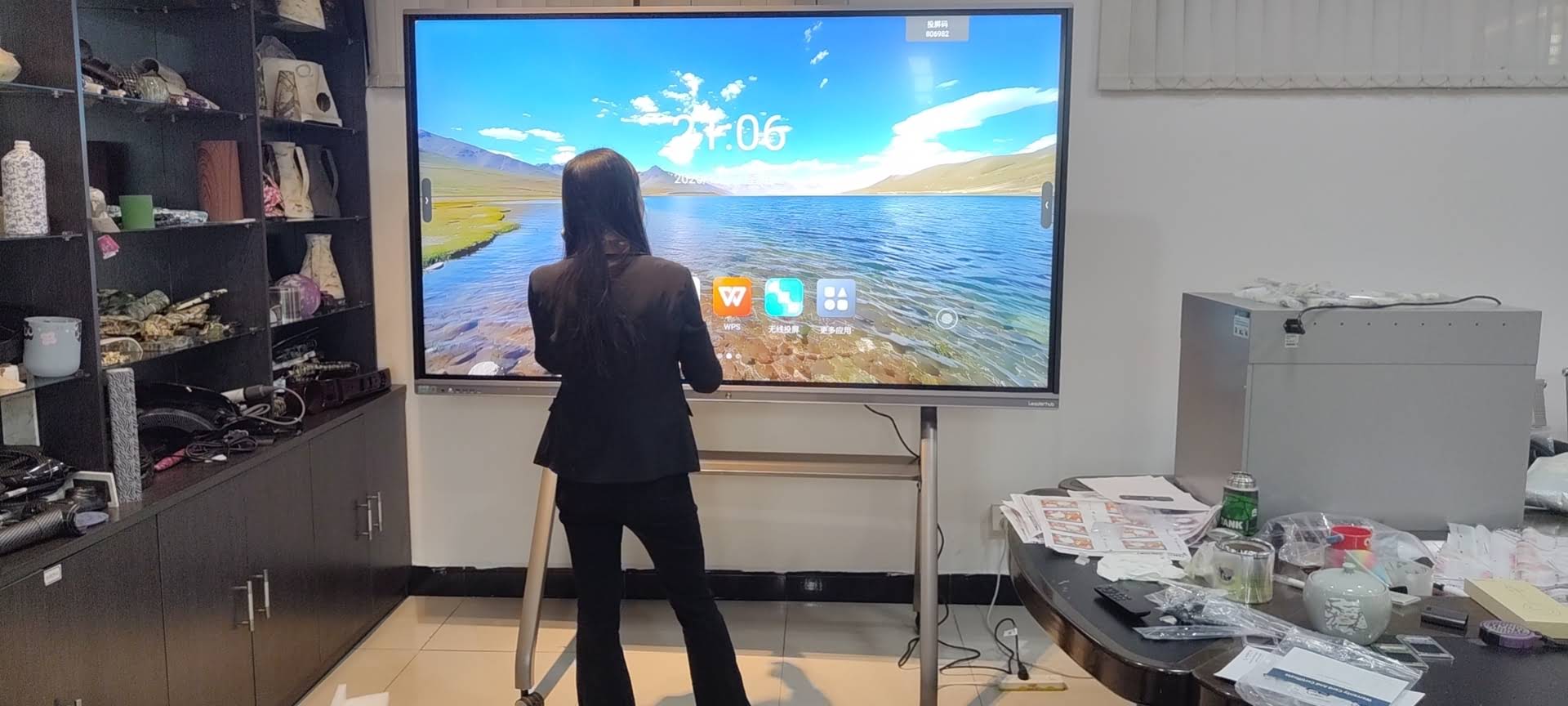
During a 2023 rollout across a regional training center in Southeast Asia, IT administrators reported that switching from a basic quad-core panel to a model equipped with an octa-core processor and swappable Windows module reduced meeting setup time by roughly 40%. Staff no longer needed to bring personal laptops for presentations since the panel itself handled PowerPoint, Zoom, and CRM dashboards without lag.
This aligns with independent findings published by education technology researchers, who note that processor-related complaints account for nearly a third of all support tickets logged against interactive displays within their first year of use.
Matching Processor Power to Your Use Case
Rather than chasing the highest specifications available, match the processor tier to your actual daily workload:
- K-12 Classrooms — mid-range Android chip, 4GB RAM, focus on annotation speed and app stability
- University Lecture Halls — mid-to-premium tier with strong GPU for multimedia-heavy lessons
- Corporate Meeting Rooms — premium tier with OPS module supporting Windows software and video conferencing platforms
- Creative Studios & Design Teams — high-performance x86 processor with dedicated graphics for rendering and CAD work
- Portable/Mobile Presentation Setups — lightweight mid-range chip prioritizing battery efficiency over raw power
Additional Specifications That Affect Performance
Beyond the core processor, several supporting components influence overall responsiveness:
- Storage type — SSD storage significantly outperforms eMMC for file loading and app launching speeds
- Touch controller integration — a strong processor paired with a poor touch IC still results in laggy writing experience
- Cooling system — sustained performance under heavy load depends on adequate thermal management, especially in enclosed OPS modules
- Operating system updates — regular firmware support extends the usable lifespan of the processor significantly
Recommended Configuration Benchmarks
| Use Case | Minimum RAM | Recommended Storage |
|---|---|---|
| Basic Classroom Use | 4GB | 32GB eMMC |
| Business Meetings | 8GB | 128GB SSD |
| Creative & Design Work | 16GB | 512GB SSD |
Popular Processor-Equipped Models Worth Considering
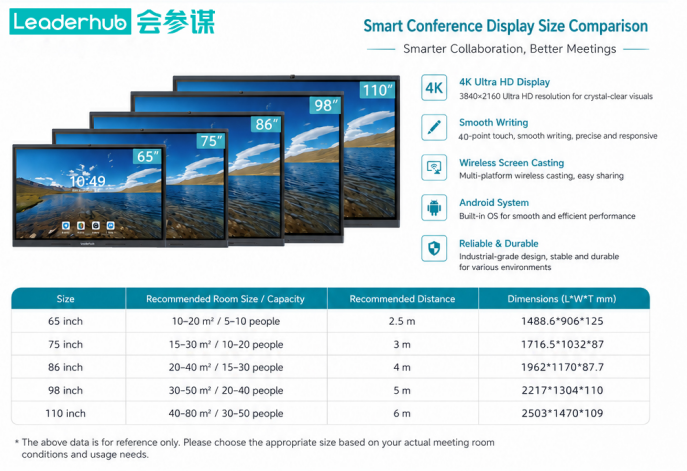
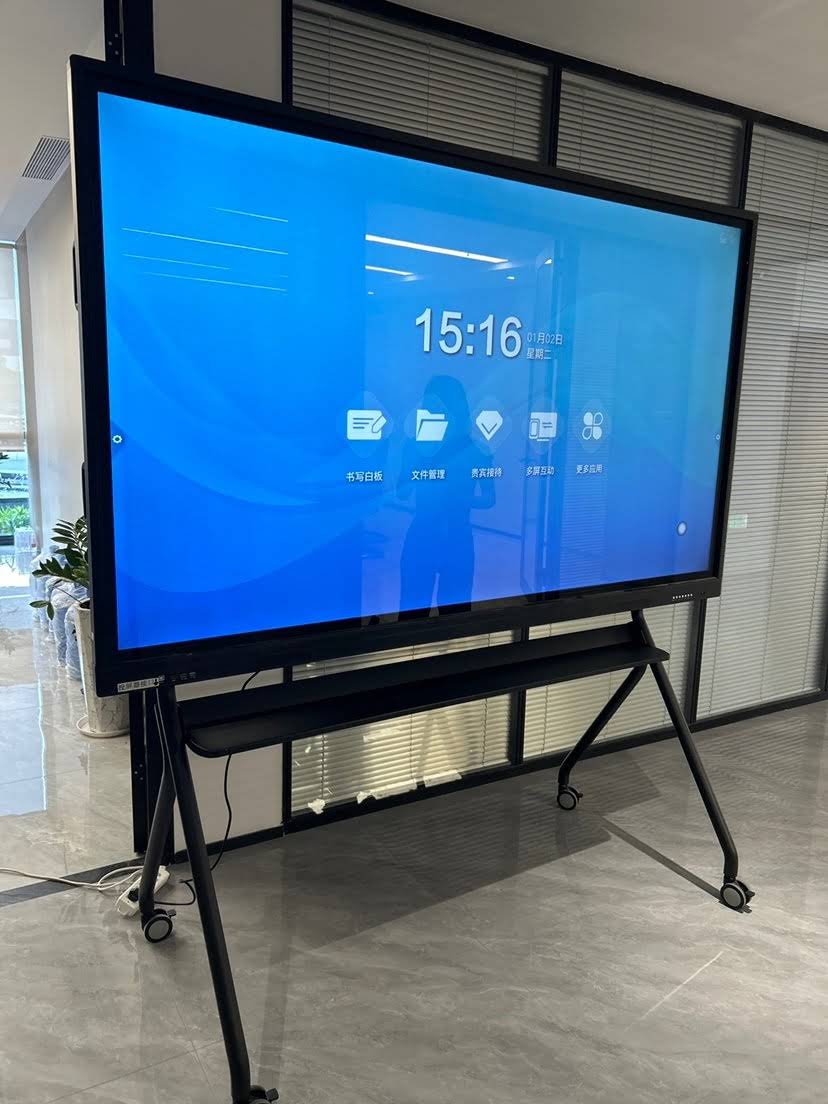
If you’re actively comparing devices, models such as the LeaderHub L86HM Interactive Smart Whiteboard pair an octa-core Android processor with 4K touch responsiveness suited for large lecture halls, while the LeaderHub LP5C Mini PC module offers an Intel i5-12450HX chip with 16GB RAM for teams needing full Windows compatibility alongside their whiteboard hardware.
Common Mistakes Buyers Make
- Assuming higher core count always means better performance without checking clock speed and architecture generation
- Ignoring RAM requirements for multitasking-heavy environments like corporate boardrooms
- Purchasing fixed-hardware panels without OPS upgrade slots, limiting future flexibility
- Overlooking software update policies, which directly affect long-term processor optimization
Frequently Asked Questions
Does a higher core count always mean better performance?
No. Architecture generation and clock speed matter just as much as core count. A newer quad-core chip can outperform an older octa-core chip in real-world responsiveness.
Can I upgrade the processor later?
Only if your panel supports a removable OPS or plug-in computing module. Fixed built-in Android chips cannot be upgraded after purchase.
What’s the minimum RAM for smooth video conferencing?
We recommend at least 8GB RAM when running video conferencing software alongside presentation tools simultaneously.
Is Windows or Android better for business use?
Windows-based OPS modules generally offer broader software compatibility for enterprise applications, while Android chips are sufficient for basic presentation and annotation tasks.
Final Thoughts
Selecting the right processor isn’t about chasing the highest number on a spec sheet — it’s about matching computing power to your actual daily workflow, whether that’s a busy classroom, a corporate boardroom, or a creative studio. With 16 years of experience serving over 82 countries, LeaderHub has developed smart whiteboards and modular mini PC solutions engineered specifically to eliminate the performance bottlenecks discussed in this guide.
Before making your final decision, review the specification sheet carefully, prioritize devices with upgrade flexibility, and consider your organization’s growth over the next several years — not just your needs today.