India’s education and corporate sectors are undergoing a rapid digital transformation. From smart classrooms in Bangalore to corporate boardrooms in Mumbai, interactive displays have become essential tools for collaboration, teaching, and hybrid meetings. With hundreds of vendors claiming to offer the “best” smart whiteboard, choosing the right supplier can feel overwhelming for school administrators, IT procurement managers, and business owners across India.
This guide breaks down exactly what to look for when evaluating a smart whiteboard supplier in India, based on real procurement experience, technical specifications, and after-sales considerations that matter most in the Indian market — including voltage compatibility, GST-compliant billing, regional service coverage, and long-term durability in humid or dusty environments.
Why the Right Supplier Matters More Than the Product Alone
Many buyers focus solely on screen specifications — resolution, touch points, panel size — while overlooking the supplier relationship itself. In India, where logistics, humidity, voltage fluctuations, and regional service availability vary widely between states, the supplier’s reliability often determines the total cost of ownership more than the hardware specs printed on a datasheet.
A reputable supplier should offer not just the panel, but a complete ecosystem: warranty support, spare parts availability, installation training, and firmware updates. This is especially critical for schools in Tier 2 and Tier 3 cities, where technical support centers may be limited.
Key Factors to Evaluate Before Signing a Purchase Order
Based on procurement patterns across Indian schools, coaching institutes, and enterprises, here are the criteria that consistently separate trustworthy suppliers from risky ones:
| Evaluation Criteria | Why It Matters in India |
|---|---|
| Voltage & Power Compatibility | India’s power grid fluctuates between 220V-240V; panels must have surge protection built in. |
| Local Warranty & Service Network | Faster repair turnaround reduces classroom or meeting downtime. |
| Anti-Glare & Humidity Resistance | Coastal cities like Chennai and Mumbai require humidity-resistant coatings. |
| OEM/ODM Manufacturing Capability | Bulk institutional buyers benefit from customization and better pricing tiers. |
| Software Ecosystem (Android/Windows) | Compatibility with existing school ERP or business collaboration tools. |
Understanding the Different Types of Smart Whiteboards Available
Before comparing suppliers, it’s important to understand which product category actually fits your use case. Not every “smart board” is built for the same purpose.
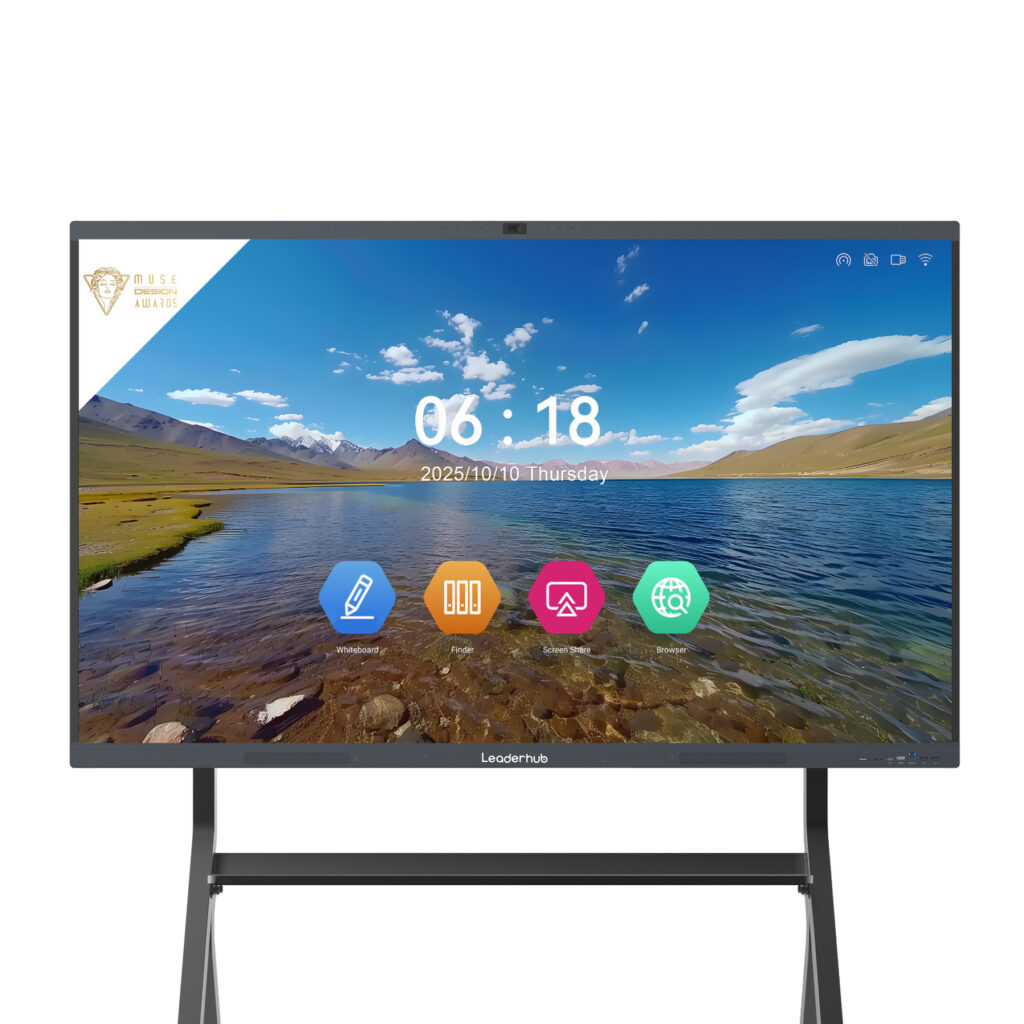
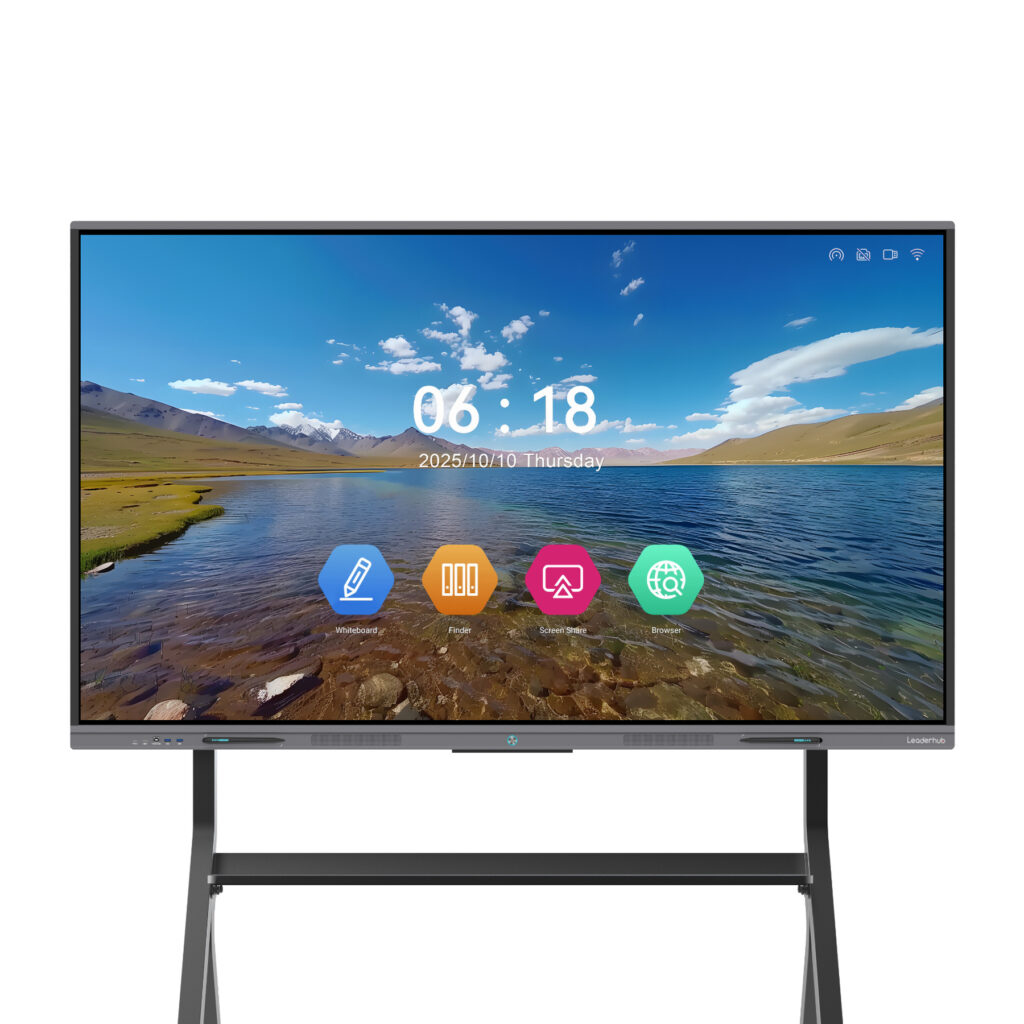
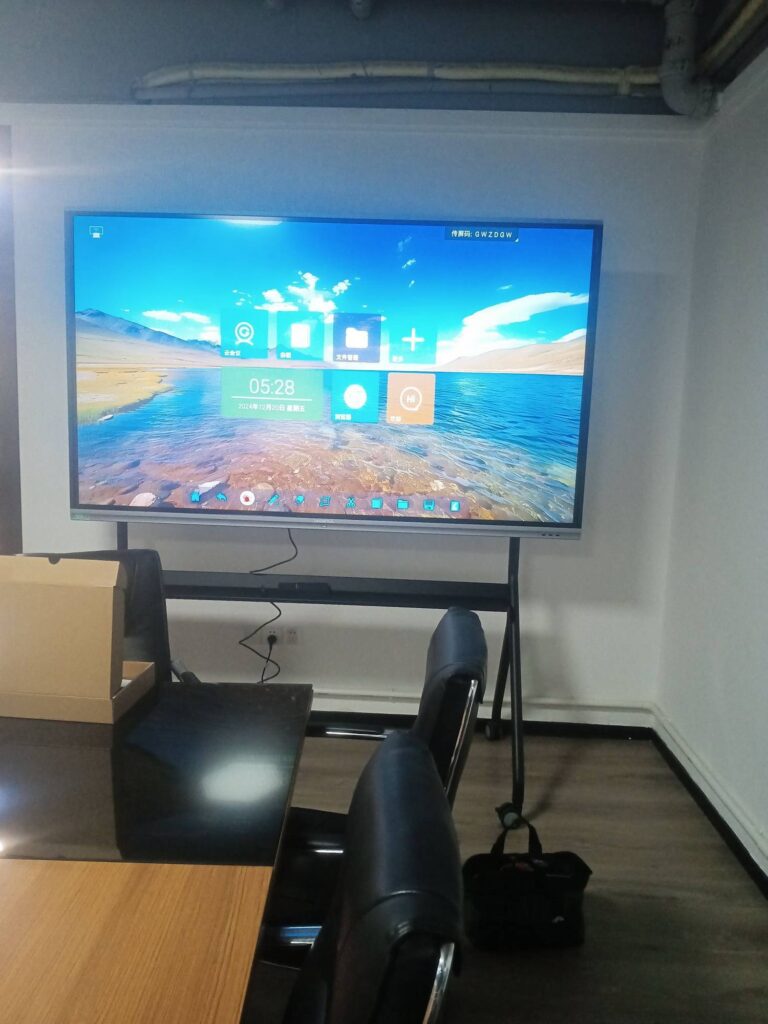
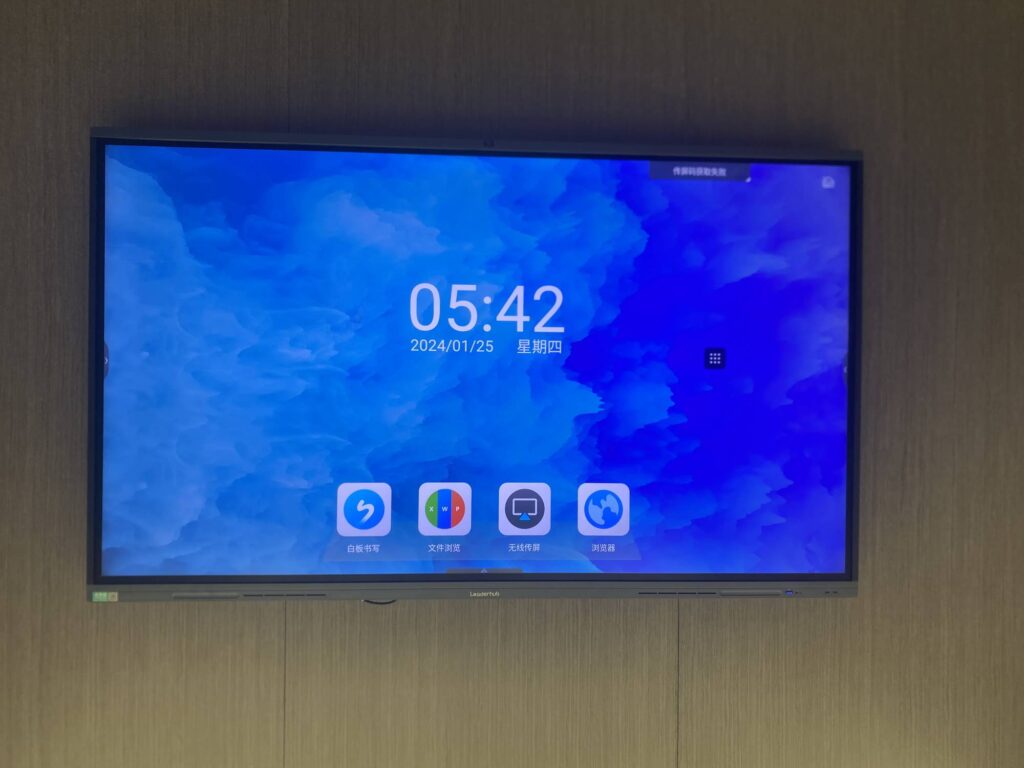
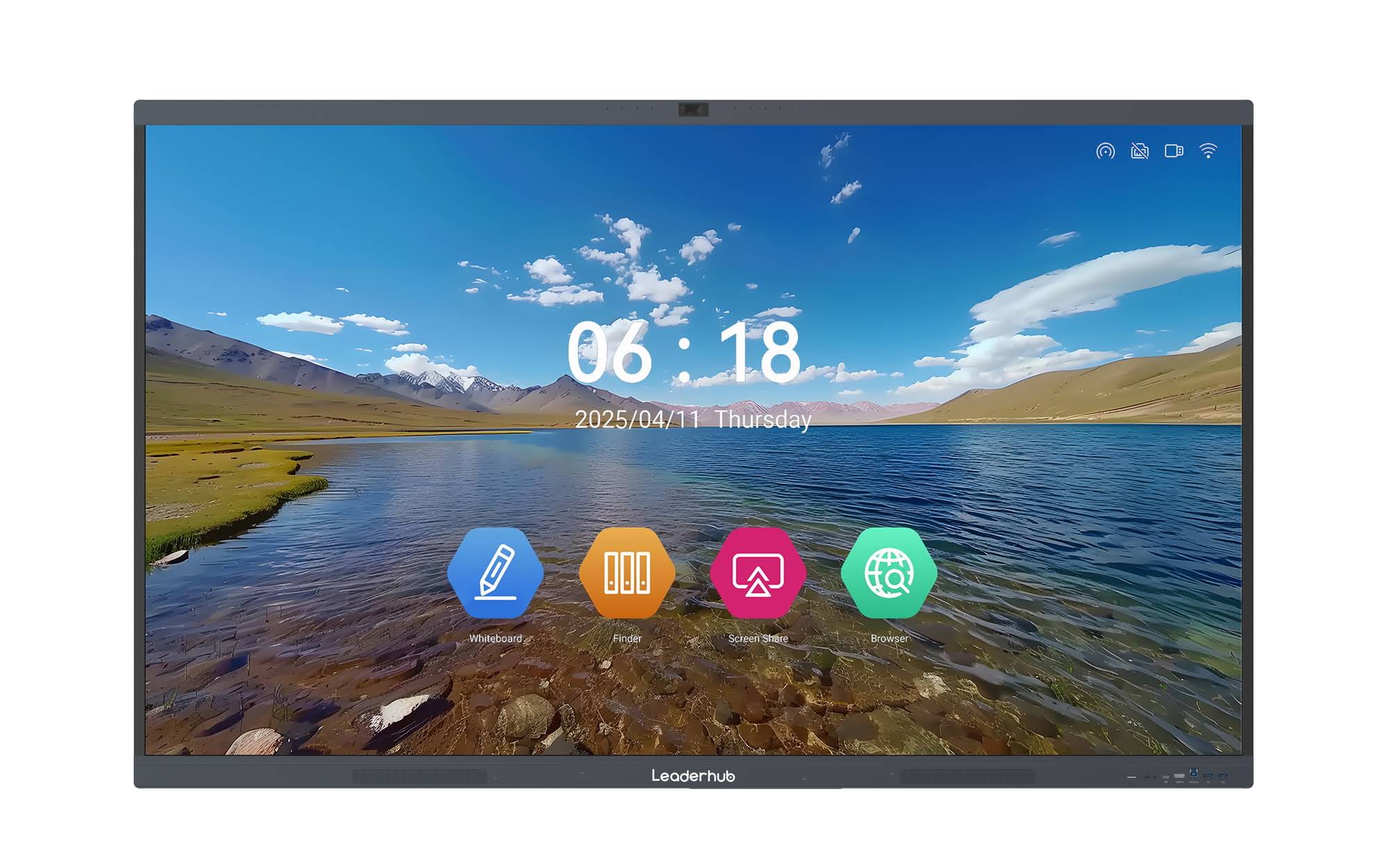
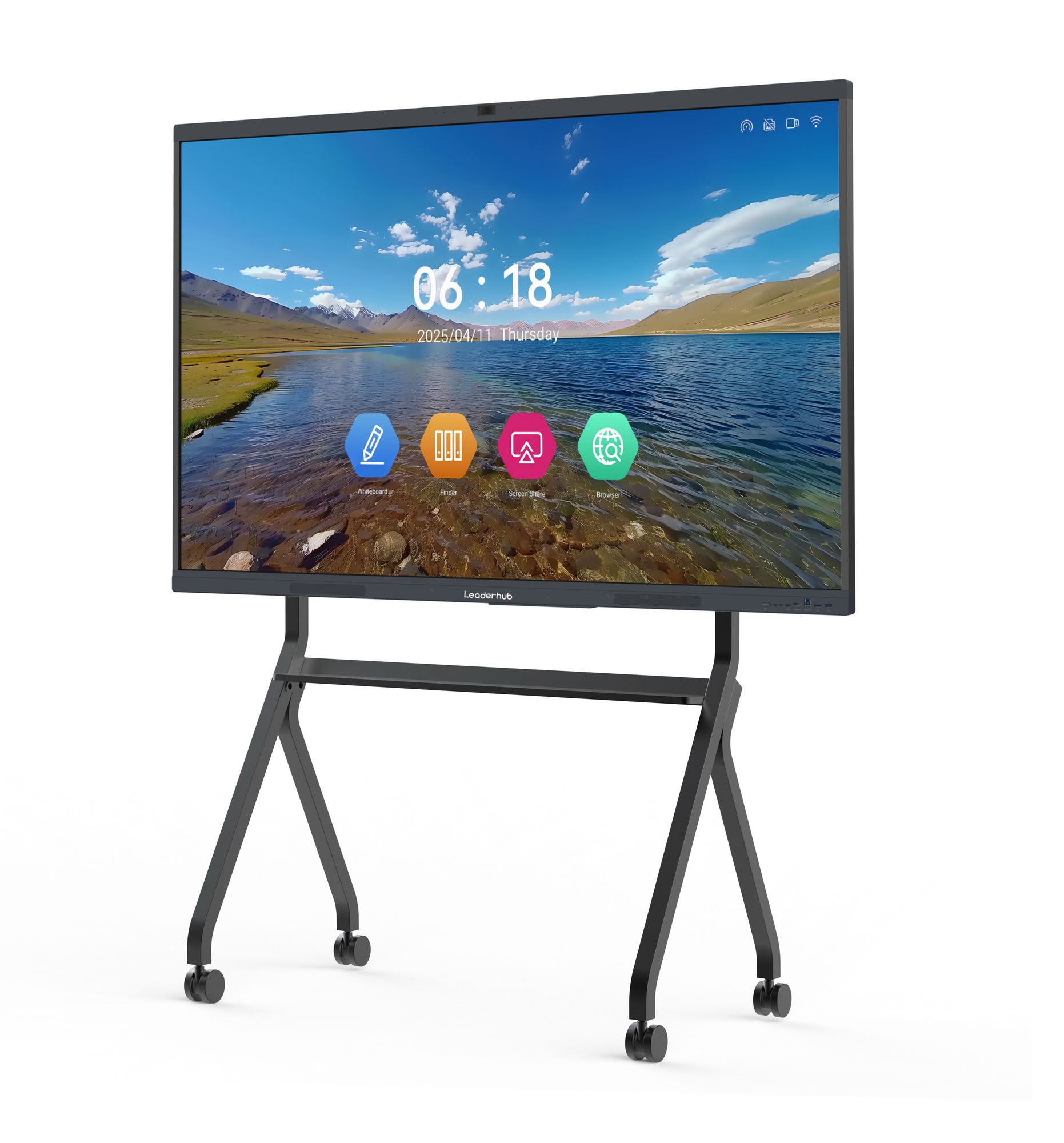
- Interactive Flat Panels (IFPs): Large fixed-installation displays (65″–110″) ideal for classrooms and boardrooms, typically running Android with built-in whiteboard software.
- Rotating Smart Screens: Portable, battery-powered displays that rotate between landscape and portrait — useful for small meeting rooms or mobile training sessions.
- Mini PC-Integrated Boards: Panels paired with a plug-in mini PC module running Windows, giving full desktop functionality for enterprise presentations.
- Handheld Smart Screens: Compact tablet-style displays for one-on-one tutoring or small huddle rooms.
Questions to Ask Any Potential Supplier
Procurement teams in India often skip due diligence because of tight deadlines before the academic year or fiscal quarter. Here is a checklist that experienced IT administrators use before finalizing a vendor:
- Does the panel carry BIS (Bureau of Indian Standards) certification or equivalent safety compliance?
- What is the average response time for on-site technical support in your city or region?
- Can the supplier provide reference installations from similar institutions (schools, colleges, or corporate offices) in India?
- Is there a minimum order quantity, and does pricing scale for bulk institutional purchases?
- What warranty period is offered on the touch panel versus the internal Android/Windows module?
Suppliers who hesitate to answer these questions directly, or who cannot provide documentation, are generally a red flag — regardless of how competitive their initial quote appears.
Comparing Smart Whiteboard Panel Sizes for Different Room Types
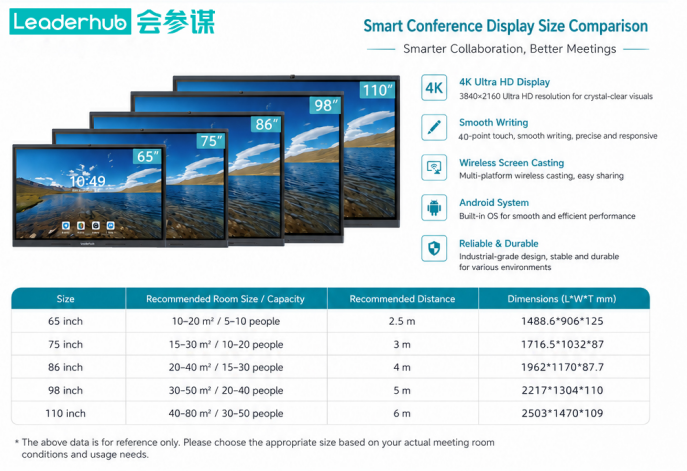
Room size and viewing distance directly affect which panel size delivers the best experience. Oversized panels in small rooms waste budget, while undersized panels in large lecture halls reduce readability for students at the back.
| Room Type | Recommended Panel Size | Typical Use Case |
|---|---|---|
| Small Huddle Room | 55″–65″ | Team stand-ups, small tutoring sessions |
| Standard Classroom | 75″–86″ | K-12 and college classrooms |
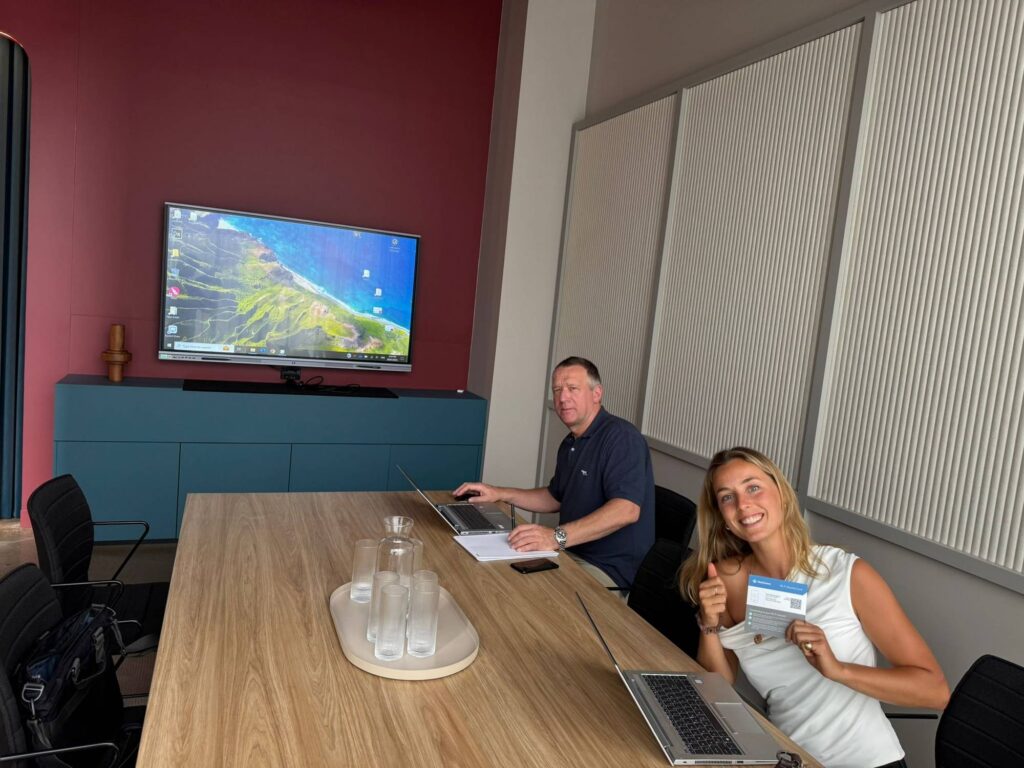
| Corporate Boardroom | 75″–86″ | Executive presentations, video conferencing |
| Auditorium / Lecture Hall | 98″–110″ | Large-scale presentations, seminars |
Real-World Case Example: Scaling Deployment Across Multiple Campuses
A mid-sized private education group operating across three Indian states recently upgraded 40 classrooms with 4K interactive panels. The primary challenge was not the display technology itself, but ensuring consistent firmware updates and touch calibration across all units purchased over an 18-month rollout period. Institutions in this position benefit significantly from working with a single smart whiteboard manufacturer rather than mixing brands, since firmware consistency simplifies IT support and reduces long-term maintenance overhead.
This pattern is common across the industry — according to global display market research, institutional buyers who consolidate purchases with a single vendor report up to 30% lower lifetime support costs compared to buyers who mix multiple brands across a single deployment.
Manufacturer vs. Local Distributor: Which Should You Choose?
In India, buyers typically have two purchasing paths: working directly with an overseas manufacturer, or purchasing through a local distributor/reseller. Each has trade-offs:
- Direct Manufacturer: Better pricing on bulk orders, access to OEM/ODM customization, but longer shipping timelines and less localized support.
- Local Distributor: Faster delivery and on-ground service, but often higher markup and limited customization options.
For institutions purchasing 20+ units, negotiating directly with a manufacturer that has export experience to India — including familiarity with import duties and BIS compliance — usually results in better long-term value, provided the manufacturer has a proven track record of international shipping and after-sales documentation.
Why Manufacturing Experience and Global Reach Matter
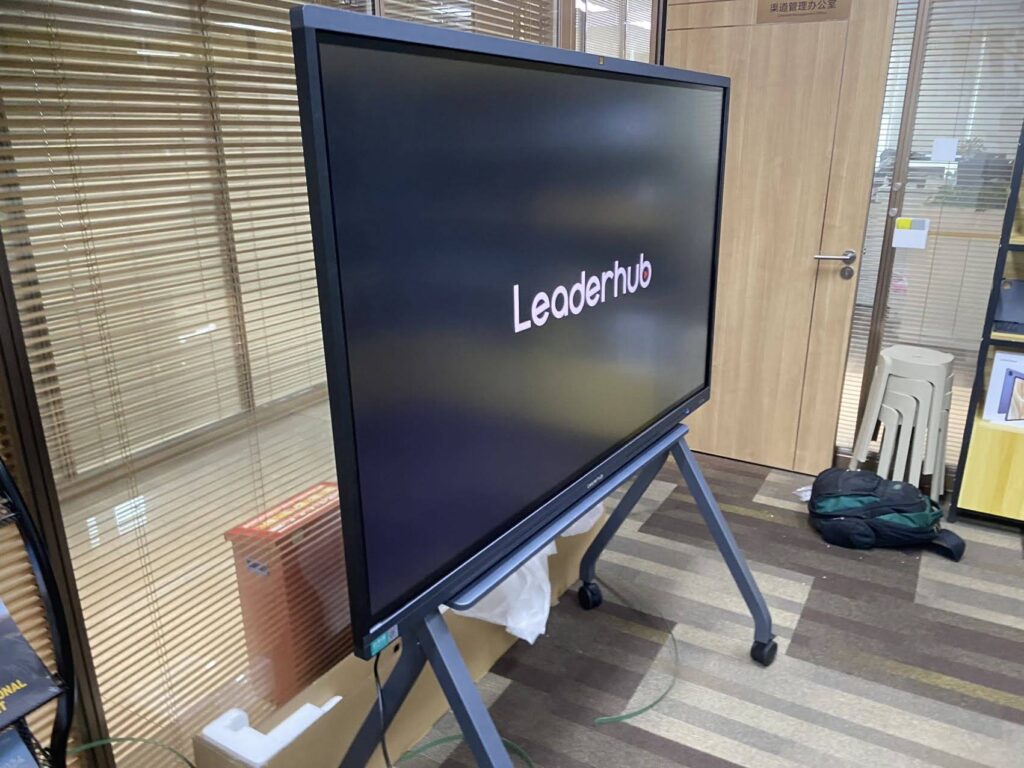
Suppliers with extensive export experience tend to have more mature quality control processes, since their products must meet varying electrical and safety standards across different countries. LeaderHub, a Shenzhen-based manufacturer with 16 years of experience in interactive display technology, has shipped smart whiteboards, mini PCs, and portable smart screens to over 82 countries — a scale of international distribution that typically reflects rigorous quality assurance and standardized firmware support across all export markets.
When evaluating any supplier’s credibility, ask for export documentation, certification records, and — most importantly — references from institutions in a similar market segment to your own. A supplier’s willingness to share this information transparently is often the clearest signal of trustworthiness.
Software and Ecosystem Compatibility
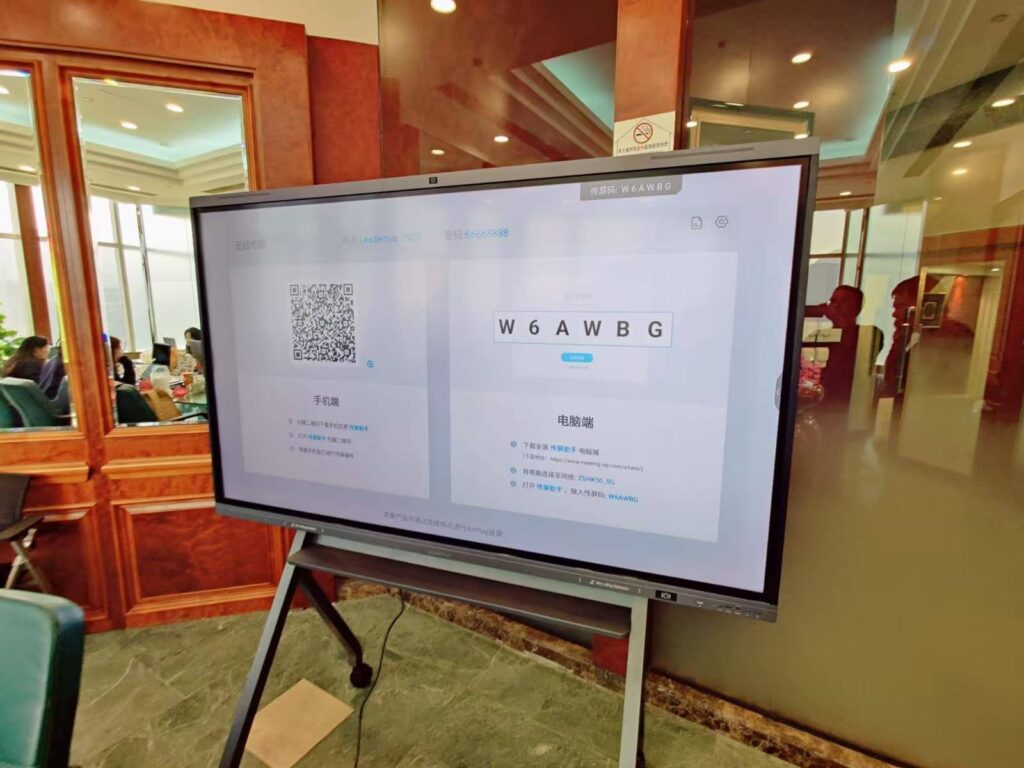
Modern classrooms and offices in India increasingly rely on cloud-based tools like Google Workspace, Microsoft Teams, and regional e-learning platforms. Before purchasing, confirm that the panel’s operating system — whether Android-based or a plug-in mini PC module — supports these integrations natively, without requiring third-party adapters that can introduce latency or compatibility issues during live sessions.
For institutions requiring flexibility between full desktop functionality and lightweight annotation tools, a hybrid panel supporting both rotating screen configurations and standard wall-mounted setups offers the most adaptable long-term investment.
Final Checklist Before Making a Purchase Decision
| Checklist Item | Status Confirmed? |
|---|---|
| Certification & safety compliance verified | ☐ |
| Warranty terms in writing | ☐ |
| Reference installations reviewed | ☐ |
| Bulk pricing and OEM options discussed | ☐ |
| Software ecosystem compatibility tested | ☐ |
Choosing the best smart whiteboard supplier in India ultimately comes down to balancing upfront cost against long-term reliability, service availability, and ecosystem compatibility. Institutions that invest time upfront in vendor due diligence — checking certifications, requesting references, and confirming after-sales support — consistently report smoother deployments and lower total cost of ownership over the product’s lifecycle.
For schools, training centers, and enterprises exploring their options, comparing product specifications directly with manufacturers that have proven export experience and a diverse product lineup remains the most reliable path to a confident purchasing decision.