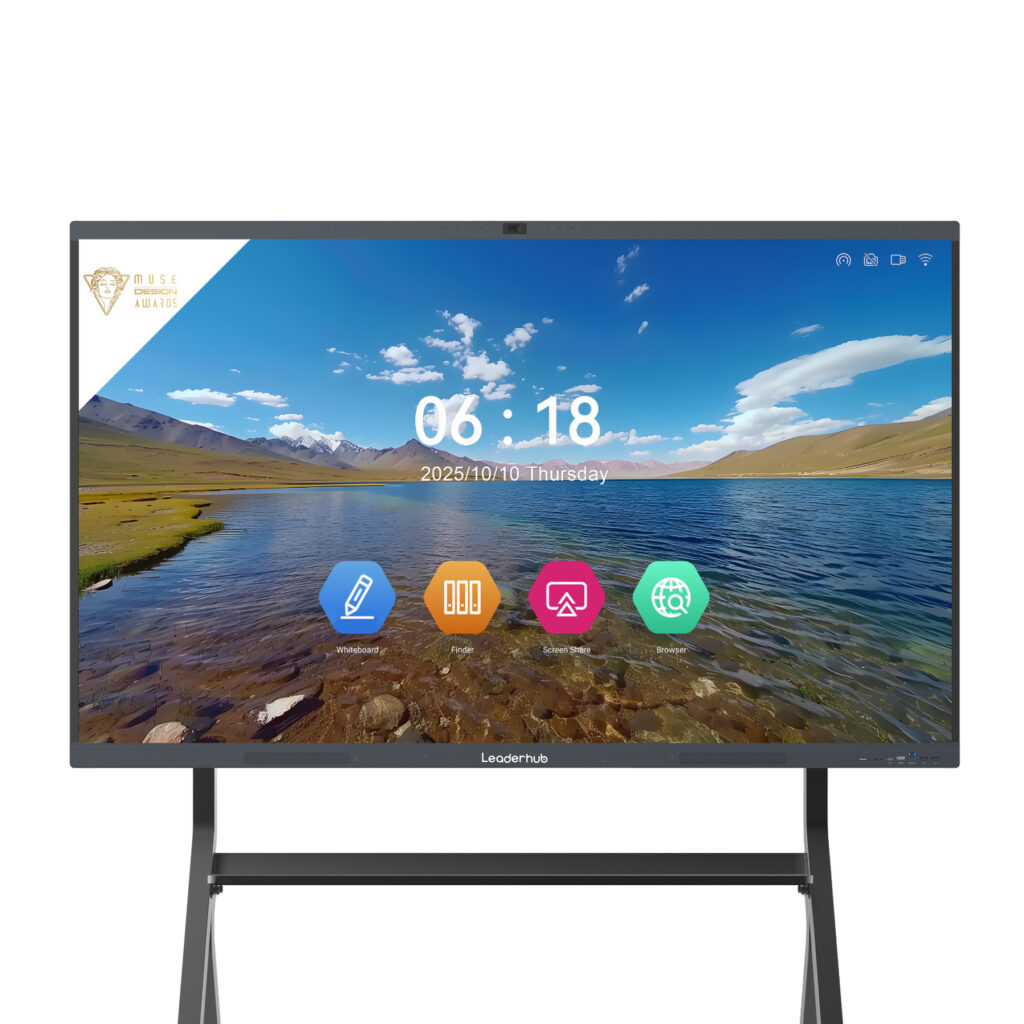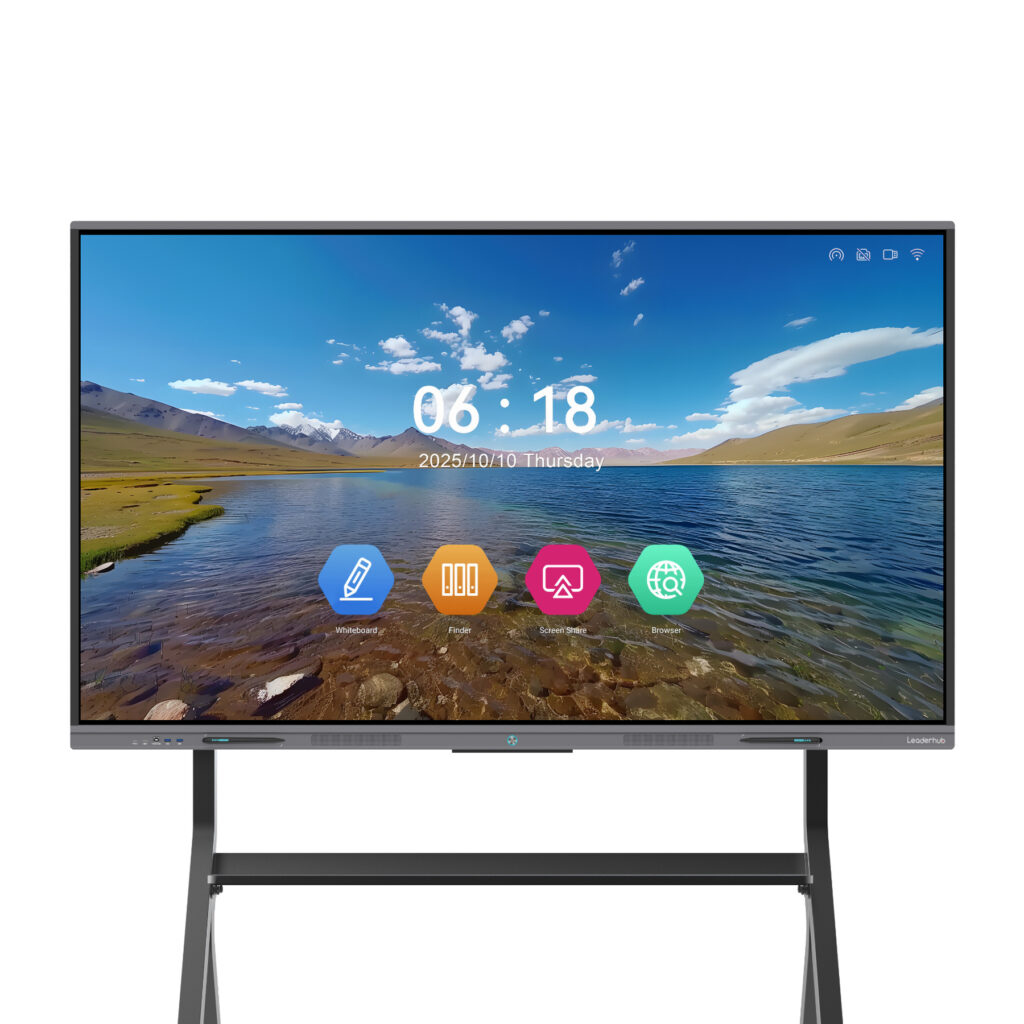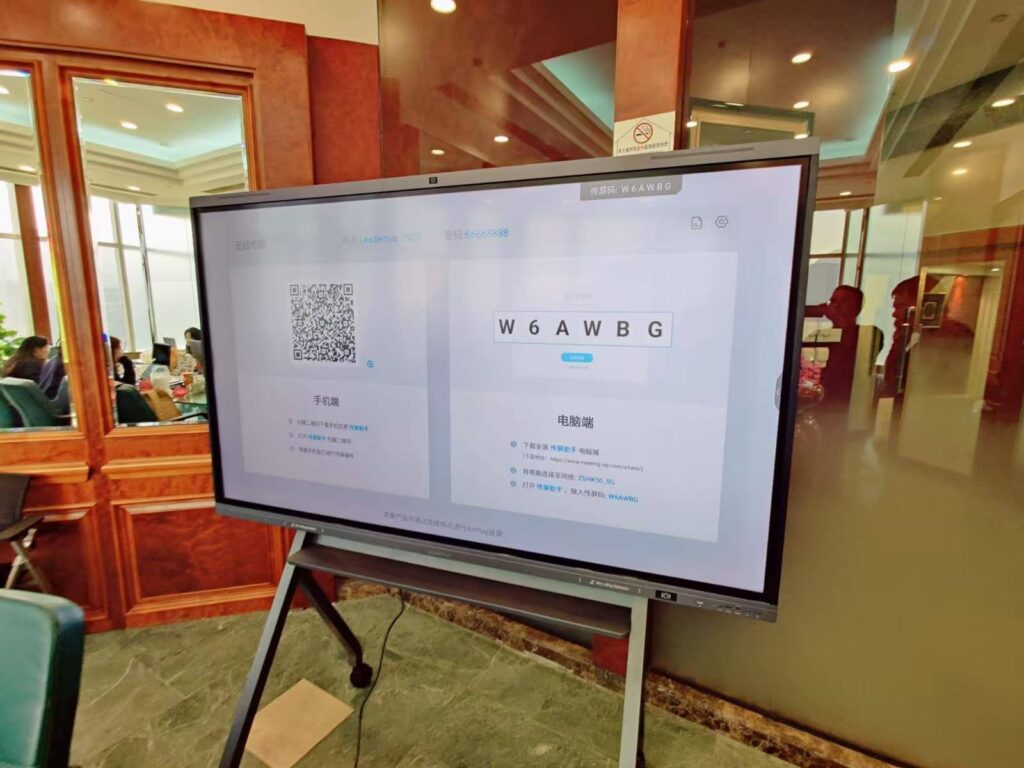
Indian classrooms are undergoing a rapid digital transformation. From metro cities like Bengaluru and Delhi to Tier-2 towns such as Nagpur and Coimbatore, schools, coaching centers, and universities are replacing traditional chalkboards with smart whiteboards to make lessons more interactive, engaging, and effective. But with dozens of brands, screen sizes, and specifications available in the Indian market, choosing the right interactive display can feel overwhelming for school administrators, teachers, and procurement officers.
This guide breaks down everything Indian educators need to know before investing in a smart whiteboard — from technical specifications to classroom-specific considerations like power stability, humidity resistance, and budget constraints unique to the Indian education sector.
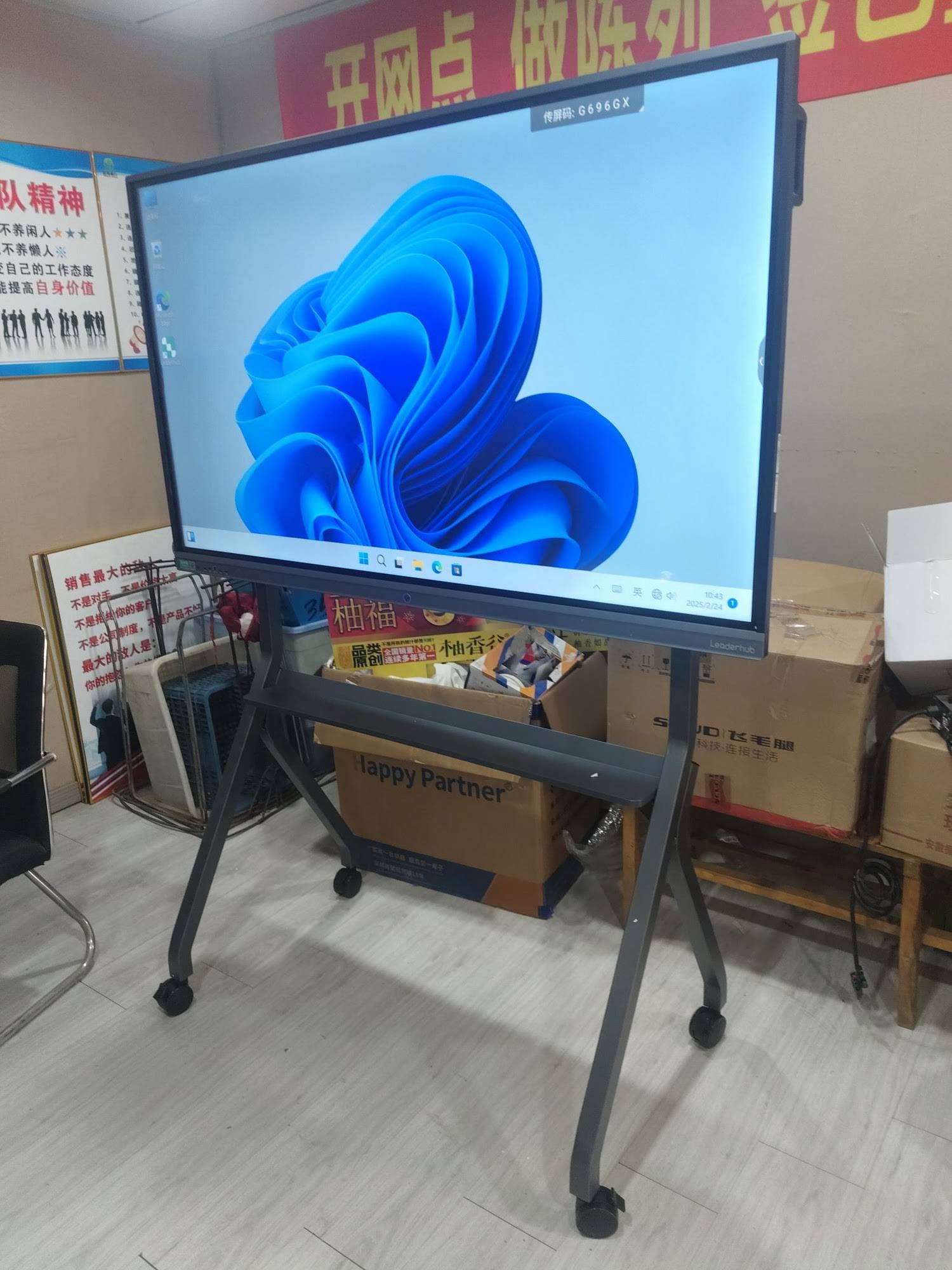
Why Smart Whiteboards Are Gaining Popularity in India
According to industry reports from India’s EdTech sector, digital classroom adoption has grown by over 35% year-on-year since 2021, driven by government initiatives like Digital India and the National Education Policy (NEP) 2020, which explicitly encourages technology-integrated learning. Many CBSE, ICSE, and state board schools are now mandated to incorporate digital teaching aids, making smart whiteboards a practical solution rather than a luxury.
From our experience working with educational institutions across Asia, we’ve observed that Indian schools face three recurring challenges when adopting interactive displays: inconsistent power supply, dusty environments affecting touch sensitivity, and budget constraints for smaller institutions. A well-chosen smart whiteboard must address all three.
Key Factors to Consider Before Buying
1. Screen Size and Classroom Dimensions
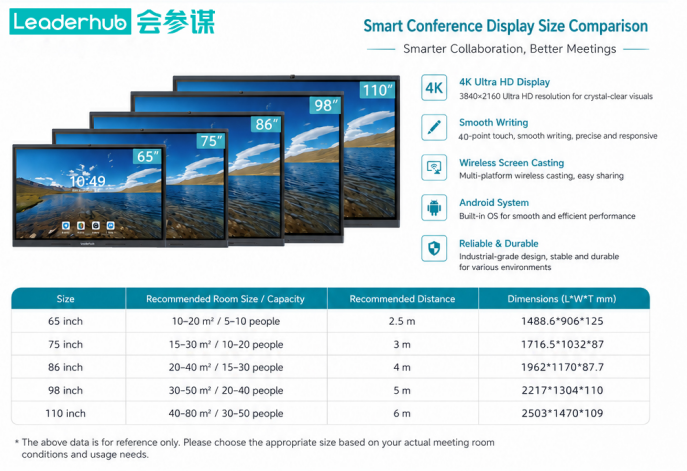
Classroom size directly determines the ideal screen dimension. For most Indian classrooms seating 30-40 students, a 65-inch to 75-inch display offers optimal visibility from the back row. Larger lecture halls or coaching institutes with 60+ students should consider 86-inch or even 110-inch panels.
| Classroom Type | Recommended Size | Ideal Seating Capacity |
|---|---|---|
| Primary School Classroom | 65″ | Up to 30 students |
| Secondary/Higher Secondary | 75″ | 30-45 students |
| Coaching Institute / Lecture Hall | 86″ – 110″ | 45+ students |
2. Display Resolution and Touch Technology
A true 4K UHD display is essential for crisp text and diagrams, especially for subjects like mathematics and science where detail matters. Look for infrared (IR) touch technology with at least 20-point multi-touch support, allowing multiple students to interact simultaneously — a feature particularly valuable for group activities in Indian classroom settings where collaborative learning is increasingly emphasized.
3. Durability for Indian Climate Conditions
India’s diverse climate — from humid coastal regions like Chennai and Mumbai to dusty inland areas like Jaipur — demands displays built with dust-resistant sealing and anti-glare glass. Panels with IP-rated protection and toughened glass (minimum 4mm) tend to perform better long-term in non-air-conditioned classrooms common in government and semi-urban schools.
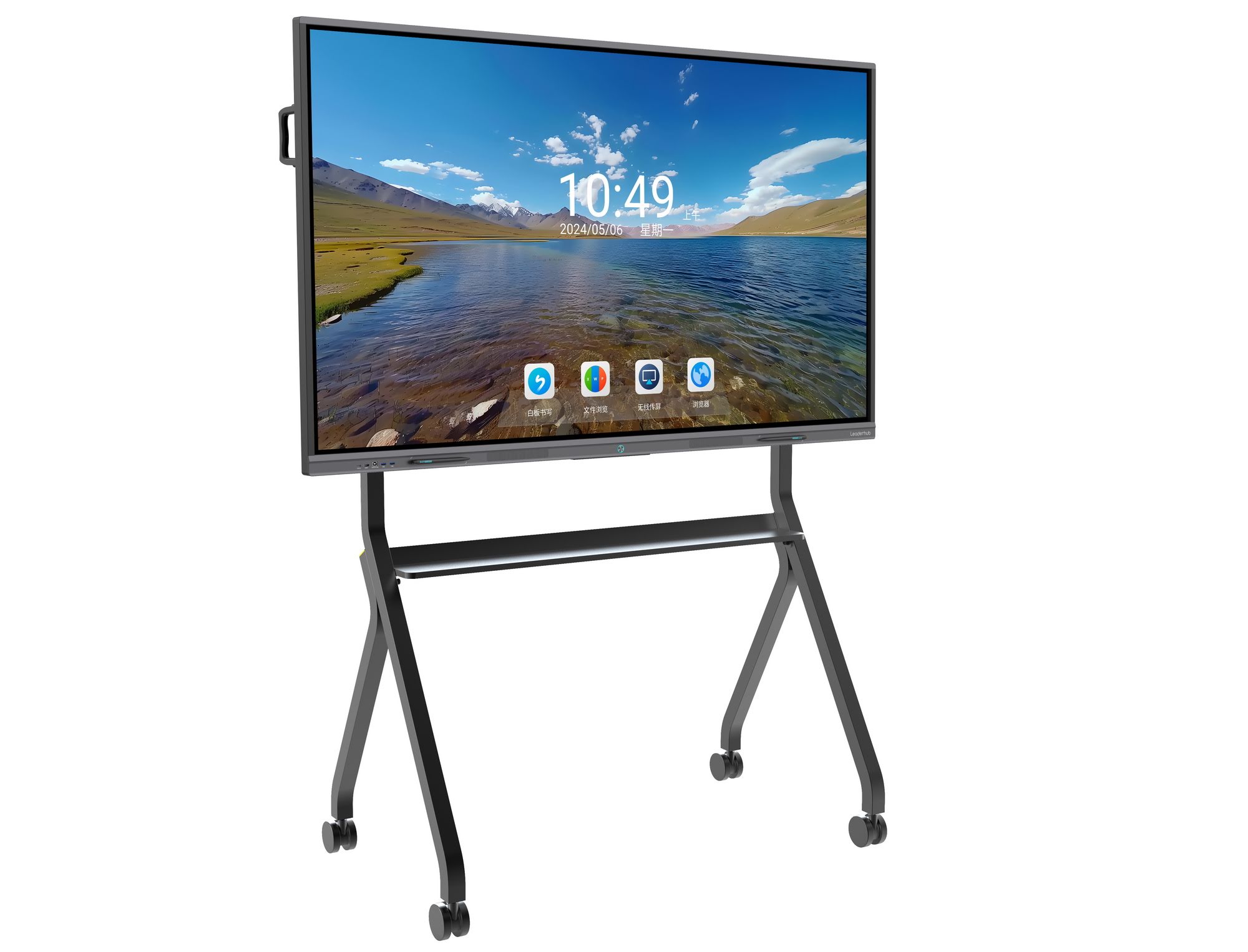
4. Power Stability and Backup Compatibility
Voltage fluctuations remain a common issue across many Indian states. A quality smart whiteboard should support wide voltage range input (100V-240V) and be compatible with inverter or UPS backup systems, ensuring lessons aren’t interrupted during power cuts — a practical concern many school IT coordinators raise during procurement discussions.
5. Built-in Android OS vs External Mini PC
Many modern interactive panels come with built-in Android operating systems for basic apps and annotation tools. However, for schools running specialized educational software or Windows-based learning management systems, pairing the whiteboard with a dedicated mini PC offers greater flexibility, better processing power, and easier software updates.
Comparing Popular Smart Whiteboard Specifications
| Feature | Entry-Level (65″) | Mid-Range (75″) | Premium (86″+) |
|---|---|---|---|
| Resolution | 4K UHD | 4K UHD | 4K UHD |
| Touch Points | 10-20 point | 20 point | 20+ point |
| RAM/Storage | 4GB/32GB | 8GB/64GB | 8GB/128GB |
| Ideal Setting | Small classrooms | Standard classrooms | Halls/Auditoriums |
Budget Considerations for Indian Institutions
Budget remains a decisive factor for most Indian schools, particularly government-aided and rural institutions. Here’s a practical breakdown of what to prioritize based on available budget:
- Limited Budget (Government/Rural Schools): Focus on 65-inch panels with essential touch and annotation features. Prioritize durability over advanced AI features.
- Moderate Budget (Private Schools): Invest in 75-inch displays with built-in Android OS, wireless screen mirroring, and cloud storage integration for lesson planning.
- Higher Budget (International Schools/Coaching Chains): Consider 86-inch or larger panels with AI-powered handwriting recognition, multi-device connectivity, and dedicated mini PC integration for advanced software compatibility.
Real-World Case Insight
A mid-sized CBSE school in Pune recently upgraded three classrooms from traditional projectors to 75-inch interactive panels. Within one academic term, teachers reported a 40% reduction in lesson preparation time due to reusable digital templates, while student engagement scores (measured through internal assessments) improved noticeably in visually-driven subjects like geography and biology. This mirrors broader trends observed across EdTech deployments in urban Indian schools, where interactive displays consistently show measurable improvements in classroom participation.

Installation and After-Sales Support in India
Given India’s vast geography, after-sales service accessibility matters significantly. Before purchasing, confirm:
- Availability of local or regional service centers
- Warranty coverage duration (minimum 2-3 years recommended)
- Response time for technical support requests
- Availability of spare parts and replacement panels
Software and Content Compatibility
Ensure the smart whiteboard supports widely-used Indian educational content formats and platforms, including compatibility with NCERT digital resources, regional language input support, and integration with popular Learning Management Systems (LMS) used by CBSE and state boards. Multi-language keyboard support is particularly important for schools teaching in Hindi, Tamil, Telugu, Marathi, or other regional languages alongside English.
Making the Final Decision
Choosing the right smart whiteboard ultimately depends on balancing classroom size, budget, durability requirements, and long-term software needs. Companies like LeaderHub, with over 16 years of experience manufacturing interactive display solutions distributed across 82 countries, design panels specifically engineered for demanding environments — including robust build quality suited for varying climate and power conditions common in emerging markets like India.
Before finalizing a purchase, we recommend requesting a live demonstration or trial unit, consulting with teachers who will use the device daily, and reviewing warranty terms carefully. A well-chosen interactive flat panel isn’t just a technology upgrade — it’s a long-term investment in teaching quality and student engagement that can serve institutions reliably for 5-8 years when properly selected and maintained.
Frequently Asked Questions
What is the average lifespan of a smart whiteboard?
With proper maintenance, quality interactive panels typically last 6-8 years, though touch sensors and glass panels in premium models can perform reliably even longer under normal classroom usage.
Do smart whiteboards work during power fluctuations common in India?
Most reputable brands incorporate wide voltage tolerance and surge protection, but pairing with a stabilizer or UPS is still recommended for schools in areas with frequent power instability.
Can smart whiteboards replace traditional teaching methods entirely?
Educational experts generally recommend a blended approach — using interactive displays alongside traditional teaching methods rather than complete replacement, ensuring balanced learning outcomes across different subjects and student learning styles.