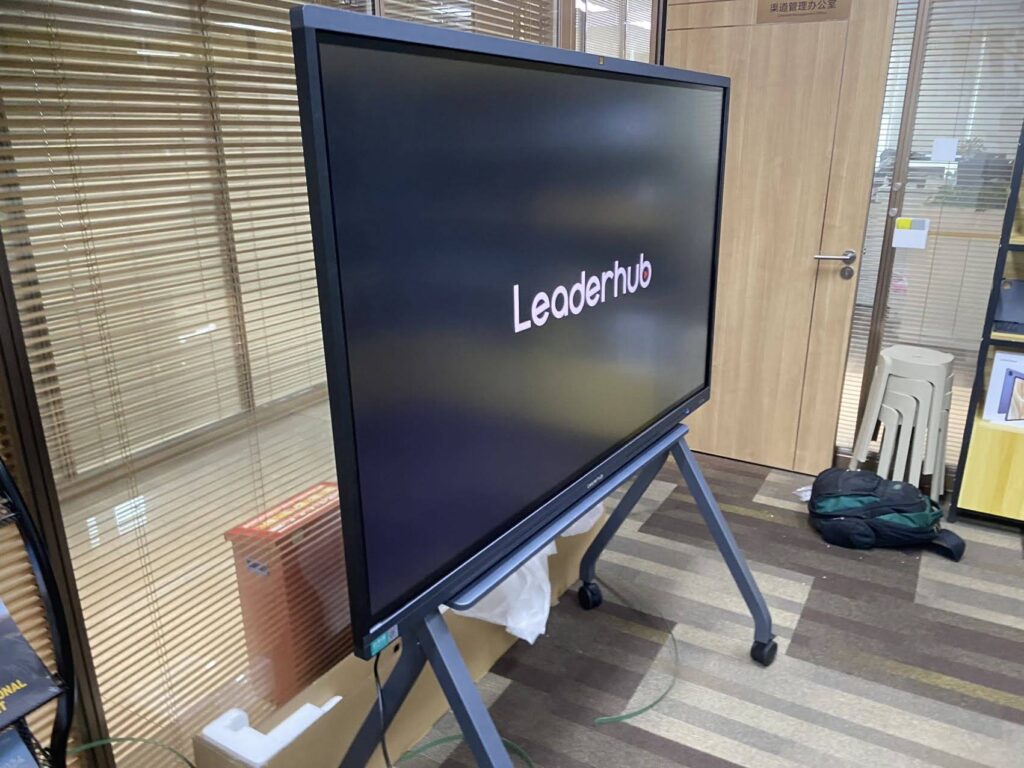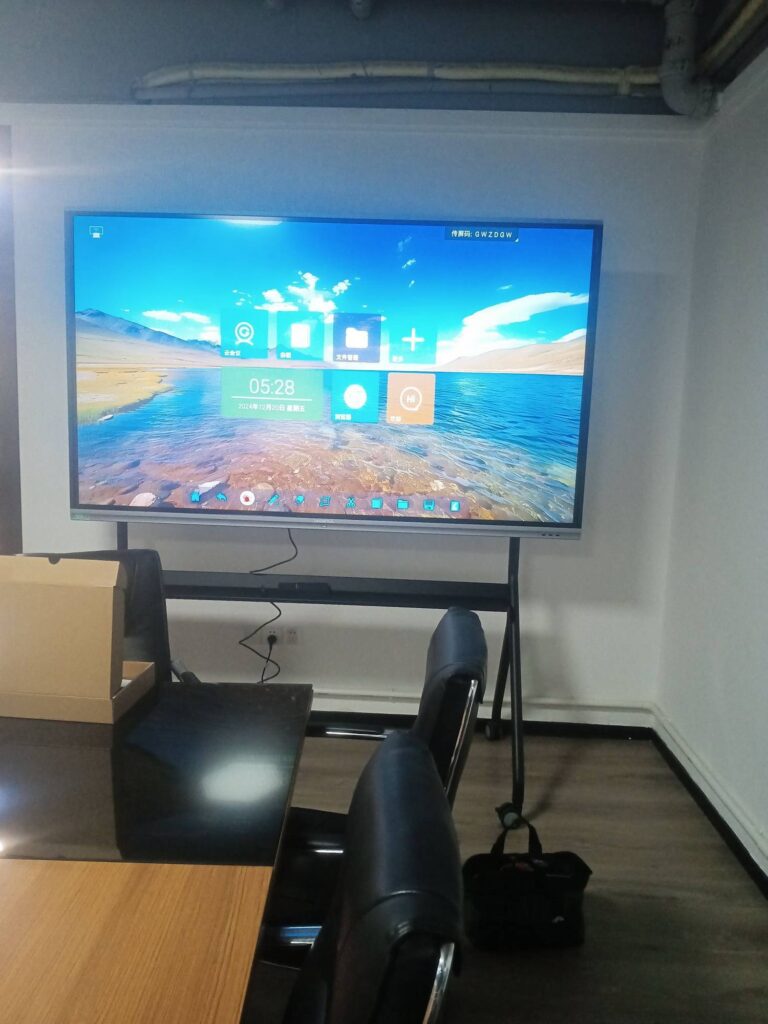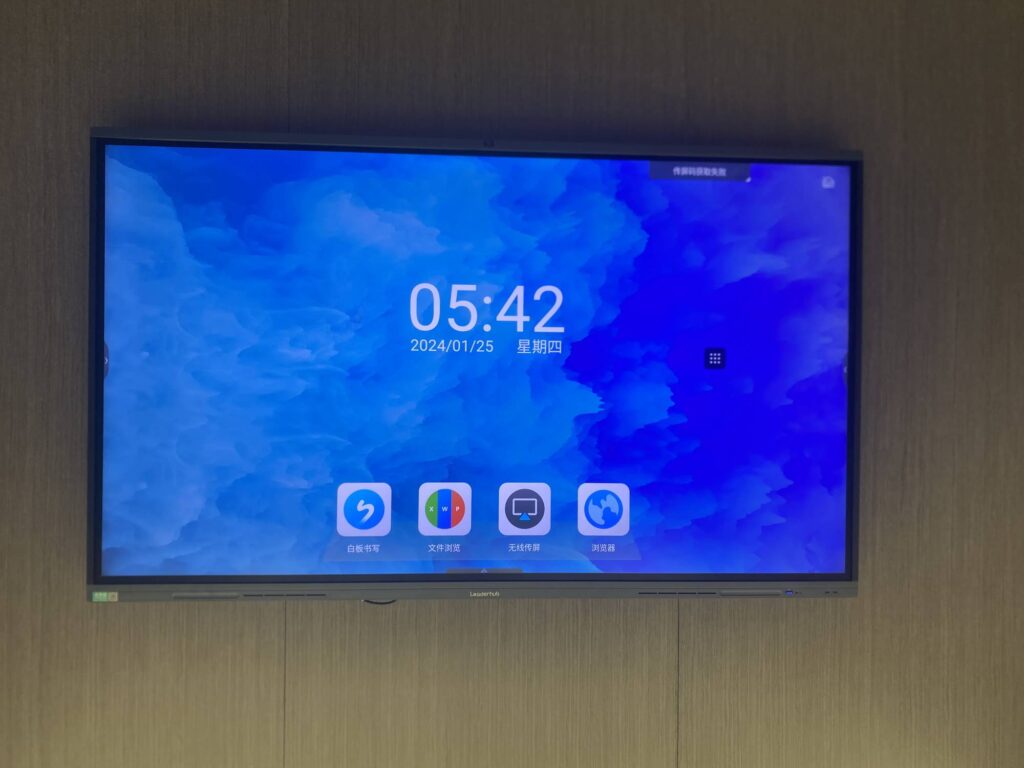
Choosing a smart whiteboard wholesale supplier is one of the most consequential decisions a distributor, system integrator, or education reseller will make this year. With the global interactive display market projected to keep growing at double-digit rates through 2028, buyers across North America, Europe, the Middle East, and Southeast Asia are all searching for the same thing: a manufacturer that combines proven hardware reliability, competitive wholesale pricing, and after-sales support that doesn’t disappear once the invoice is paid.
Having worked directly with hundreds of B2B buyers over the past decade, we’ve seen firsthand how the wrong supplier choice can derail a school district rollout or a corporate office upgrade. This guide breaks down exactly what to evaluate before signing a purchase order, based on real procurement experience and industry benchmarks.
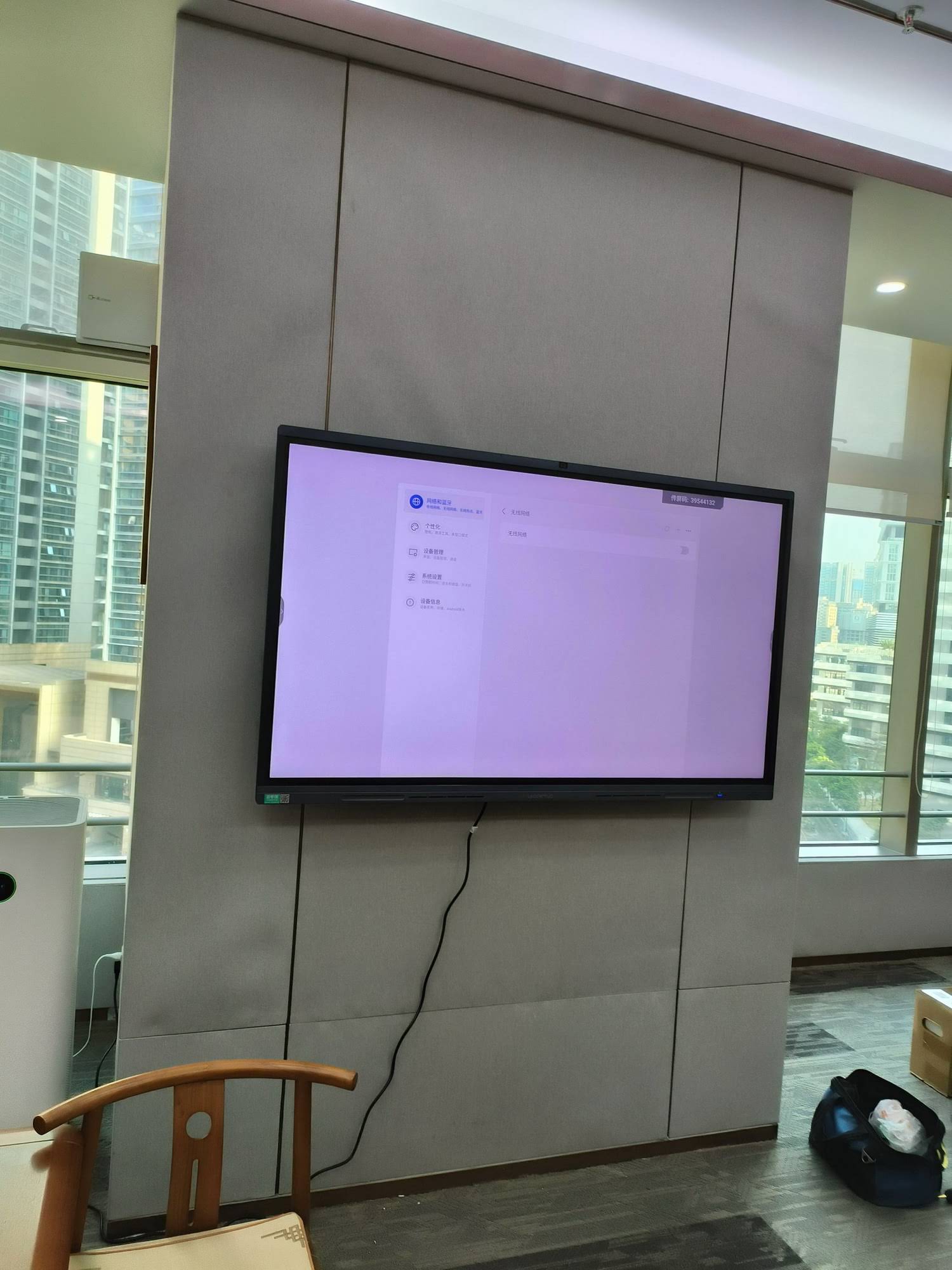
Why the Supplier You Choose Matters More Than the Price Tag
Many first-time buyers focus exclusively on unit price when comparing quotes. That’s a mistake. A reliable smart whiteboard manufacturer influences far more than your margin — it affects warranty claims, firmware updates, shipping timelines, and even how quickly you can respond to customer support tickets six months after installation.
According to a 2023 EdTech procurement survey, over 38% of institutional buyers reported experiencing delayed shipments or inconsistent product quality when working with unvetted overseas suppliers. This is why due diligence on manufacturing capability, certification, and communication responsiveness should carry equal weight to pricing in your evaluation matrix.
Key Factors to Evaluate Before Signing a Contract
1. Manufacturing Experience and Track Record
Interactive panel technology is not a commodity product — it requires precision touch-sensor calibration, thermal management, and long-term panel durability testing. Suppliers with over a decade of manufacturing history, especially those who have shipped products to 80+ countries, typically have more mature quality-control processes than newer entrants chasing short-term margins.
2. Product Range and Customization (OEM/ODM) Capability
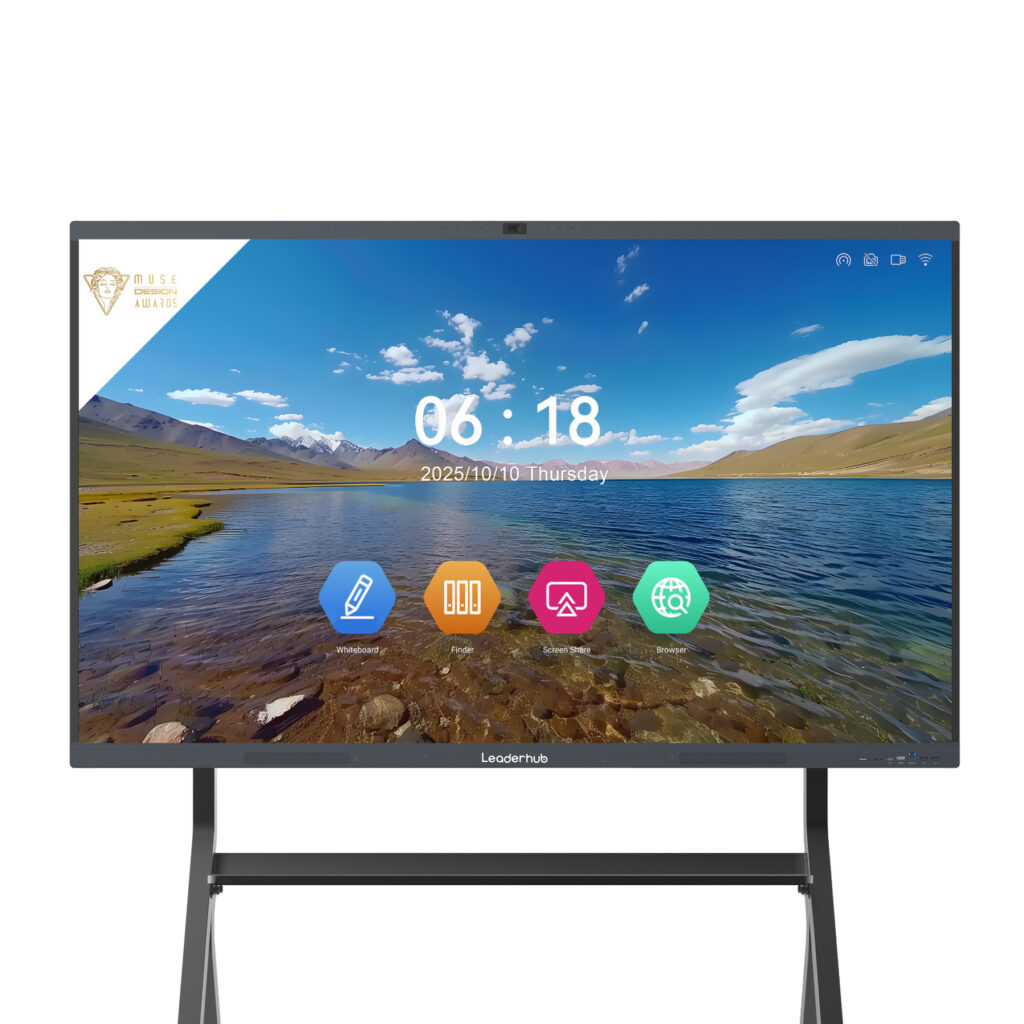
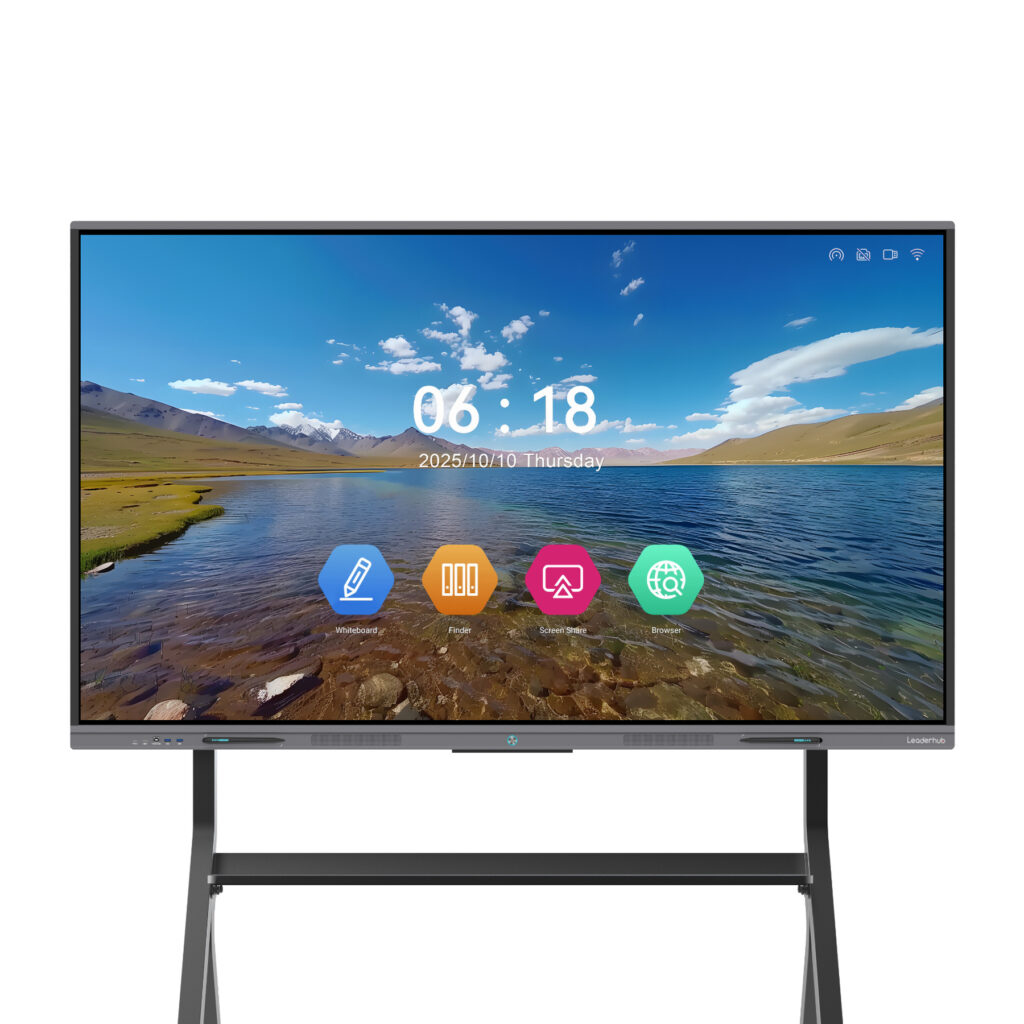
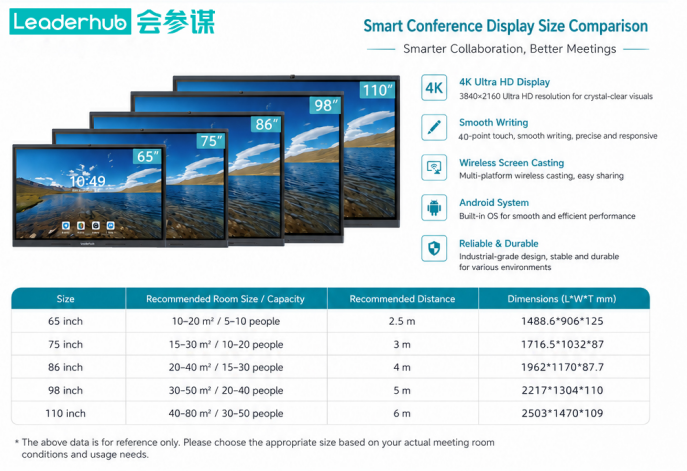
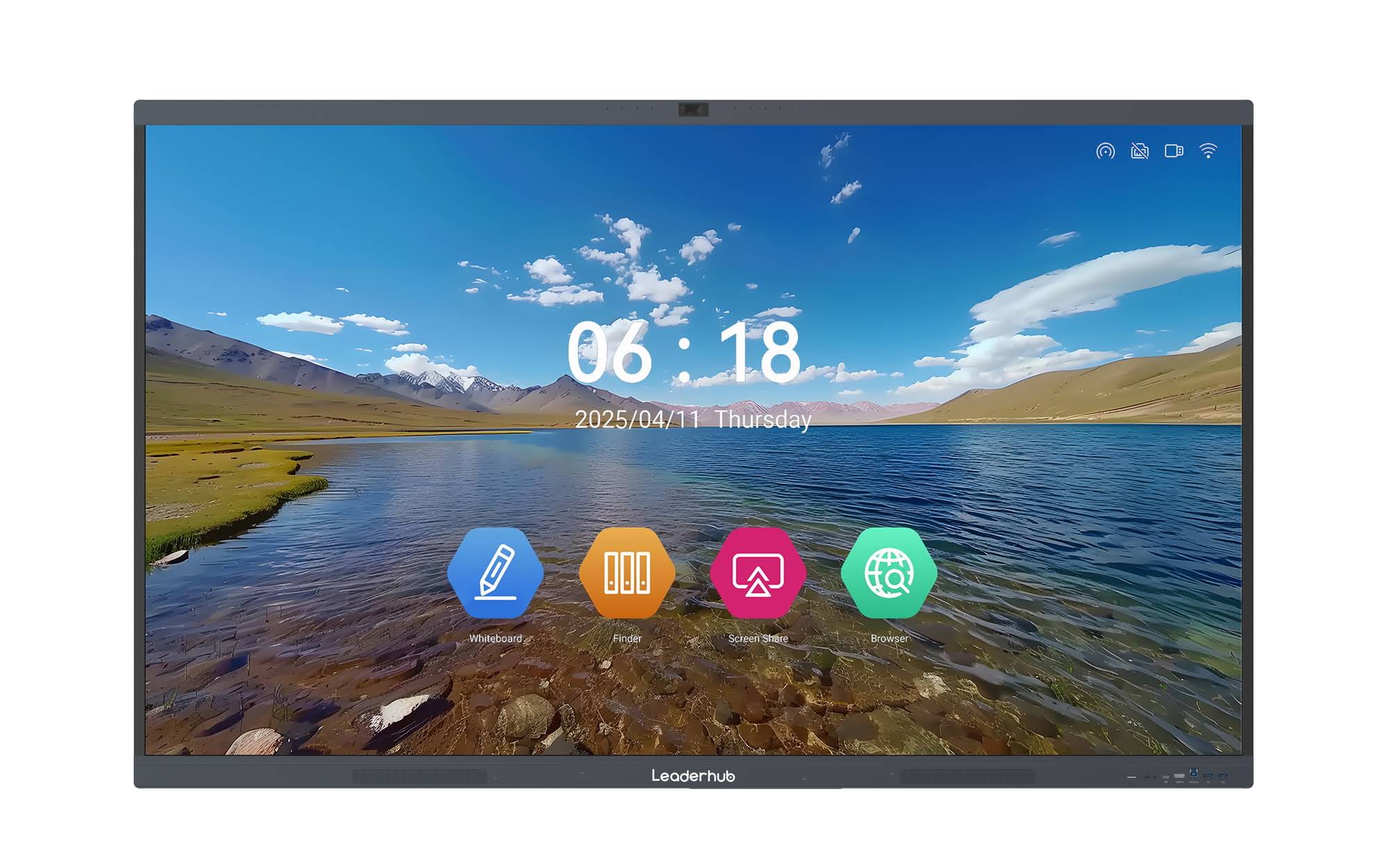
Your customers — whether schools, corporate offices, or training centers — have different screen size, resolution, and software requirements. A supplier offering a genuine smart whiteboard product line spanning 65″, 75″, 86″, and 110″ options, alongside mini PC modules and portable rotating screens, gives you the flexibility to serve multiple market segments without switching vendors.
3. Certifications and Compliance
Depending on your target region, your supplier should hold relevant certifications such as CE, FCC, RoHS, and, for larger institutional deals, ISO 9001 quality management certification. Skipping this check can result in customs holds or, worse, non-compliant products that can’t legally be resold in your market.
4. MOQ, Lead Time, and Logistics Support
Wholesale buyers need predictable lead times. Ask potential suppliers for their standard minimum order quantity (MOQ), average production lead time, and whether they offer FOB, CIF, or DDP shipping terms. Suppliers with established freight partnerships can often save you 10-15% on landed cost compared to arranging logistics independently.
Comparing Supplier Types: A Practical Breakdown
| Supplier Type | Typical MOQ | Customization | Best For |
|---|---|---|---|
| Factory-Direct Manufacturer | Low-Medium | High (OEM/ODM) | Distributors, resellers, integrators |
| Trading Company | Low | Limited | Small one-off orders |
| Brand-Owned Wholesale Program | Medium | Moderate | Schools, enterprise bulk buyers |
Red Flags That Should Make You Walk Away
- No physical factory or showroom — inability to verify production facilities via video call or visit
- Reluctance to provide product certification documents or test reports
- Unusually low pricing far below market average, often signaling inferior touch panels or refurbished components
- No clear warranty policy or after-sales support structure
- Poor communication response times during the sampling stage — a preview of what post-sale support will look like
How to Vet a Supplier: A Practical Checklist
- Request product samples and test touch accuracy, color calibration, and anti-glare performance firsthand
- Ask for references from existing distributors in your region
- Verify export history — how many countries has the supplier actually shipped to?
- Confirm warranty terms in writing, including component-level coverage
- Evaluate their software ecosystem — whiteboard annotation tools, wireless casting, and OS update frequency
Why Experience and Global Reach Matter
Suppliers who have navigated diverse regulatory environments — from EU energy efficiency standards to North American FCC requirements — tend to anticipate compliance issues before they become costly delays. This is where established players stand apart from newer factories still learning international trade nuances.
As an example of what mature manufacturing experience looks like in practice, LeaderHub, a Shenzhen-based interactive display company with 16 years in the industry, has shipped smart whiteboards, mini PCs, and portable smart screens to 82 countries and currently ranks No.1 in its JD.com subcategory for interactive panels. That kind of scale typically correlates with more refined quality-control systems and stronger supply-chain resilience — both critical when you’re placing a bulk wholesale order with a six-figure value attached.
Evaluating Total Cost of Ownership, Not Just Unit Price
A lower per-unit price can be deceptive if it comes with higher failure rates, slower firmware support, or expensive replacement parts down the line. When comparing quotes, factor in:
- Expected panel lifespan (measured in hours of average commercial use)
- Warranty length and what components it actually covers
- Software update cadence — does the mini PC module receive regular security patches?
- Spare parts availability and shipping time for replacements
A general industry rule of thumb: factor in at least 15-20% of the unit price as a contingency for support, replacement parts, and potential logistics delays over a three-year deployment cycle.
Questions to Ask During Your First Supplier Call
| Question | Why It Matters |
|---|---|
| What’s your average production lead time? | Impacts your delivery commitments to end customers |
| Do you offer OEM branding options? | Determines whether you can build your own brand identity |
| What’s included in your standard warranty? | Protects your margin from unexpected repair costs |
| Can you provide certification documents upfront? | Ensures legal compliance in your target market |
Final Thoughts: Making the Right Choice for Long-Term Growth
Selecting a smart whiteboard wholesale supplier isn’t a decision to rush. The right partner will support your business growth for years — through consistent product quality, transparent communication, and a manufacturing track record you can independently verify. Take the time to request samples, check certifications, and speak directly with the factory’s technical team before committing to a large order.
Businesses that treat supplier selection as a strategic partnership rather than a one-time transaction consistently report fewer post-sale issues and stronger customer satisfaction scores among their end-users — whether those end-users are classroom teachers, corporate meeting rooms, or training center administrators.
Whether you’re sourcing your first container of interactive flat panels or scaling an existing distribution network, a methodical, checklist-driven approach to supplier evaluation will save you time, protect your margins, and ultimately build a more resilient business relationship for years to come.