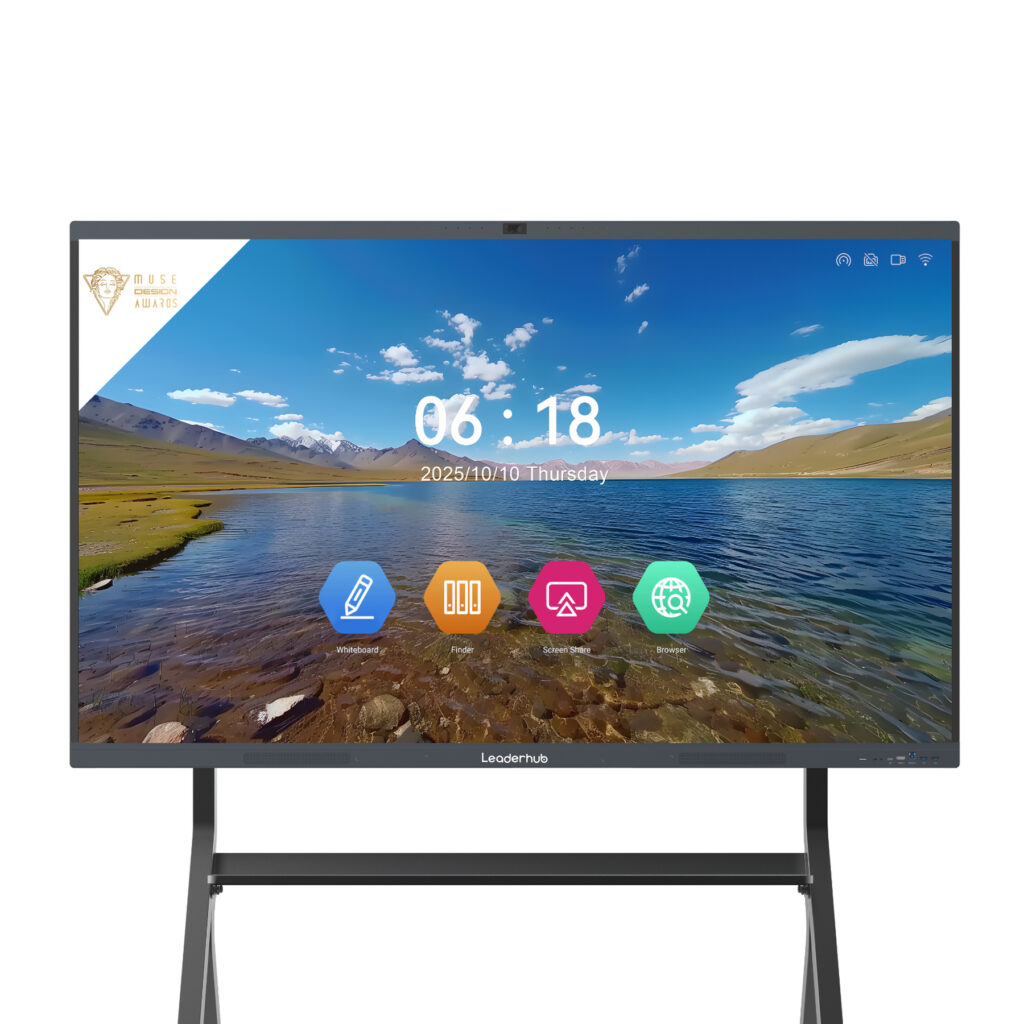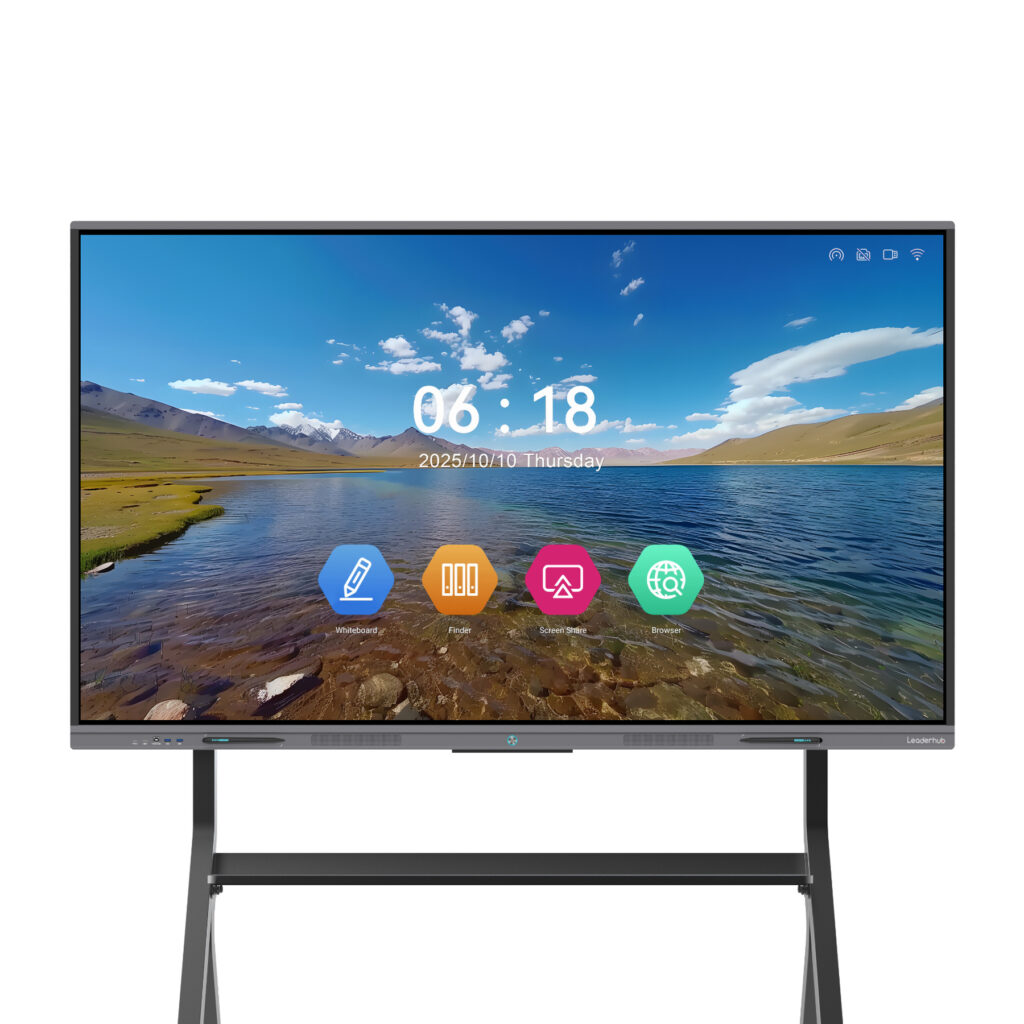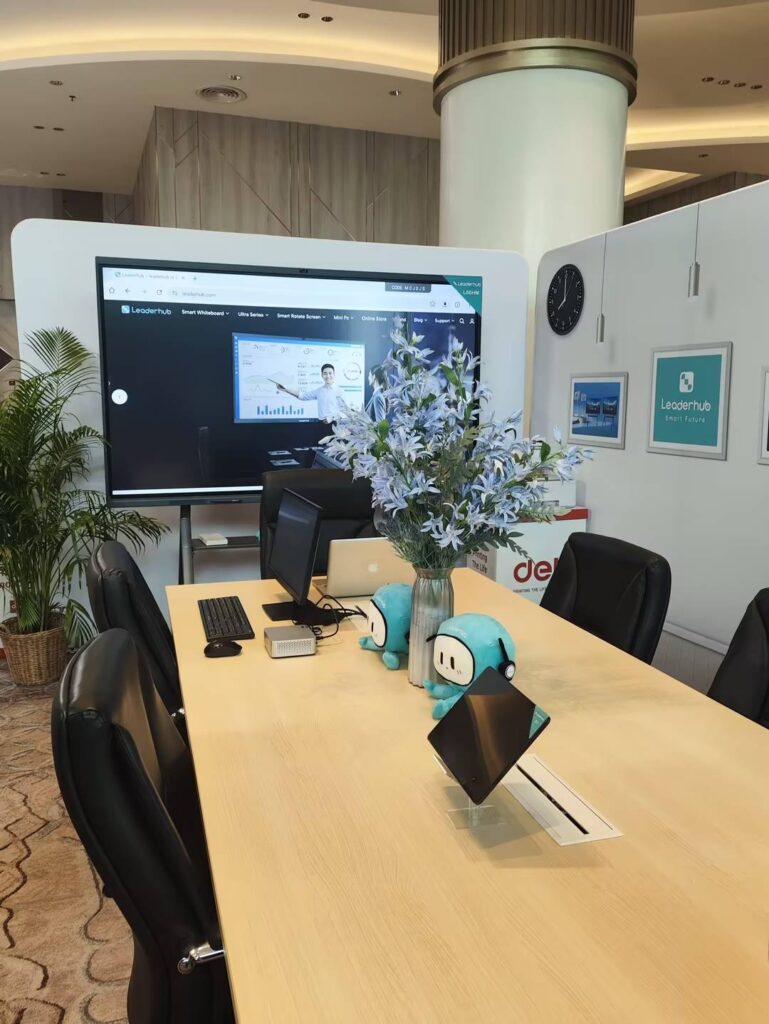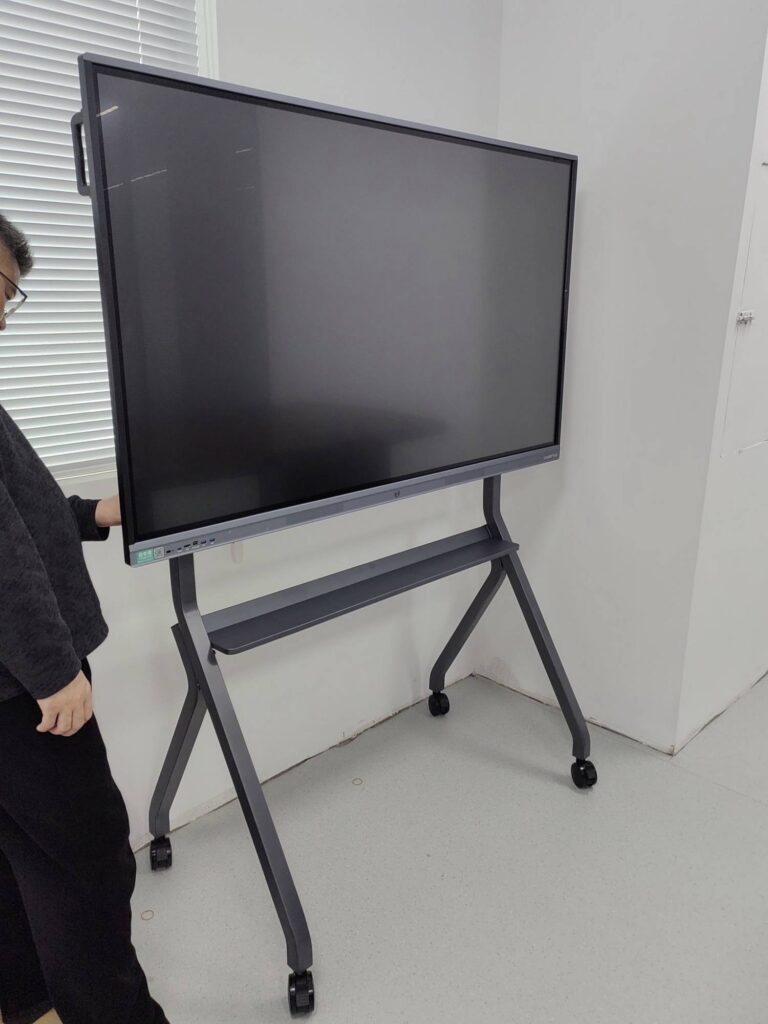
Shopping for an interactive display can feel overwhelming. Prices range from a few hundred dollars to well over $10,000, specifications vary wildly, and the same panel can appear on a dozen different websites at a dozen different prices. If you have been searching for where to buy a smart board that fits your classroom, boardroom, or living room, this guide walks you through every major purchasing channel, what each one is good for, and how to avoid overpaying or getting stuck with a unit that has no warranty support.

Quick Answer: The 6 Main Places to Buy a Smart Board
Before diving into detail, here is a snapshot of the channels most buyers choose from:
- Direct from the manufacturer – lowest price-to-spec ratio, full warranty, bulk discounts
- Online marketplaces – Amazon, eBay, Walmart Marketplace, JD.com, AliExpress
- Authorized AV resellers and system integrators – installation and multi-room projects
- Education procurement portals – cooperative contracts and tender-based buying for schools
- Big-box and office-supply retailers – Best Buy, Staples, Office Depot, Currys, JB Hi-Fi
- Refurbished and second-hand sellers – budget option with higher risk
Each channel serves a different type of buyer. A single teacher furnishing one classroom has very different needs from an IT director equipping 40 meeting rooms, so let’s look at each option in turn.
Option 1: Buy Directly from the Manufacturer
Buying from the brand’s own online store has become the most popular route for small and medium-sized organizations, and for good reason. When there is no distributor, retailer, or marketplace fee in the chain, the saving lands in your pocket.
Why Direct Purchasing Usually Wins
- Transparent pricing – a 65-inch 4K panel such as the L65ZM Interactive Whiteboard sells for $1,099 direct, roughly 30–50% below equivalent panels sold through traditional AV distribution
- Manufacturer-backed warranty with no “grey import” ambiguity
- Access to the complete range, including sizes and models that retailers never stock
- Volume quotes for schools or companies ordering multiple units
- Direct line to technical support and firmware updates
When It Is Less Ideal
- You need on-site installation bundled into the purchase
- Your procurement policy requires a local, pre-approved vendor
- You want to physically touch the screen before paying
Many manufacturers now offset the last point by exhibiting at trade shows. Visiting a stand at ISE, InfoComm, BETT, or GITEX lets you test touch latency, pen feel, and software before committing to a direct order.
Option 2: Online Marketplaces
Amazon, eBay, Walmart Marketplace, Newegg, JD.com, and AliExpress all list hundreds of interactive flat panels. The convenience is real, but so are the pitfalls.
Pros
- Familiar checkout, buyer protection, and fast shipping on Prime-style listings
- Easy side-by-side comparison of user reviews
- Occasional lightning deals or coupon stacking
Cons
- Third-party sellers may be unauthorized, which can void the manufacturer warranty
- Listings often mix up panel generations, OPS slot availability, or Android versions
- Freight damage on 75–86 inch panels is common when the seller uses standard parcel carriers instead of palletized freight
- Returns on items weighing 50–70 kg are slow and expensive
If you shop on a marketplace, look for the “Sold by [Brand] / Ships from [Brand]” label, check the seller’s business registration, and confirm that the warranty is registered in your country.
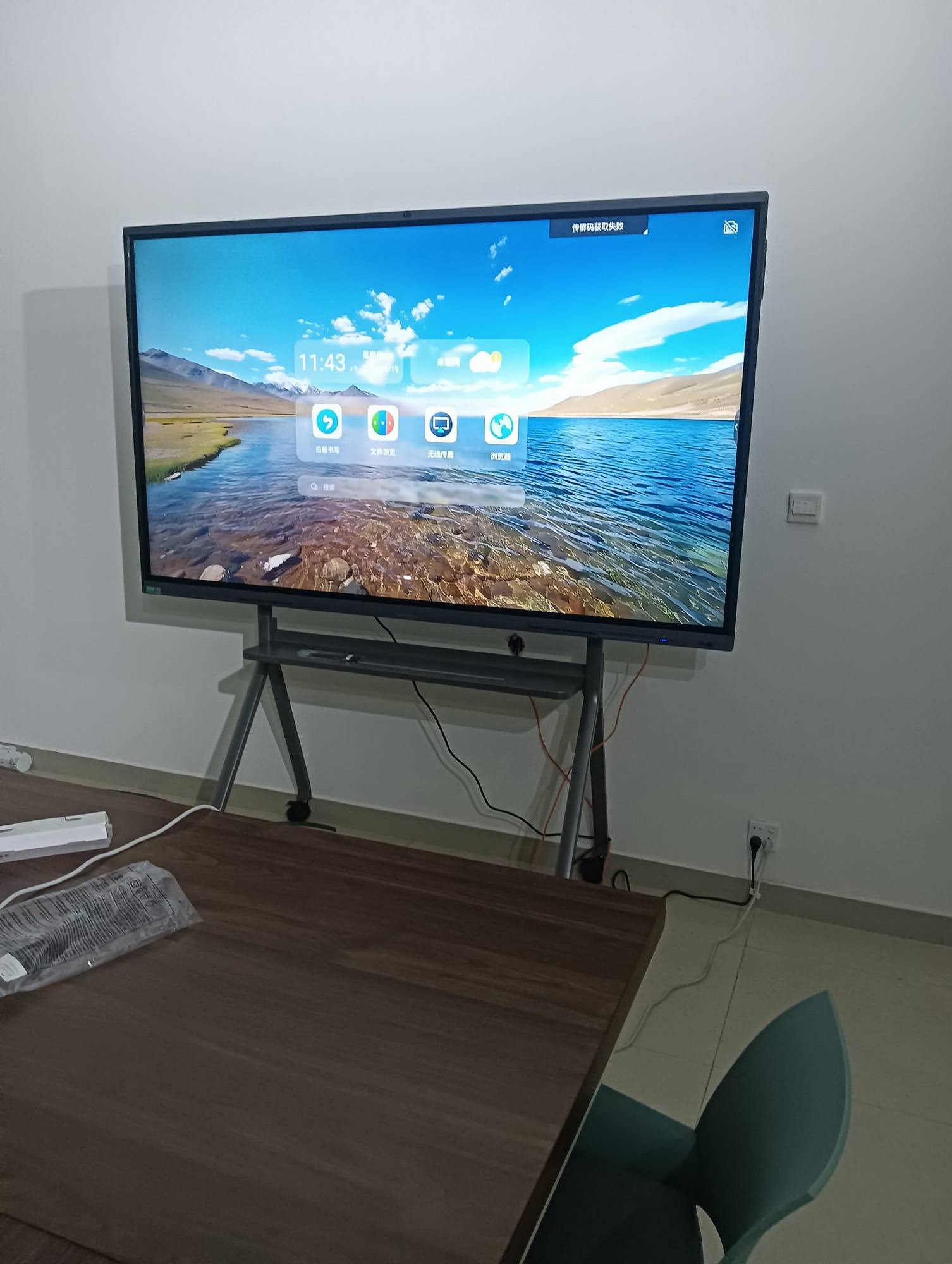
Option 3: Authorized AV Resellers and System Integrators
Companies like CDW, Insight, SHI, Troxell, and hundreds of regional AV integrators buy from manufacturers and resell with added services. This channel makes most sense when you are:
- Outfitting multiple rooms and need cabling, mounts, and room scheduling panels installed together
- Integrating the display with Zoom Rooms, Microsoft Teams Rooms, or a control system such as Crestron or Extron
- Required by policy to buy from a vendor on an approved supplier list
Expect to pay a 15–35% premium over direct pricing for the design, installation, and single point of accountability. For large deployments that premium is often worthwhile; for a single room it rarely is. Industry bodies such as AVIXA publish integrator certifications you can check before hiring one.
Option 4: Education Procurement Channels
Public schools, colleges, and universities rarely buy with a credit card. Instead they rely on:
- Cooperative purchasing contracts – in the U.S. these include Sourcewell, TIPS-USA, BuyBoard, E&I, and state contracts; in the UK, frameworks such as CPC and Crescent Purchasing; in Australia, state education department panels
- Formal tenders / RFPs – required above certain spend thresholds
- Grant-funded purchases – ESSER, E-Rate-adjacent programs, Erasmus+, or national digital-education funds
Procurement officers should still start with manufacturer pricing as a benchmark. Cooperative-contract pricing is negotiated, not fixed, and knowing the direct price gives you leverage. The UNESCO Technology in Education Report is also worth reading first, since it stresses that hardware purchases should follow a clear pedagogical plan rather than lead it.
Option 5: In-Store Retailers
Best Buy, Staples, Office Depot, Costco Business Center, Currys Business, Officeworks, and similar chains carry a small selection of interactive displays, usually in 55–75 inch sizes. The advantages are obvious: you can see the screen, pay with a store account, and return it to a counter. The disadvantages:
- Very limited range – often one or two consumer-oriented models
- Floor staff rarely understand touch technology, OPS modules, or classroom software
- Prices are typically the highest of any channel
- Stock levels for anything above 65 inches are inconsistent
In-store retail is a reasonable choice for a home office or a small business that wants a single display today, but it is seldom the right answer for schools or multi-room offices.
Option 6: Refurbished and Second-Hand
eBay, Back Market, local classifieds, and school-district surplus auctions regularly list used SMART, Promethean, ViewSonic, and other panels. Prices can be 50–70% below new. Before buying, verify:
- Panel hours and any burn-in or dead pixels
- Whether the Android system still receives updates
- If the bundled software licenses transfer to a new owner (many do not)
- Whether the stylus, remote, wall mount, and power cable are included
- Who pays for freight – a used 86-inch panel can cost $300–$600 to ship
Given that a brand-new 86-inch 4K panel like the L86ZM Interactive Whiteboard is now available for $1,699 with full warranty, the used market has lost much of its appeal for buyers who value reliability.
Buying Channel Comparison
| Channel | Typical Price Level | Warranty Clarity | Installation | Best For |
|---|---|---|---|---|
| Manufacturer direct | Lowest | Excellent | Self or optional | SMBs, schools, home offices |
| Online marketplace | Low–Medium | Varies by seller | Self | Single units, fast delivery |
| AV reseller / integrator | Medium–High | Good | Included | Multi-room enterprise rollouts |
| Education procurement | Medium (negotiated) | Good | Often included | Public schools and districts |
| In-store retail | Highest | Good | Self | Hands-on buyers, same-day need |
| Refurbished / used | Very low | Poor | Self | Tight budgets, non-critical rooms |
Where to Buy a Smart Board for Schools
Educators face two constraints at once: tight budgets and strict procurement rules. The most efficient path for most schools is to benchmark direct pricing first, then route the order through whichever channel your finance office requires.
What Teachers and IT Coordinators Should Prioritize
- 20-point or higher multi-touch so several students can work at the board simultaneously
- Anti-glare, low-blue-light glass for long teaching days
- Built-in whiteboarding, screen recording, and wireless casting for student devices
- Android plus an OPS slot so the panel can run Windows when needed
- A minimum 3-year warranty, ideally with on-site service for the first year
For a typical classroom of 25–30 students, a 75-inch panel is the sweet spot; a 65-inch model suits smaller rooms or breakout spaces. Guidance from EdTech Magazine on choosing an interactive display for K-12 is a helpful read for district teams building a specification.
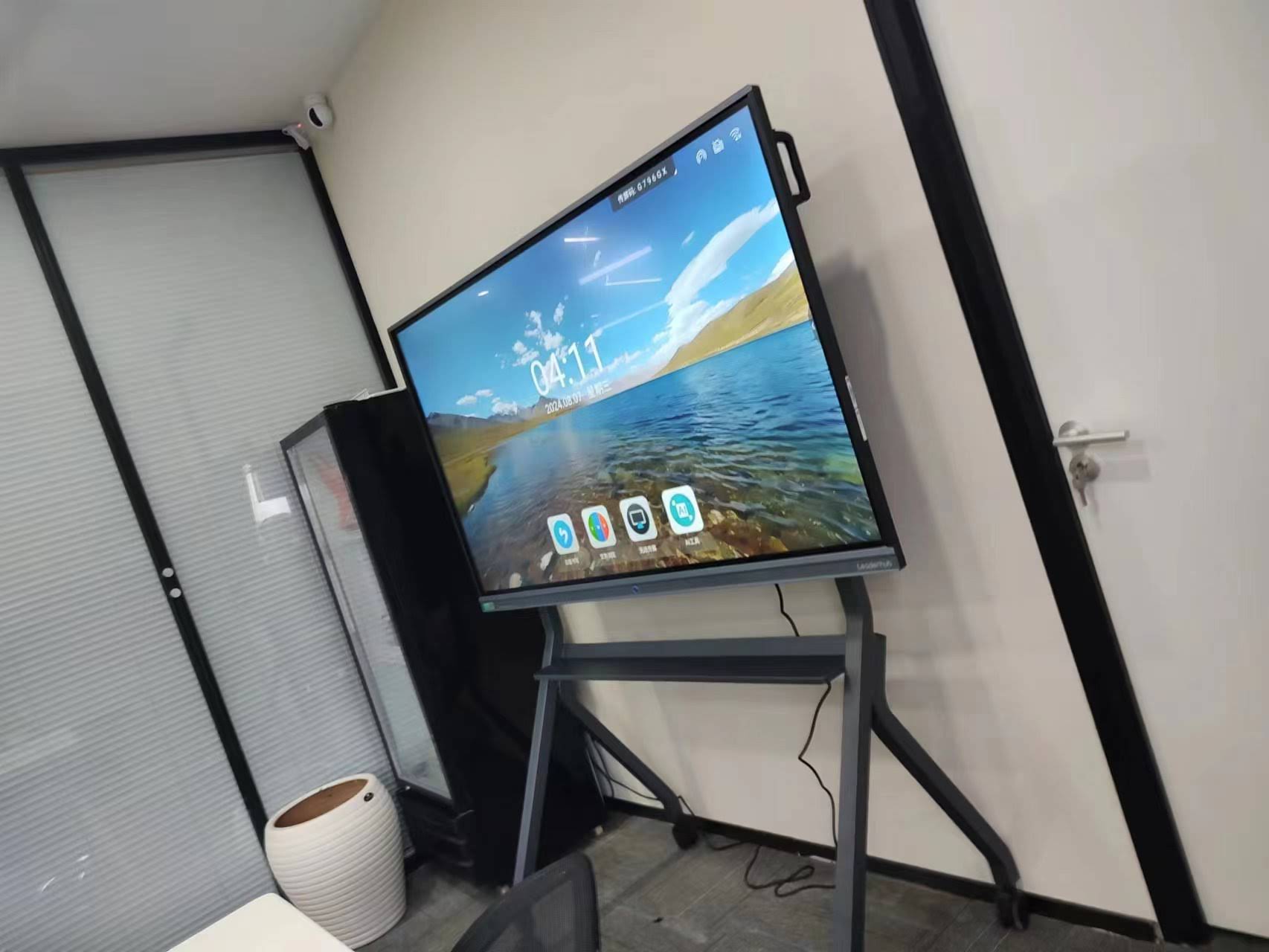
Where to Buy a Smart Board for Offices
Business buyers usually care less about software bundles and more about video-conferencing compatibility, camera quality, and how quickly a meeting can start. For single meeting rooms or hybrid-work huddle spaces, direct purchase is almost always the most cost-effective route. For headquarters-wide rollouts, an integrator who can standardize room design across locations is worth the premium.
Features Office Buyers Should Insist On
- Integrated 4K camera and far-field microphone array
- Certified or tested compatibility with Zoom, Teams, Google Meet, and Webex
- Wireless screen sharing from Windows, macOS, iOS, and Android without dongles
- Mobile stand option for rooms that change layout
- A rotating or portrait mode if you run document-heavy meetings – the L75HM Smart Whiteboard was designed around exactly this use case
Pairing the panel with a compact Mini PC is a popular way to run full Windows applications on the display without relying solely on the built-in Android system.
Where to Buy a Smart Board for Home
Home buyers fall into three groups: parents setting up a homeschool or tutoring space, remote professionals building a serious home office, and families who want a large interactive screen for the living room. The home market is where in-store retail and marketplaces have the strongest case, because single-unit delivery to a residential address is simple and the buyer often wants to see the product first.
That said, direct purchase still offers the best value. A 55-inch mobile panel such as the U55Pro Interactive Flat Panel fits comfortably in a home study, and smaller battery-powered touchscreens – like the 24.5-inch U24M Handheld Smart Screen – give families a portable whiteboard that can move from kitchen table to bedroom desk.
Recommended Smart Boards by Use Case
| Use Case | Recommended Model | Size | Direct Price |
|---|---|---|---|
| Small classroom / tutoring | L65ZM Interactive Whiteboard | 65″ 4K | $1,099 |
| Standard classroom (25–30 students) | L75ZM Interactive Whiteboard | 75″ 4K | $1,399 |
| Lecture hall / large room | L86ZM Interactive Whiteboard | 86″ 4K | $1,699 |
| Hybrid meeting room | L65HM Smart Whiteboard | 65″ 4K | $1,299 |
| Executive boardroom | L75H Pro Interactive Flat Panel | 75″ 4K | $2,399 |
| Home office / mobile use | U55Pro Mobile Smart Display | 55″ 4K | $2,499 |
| Auditorium / showroom | L110H Interactive Flat Panel | 110″ 4K | $7,999 |
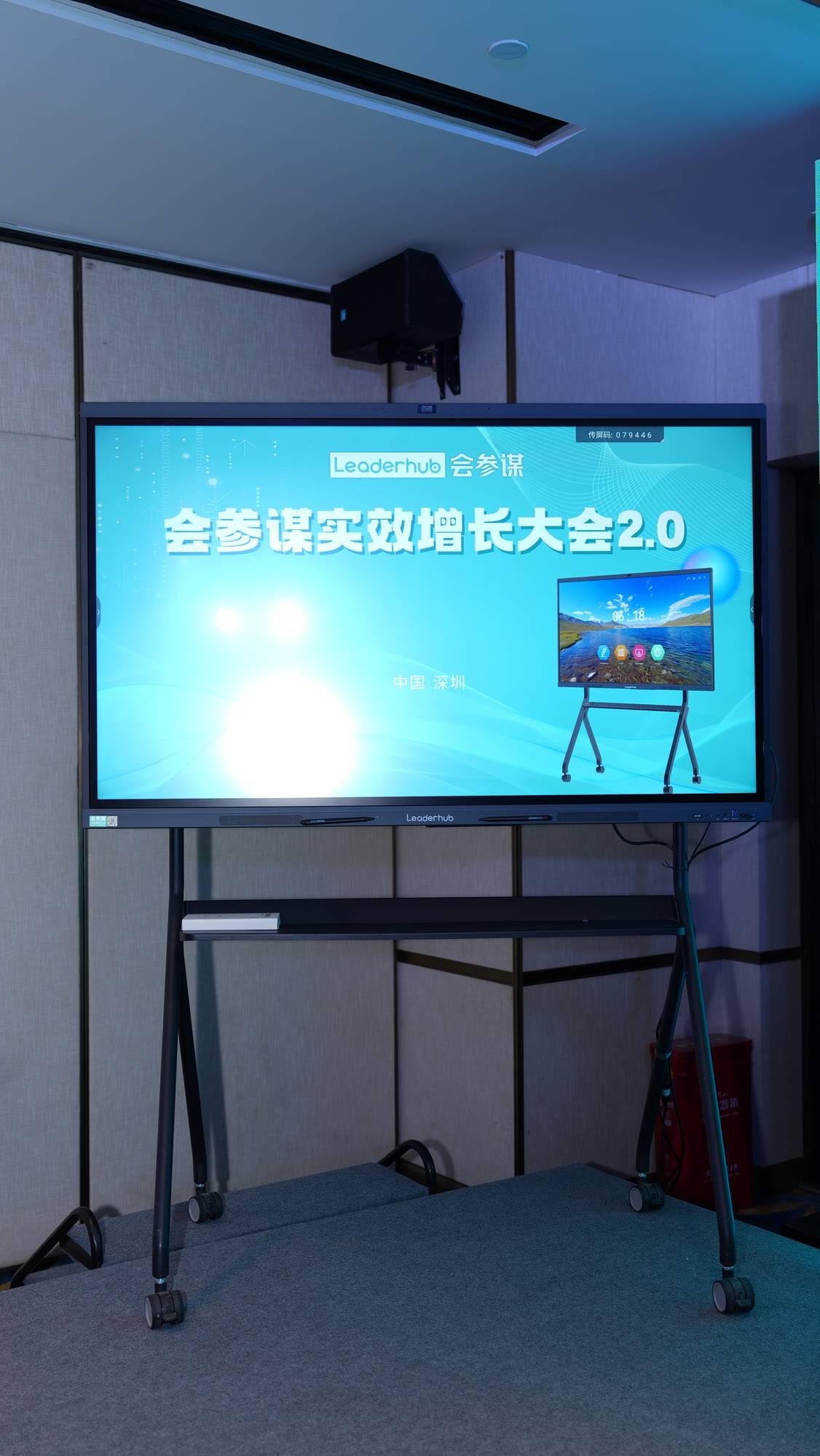
How Much Should You Expect to Pay in 2026?
Prices have fallen sharply over the past three years as Chinese panel manufacturing scaled up and more brands began selling direct. The ranges below reflect new units with manufacturer warranty.
| Screen Size | Direct-to-Buyer Brands | Legacy Education Brands via Reseller |
|---|---|---|
| 55″ | $900 – $2,500 | $2,000 – $3,500 |
| 65″ | $1,000 – $2,000 | $2,500 – $4,500 |
| 75″ | $1,400 – $2,500 | $3,500 – $6,000 |
| 86″ | $1,700 – $3,500 | $5,000 – $9,000 |
| 98″–110″ | $6,000 – $12,000 | $12,000 – $25,000 |
Remember to budget for a wall mount or mobile stand ($150–$500), an optional OPS or mini PC ($400–$1,000), and freight. Palletized shipping within the U.S. or EU typically adds $100–$300 per panel.
Pre-Purchase Checklist: 10 Things to Confirm Before You Pay
- Warranty terms – length, whether it is on-site or return-to-base, and who the service partner is in your country
- Touch technology – infrared is standard and durable; capacitive is smoother but costs more
- Android version and whether the manufacturer commits to updates
- Presence of an OPS slot for a future Windows module
- Number and type of ports: HDMI 2.0 inputs, USB-C with power delivery, HDMI out, RS-232 for control
- Glass hardness (Mohs 7 or higher) and anti-glare treatment
- Brightness of at least 350–400 nits for well-lit classrooms
- Whether stylus pens, remote, and wall bracket are included in the box
- Shipping method – palletized freight with tilt indicators for anything over 65 inches
- Return window and who pays return freight if the panel arrives damaged
Red Flags When Buying a Smart Board Online
- A listing that uses stock renders only, with no real photographs of the actual unit
- Prices far below every other seller for the same model – often a grey import or an older panel generation
- No physical business address or company registration number on the seller’s page
- Warranty “handled by the seller” rather than the manufacturer
- Vague specifications such as “HD” instead of a precise 3840 × 2160 resolution
- Software subscriptions that are mandatory but not mentioned in the price
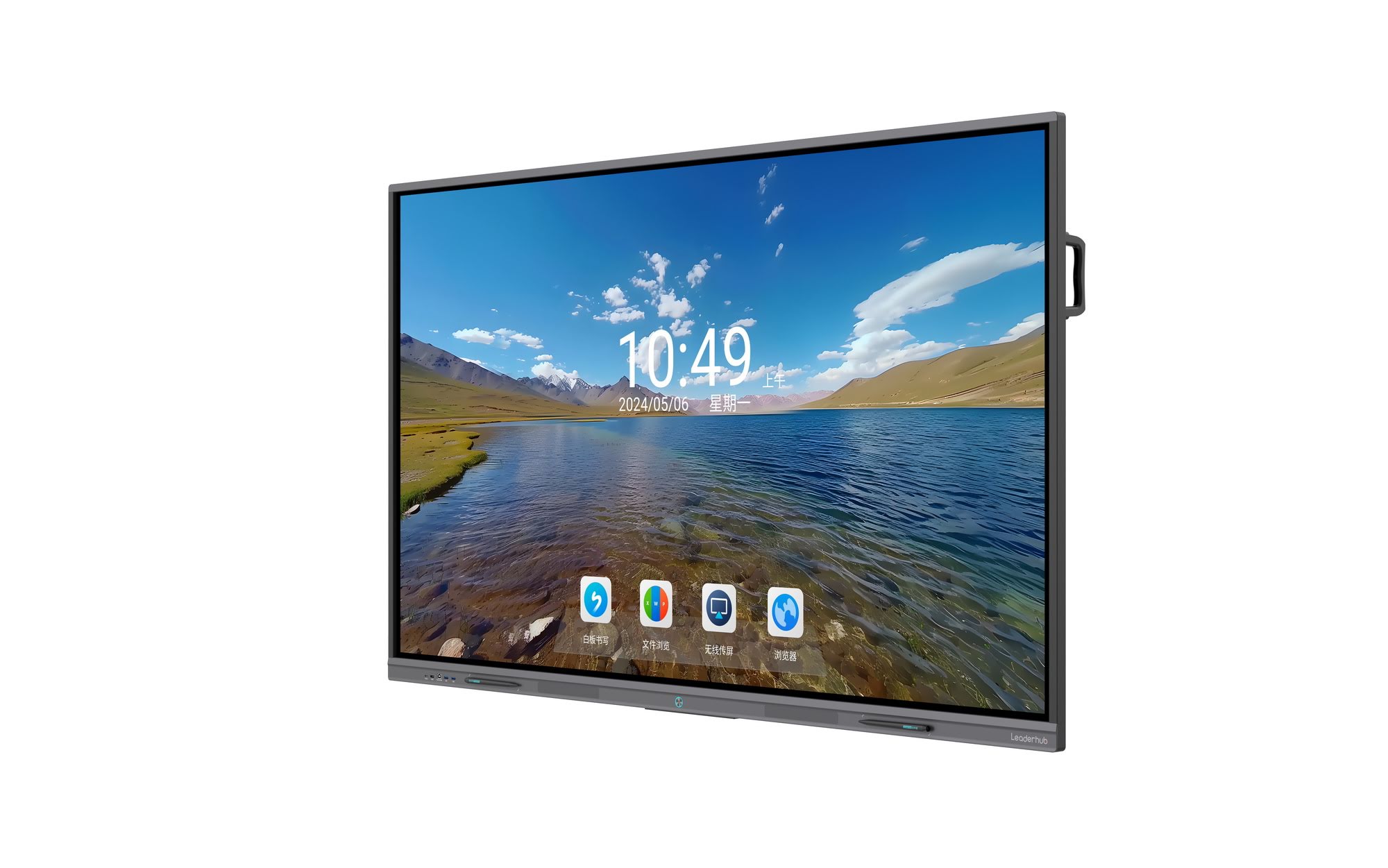
Why More Buyers Are Choosing Direct-to-Manufacturer Brands
The interactive display market was once dominated by a handful of legacy education brands sold exclusively through distribution. That model is changing. Research summarized in the OECD Digital Education Outlook shows institutions under pressure to deliver more digital capability per dollar, and direct-selling manufacturers have responded with 4K panels at a fraction of historical prices.
LeaderHub is one example of this shift. A Shenzhen-based company with 16 years in the interactive panel industry, it ships smart whiteboards, interactive flat panels, mini PCs, and portable smart screens to customers in 82 countries, holds the No.1 position in the interactive panel subcategory on JD.com, and has earned recognition including the Annual Consumer Trustworthy Brand and Most Innovative Product awards. Its full catalogue of smart whiteboards is sold directly online with volume pricing for schools and businesses, and the team regularly exhibits at global electronics trade shows for buyers who prefer to test hardware in person.
Frequently Asked Questions
Can I buy a smart board on Amazon and still get a manufacturer warranty?
Yes, provided the listing is sold and shipped by the brand itself or by an authorized distributor. Purchases from unauthorized third-party sellers are often excluded from warranty coverage, so verify the seller before checkout.
Is it cheaper to buy a smart board directly from the manufacturer?
In nearly every case, yes. Removing distributor and retail margins typically saves 20–50% compared with the same specification sold through traditional AV channels, and direct sellers usually offer additional discounts on multi-unit orders.
Where can schools buy smart boards with purchase orders instead of credit cards?
Most manufacturers and all education resellers accept purchase orders and net-30 terms from accredited institutions. Cooperative purchasing contracts such as Sourcewell or TIPS in the U.S. and national frameworks in the UK, EU, and Australia also streamline the process.
What size smart board should I buy for a home office?
A 55-inch panel is sufficient for most home offices and small studies. If you plan to host frequent video calls with several participants on screen, or use the display as a shared family board, 65 inches offers a noticeably better experience.
Do I need to buy installation separately?
If you purchase direct or from a marketplace, installation is not included. Most 55–75 inch panels can be wall-mounted by two people with a standard VESA bracket, or placed on a mobile stand with no drilling at all. Integrators bundle installation for larger projects.
How long does delivery take when ordering direct?
In-stock models usually ship within 2–5 business days and arrive within 7–15 days by palletized freight, depending on your country. Custom or bulk orders may take 3–6 weeks.
Final Thoughts
Knowing where to buy a smart board comes down to matching the channel to your situation. Single rooms and budget-conscious schools get the most value buying direct from a reputable manufacturer. Enterprise rollouts across many rooms justify an integrator. Marketplaces and retail stores offer convenience for home users willing to pay a little more for it. Whatever route you choose, benchmark against direct pricing, confirm the warranty is registered in your country, and make sure the panel ships on a pallet rather than as a parcel.
Ready to compare models side by side? Browse the full range of interactive displays or request a volume quote for your school or office to get started.