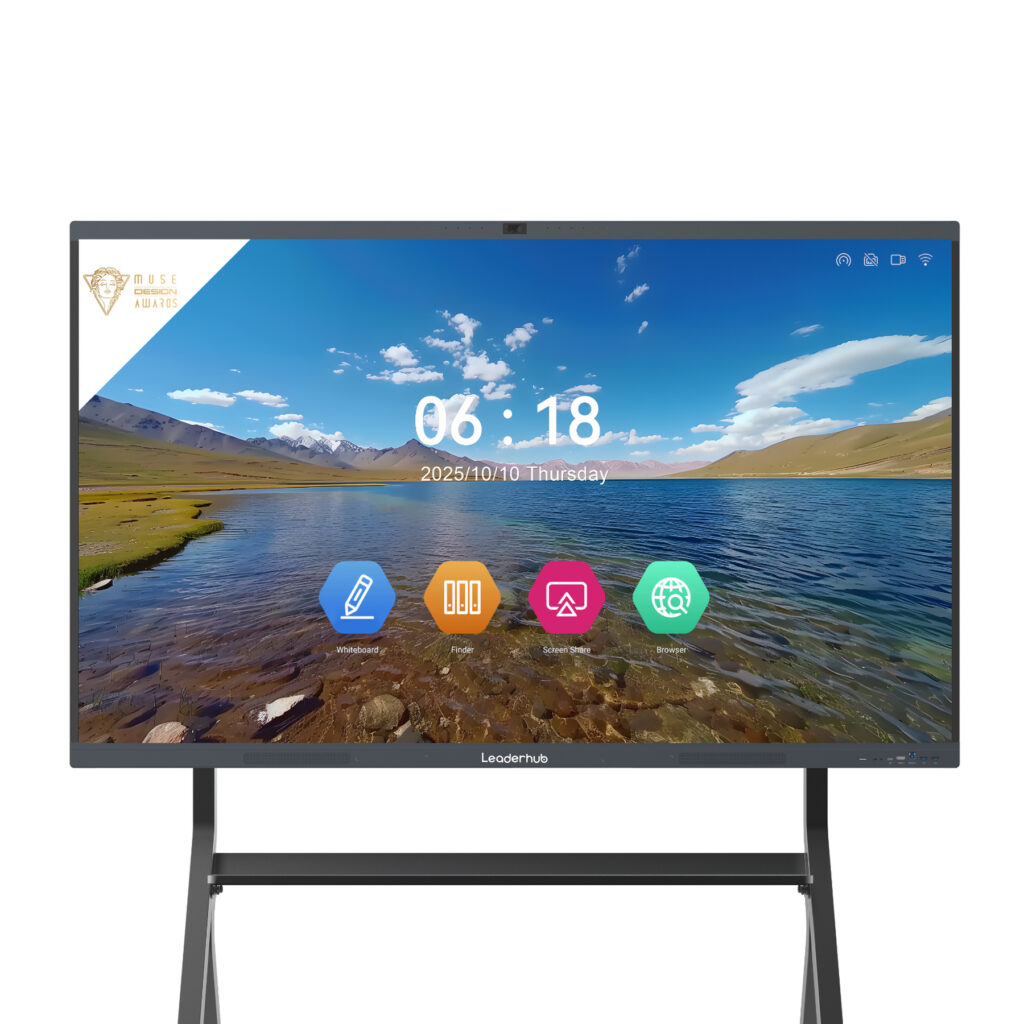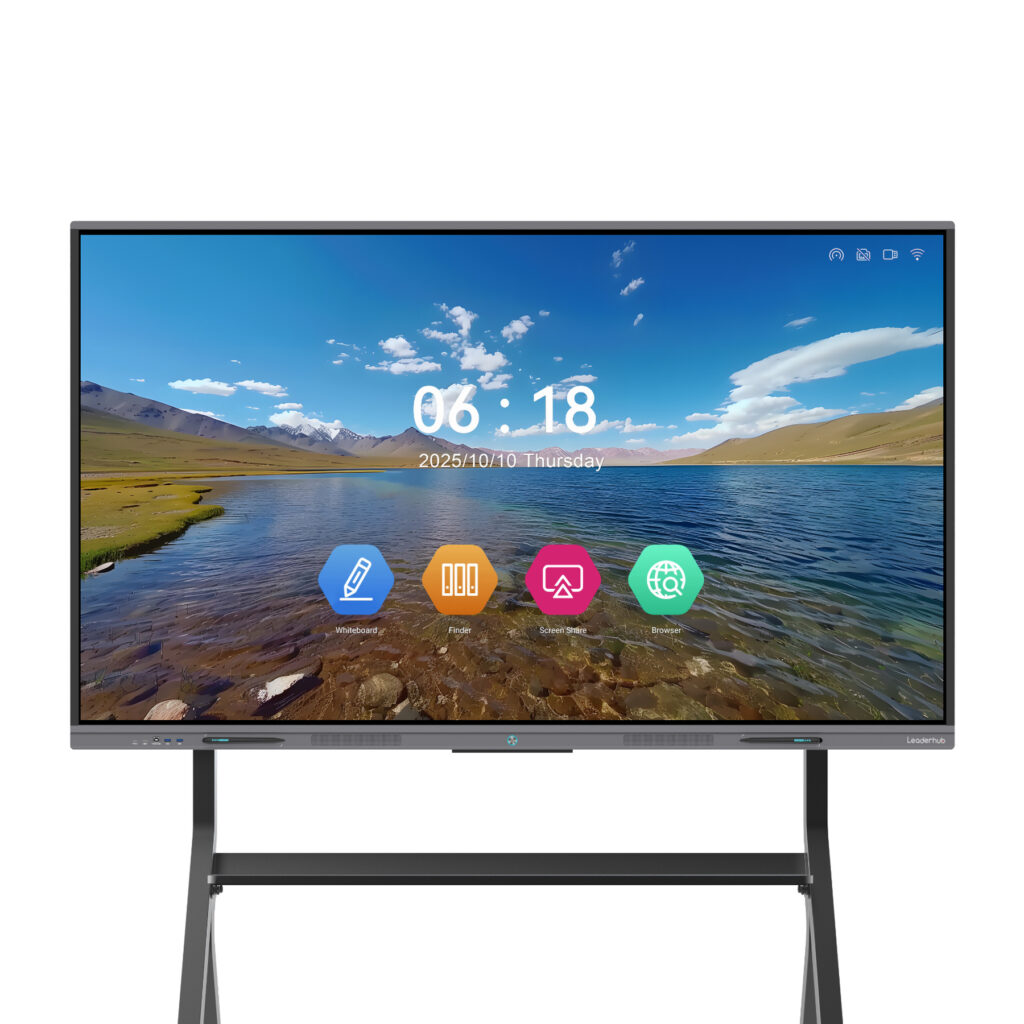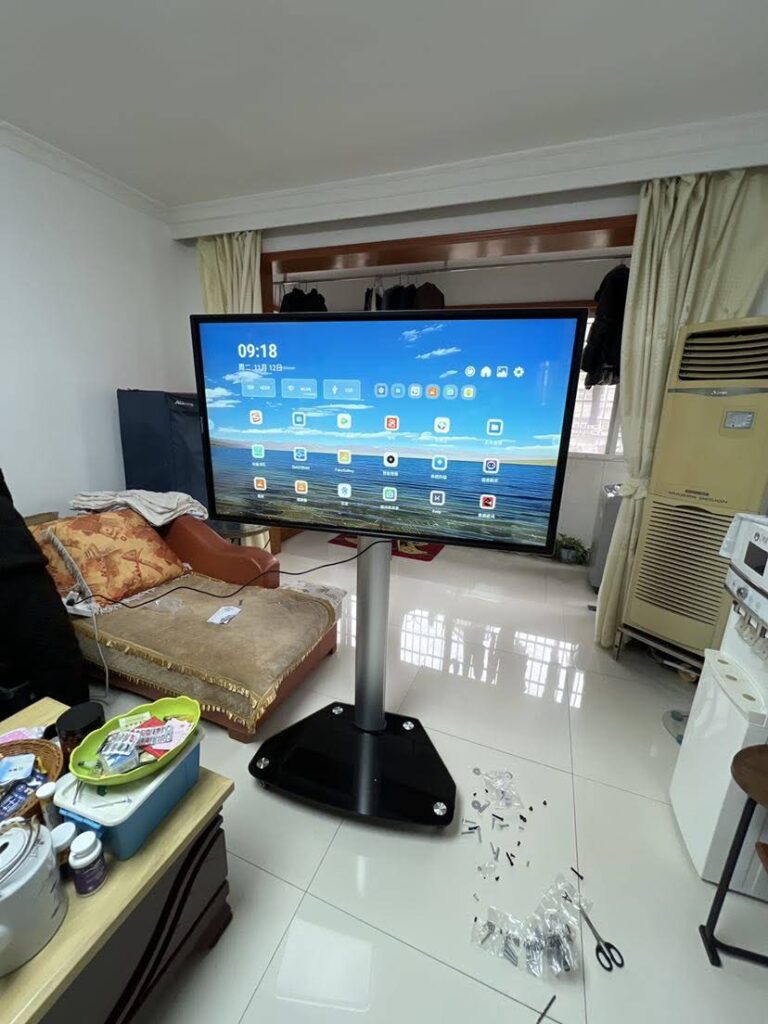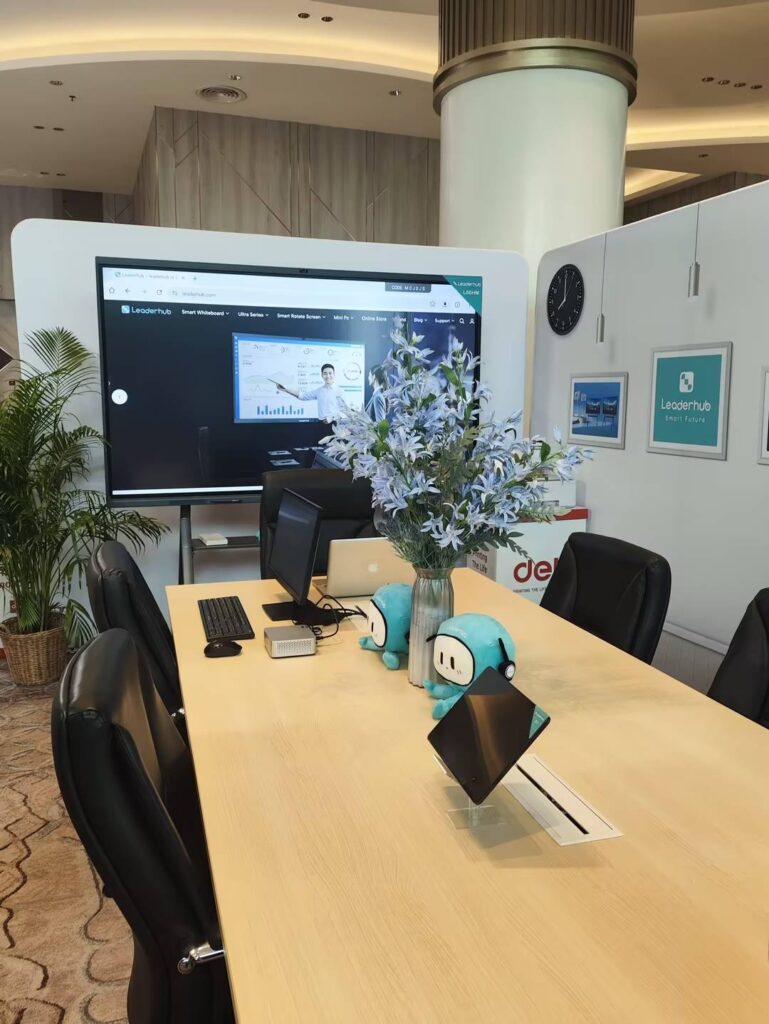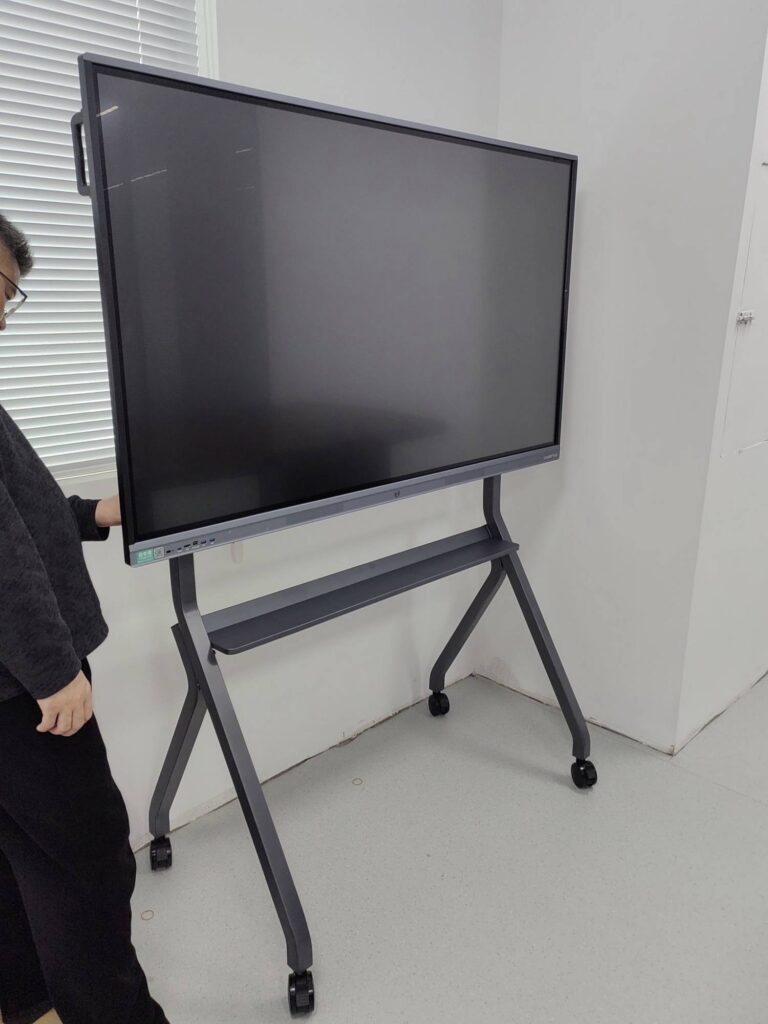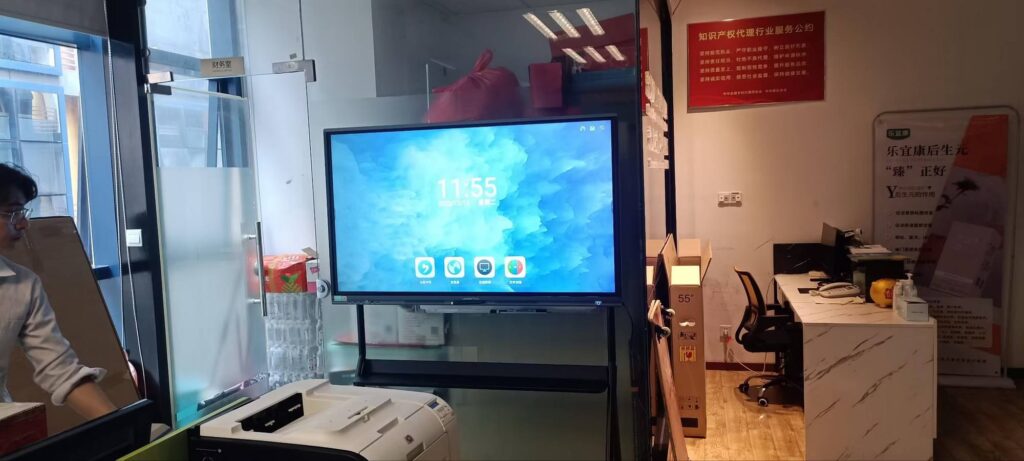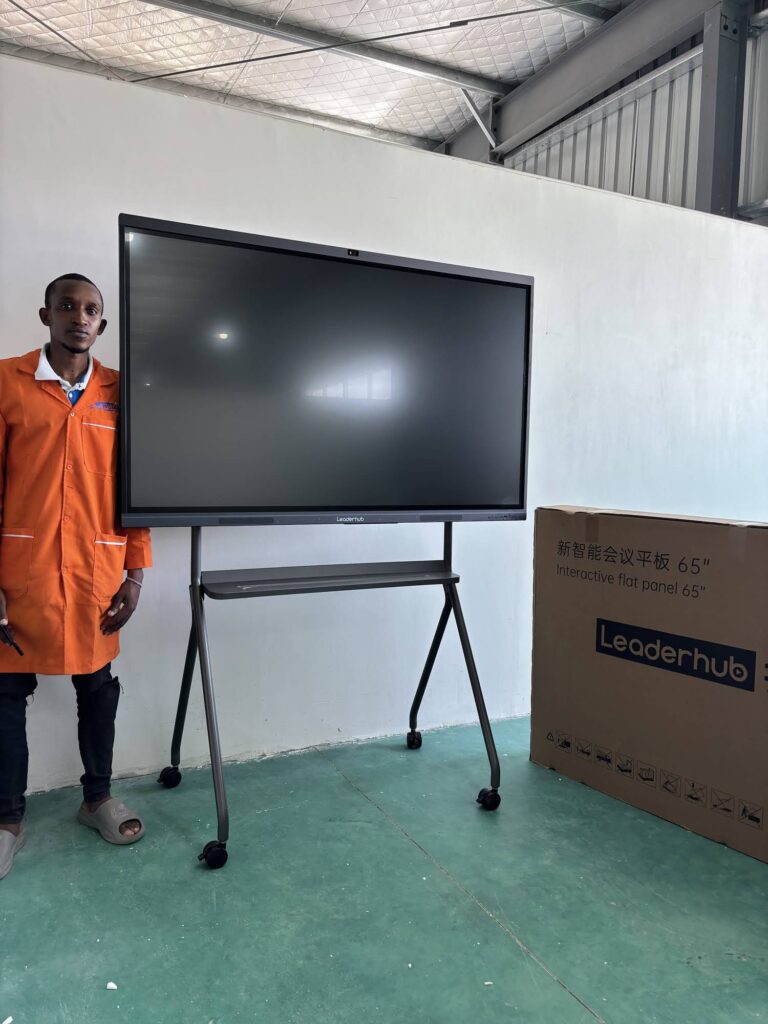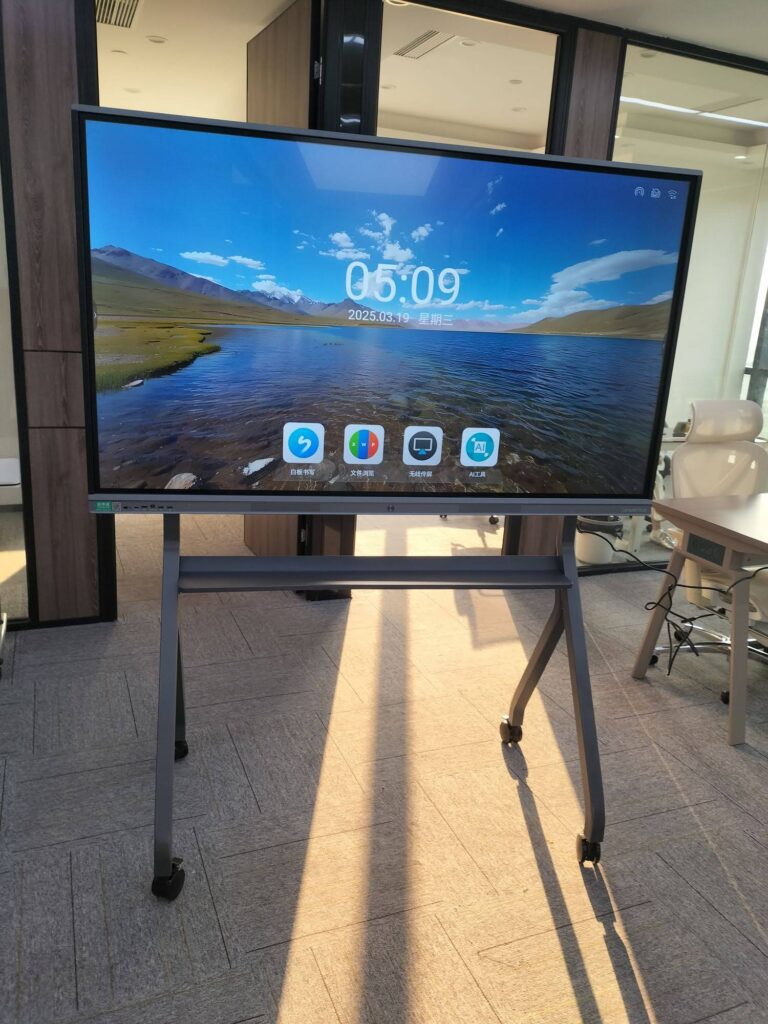
Buying interactive displays for a school district, a corporate office roll-out or a distribution business is rarely a one-off purchase. It is the start of a multi-year relationship with a manufacturer — one that covers pricing, delivery, firmware, spare parts and warranty service long after the first pallet arrives. That is why a smart board supplier contract negotiation checklist is one of the most valuable tools a procurement team can bring to the table.
Below you will find 15 key terms that experienced buyers review before signing with any interactive flat panel supplier. Each one includes what the clause usually says, why it matters, and a realistic negotiation target. Whether you are sourcing ten 65-inch panels for a single campus or negotiating a container-load OEM deal, use this list to protect your budget and your users.
Why the Supplier Contract Matters More Than the Spec Sheet
Most buyers spend weeks comparing panel brightness, touch points and Android versions, then sign the supplier’s standard purchase agreement in an afternoon. The problem is that a spec sheet describes the product on day one, while the contract decides what happens on day 400 when a panel fails, a firmware update breaks screen mirroring, or your second order arrives six weeks late.
Public-sector buyers face additional scrutiny. The UK EdTech Market Assessment found that schools often lack the procurement expertise to evaluate long-term costs of classroom technology, and UNESCO’s UNESCO Technology Recommendations urge institutions to consider total cost of ownership, maintenance and data governance before adopting any device. A well-negotiated contract is how those principles become enforceable.
The 15-Point Checklist at a Glance
| # | Contract Term | Category | Risk If Ignored |
|---|---|---|---|
| 1 | Unit pricing & volume tiers | Commercial | Overpaying on repeat orders |
| 2 | Payment terms & deposit | Commercial | Cash-flow strain, no leverage |
| 3 | Minimum order quantity (MOQ) | Commercial | Excess inventory |
| 4 | Price validity & currency | Commercial | Surprise price increases |
| 5 | Incoterms & shipping liability | Logistics | Hidden freight and duty costs |
| 6 | Technical specification schedule | Product | Component substitution |
| 7 | Warranty scope & duration | Product | Uncovered repair bills |
| 8 | Quality standards & inspection | Product | Dead pixels, touch faults |
| 9 | Spare parts & after-sales | Service | Panels sitting idle |
| 10 | Software & firmware updates | Service | Security and compatibility gaps |
| 11 | Lead time & delay remedies | Logistics | Missed installation windows |
| 12 | Certifications & compliance | Legal | Customs rejection, liability |
| 13 | IP, branding & OEM rights | Legal | Loss of brand control |
| 14 | Confidentiality & exclusivity | Legal | Competitor access to your pricing |
| 15 | Termination & dispute resolution | Legal | Costly, unenforceable claims |
Part 1 — Commercial Terms (Clauses 1–5)
1. Unit Pricing and Volume Tiers
Never accept a single flat price. Ask the supplier to write a tiered price schedule into the contract — for example, one rate for 1–20 units, a lower rate for 21–100, and a container rate beyond that. Make sure tiers apply to cumulative annual volume, not just a single purchase order, so your third order in the year earns the discount your total spend deserves. Also confirm whether pricing covers the wall mount, stylus, OPS slot or camera, since these accessories are a common source of “extras” on the final invoice.
2. Payment Terms and Deposit Structure
A 30% deposit with 70% against the bill of lading is a typical starting point for new relationships, but it is negotiable. Buyers with a track record can push toward 20/80, or request net-30 terms after the second successful order. Where the deposit is large, ask for a performance clause: if the supplier misses the agreed ship date by more than a set number of days, the deposit becomes refundable or the balance is reduced.
3. Minimum Order Quantity
MOQ affects both price and flexibility. Mixed-size orders (for example, combining 65-inch, 75-inch and 86-inch panels from the same series) should count toward one MOQ rather than three. If you are piloting a deployment, negotiate a lower trial MOQ with pricing that adjusts once the full order is confirmed. Suppliers who operate their own production lines, such as the manufacturers behind a complete smart whiteboard product range, usually have more room to accommodate this than trading companies.
4. Price Validity Period and Currency
Panel glass prices fluctuate with the global LCD market, so suppliers prefer short validity windows. Push for at least 90 days of fixed pricing, and for framework agreements, a cap on annual increases (commonly 3–5%) tied to a transparent index. Specify the invoicing currency, who absorbs exchange-rate movements, and whether the quoted price includes any export packaging or documentation fees.
5. Incoterms and Shipping Liability
The three-letter Incoterm on your quotation changes your true landed cost dramatically. Use the table below to compare the most common options for interactive display shipments.
| Incoterm | Supplier Pays | Buyer Pays | Best For |
|---|---|---|---|
| EXW | Goods at factory door | Everything else | Buyers with their own forwarder |
| FOB | Inland freight, export clearance, loading | Sea freight, insurance, import duty | Most container orders |
| CIF | Freight and insurance to destination port | Import duty, inland delivery | Buyers without logistics teams |
| DDP | Everything to your door, duties included | Unloading only | Schools and SMEs wanting one invoice |
Whatever term you choose, the contract should state who files insurance claims for transit damage — a critical detail when shipping 86-inch glass panels across an ocean.
Part 2 — Product and Quality Terms (Clauses 6–10)
6. Technical Specification Schedule
Attach the full specification as a numbered appendix and reference it in the main agreement. Include panel grade (A-grade original glass), resolution, brightness in nits, touch technology and touch points, Android version and RAM/ROM, OPS slot standard, port list, speaker output and glass hardness. Add a clause stating that no component substitution is permitted without written approval. This prevents a 450-nit panel being quietly replaced with a 350-nit panel in a later batch.
7. Warranty Scope and Duration
Warranty is where most smart board contracts fall short. Clarify the following in writing:
- Duration — 3 years is a reasonable target for education and enterprise; 1 year is a red flag for panels that run 8+ hours a day.
- Coverage — panel, mainboard, touch frame, power supply and OPS module should all be listed. Many suppliers exclude the glass itself.
- Service method — on-site, advance replacement, or return-to-factory? Who pays return freight?
- Response time — a commitment to acknowledge within 24–48 hours and ship parts within a defined window.
- Warranty start date — from ship date, delivery date or installation date? Installation date is best for the buyer.
8. Quality Standards and Pre-Shipment Inspection
Define acceptance criteria numerically. A common standard is AQL 2.5 for major defects and AQL 4.0 for minor defects, with a dead-pixel policy of zero bright pixels and no more than a specified number of dark pixels per panel. Reserve the right to conduct a third-party pre-shipment inspection at your cost, and state that failed inspection suspends the balance payment until defects are corrected. Also request aging-test reports (typically 48–72 hours of burn-in) for each production batch.
9. Spare Parts Availability and After-Sales Support
A panel that cannot be repaired is a panel that gets replaced at full price. Negotiate a guaranteed spare-parts availability period — ideally 5 years from the last shipment — covering mainboards, touch frames, power boards and remote controls. Ask for a small spare-parts kit (often 1–2% of order value) to be included free or at cost with large orders so local technicians can resolve issues without waiting for international freight. The AV Industry Standards and Resources published by AVIXA offer useful benchmarks for display serviceability that you can reference in the clause.
10. Software, Firmware Updates and Licensing
Interactive displays are computers, and computers need updates. Your contract should commit the supplier to provide security patches and firmware updates for a defined period (3 years minimum), state whether updates are delivered over the air or by USB, and clarify licensing for bundled whiteboarding software, screen-sharing tools and any cloud services. If the panel ships with a bundled OPS mini PC, confirm whether the Windows licence is included and activated. For education buyers, insist on a clause covering data privacy and the ability to disable data collection, in line with child-protection expectations now common in public tenders.
Part 3 — Delivery and Risk Terms (Clauses 11–12)
11. Lead Time and Late-Delivery Remedies
Standard lead time for interactive panels is 15–35 days after deposit, depending on quantity and customisation. Write the exact number into the contract, define when the clock starts (deposit received and specification confirmed), and add a liquidated damages clause — commonly 0.5% of order value per week of delay, capped at 5–10%. Schools in particular should align delivery with term breaks; a panel that arrives three weeks after the summer holiday ends creates real disruption for teachers and students.
12. Certifications and Regulatory Compliance
Confirm which certifications are held and require the supplier to provide valid certificates before shipment. The essentials by region are:
- Europe / UK — CE, UKCA, RoHS, REACH, and energy labelling where applicable
- North America — FCC Part 15, UL or ETL safety listing, Energy Star where required by tenders
- Australia / New Zealand — RCM
- Global — ISO 9001 factory certification and, increasingly, ISO 14001
Add a clause stating the supplier bears any cost arising from customs rejection or recall due to missing or invalid certification. Education buyers can also reference the questions in Choosing Technology in Education when drafting compliance and accessibility requirements.
Part 4 — Legal and Partnership Terms (Clauses 13–15)
13. Intellectual Property, Branding and OEM/ODM Rights
If you are ordering under your own brand, the contract must state that your logo, boot screen, packaging artwork and UI customisations remain your property and may not be used for other customers. For ODM projects involving custom housings or software, define who owns the tooling and the source code, and whether the supplier may reuse the design after the agreement ends. Conversely, if you are reselling the manufacturer’s brand, confirm your right to use product images, trademarks and marketing material in your territory.
14. Confidentiality and Exclusivity
Your negotiated pricing, customer list and roadmap discussions should be protected by a mutual NDA incorporated into the supply agreement. Exclusivity is a separate conversation: territorial or channel exclusivity is usually granted only in exchange for committed annual volumes. If you want it, propose a volume-linked exclusivity clause with clear review dates rather than an open-ended promise neither side can enforce.
15. Termination, Dispute Resolution and Governing Law
Finally, agree how the relationship ends if it must. Include termination rights for repeated quality failures or late deliveries, a run-off period for outstanding warranty obligations, and a clear dispute pathway — negotiation first, then mediation, then arbitration in a neutral venue such as Hong Kong, Singapore or London. Specify the governing law and the contract language that prevails if translated versions differ. A contract that is unenforceable is only a statement of good intentions.
Red Flags That Should Pause Any Signing
- The supplier refuses to attach a written specification schedule or sample approval record.
- Warranty terms are described only as “one year standard” with no service method defined.
- Certificates are provided as screenshots rather than verifiable documents with certificate numbers.
- Payment must be made to a personal account or an entity whose name differs from the contracting party.
- No factory address, no business licence, and reluctance to host a video factory audit.
- Price quoted is far below the market for A-grade panels — often a sign of refurbished or B-grade glass.
Practical Negotiation Tips for Buyers
- Request a sample before negotiating volume. A single 65-inch unit such as the 65-inch 4K interactive whiteboard lets your IT team validate touch latency, Android performance and build quality against the spec appendix.
- Bundle the conversation. Suppliers concede more on warranty and spare parts when the discussion also covers a realistic annual forecast.
- Negotiate the appendices, not just the price. The specification, warranty and quality appendices carry more long-term value than a 2% discount.
- Visit or video-audit the factory. Manufacturers who exhibit at major trade shows and run their own assembly lines are generally more willing to accept inspection clauses.
- Plan for the second order now. Lock in the tiered pricing, the price-increase cap and the lead-time commitment so the renewal is a formality.
Working With a Manufacturer That Welcomes These Terms
Established manufacturers do not fear a thorough checklist — they expect it. LeaderHub, a Shenzhen-based interactive display manufacturer with 16 years of industry experience and deliveries to 82 countries, regularly supports buyers through specification schedules, pre-shipment inspection, OEM/ODM branding agreements and multi-year warranty and firmware commitments across its smart whiteboard, interactive flat panel, mini PC and portable smart screen lines. If you are preparing a tender or framework agreement, the team can walk you through each of the 15 terms above against a real quotation — simply contact the sales team or browse the full interactive display catalogue to shortlist models for sampling.
Frequently Asked Questions
How long should a smart board warranty be?
Three years is the realistic benchmark for panels used daily in classrooms and meeting rooms. Many suppliers will extend to five years on the mainboard and power supply for larger orders.
What is a reasonable deposit for a first order?
30% is standard for new customers, with the balance paid against shipping documents. Returning customers with clean payment histories can often negotiate 20% or open-account terms.
Should I choose FOB or DDP for interactive panels?
FOB gives experienced buyers more control over freight costs. DDP is simpler for schools and small businesses because duties and delivery are bundled into one predictable price, though it is usually slightly more expensive overall.
Can I mix panel sizes to reach MOQ?
Most manufacturers allow mixed sizes within the same product series to count toward a single MOQ, but confirm this in writing — it is one of the most frequently assumed and least frequently documented terms.
Who should review the contract before signing?
Procurement, IT and legal should each sign off on their relevant appendices: IT on the specification and software clauses, procurement on pricing and logistics, and legal on IP, confidentiality and dispute resolution.