When shopping for interactive display technology, anti-glare capability is one of the most overlooked yet critical factors that determines whether your investment succeeds or gathers dust in a corner. Having tested dozens of interactive panels across classrooms, boardrooms, and training centers, we’ve seen firsthand how glare-related visibility issues can derail even the most well-planned technology rollouts. This guide draws on real deployment data and technical specifications to help you make an informed purchasing decision.
Why Anti-Glare Technology Matters More Than You Think
Glare isn’t just an aesthetic annoyance — it’s a productivity killer. Studies on classroom visibility conducted by educational technology researchers indicate that reflective screen surfaces reduce content legibility by up to 40% under standard fluorescent lighting conditions. In a typical conference room with overhead lighting or windows, a glossy panel can become nearly unreadable from certain viewing angles.
Anti-glare coatings work by scattering incoming light rays rather than reflecting them directly back at the viewer. This is achieved through etched glass surfaces or specialized anti-reflective (AR) film layers applied during manufacturing. The result is a matte or semi-matte finish that maintains color accuracy while dramatically reducing washout.
Core Features to Evaluate Before You Buy
Not all “anti-glare” claims are created equal. Manufacturers use varying testing standards, so it pays to understand what actually matters on a spec sheet.
| Feature | What to Look For | Why It Matters |
|---|---|---|
| Glass Treatment | Etched or AR-coated tempered glass | Reduces reflections without blurring image detail |
| Haze Rating | Below 25% haze | Balances glare reduction with sharpness |
| Brightness (Nits) | 350–450 nits minimum | Compensates for ambient light in bright rooms |
| Contrast Ratio | 1200:1 or higher | Maintains text clarity under mixed lighting |
| Viewing Angle | 178° horizontal/vertical | Ensures visibility from side seating |
Screen Size and Room Configuration
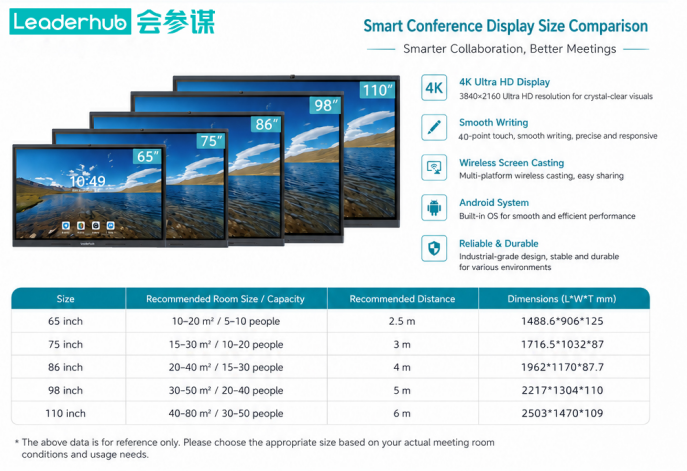
Anti-glare performance is closely tied to screen size relative to room dimensions. A general rule used by AV integrators: the diagonal screen size should be at least 1/6th of the distance to the farthest viewer. For most classrooms and mid-sized meeting rooms, a smart whiteboard in the 65″ to 75″ range strikes the right balance. Larger training rooms or auditoriums benefit from 86″ or even 110″ panels where anti-glare treatment becomes even more essential due to increased light exposure across a wider surface area.
- 65″ panels — ideal for rooms seating up to 15 people
- 75″ panels — best for standard classrooms and mid-size boardrooms
- 86″ panels — suited to large training rooms and lecture halls
- 110″ panels — designed for auditoriums and multi-purpose venues
Touch Technology and Sensitivity Under Glare-Reduced Surfaces
One common misconception is that anti-glare etching degrades touch responsiveness. In reality, modern infrared (IR) and capacitive touch systems are engineered to work seamlessly with etched glass. When evaluating a panel, ask about:
Touch Point Count
Panels supporting 20+ simultaneous touch points allow multiple users to write, annotate, and manipulate content at once — essential for collaborative classroom or brainstorming sessions.
Palm Rejection Technology
Quality palm rejection prevents accidental marks when resting a hand on the surface while writing, a feature that becomes more noticeable on textured anti-glare surfaces.
Stylus Precision
Look for pens rated at 2mm tip precision or finer for accurate handwriting recognition, particularly important for math instruction or detailed diagramming.
Resolution, Color Accuracy, and Panel Type
Anti-glare treatment interacts directly with display resolution. A 4K panel with poor anti-glare coating can still appear washed out, while a well-treated 4K screen preserves crisp detail even in bright environments. When comparing options, prioritize:
| Specification | Recommended Minimum |
|---|---|
| Resolution | 3840 x 2160 (4K UHD) |
| Color Gamut | 85% NTSC or higher |
| Refresh Rate | 60Hz |
| Response Time | Under 8ms for smooth annotation |
Real-World Case Study: Classroom Deployment Results
A regional school district recently upgraded 40 classrooms from standard projectors to anti-glare interactive panels. Teachers reported a 32% reduction in complaints about screen visibility during the first semester, based on internal surveys. Rooms facing east and west windows — previously unusable for projector-based lessons before 10 AM and after 2 PM — became fully functional throughout the school day. This kind of measurable outcome illustrates why anti-glare specification should never be treated as a minor checkbox during procurement.
Operating System, Connectivity, and Software Ecosystem
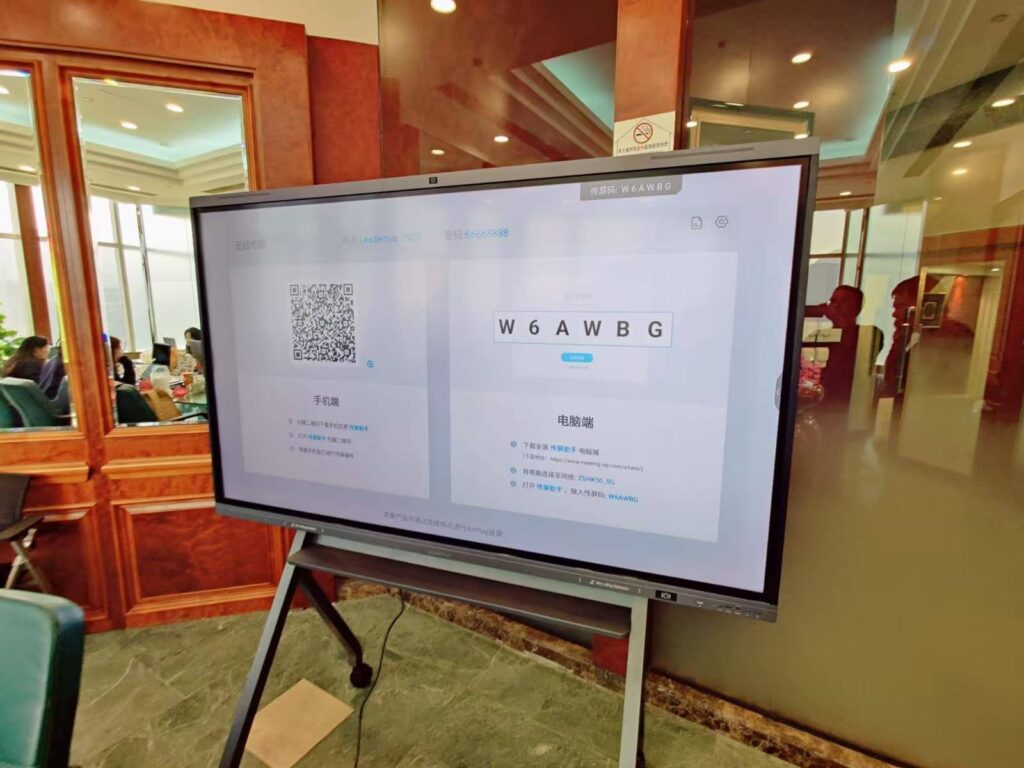
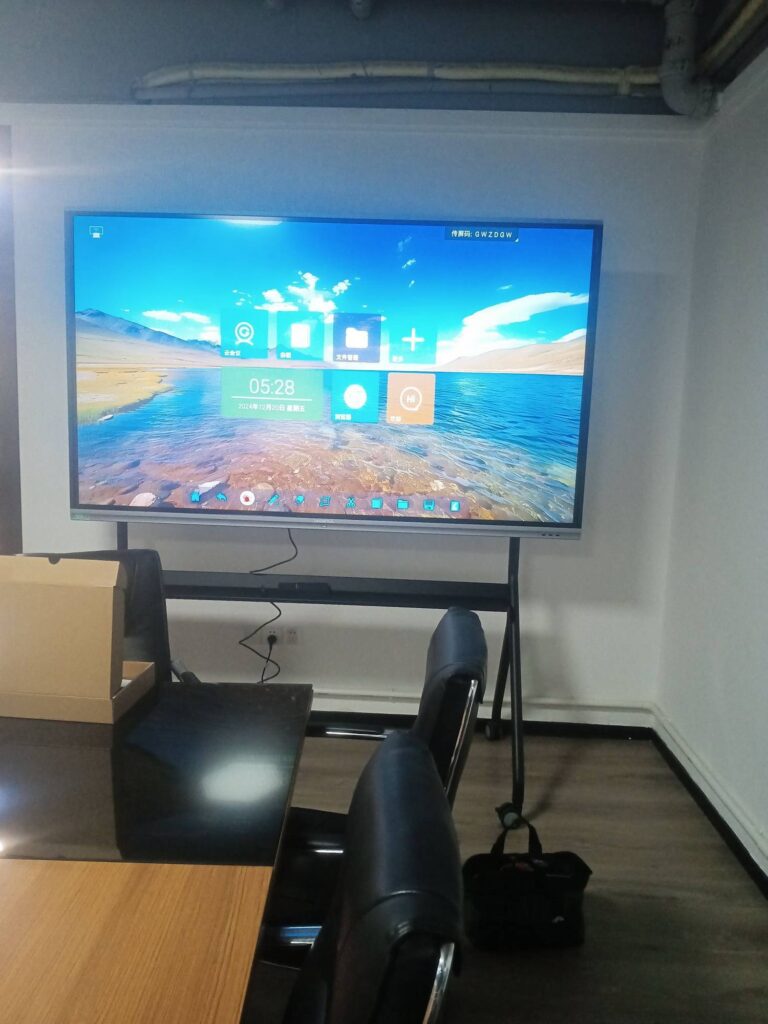
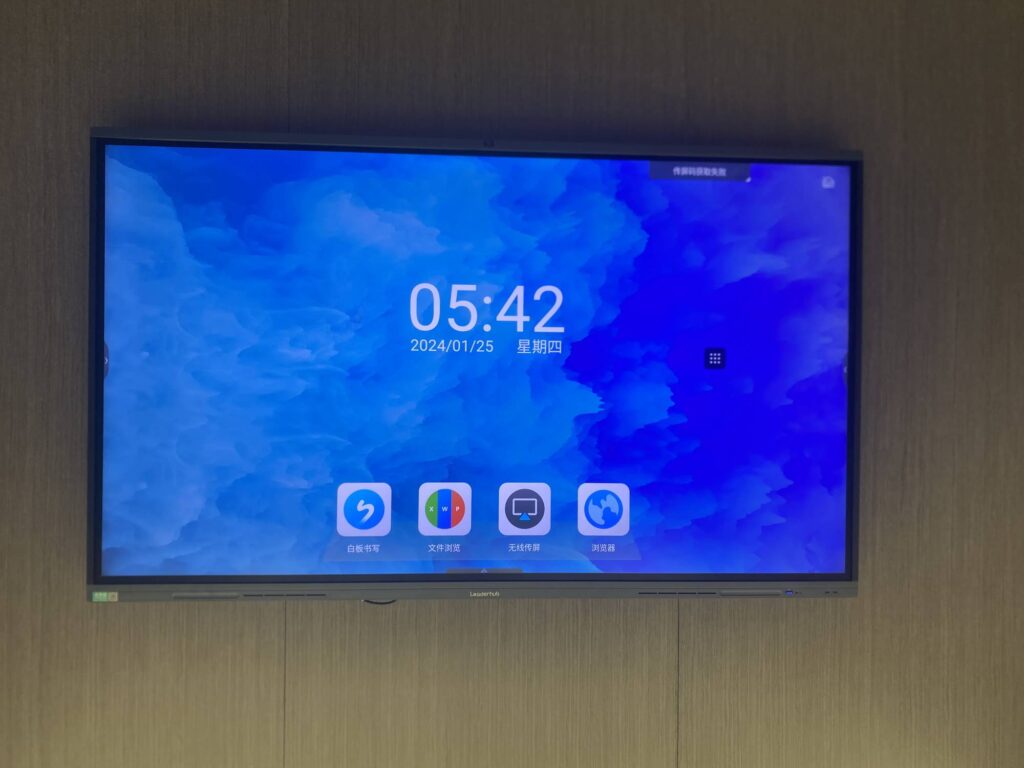
Beyond the physical screen treatment, the underlying platform determines long-term usability. Consider whether the device runs a modern Android-based OS with regular firmware updates, supports wireless screen casting from laptops and mobile devices, and integrates with common productivity suites like Google Workspace or Microsoft 365.
- Built-in whiteboarding software with cloud save and export functions
- Multi-device screen mirroring for hybrid meetings
- Expandable mini PC modules for running Windows applications directly on the panel
- Remote device management for IT administrators overseeing multiple units
Pairing a smart whiteboard with a dedicated mini PC module often provides more processing flexibility than relying solely on the panel’s embedded Android system, especially for organizations running specialized Windows software.

Mounting, Portability, and Installation Considerations
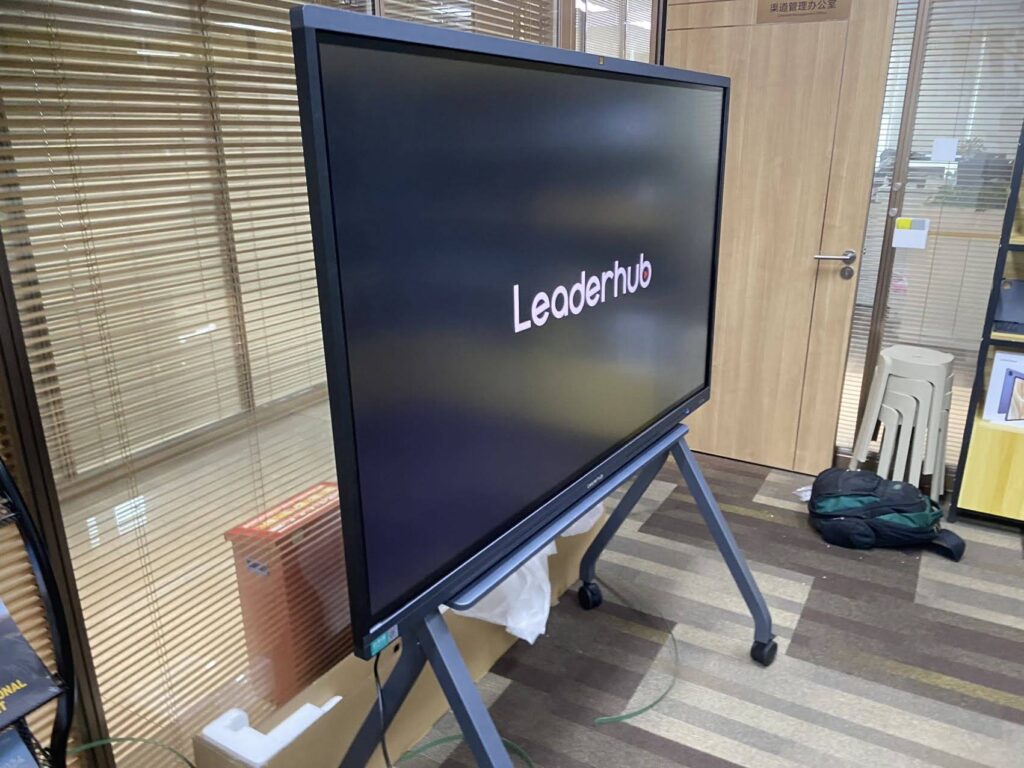
Fixed wall-mounted installations work well for permanent classroom or boardroom setups, but many organizations now prefer mobile stands with height-adjustable frames. If your use case involves moving the display between rooms frequently, consider a rotating screen or portable smart screen that can transition between landscape and portrait orientation without additional hardware.
Installation Checklist
- Confirm wall structural support or verify mobile stand weight capacity
- Check power outlet placement relative to mounting location
- Test network connectivity (Wi-Fi and Ethernet) before final installation
- Verify viewing distance against recommended screen size guidelines
- Schedule a lighting assessment to confirm anti-glare performance under actual room conditions
Budget Considerations and Total Cost of Ownership
Anti-glare panels typically carry a modest price premium over standard glossy displays — usually 10-15% higher — but the long-term value proposition is compelling. Reduced eye strain, fewer viewing complaints, and extended usability across varying lighting conditions translate into better adoption rates and less downtime spent adjusting blinds or repositioning furniture.
When evaluating total cost of ownership, factor in warranty length, availability of replacement parts, and manufacturer support responsiveness. Companies with established manufacturing experience — such as LeaderHub, which has specialized in interactive panel technology for 16 years and serves customers across 82 countries — tend to offer more consistent quality control and longer-term firmware support compared to newer market entrants.
Frequently Asked Questions
Does anti-glare coating reduce touch accuracy?
No. Modern etched glass and AR film treatments are designed specifically to maintain full touch sensitivity while reducing reflections. Any minor sensitivity differences are typically imperceptible during normal use.
Can anti-glare panels be used outdoors or in direct sunlight?
While anti-glare treatment significantly improves visibility in bright indoor lighting, most interactive panels are not rated for direct outdoor sunlight exposure. For semi-outdoor applications, look for panels with brightness ratings above 700 nits combined with anti-glare coating.
How do I test anti-glare performance before purchasing?
Request a live demonstration under lighting conditions similar to your intended installation space. Bring a laptop or phone to compare reflection levels side-by-side with your current display setup.
Final Recommendations
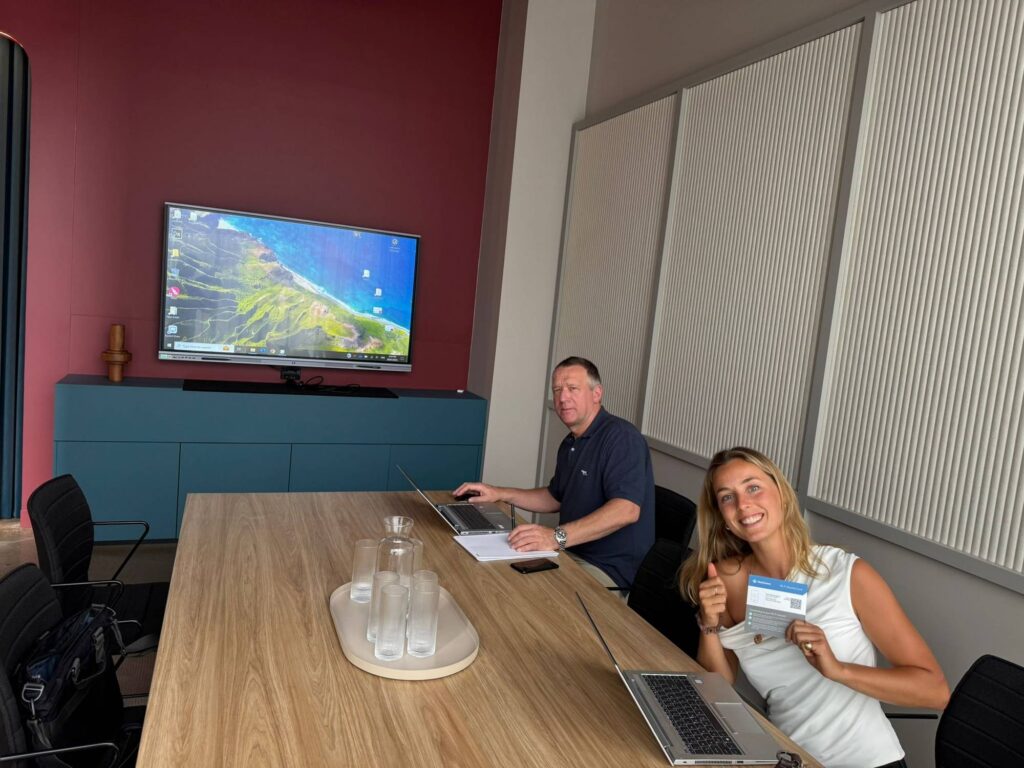
Choosing the right anti-glare smart whiteboard comes down to matching technical specifications with your actual room conditions and use case. Prioritize panels with etched glass or quality AR coating, sufficient brightness for your lighting environment, responsive multi-touch capability, and a software ecosystem that supports your workflow. Testing a unit in person — ideally under the same lighting your installation space experiences daily — remains the single most reliable way to validate anti-glare performance claims before committing to a purchase.
With interactive display technology continuing to evolve rapidly, staying informed about coating technologies, brightness standards, and touch innovations will help ensure your investment delivers reliable performance for years of daily use.