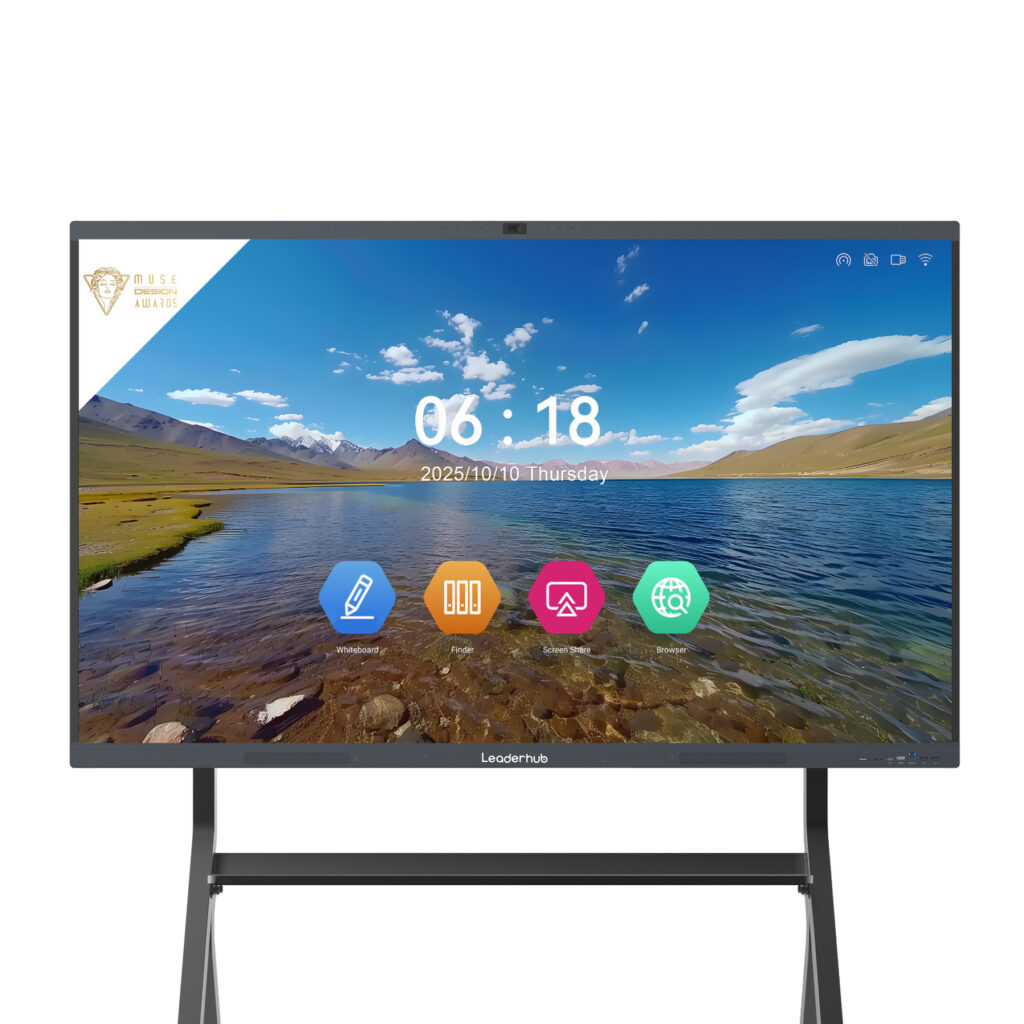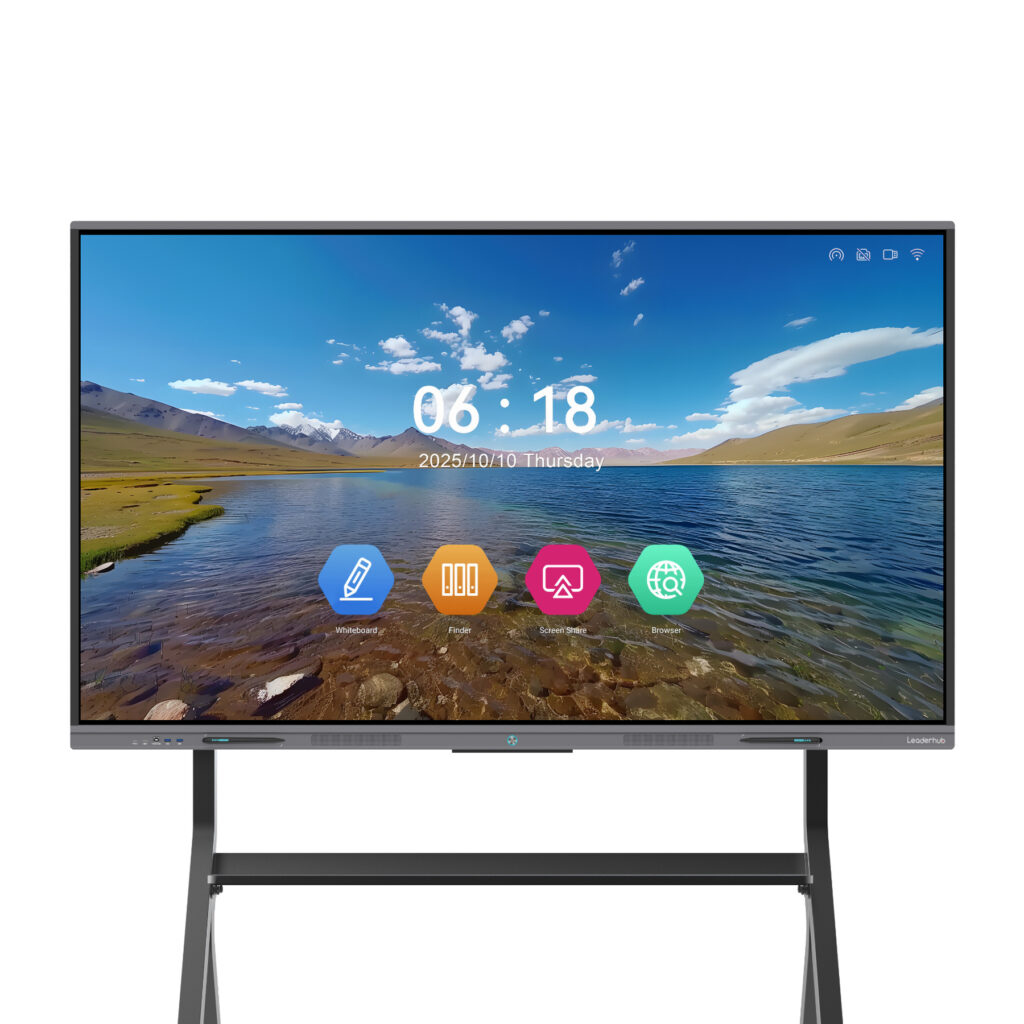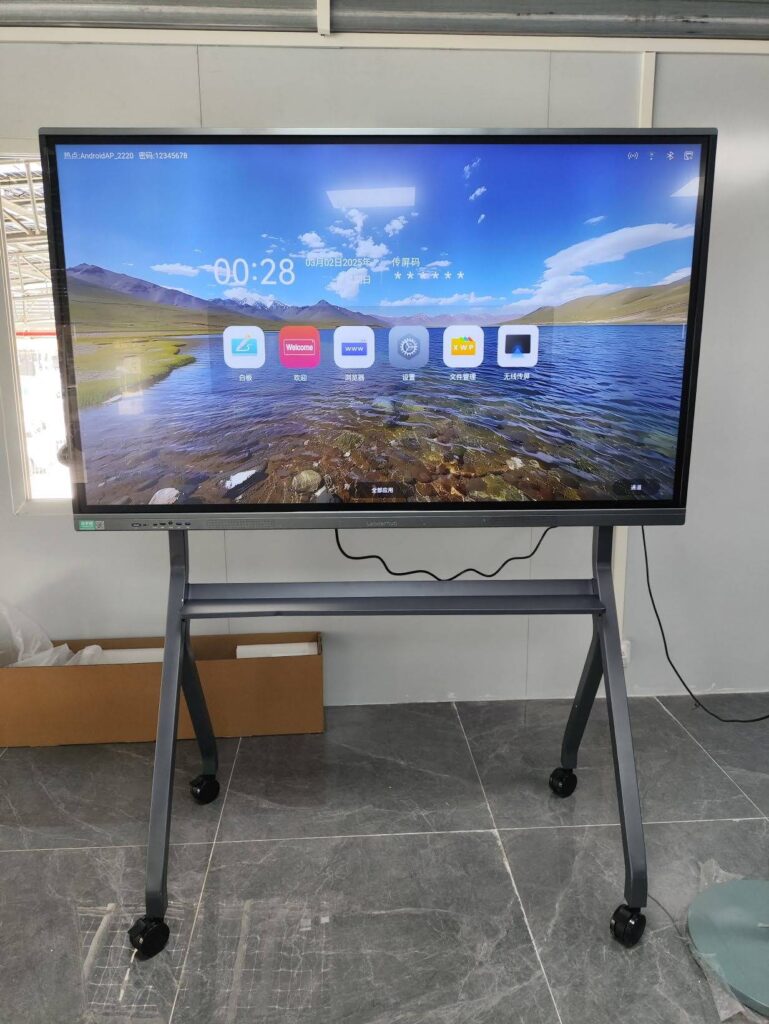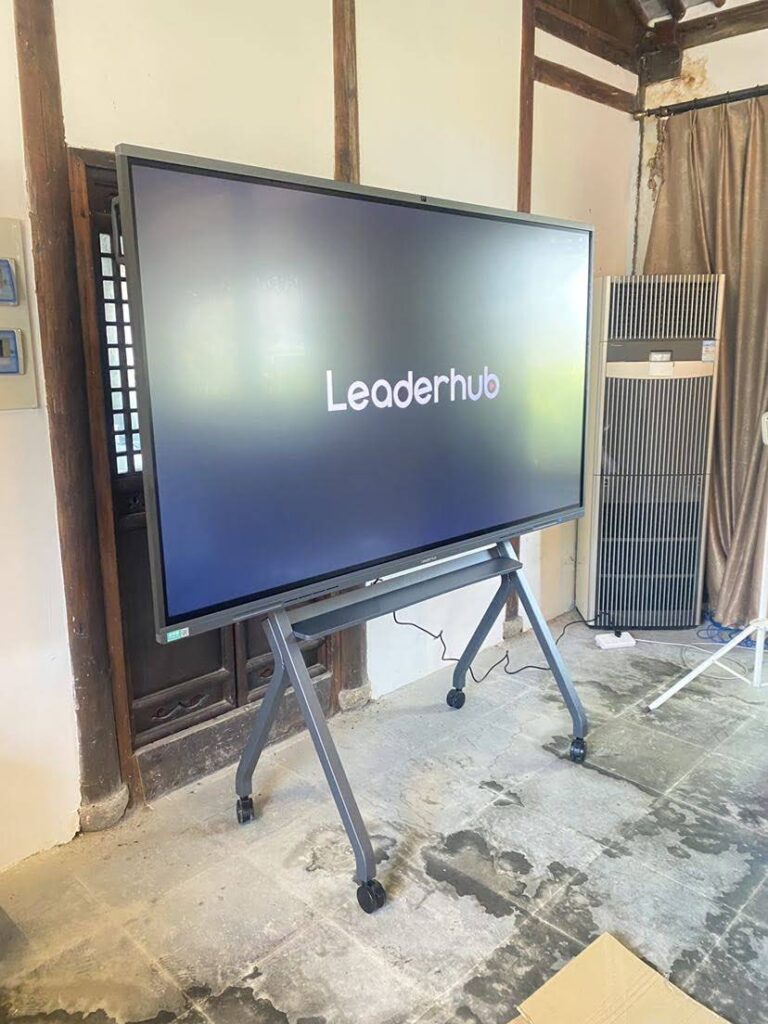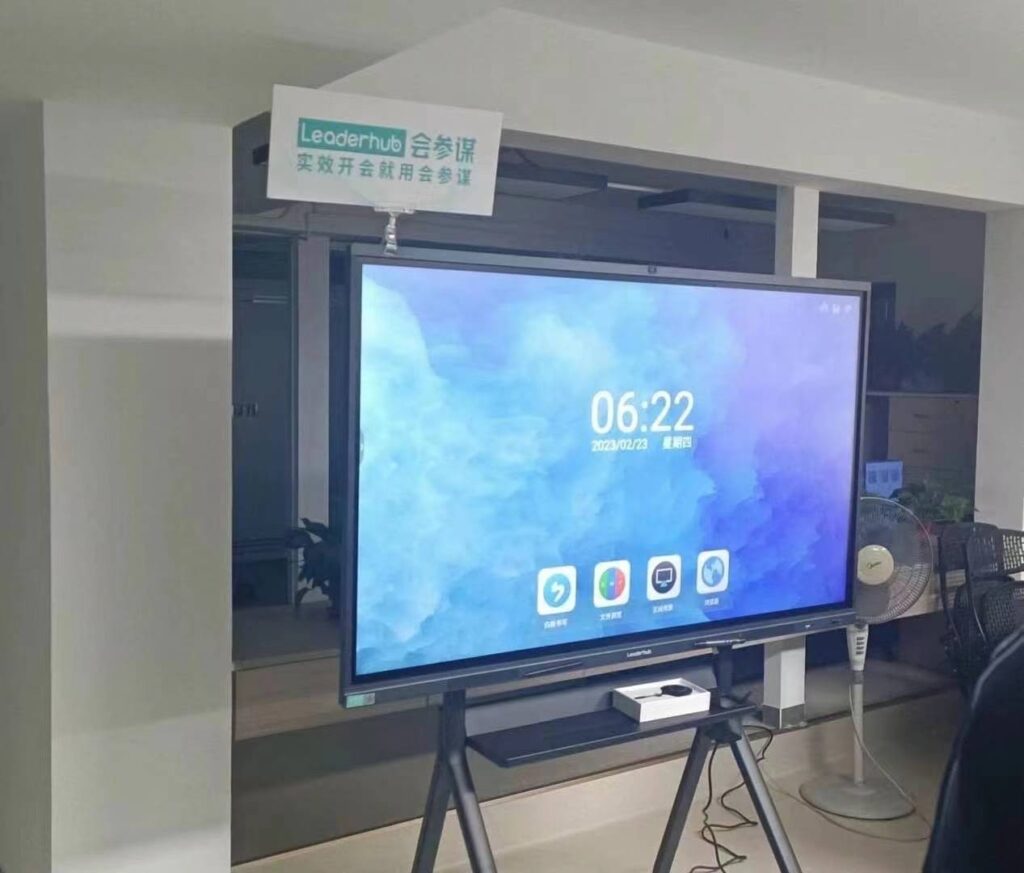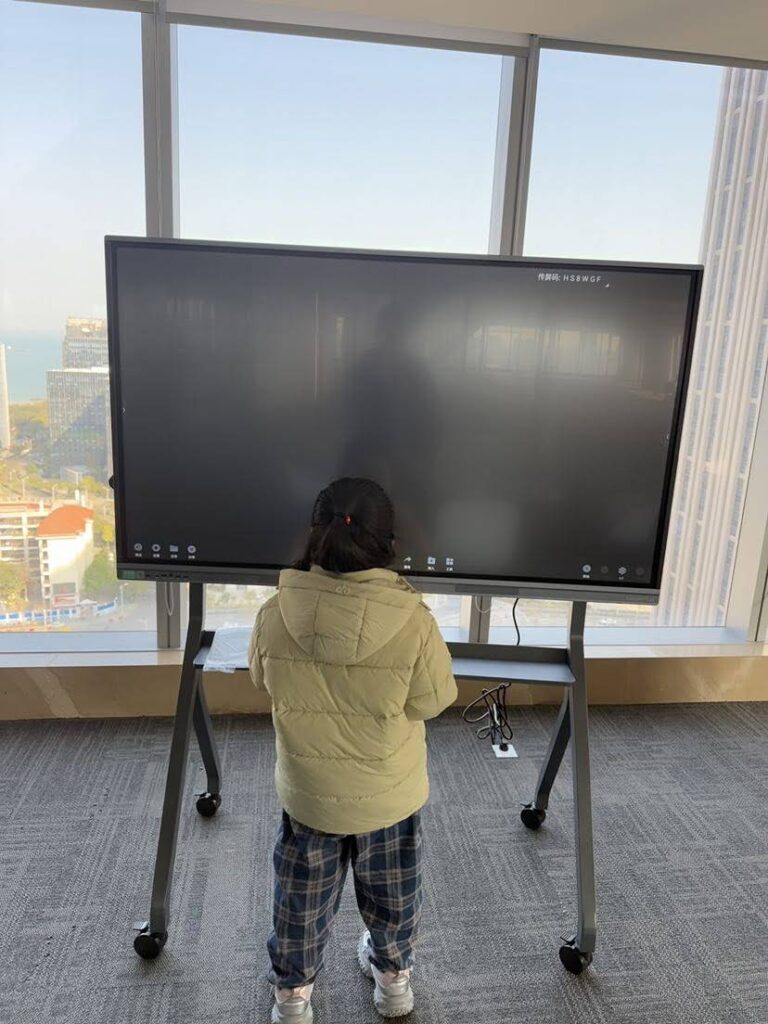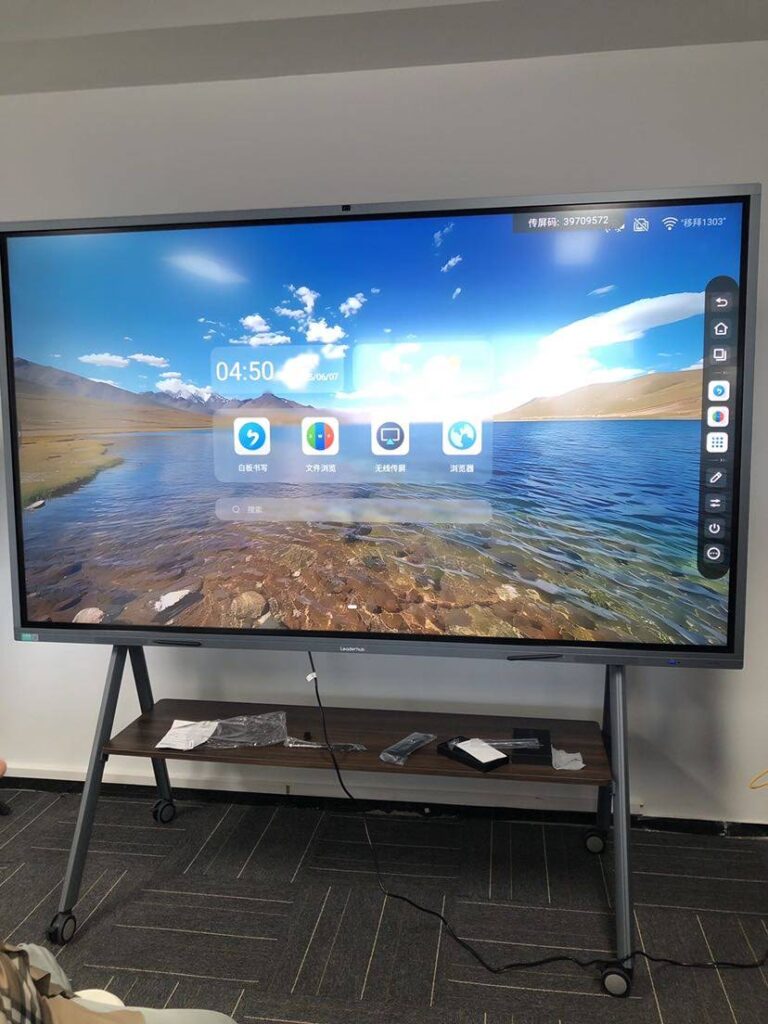
When schools plan to modernize their classrooms with interactive technology, one of the first questions administrators ask is: how much does a smart board actually cost? The answer isn’t straightforward because pricing varies significantly based on screen size, features, brand reputation, and additional equipment needs. Understanding these cost factors helps schools make informed purchasing decisions that balance budget constraints with educational goals.
According to recent market analysis, schools across the United States typically spend between $2,000 and $8,000 per classroom smart board, with the total investment depending on whether they choose entry-level models or premium interactive flat panels with advanced AI capabilities. This guide breaks down everything you need to know about smart board pricing, helping your institution plan an effective technology budget.
Understanding Smart Board Price Ranges
Smart board costs fall into distinct categories based on screen size and functionality. Entry-level 55-inch interactive displays typically start around $1,500 to $2,500, making them suitable for small classrooms or breakout spaces. Mid-range 65-inch to 75-inch models, which represent the most popular choice for standard classrooms, generally cost between $2,500 and $5,000. Premium 86-inch to 98-inch panels designed for large lecture halls or multipurpose rooms can range from $5,000 to $8,000 or more.

These base prices typically include the interactive display panel itself, built-in computing capabilities, and basic collaboration software. However, schools should budget for additional components that enhance functionality and ensure proper installation.
Key Factors That Influence Smart Board Costs
Screen Size and Resolution
Screen size directly impacts pricing, with each increase in diagonal measurement adding $500 to $1,500 to the total cost. Resolution quality also affects price¡ª4K Ultra HD displays cost approximately 20-30% more than standard Full HD models but provide significantly sharper image quality that benefits visual learning and detailed content display.
Touch Technology and Responsiveness
Modern smart boards use either infrared or capacitive touch technology. Infrared systems generally cost less but may require occasional calibration. Capacitive touch panels, while more expensive, offer smartphone-like responsiveness and support up to 20 simultaneous touch points, enabling genuine collaborative work among multiple students.
Built-in Computing Power
Integrated computing systems vary considerably in capability. Basic Android-based systems add minimal cost but provide limited functionality. Windows-based systems with Intel i5 or i7 processors increase prices by $300 to $800 but enable running full desktop applications and resource-intensive educational software without external computers.
| Screen Size | Typical Price Range | Best For |
|---|---|---|
| 55″ – 65″ | $1,500 – $3,000 | Small classrooms, group study rooms |
| 70″ – 75″ | $3,000 – $5,000 | Standard classrooms (20-30 students) |
| 86″ | $5,000 – $7,000 | Large classrooms, auditoriums |
| 98″ – 110″ | $7,000 – $12,000 | Lecture halls, multipurpose rooms |
Beyond the Display: Additional Cost Considerations
Installation and Mounting
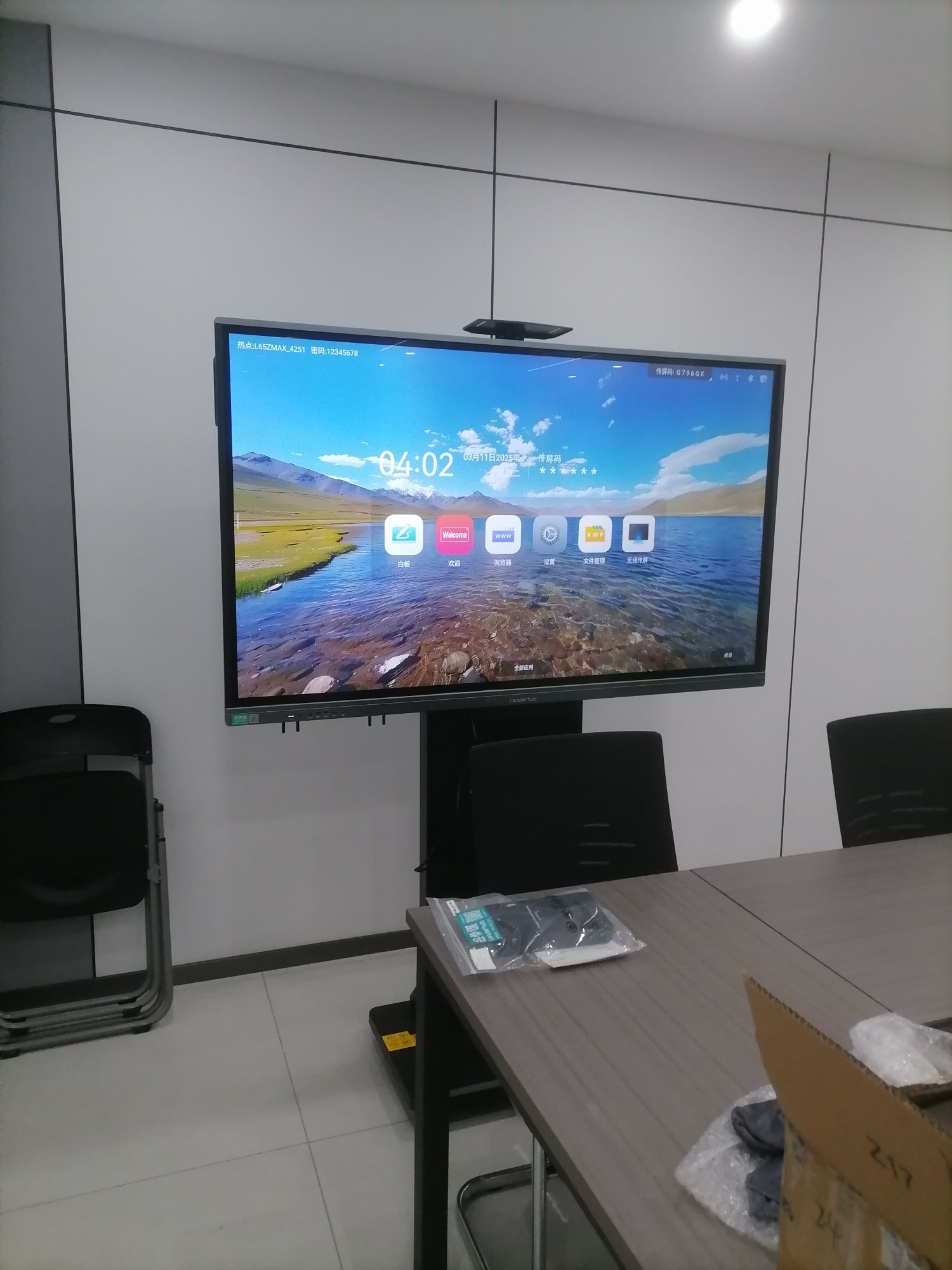
Professional installation ensures proper mounting, cable management, and optimal viewing angles. Installation costs typically range from $300 to $800 per classroom, depending on wall type, electrical work requirements, and whether existing infrastructure can be utilized. Mobile stands offer flexibility at $200 to $500 but may not be suitable for all classroom layouts.
Extended Warranties and Support
Standard manufacturer warranties cover one to three years, but schools operating equipment daily should consider extended protection. Extended warranties covering five years typically add 15-25% to the initial purchase price but protect against expensive repairs and provide priority technical support that minimizes classroom downtime.
Software Licenses and Digital Content
While many smart boards include basic collaboration software, premium educational applications often require separate licenses. Annual software subscriptions for comprehensive classroom management tools, interactive lesson libraries, and assessment platforms range from $100 to $500 per classroom. Some districts negotiate site licenses that reduce per-classroom costs when deploying technology across multiple buildings.
Comparing Smart Board Brands and Value Propositions
Brand selection significantly impacts both initial costs and long-term value. Established brands like SMART Technologies and Promethean command premium prices¡ªoften $1,000 to $2,000 above comparable specifications¡ªbased on brand recognition, extensive support networks, and mature software ecosystems. These premium options typically offer more comprehensive training resources and established communities of educators sharing lesson content.
Mid-tier manufacturers including LeaderHub, ViewSonic, and BenQ provide compelling alternatives, offering similar technical specifications at 20-40% lower prices while maintaining professional quality and reliable performance. LeaderHub, with over 16 years of interactive display expertise and products deployed in more than 82 countries, delivers AI-powered smart boards that balance advanced features with cost-effectiveness¡ªparticularly valuable for districts managing tight budgets.
When evaluating brands, consider total cost of ownership beyond purchase price. Factors like energy efficiency (LED vs. traditional lamp-based projectors can save $100-$200 annually in electricity costs), readily available replacement parts, and responsive technical support all impact long-term value.
Budget-Friendly Smart Board Solutions
Schools with limited budgets can still access interactive display technology through strategic planning:
- Phased Deployment: Equip high-priority classrooms first (core subjects, high-enrollment courses) rather than attempting district-wide implementation immediately
- Refurbished Equipment: Certified refurbished models from reputable manufacturers offer 30-50% savings while maintaining functionality and limited warranties
- Hybrid Solutions: Combine affordable interactive projectors ($800-$1,500) with existing whiteboards in classrooms where full flat panel displays aren’t essential
- Educational Discounts: Most manufacturers offer volume discounts for bulk purchases and special pricing for educational institutions
- Grant Funding: Federal programs like E-Rate and state technology grants can offset 50-90% of equipment costs for qualifying schools
Real-World Cost Examples from U.S. Schools
A medium-sized elementary school in Texas recently equipped 24 classrooms with 75-inch interactive displays, negotiating a package price of $3,200 per unit (down from $3,800 retail). Total project costs including installation, extended warranties, and teacher training reached $89,000, averaging $3,708 per classroom¡ªrepresenting significant savings through bulk purchasing and coordinated installation.
A high school in California took a different approach, prioritizing their 12 core academic classrooms with premium 86-inch displays at $6,200 each, while equipping 18 elective and support spaces with smaller 65-inch models at $2,400 each. This differentiated strategy allowed them to maximize technology impact in high-traffic learning environments while managing overall budget constraints.
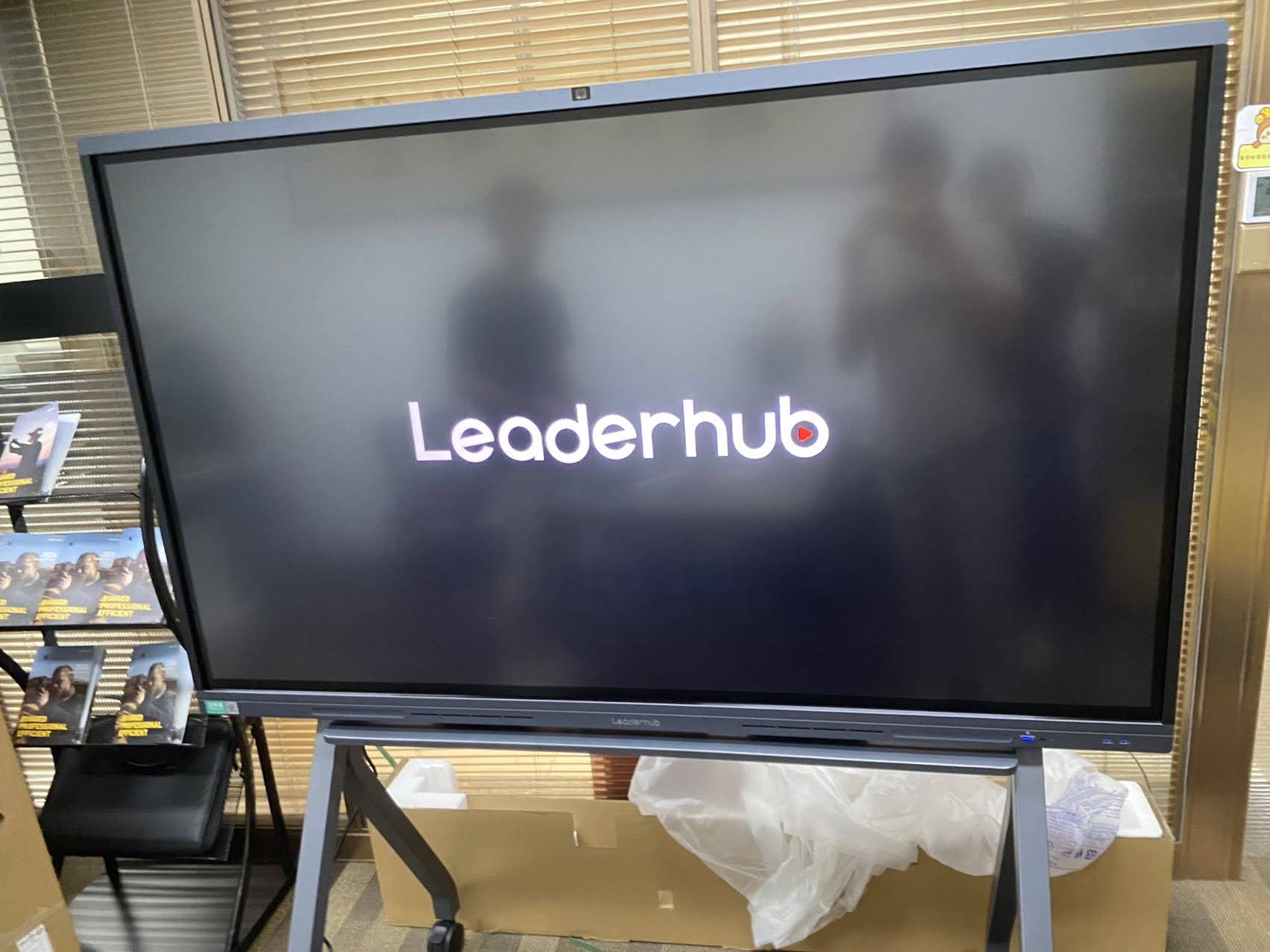
A rural school district in Ohio leveraged E-Rate funding to cover 80% of their smart board deployment costs, reducing their out-of-pocket expense from $120,000 to $24,000 for 30 classrooms. Their experience demonstrates how understanding available funding mechanisms can make comprehensive technology upgrades financially feasible even for resource-limited districts.
Calculating Total Cost of Ownership
Smart board investments extend beyond initial purchase prices. Comprehensive budget planning should account for:
| Cost Category | Typical Range | Frequency |
|---|---|---|
| Initial Hardware | $2,000 – $8,000 | One-time |
| Installation & Setup | $300 – $800 | One-time |
| Extended Warranty | $400 – $1,200 | One-time (5-year coverage) |
| Software Licenses | $100 – $500 | Annual |
| Teacher Training | $200 – $600 | Initial + periodic refreshers |
| Maintenance & Support | $150 – $400 | Annual |
| Accessories & Replacements | $100 – $300 | As needed |
Over a typical five-year deployment cycle, total ownership costs average $4,000 to $12,000 per classroom depending on initial equipment choices and ongoing support needs. Schools that invest in quality equipment with comprehensive warranties and proactive maintenance often experience lower long-term costs than those choosing the cheapest initial options.
Maximizing Return on Investment
The financial investment in smart boards delivers measurable returns when implemented strategically. Research from the U.S. Department of Education indicates that classrooms with interactive display technology show 16-20% improvements in student engagement metrics and 12-18% gains in content retention compared to traditional instruction methods.
To maximize ROI, schools should prioritize comprehensive teacher training¡ªresearch shows that educators who receive at least 8 hours of hands-on training utilize smart boards 3-4 times more frequently than those with minimal preparation. This increased utilization directly correlates with improved student outcomes, justifying the technology investment.
Additionally, smart boards enable cost savings in other areas. Digital lesson delivery reduces photocopying costs by an estimated $300-$500 per classroom annually. Interactive whiteboard collaboration capabilities support hybrid and remote learning models without additional equipment purchases. The ability to record and share lessons reduces repetition and supports absent students, improving overall instructional efficiency.
Negotiating Better Pricing for Your School
School administrators can secure better pricing through strategic purchasing approaches:
- Volume Commitments: Multi-year purchase agreements that outline future buying intentions often unlock 10-15% additional discounts
- Consortium Purchasing: Joining regional educational purchasing cooperatives leverages collective buying power for superior pricing
- End-of-Quarter Timing: Manufacturers often offer aggressive discounts during final weeks of fiscal quarters to meet sales targets
- Complete Package Negotiations: Bundling equipment, installation, training, and warranties in single contracts typically yields better overall value than separate purchases
- Competitive Bidding: Formal RFP processes that evaluate multiple vendors ensure competitive pricing while meeting procurement requirements
Emerging Technologies and Future-Proofing Considerations
As schools invest thousands per classroom in smart board technology, future-proofing becomes essential. Current trends suggest several features worth prioritizing even if they add modest upfront costs:
AI-Powered Capabilities
Artificial intelligence integration represents the next evolution in interactive displays. AI-enhanced smart boards offer real-time handwriting recognition, automatic lesson transcription, intelligent content suggestions, and adaptive learning features that personalize instruction. While AI-capable models currently cost $500-$1,000 more than standard versions, they position schools to leverage educational AI applications as they mature.
Cloud Integration and Remote Capabilities
The COVID-19 pandemic demonstrated the importance of remote learning capabilities. Smart boards with robust cloud integration support seamless hybrid instruction, enabling remote students to participate in real-time lessons without complex technical setup. These features have become standard in mid-range and premium models, representing essential rather than optional capabilities.
Modular Computing Systems
Rather than built-in computing that becomes obsolete, some manufacturers now offer modular computing units that can be upgraded independently of the display panel. This approach extends equipment lifespan and protects technology investments as software requirements evolve.
Making the Final Decision
Selecting appropriate smart board solutions requires balancing immediate budget constraints with long-term educational goals. Start by clearly defining must-have features versus nice-to-have capabilities. A well-specified 65-inch or 75-inch display with reliable touch technology, adequate computing power, and comprehensive warranty often delivers better value than a larger screen with minimal features.
Request demonstration units or arrange site visits to schools using equipment you’re considering. Hands-on evaluation by teachers who will actually use the technology provides invaluable insights that spec sheets cannot convey. Pay particular attention to interface intuitiveness, writing responsiveness, and software ecosystem quality¡ªfeatures that directly impact daily usability.
Consider partnering with vendors that understand educational environments and offer strong post-purchase support. The relationship doesn’t end at installation; reliable technical assistance, readily available training resources, and responsive service determine whether your smart boards become essential teaching tools or expensive wall decorations.
Smart board costs range considerably, but strategic planning enables schools to implement effective interactive display solutions within budget constraints. By understanding true total ownership costs, leveraging available funding sources, and prioritizing features that genuinely enhance teaching and learning, schools can make technology investments that deliver lasting educational value for both teachers and students.