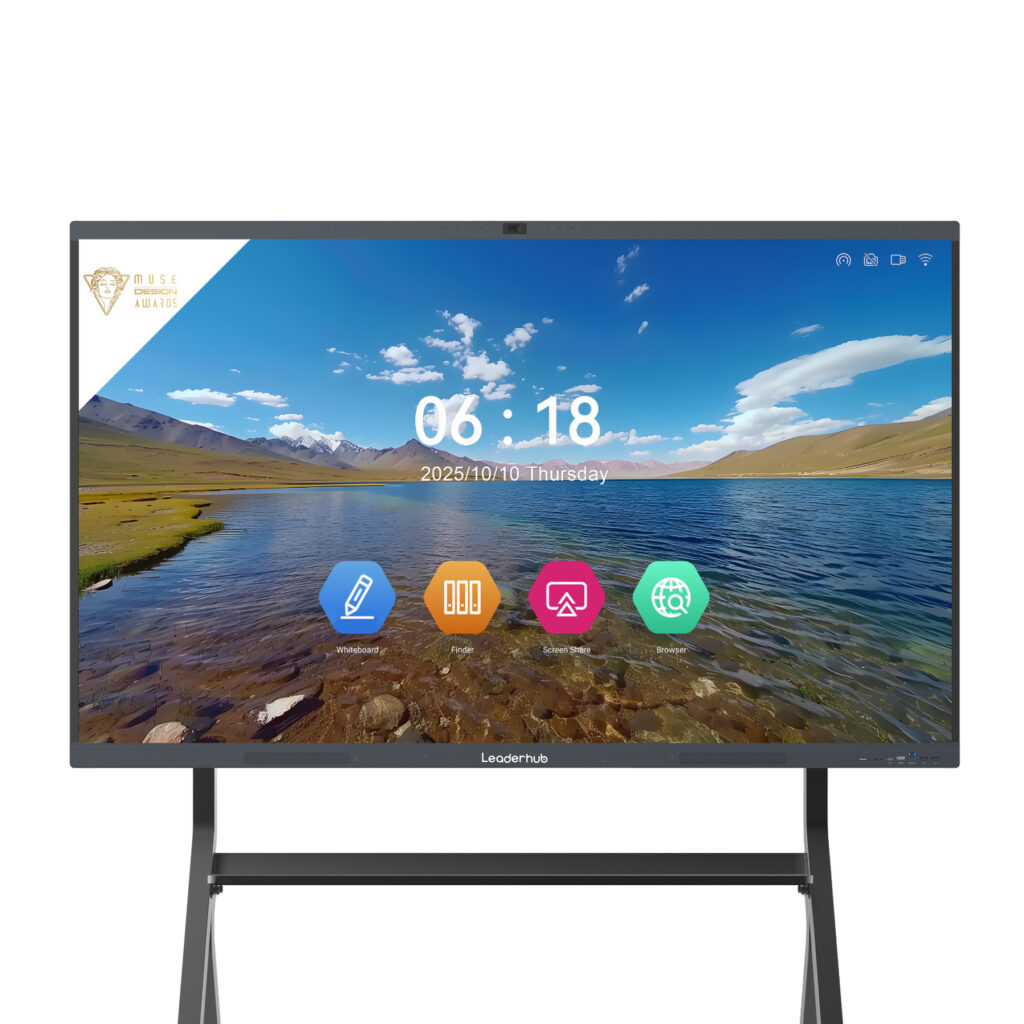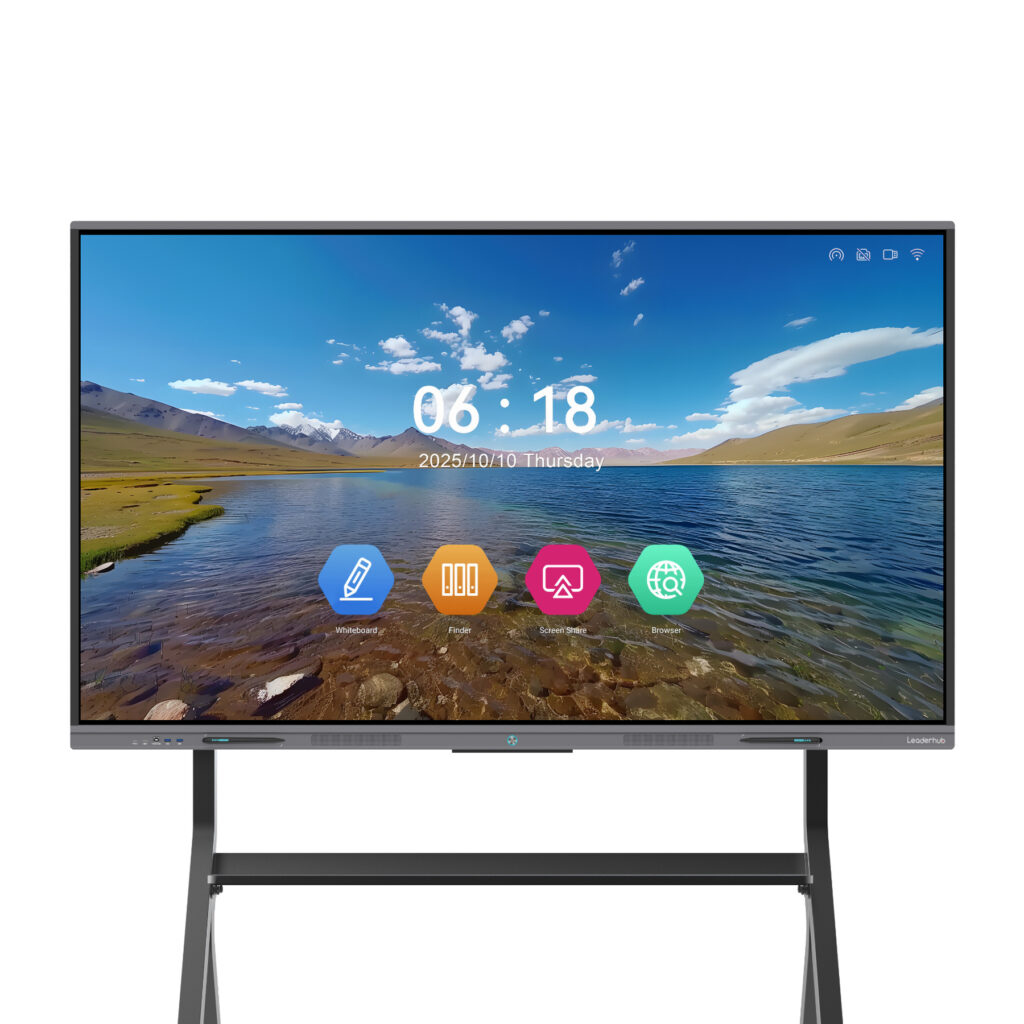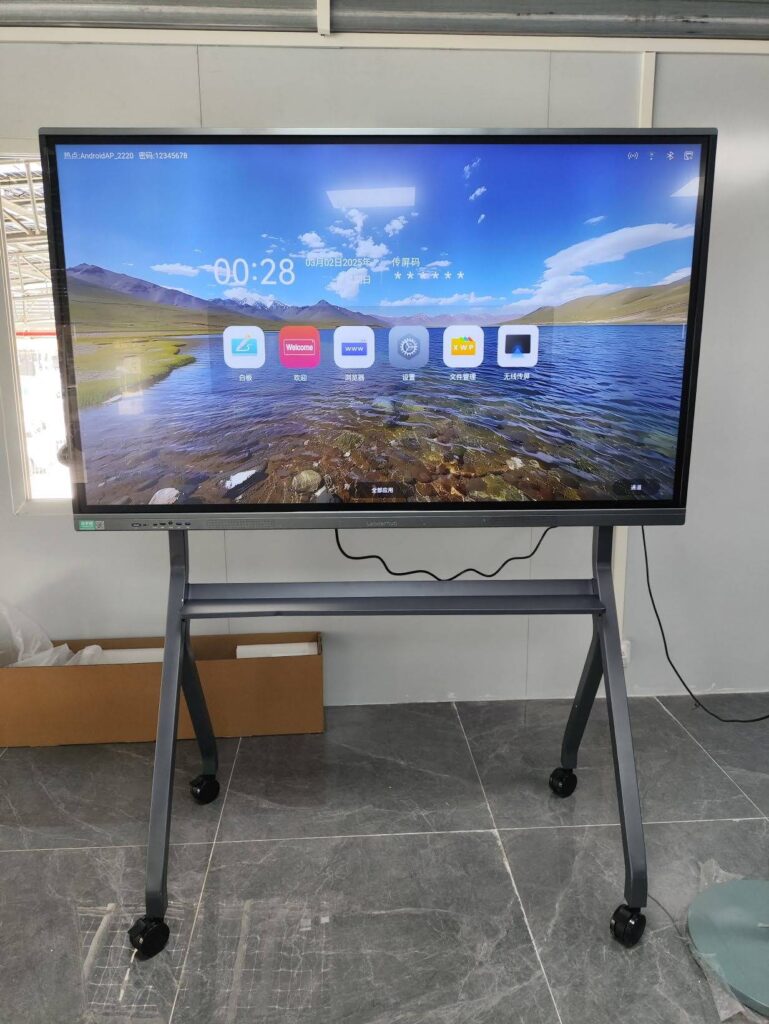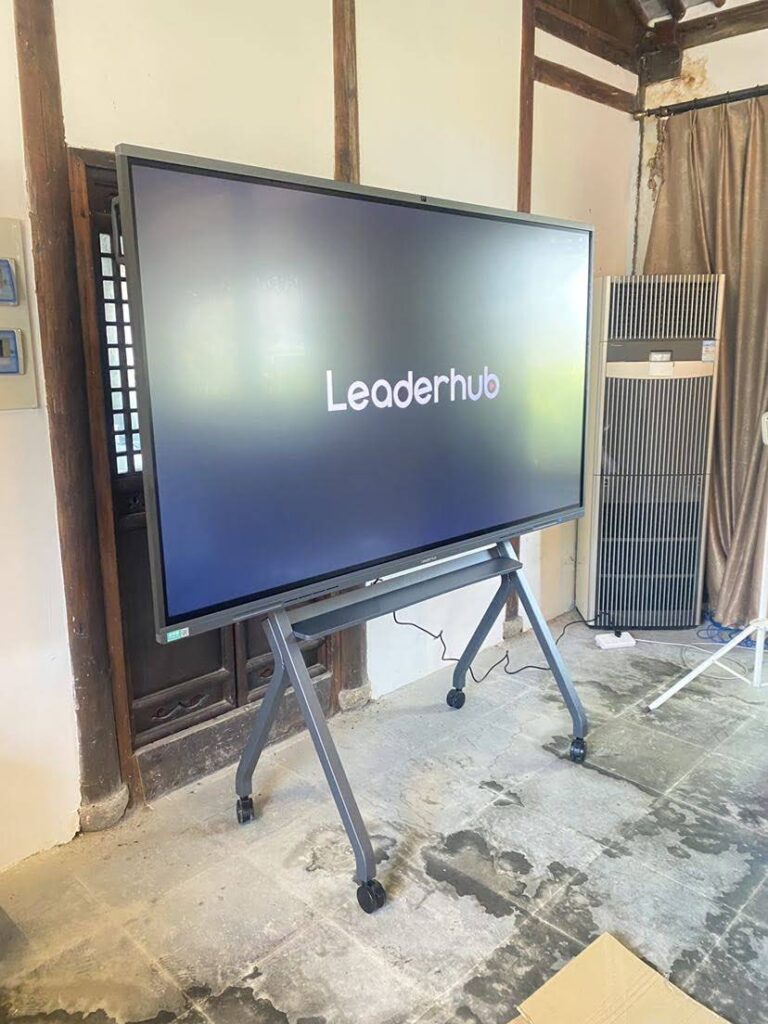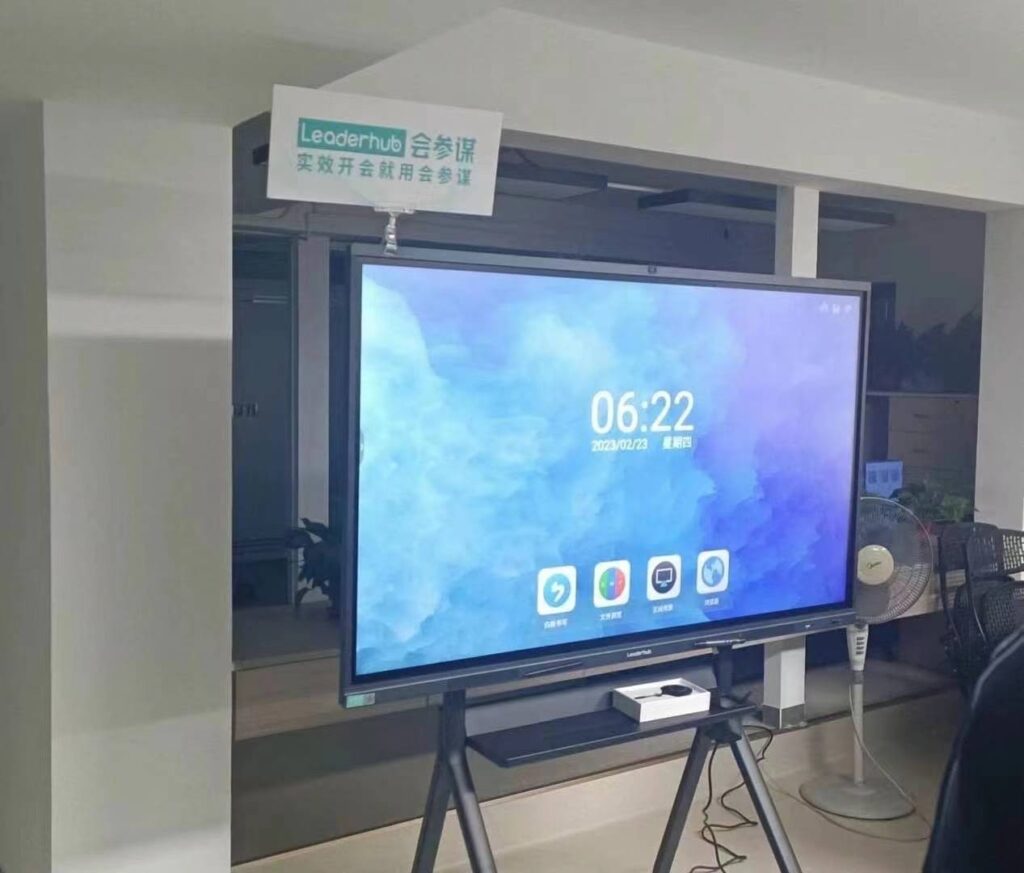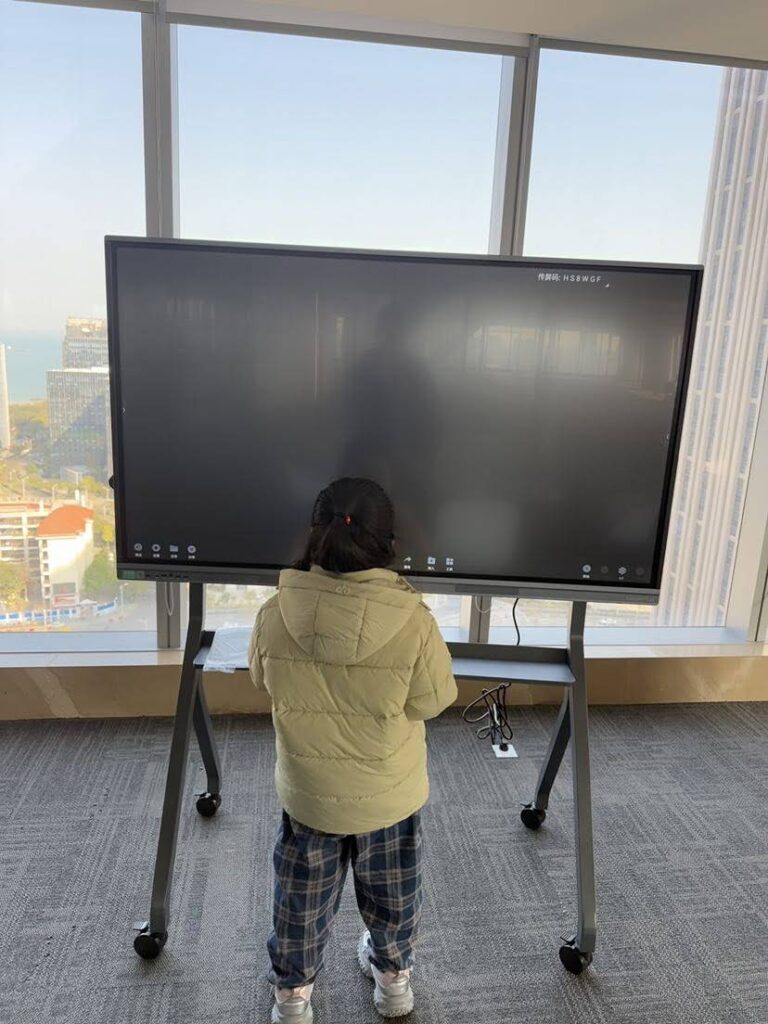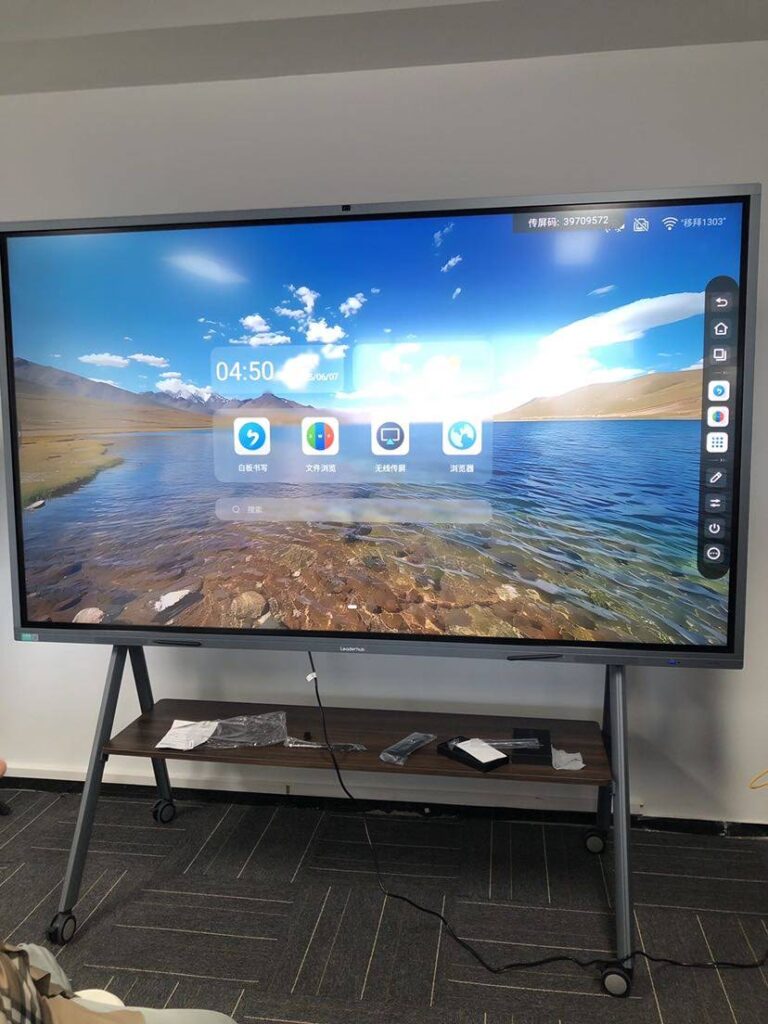
Smart boards have transformed modern classrooms and meeting rooms from static spaces into dynamic, interactive environments. Whether you’re an educator planning a classroom upgrade, a business professional equipping a conference room, or an administrator evaluating technology investments, understanding smart board pricing is essential for making informed purchasing decisions.
The cost of a smart board varies significantly based on size, features, technology, and brand. Entry-level models start around $800¨C$1,500, while premium enterprise solutions can exceed $8,000. This comprehensive guide breaks down everything you need to know about smart board costs, helping you find the right balance between budget and functionality.
Understanding Smart Board Pricing: What Influences the Cost?
Smart board prices aren’t arbitrary numbers¡ªthey reflect a combination of hardware specifications, software capabilities, and long-term value. Let’s examine the key factors that determine how much you’ll pay.
Screen Size and Display Technology
Screen size is the most visible cost driver. A 55-inch smart board suitable for small meeting rooms typically costs $1,200¨C$2,500, while a 98-inch model designed for large lecture halls can reach $6,000¨C$10,000. The relationship between size and price isn’t linear¡ªlarger displays require more advanced manufacturing processes and materials, creating steeper price curves beyond 75 inches.
Display technology also matters significantly. Standard LCD panels offer good value, while 4K Ultra HD resolution adds $500¨C$1,500 to the base price. Premium models featuring QLED or mini-LED backlighting technology command even higher premiums for their superior brightness, contrast, and color accuracy.
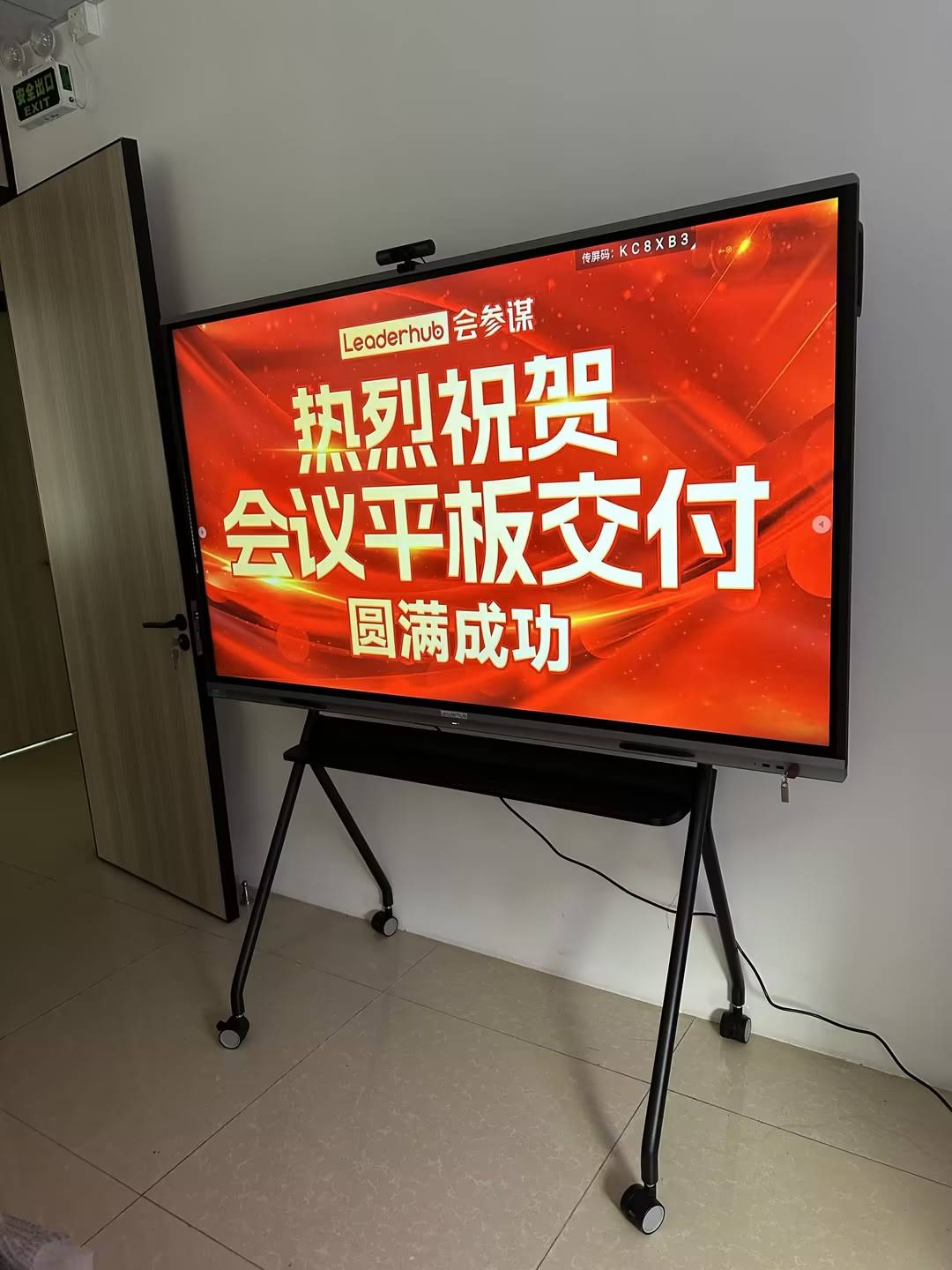
Touch Technology and Responsiveness
The touch detection system represents a critical component affecting both user experience and cost. Budget models using resistive touch technology start around $800 but often feel sluggish and imprecise. Mid-range infrared (IR) touch systems ($1,500¨C$3,500) offer much better responsiveness and support multi-touch gestures.
Premium capacitive touch displays ($3,500+) deliver smartphone-like responsiveness with 20-point or 40-point simultaneous touch detection, enabling multiple users to interact naturally. Advanced models incorporate palm rejection technology, allowing users to rest their hands on the screen while writing¡ªa feature particularly valued in education environments.
Computing Power and Operating System
Modern smart boards function as complete computing systems. Entry-level models with Android-based systems and basic processors cost less but may struggle with demanding applications. Mid-range options featuring Intel Core i3 or i5 processors ($2,000¨C$4,000) handle typical business and education software smoothly.
High-performance models with Core i7 processors, 16GB+ RAM, and dedicated graphics cards ($5,000+) support resource-intensive applications like 3D modeling, video editing, and running multiple virtual machines simultaneously. The computing platform you choose should align with your intended applications¡ªoverspending on processing power you won’t use wastes budget, while underspecifying creates frustration.
Software Ecosystem and Licensing
Software costs often surprise first-time buyers. Some manufacturers bundle comprehensive software suites at no additional cost, while others charge $200¨C$800 annually for interactive whiteboard software, screen recording tools, and collaboration features.
Consider long-term software costs carefully. A smart board with a $500 lower purchase price but $400 annual software fees becomes more expensive after just two years compared to a model with higher upfront costs but lifetime software licenses. Enterprise customers should also evaluate integration costs with existing systems like Microsoft Teams, Zoom, or learning management platforms.
Smart Board Price Ranges: What to Expect in Each Category
Understanding typical price ranges helps set realistic expectations and identify the best value for your needs.
| Price Category | Screen Size Range | Typical Features | Best For |
|---|---|---|---|
| Budget ($800¨C$1,500) | 55″¨C65″ | Full HD, basic touch, Android OS, limited software | Small classrooms, home offices, startups |
| Mid-Range ($1,500¨C$3,500) | 65″¨C75″ | 4K resolution, IR touch, Windows/Android dual OS, standard software suite | Standard classrooms, meeting rooms, training centers |
| Professional ($3,500¨C$6,000) | 75″¨C86″ | 4K UHD, 20-point touch, Core i5/i7, advanced collaboration tools | Corporate boardrooms, university lecture halls, design studios |
| Premium ($6,000+) | 86″¨C98″+ | 4K/8K, 40-point touch, enterprise computing, lifetime software, extended warranty | Executive conference rooms, large auditoriums, command centers |
Budget-Friendly Options ($800¨C$1,500)
Entry-level smart boards provide essential interactive functionality without premium features. These models typically feature 55-inch to 65-inch Full HD displays with basic resistive or infrared touch technology supporting 10-point touch.
Budget models often run Android operating systems with simplified app ecosystems. They handle basic presentation tasks, annotation, and video playback well but may struggle with complex multitasking or high-resolution content. Software suites are usually limited, though third-party applications can expand capabilities.
These boards work well for small classrooms (15¨C20 students), home offices, or businesses testing interactive technology before larger investments. However, expect compromises in touch accuracy, screen brightness, and software sophistication.
Mid-Range Solutions ($1,500¨C$3,500)
This price range represents the sweet spot for most education and business users. Mid-range smart boards offer 65-inch to 75-inch 4K displays with responsive infrared touch systems supporting 20-point simultaneous input.
Many models in this category feature dual operating systems¡ªWindows for business applications and Android for simplified operation¡ªallowing users to switch based on their needs. Processing power typically includes Intel Core i3 or i5 chips with 8GB RAM, sufficient for standard office productivity, video conferencing, and educational software.
Software packages become more comprehensive, often including wireless screen sharing, cloud storage integration, and collaborative whiteboarding tools. Build quality improves noticeably, with better speakers, more durable glass surfaces, and reliable multi-year warranties.
Professional-Grade Equipment ($3,500¨C$6,000)
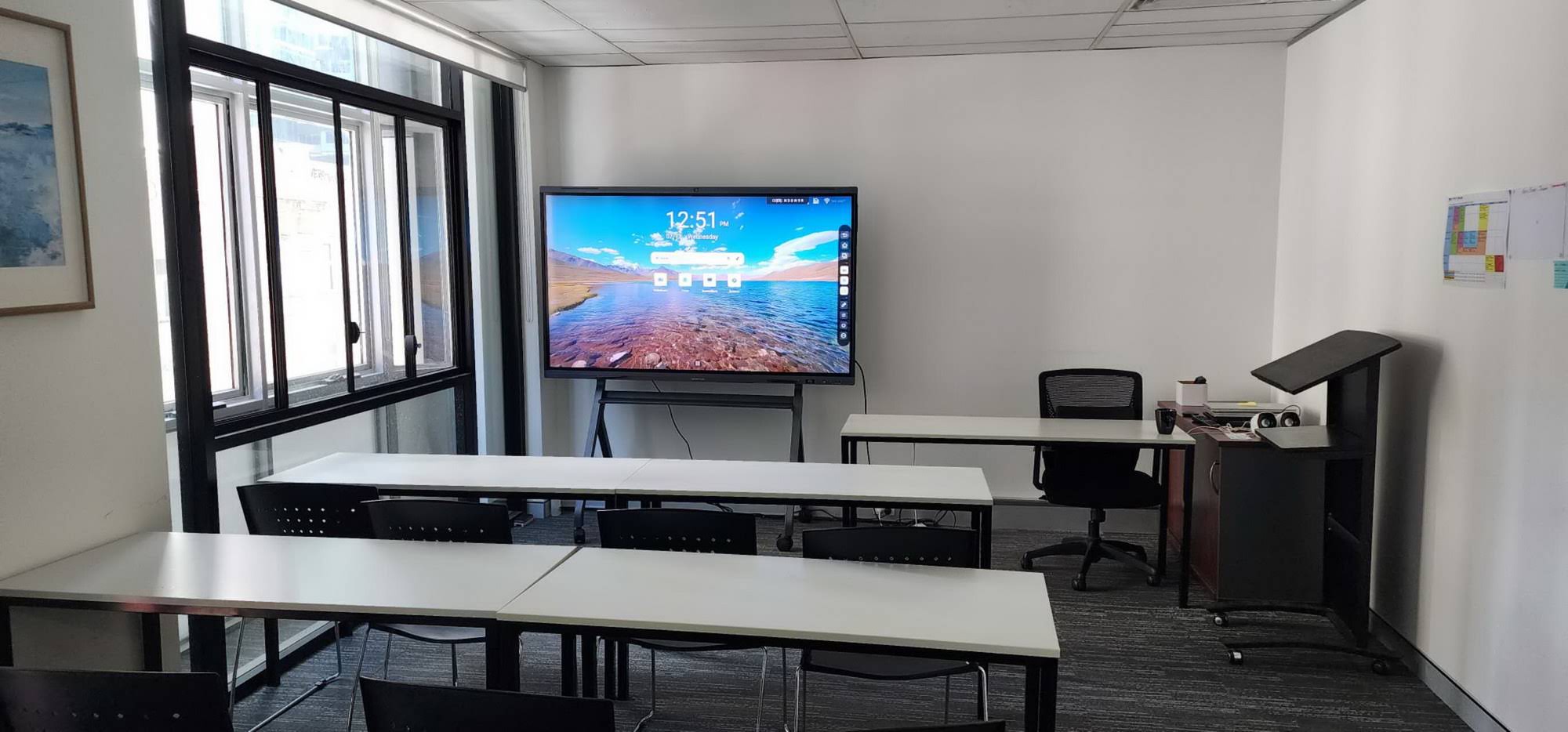
Professional smart boards target corporate environments, higher education institutions, and specialized applications requiring advanced capabilities. These 75-inch to 86-inch displays deliver exceptional image quality with true 4K resolution, wide color gamuts, and high brightness levels (400+ nits) for well-lit rooms.
Computing specifications jump to Intel Core i5 or i7 processors with 16GB RAM and 256GB+ SSD storage, enabling smooth operation of demanding applications including professional video conferencing, CAD software, and real-time collaboration tools.
Advanced features include AI-powered handwriting recognition that converts notes to text in real-time, intelligent screen sharing that automatically adjusts content layout for remote participants, and integrated camera systems with automatic framing that keeps speakers centered during video calls.
Premium Enterprise Solutions ($6,000+)
Premium smart boards represent the pinnacle of interactive display technology. These 86-inch to 98-inch (or larger) systems deliver boardroom-worthy experiences with stunning 4K or even 8K resolution, professional-grade color accuracy, and cutting-edge touch technology.
Enterprise models feature 40-point touch capability, allowing entire teams to collaborate simultaneously without input conflicts. Advanced palm rejection algorithms distinguish between intentional touches and accidental contact with near-perfect accuracy.
Computing power rivals high-end workstations, with options for Intel Core i7 or i9 processors, 32GB+ RAM, dedicated NVIDIA graphics cards, and 1TB storage. These specifications support the most demanding applications including 3D modeling, advanced data visualization, and running multiple operating systems concurrently.
Companies like LeaderHub, with over 16 years of experience developing interactive display technologies, offer premium solutions deployed across more than 82 countries, supporting organizations that require reliable, feature-rich systems with comprehensive technical support and extended warranties.
Hidden Costs Beyond the Sticker Price
The smart board purchase price represents only part of your total investment. Understanding additional costs prevents budget surprises and ensures realistic financial planning.
Installation and Mounting Hardware
Professional installation costs vary by complexity. Wall mounting a 65-inch smart board in a classroom with existing electrical outlets might cost $200¨C$400. However, installing an 86-inch model requiring reinforced wall structures, electrical work, and cable management can reach $800¨C$1,500.
Mounting hardware itself adds $100¨C$500 depending on whether you choose fixed mounts, tilting mounts, or mobile stands with wheels. Mobile stands offer flexibility but cost more and may not suit permanent installations.
Accessories and Peripherals
Essential accessories expand functionality but add costs:
- Active stylus pens: $50¨C$200 each for pressure-sensitive digital writing
- External cameras: $150¨C$800 for high-quality video conferencing
- Wireless presentation systems: $200¨C$600 for cable-free screen sharing
- External speakers or soundbars: $100¨C$500 for better audio in large rooms
- PC modules: $300¨C$1,200 for upgradable computing performance
Software Subscriptions and Updates
While some manufacturers include lifetime software licenses, others employ subscription models charging $200¨C$800 annually per device. Enterprise customers deploying multiple smart boards should calculate cumulative software costs over 5¨C7 years to understand total cost of ownership.
Specialized software for specific industries adds further expenses. Medical visualization software, engineering design tools, or advanced analytics platforms can cost $500¨C$5,000 per license annually.
Maintenance and Support
Standard warranties typically cover 1¨C3 years, but extended warranties ($200¨C$800) provide valuable protection for devices used daily in high-traffic environments. Some manufacturers offer on-site service agreements ($300¨C$1,000 annually) guaranteeing rapid response for critical failures.
Budget for occasional repairs even with warranties. Touch sensor calibration, screen replacements, and computing module upgrades become necessary as technology ages and usage patterns evolve.
Cost Comparison: Smart Boards vs. Traditional Projector Systems
Many organizations debate whether smart boards justify their cost compared to traditional projector-based systems. Here’s an honest comparison based on actual deployment data.
Initial Investment
A quality projector with an interactive whiteboard system costs $1,500¨C$3,000 installed¡ªseemingly less expensive than most smart boards. However, smart boards eliminate the need for separate computers, interactive surfaces, and complex mounting systems, often narrowing the real cost gap to $500¨C$1,500.
Operating Costs Over Time
Projector lamps typically last 2,000¨C5,000 hours, requiring $200¨C$500 replacements every 1¨C3 years depending on usage. Smart boards use LED backlights rated for 50,000+ hours¡ªessentially the device’s entire usable lifetime¡ªwith no bulb replacements needed.
Over a typical 7-year deployment, projector systems incur $600¨C$2,000 in lamp replacement costs alone. Add annual filter cleaning ($100¨C$200 if professionally done) and the maintenance cost advantage of smart boards becomes clear.
Image Quality and Usability
Smart boards deliver consistent brightness and color regardless of ambient light, while projectors require dimmed rooms for optimal visibility. In well-lit classrooms or conference rooms with windows, smart boards provide dramatically better readability, improving engagement and reducing eye strain.
Touch responsiveness represents another significant difference. Even expensive interactive projector systems experience lag and calibration drift that frustrates users. Smart boards offer near-instantaneous response comparable to tablets and smartphones.
How to Choose the Right Smart Board for Your Budget
Selecting a smart board isn’t about finding the cheapest option¡ªit’s about maximizing value within your constraints. Follow this framework to make confident decisions.
Assess Your Space and Viewing Distance
Screen size should match room dimensions and typical viewing distances. A simple rule: measure the distance from the screen to the furthest viewer in feet, then multiply by 1.5 to get the minimum recommended screen size in inches.
For example, if your furthest viewer sits 15 feet away, you need at least a 22.5-inch screen height, which translates to approximately a 65-inch diagonal display. Going larger improves visibility and impact but costs more¡ªbalance room size with budget realities.
Define Your Must-Have Features
Create a tiered feature list:
- Essential: Features you absolutely need (screen size, touch points, connectivity)
- Important: Features that significantly improve experience (4K resolution, dual OS)
- Nice-to-have: Features that add value but aren’t deal-breakers (AI tools, advanced cameras)
This framework prevents both overspending on unnecessary features and choosing inadequate solutions that frustrate users.
Consider Total Cost of Ownership
Calculate 5-year total costs including purchase price, installation, software subscriptions, accessories, and estimated maintenance. Sometimes a $3,000 smart board with lifetime software and better reliability costs less over five years than a $2,000 model with annual fees and higher failure rates.
Evaluate Manufacturer Support and Reputation
Manufacturers with established track records provide more reliable long-term support. Companies serving education and enterprise markets for 15+ years understand the importance of consistent software updates, responsive technical support, and parts availability.
Research warranty terms carefully. Some manufacturers offer comprehensive coverage including accidental damage, while others exclude common issues like touch sensor wear or software problems from standard warranties.
Smart Board Financing and Purchasing Strategies
Large upfront costs challenge many organizations. Several strategies help overcome budget constraints while still acquiring quality technology.
Volume Discounts for Multiple Units
Educational institutions and enterprises purchasing 5+ units typically negotiate 10¨C25% discounts off list prices. Combining orders with other departments or schools in your district can unlock these savings even for smaller organizations.
Some manufacturers offer pilot programs allowing you to test one unit at a discounted price with guaranteed volume pricing if you proceed with larger orders within a specified timeframe.
Lease and Financing Options
Technology leasing spreads costs over 36¨C60 months with monthly payments of $50¨C$250 per device depending on purchase price and terms. Many education technology vendors offer 0% financing programs, making this an attractive option for schools with limited capital budgets.
Leasing also provides upgrade paths¡ªat lease end, you can refresh to newer technology rather than managing obsolete equipment disposal.
Grant Funding and Educational Discounts
Educational institutions often qualify for technology grants from government programs, private foundations, and corporate giving initiatives. These grants frequently cover 25¨C100% of equipment costs for qualifying schools.
Many manufacturers maintain educational pricing programs offering 15¨C30% discounts for verified schools, universities, and non-profit educational organizations. Combining educational discounts with grant funding can dramatically reduce net costs.
Refurbished and Certified Pre-Owned Options
Manufacturer-refurbished smart boards cost 30¨C50% less than new models while including warranties comparable to new equipment. These units undergo thorough inspection, component replacement as needed, and testing to meet original specifications.
This option works well for budget-constrained organizations willing to sacrifice the latest features for proven reliability at significantly lower costs. However, avoid non-certified used equipment lacking manufacturer backing¡ªsavings evaporate quickly if the device fails without warranty coverage.
Real-World Cost Examples and Case Studies
Understanding how different organizations approach smart board budgeting provides practical insights for your planning.
Small Business Conference Room
A 15-person marketing agency equipped their main conference room with a 65-inch mid-range smart board. Total investment breakdown:
- Smart board: $2,200
- Wall mount and installation: $350
- Wireless presentation adapter: $250
- Extended 5-year warranty: $400
- Total first-year cost: $3,200
This investment eliminated their need for a separate projector ($800), replacement bulbs (projected $150/year), and dedicated PC ($600), resulting in net additional cost of approximately $1,650 with significantly improved functionality.
Elementary School Classroom Deployment
A public elementary school received grant funding to equip 12 classrooms with interactive technology. They selected 75-inch smart boards optimized for education:
- 12 smart boards @ $2,800 each: $33,600
- Mobile stands (6 units) and wall mounts (6 units): $4,200
- Installation (12 rooms): $3,600
- Teacher training (2 full days): $2,000
- Total project cost: $43,400
- Per-classroom cost: $3,617
The school secured $30,000 through a state technology grant and allocated $13,400 from their technology refresh budget, making the project financially feasible. Volume purchasing negotiated a 15% discount off list prices.
Corporate Boardroom Upgrade
A Fortune 500 company upgraded their executive boardroom with a premium 86-inch smart board system:
- 86-inch premium smart board: $7,200
- Professional installation with cable management: $1,200
- Integrated 4K camera system: $800
- Professional external audio: $1,500
- 3-year on-site service agreement: $900
- Total investment: $11,600
While expensive, this investment replaced aging video conferencing equipment ($4,500), eliminated annual projector maintenance ($400/year), and significantly improved hybrid meeting experiences. The company calculated break-even at approximately 4 years when accounting for eliminated maintenance and improved executive productivity.
Money-Saving Tips Without Compromising Quality
Smart shopping strategies help stretch budgets further while maintaining quality standards:
- Time purchases strategically: Manufacturers often offer promotional pricing during back-to-school season (July¨CAugust) and year-end (November¨CDecember) to meet sales targets. Discounts of 10¨C20% are common during these periods.
- Prioritize core features over extras: That built-in camera might seem convenient, but external cameras offer better quality and flexibility for $150¨C$300 less than built-in options add to device cost.
- Consider previous-generation models: When manufacturers release new models, previous-generation devices often see 20¨C30% price reductions despite minimal practical differences for most users.
- DIY installation for simpler setups: If you have basic handyman skills and the installation doesn’t require electrical work, mounting the smart board yourself saves $200¨C$400. Many manufacturers provide detailed installation guides and telephone support.
- Bundle purchases across departments: Combine orders from multiple departments to qualify for volume discounts even if individual purchases wouldn’t meet minimum quantity requirements.
Questions to Ask Before Buying
Ask vendors these critical questions to avoid costly mistakes:
- What’s included in the base price? (Software, mounting hardware, styluses, warranties?)
- Are there ongoing software subscription fees or licensing costs?
- What are typical installation costs for my setup?
- What warranty coverage is provided, and what’s excluded?
- Can I see the device operating in a similar environment before purchasing?
- What’s your typical response time for technical support?
- Are extended warranties or service plans available, and what do they cost?
- What’s your return or exchange policy if the device doesn’t meet our needs?
- Do you offer educational, non-profit, or volume discounts?
- How do software updates work, and are they free?
The Bottom Line: Is a Smart Board Worth the Investment?
Smart boards represent significant investments, but they deliver measurable returns when chosen appropriately and used effectively. Organizations report benefits including increased meeting productivity, improved student engagement, reduced technology maintenance costs, and enhanced collaboration capabilities.
The key to smart board value lies in matching device capabilities to actual needs. A $2,500 mid-range smart board that sees daily use and enables more effective communication delivers better ROI than an $8,000 premium model sitting idle due to complexity or features nobody needs.
For most organizations, mid-range smart boards ($1,500¨C$3,500) offer the best balance of functionality, reliability, and cost-effectiveness. Budget models work for light-use scenarios or financial constraints, while premium solutions make sense for mission-critical applications where the best possible experience justifies higher costs.
Before committing to a purchase, request demonstrations, talk to current users in similar settings, and calculate total 5-year ownership costs. With thoughtful evaluation and realistic budgeting, smart boards become powerful tools that transform how teams communicate, collaborate, and learn¡ªdelivering value far beyond their purchase price.