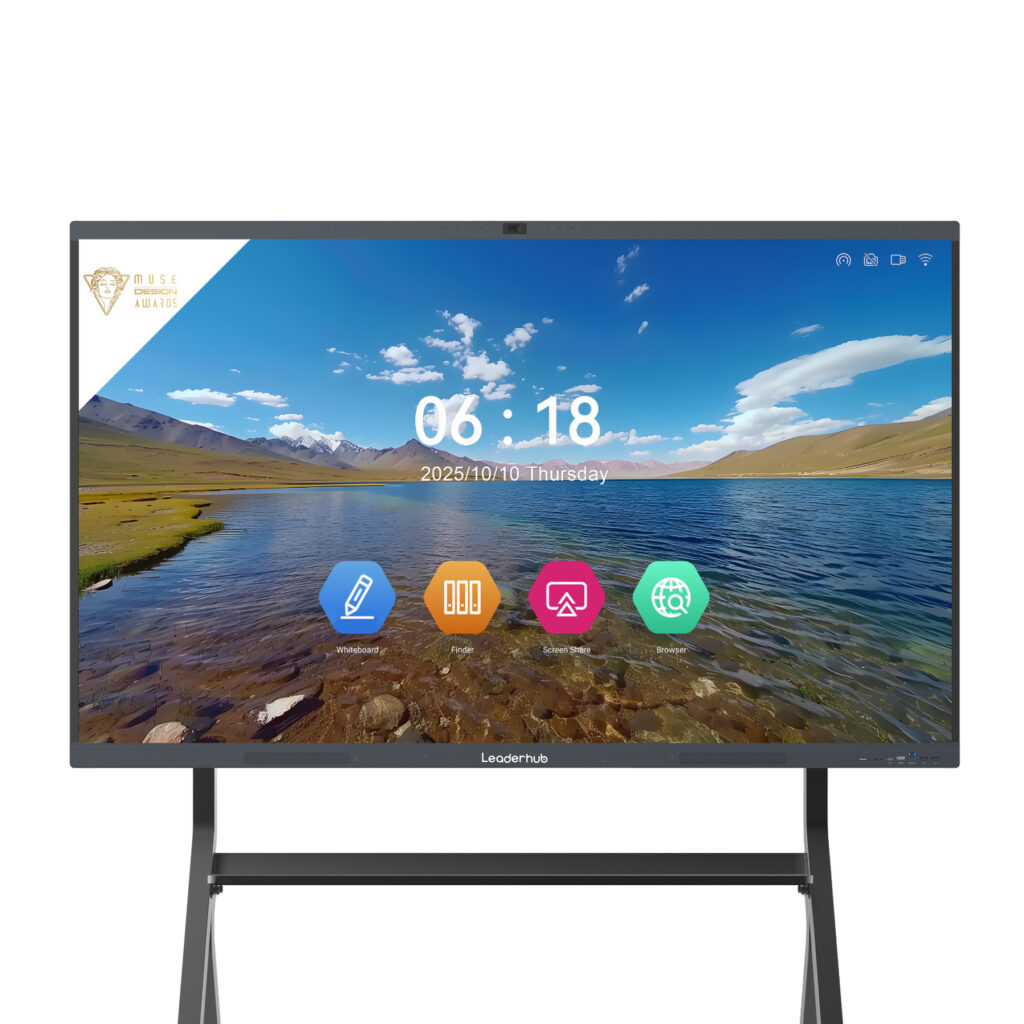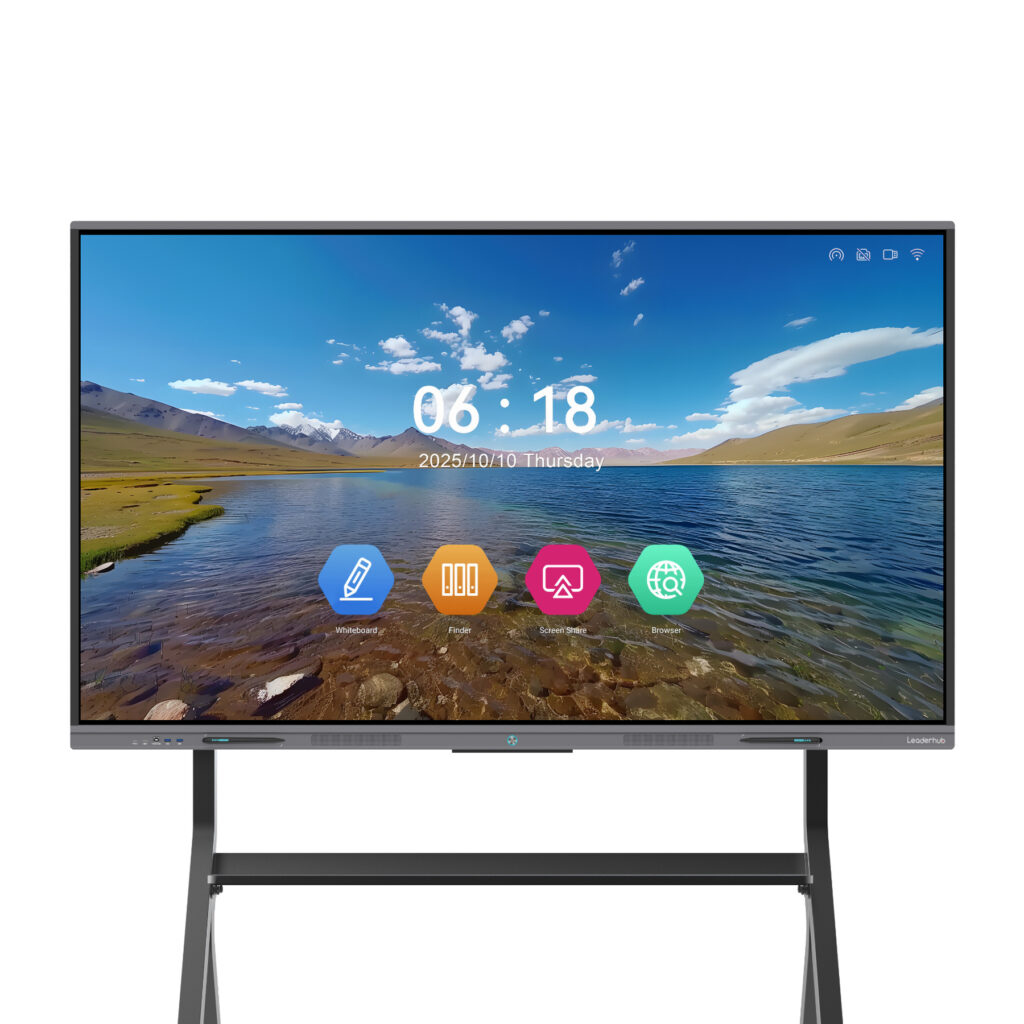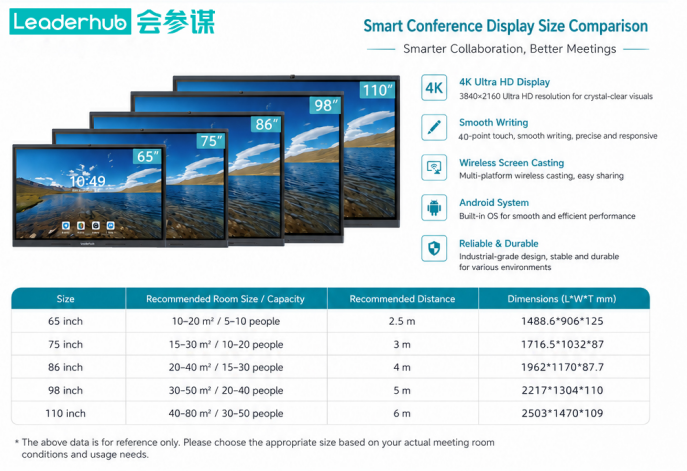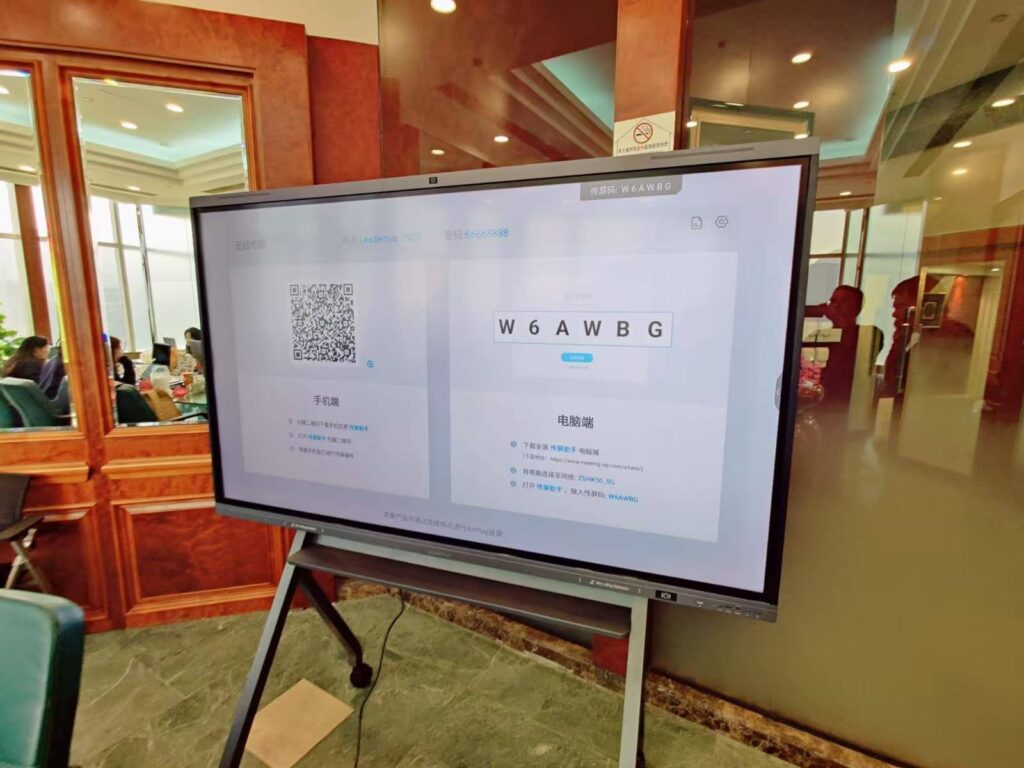
Smart boards have transformed classrooms, meeting rooms, and collaborative workspaces by combining the functionality of traditional whiteboards with digital technology. If you’re considering investing in one, understanding the cost landscape is essential. This comprehensive guide breaks down smart board pricing, key features that influence cost, and practical tips to help you make an informed buying decision.
What Is a Smart Board and Why Does It Matter?
A smart board, also known as an interactive display or digital whiteboard, is a touch-sensitive screen that connects to computers and other devices to enable interactive presentations, annotations, and collaboration. Unlike traditional whiteboards, smart boards allow users to save content, share files instantly, access cloud applications, and engage participants through touch-based interaction.
These devices are widely used in education for interactive lessons, in corporate environments for dynamic presentations, and in training centers for hands-on workshops. With advancements in AI-powered features and connectivity, smart boards have become indispensable tools for modern communication.
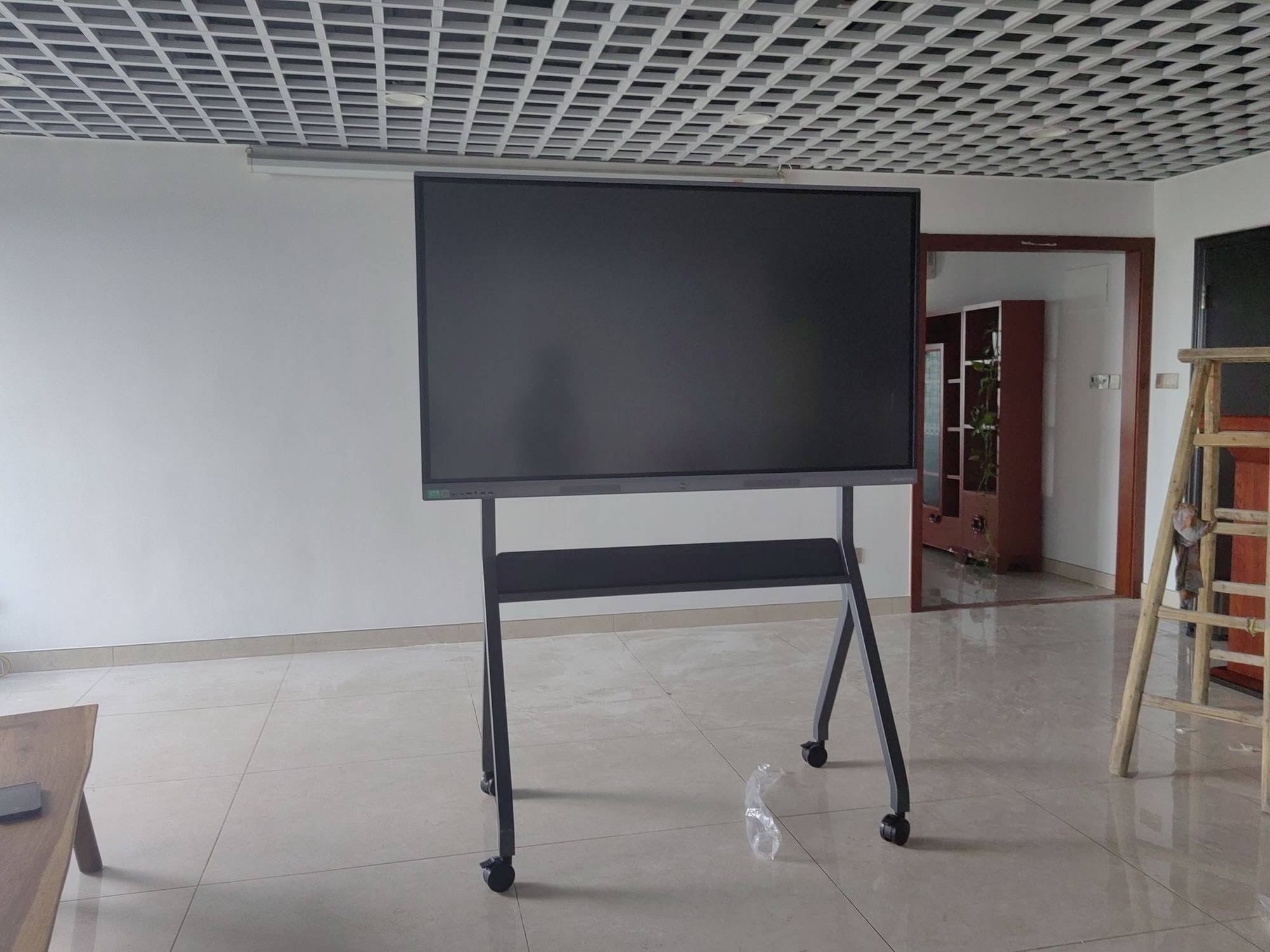
How Much Do Smart Boards Actually Cost?
Smart board prices vary significantly based on size, technology, brand, and features. Here’s a detailed breakdown:
Entry-Level Smart Boards ($800 – $2,000)
Entry-level models typically range from 55 to 65 inches and offer basic interactive functionality. These are suitable for small classrooms, home offices, or startups with limited budgets. Features usually include:
- Touch recognition (often 10-point or fewer)
- Basic annotation tools
- HDMI and USB connectivity
- Simple screen mirroring capabilities
While affordable, these models may lack advanced features like AI integration, cloud collaboration tools, or premium display quality.
Mid-Range Smart Boards ($2,000 – $5,000)
Mid-range smart boards offer better display quality, larger screen sizes (65 to 75 inches), and enhanced interactive features. Common in corporate meeting rooms and well-funded schools, these models include:
- 20-point or higher multi-touch capability
- 4K Ultra HD resolution for crisp visuals
- Built-in operating systems (Android or Windows)
- Wireless screen sharing and collaboration software
- Integrated speakers and microphones
This price range represents the sweet spot for organizations seeking professional-grade performance without premium pricing.
Premium Smart Boards ($5,000 – $15,000+)
Premium models feature the latest technology, large screen sizes (75 to 98 inches or more), and enterprise-grade capabilities. These are designed for large conference rooms, university lecture halls, and organizations prioritizing cutting-edge collaboration tools. Key features include:
- Advanced AI-powered writing recognition and shape detection
- Seamless integration with enterprise systems (Microsoft Teams, Zoom, Google Workspace)
- High refresh rates for smooth video playback
- Premium build quality with anti-glare and tempered glass
- Extended warranty and dedicated technical support
For institutions with specific requirements, custom solutions and commercial-grade interactive panels can exceed $15,000.
| Price Range | Screen Size | Typical Use Case | Key Features |
|---|---|---|---|
| $800 – $2,000 | 55″ – 65″ | Small classrooms, startups | Basic touch, HDMI/USB connectivity |
| $2,000 – $5,000 | 65″ – 75″ | Corporate meetings, schools | 4K display, wireless sharing, built-in OS |
| $5,000 – $15,000+ | 75″ – 98″+ | Large venues, enterprises | AI features, premium build, enterprise integration |
Key Features That Influence Smart Board Pricing
Display Size and Resolution
Screen size is one of the most significant cost drivers. A 55-inch display is considerably cheaper than an 86-inch model. Similarly, resolution matters¡ª4K Ultra HD displays cost more than Full HD (1080p) screens but deliver sharper images, making them ideal for detailed presentations and video conferencing.
Touch Technology
The type and sensitivity of touch technology affect both performance and price. Capacitive touch screens, similar to smartphones, provide smooth and precise interaction but cost more than infrared-based touch systems. The number of simultaneous touch points (10-point vs. 20-point touch) also impacts pricing.
Built-In Operating System and Software
Smart boards with integrated operating systems (Android, Windows) eliminate the need for external computers, increasing convenience but also cost. Pre-installed collaboration software, annotation tools, and cloud integration further drive up the price.
Connectivity Options
Modern smart boards offer multiple connectivity options, including HDMI, USB-C, wireless screen sharing, Bluetooth, and network connectivity. Models with comprehensive connectivity and compatibility with various devices and platforms typically cost more.
Build Quality and Durability
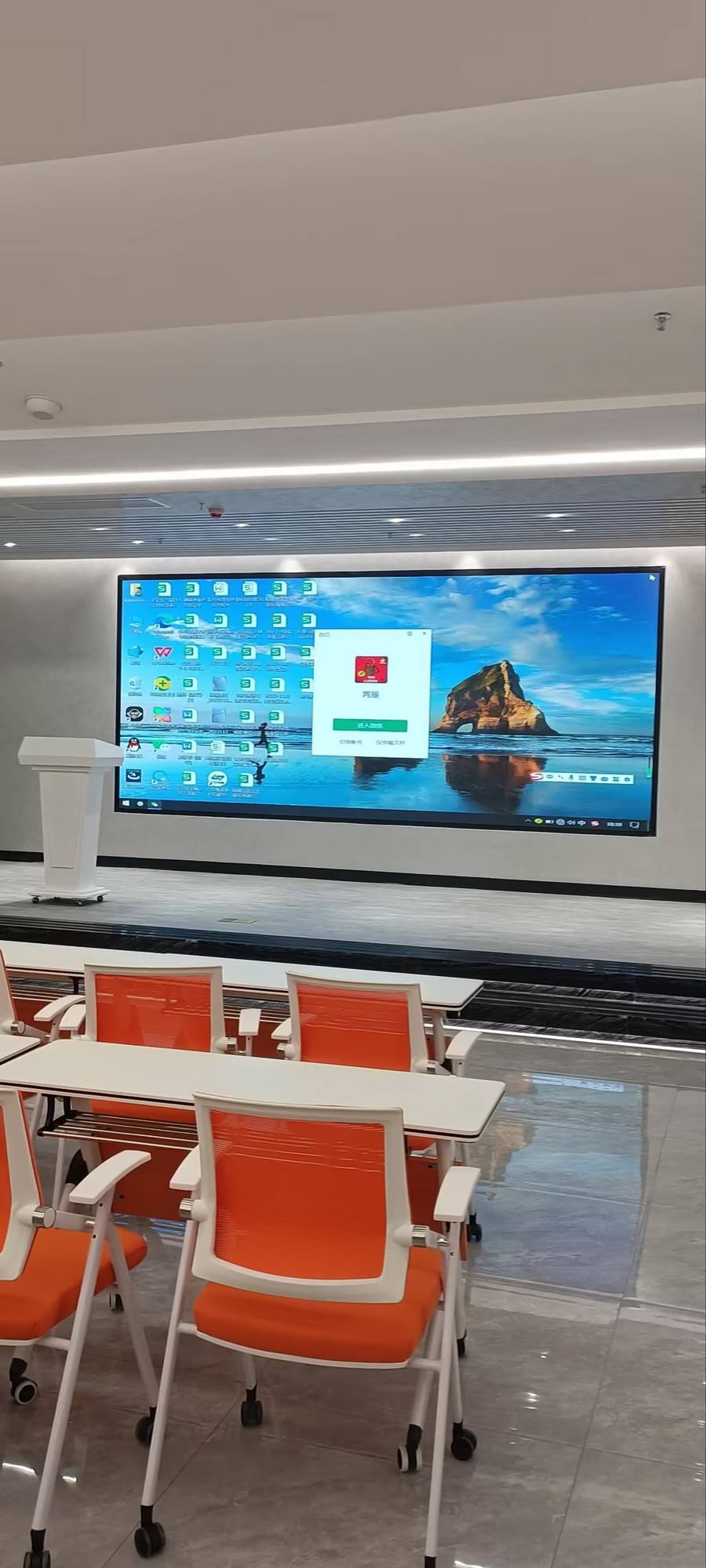
Commercial-grade smart boards designed for heavy use feature tempered glass, anti-glare coatings, and robust frames. These materials increase durability and lifespan but add to the overall cost. Budget models may use standard glass and lighter frames, which are more susceptible to damage.
AI and Advanced Features
AI-powered features such as handwriting recognition, automatic shape correction, voice control, and intelligent content suggestions are becoming standard in premium models. These technologies enhance user experience but come at a higher price point.
Hidden Costs You Should Consider
Installation and Setup
Professional installation, including wall mounting, cable management, and system configuration, can add $200 to $1,000 depending on complexity and location. Some vendors include installation in the purchase price, while others charge separately.
Accessories and Peripherals
Additional accessories such as mobile stands, protective covers, stylus pens, external speakers, and document cameras can increase total costs by several hundred dollars. Consider what’s included in the base package and what you’ll need to purchase separately.
Software Licenses and Subscriptions
While basic software is often included, advanced collaboration platforms, cloud storage, and premium content libraries may require annual subscriptions ranging from $100 to $500 or more per year.
Maintenance and Warranty
Extended warranties, technical support contracts, and regular maintenance services add ongoing costs. However, they can prevent expensive repairs and downtime. Budget-conscious buyers should factor in these potential expenses when calculating total cost of ownership.
Training and Onboarding
Staff training ensures users maximize the smart board’s capabilities. Professional training sessions may cost $500 to $2,000 depending on group size and depth of training required.
Real-World Cost Examples and Case Studies
Elementary School Classroom
A public elementary school in California equipped 20 classrooms with 65-inch smart boards at approximately $2,500 per unit, totaling $50,000. Including installation, training, and accessories, the project cost reached $65,000. The school reported increased student engagement and improved lesson interactivity within the first semester.
Corporate Conference Room
A mid-sized technology company in Texas invested $4,800 in a 75-inch smart board for their main conference room. With wireless presentation capabilities and integration with Microsoft Teams, the board streamlined meetings and reduced setup time by 40%. Including a mobile stand and annual software subscription, the total first-year cost was approximately $5,500.
University Lecture Hall
A university in New York installed an 86-inch premium smart board in a 200-seat lecture hall for $9,500. The board’s high resolution, advanced annotation tools, and recording capabilities significantly enhanced remote learning capabilities during hybrid instruction periods.
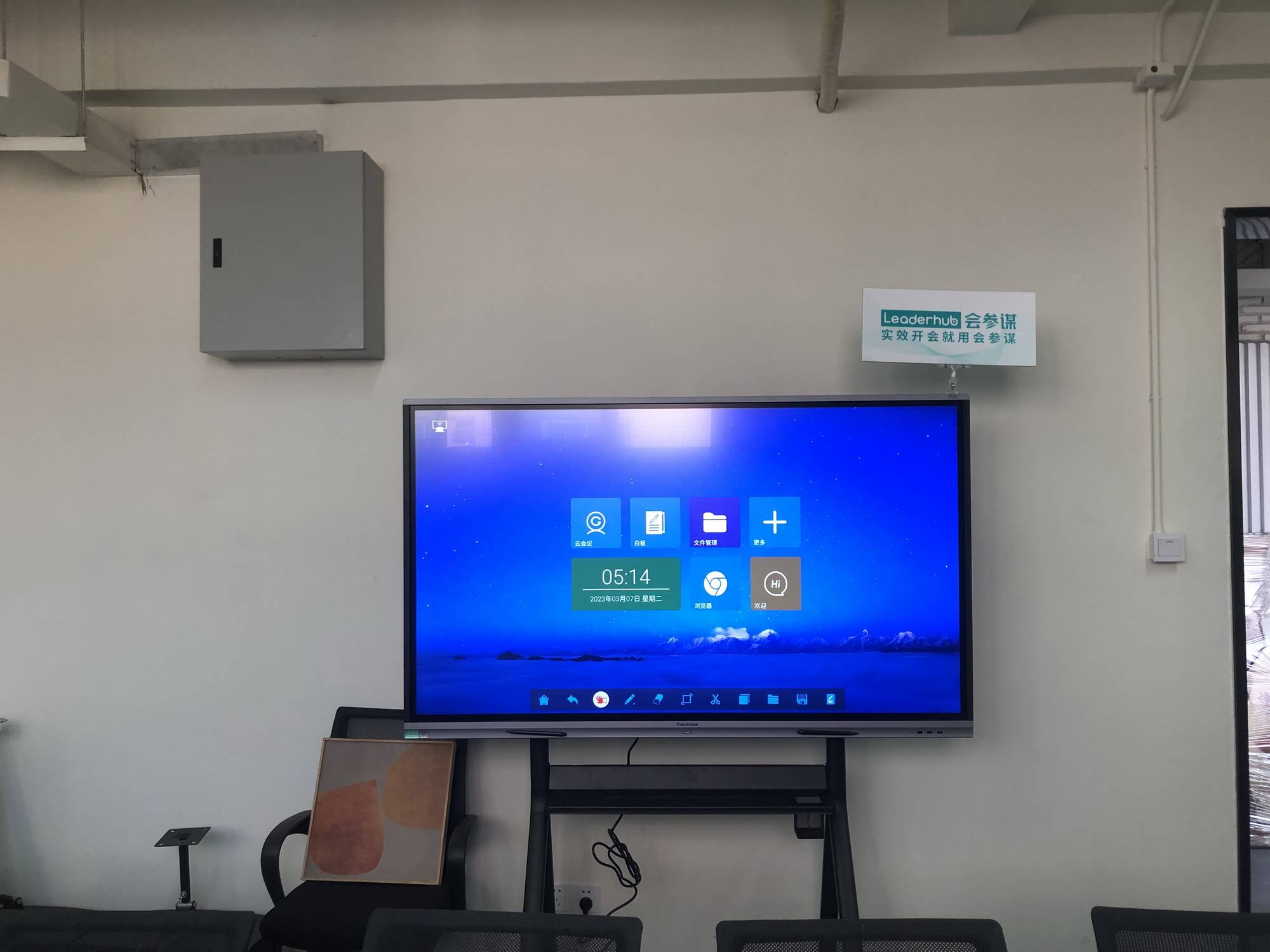
How to Choose the Right Smart Board for Your Budget
Assess Your Needs
Start by defining your specific requirements. Consider room size, number of users, primary use cases (education, business meetings, training), and required features. A small meeting room doesn’t need a 98-inch display, and a budget-conscious school might prioritize durability over premium features.
Compare Brands and Models
Research multiple manufacturers and compare specifications, reviews, and pricing. Established brands often charge premium prices for brand recognition, while emerging manufacturers may offer competitive features at lower costs. LeaderHub, with over 16 years of experience in interactive display technology, provides reliable solutions across multiple price points, serving customers in more than 82 countries.
Prioritize Essential Features
Identify must-have features versus nice-to-have additions. If wireless connectivity is critical for your workflow, prioritize that over decorative design elements. Focus spending on features that directly improve productivity and user experience.
Consider Long-Term Value
A slightly more expensive smart board with better build quality and longer warranty may offer better long-term value than a cheaper model requiring frequent repairs or replacement. Calculate total cost of ownership over 5-7 years, not just upfront cost.
Request Demonstrations and Trials
Many vendors offer product demonstrations or trial periods. Test different models in your actual environment with real users before committing. This hands-on experience reveals usability issues and compatibility concerns that specifications alone cannot convey.
Negotiate and Look for Discounts
Educational institutions and businesses purchasing multiple units often qualify for volume discounts. Additionally, end-of-year sales, promotional periods, and refurbished models can offer significant savings without compromising quality.
Popular Smart Board Brands and Their Price Positioning
Established Market Leaders
Well-known brands like SMART Technologies, Promethean, and ViewSonic typically price their products in the mid to premium range ($3,000-$12,000). These companies offer extensive support networks, proven track records, and comprehensive software ecosystems.
Value-Focused Manufacturers
Manufacturers focusing on cost-effective solutions without sacrificing quality, such as BenQ, Newline Interactive, and LeaderHub, offer competitive pricing in the $1,500-$6,000 range. These brands often provide excellent value for budget-conscious buyers seeking reliable performance.
Emerging Technology Players
Newer entrants and technology startups sometimes offer innovative features at disruptive price points. While potentially offering great value, buyers should carefully research company stability, support infrastructure, and product reviews.
Smart Buying Tips to Maximize Your Investment
Bundle Deals and Package Offers
Many vendors offer package deals that include the smart board, mounting hardware, warranties, and software licenses at a discounted total price. These bundles often provide better value than purchasing components separately.
Refurbished and Previous-Generation Models
Certified refurbished smart boards or previous-generation models can deliver substantial savings (30-50% off) while still offering excellent performance. Ensure refurbished units come with warranties and have been professionally tested.
Lease vs. Purchase
Leasing options spread costs over time and may include maintenance and upgrade paths. This approach works well for organizations with limited capital budgets or those wanting to regularly update technology. Compare total leasing costs against purchase prices plus estimated maintenance expenses.
Government and Educational Discounts
Schools, universities, and government agencies often qualify for special pricing programs. Additionally, grants and funding programs specifically support educational technology purchases. Research available funding sources before finalizing purchase decisions.
Read Reviews and Seek Recommendations
User reviews, case studies, and recommendations from similar organizations provide valuable insights into real-world performance, reliability, and support quality. Professional review sites and educational technology forums are excellent resources.
Future Trends Affecting Smart Board Pricing
AI Integration
As artificial intelligence becomes standard in smart collaboration tools, expect pricing structures to evolve. AI-powered features like automatic transcription, real-time translation, and intelligent content organization add value but may also increase costs or require subscription services.
Cloud-Based Collaboration
Cloud connectivity enables seamless remote collaboration, content sharing, and device management. While hardware prices may stabilize, ongoing cloud service subscriptions could become significant cost factors.
Increased Competition
Growing market competition, particularly from Asian manufacturers, is driving prices down while quality and features improve. This trend benefits buyers seeking affordable yet capable solutions.
Sustainability and Energy Efficiency
Environmental concerns are pushing manufacturers toward energy-efficient designs and sustainable materials. While eco-friendly models might carry slight premiums initially, lower operating costs and longer lifespans can offset higher upfront investments.
Making the Final Decision
Choosing a smart board requires balancing budget constraints with functional requirements. Start by clearly defining your needs, researching available options, and comparing total cost of ownership rather than just purchase price. Don’t overlook factors like warranty coverage, technical support quality, and upgrade paths.
For organizations seeking reliable, feature-rich smart boards backed by extensive industry experience, interactive display solutions from established manufacturers offer peace of mind. Whether you’re outfitting a single room or deploying across multiple locations, careful planning and informed decision-making ensure your investment delivers lasting value.
Smart boards represent significant investments, but when chosen wisely, they transform collaboration, enhance learning experiences, and improve communication efficiency. By understanding the cost landscape, key features, and hidden expenses, you can confidently select a solution that meets your needs without exceeding your budget.
Remember that the cheapest option isn’t always the most economical in the long run, and the most expensive model may include features you’ll never use. Focus on finding the right balance of quality, functionality, and price for your specific situation. With the right approach, your smart board investment will deliver value for years to come.