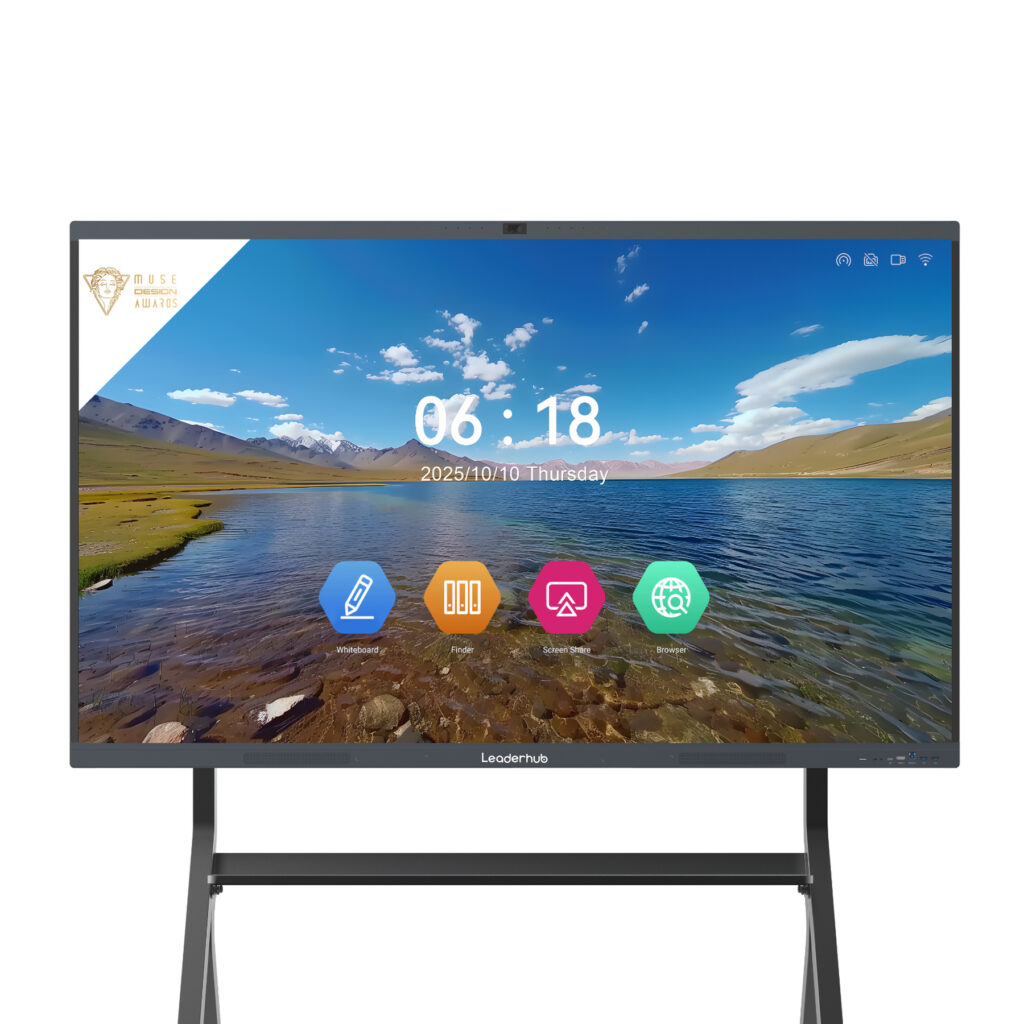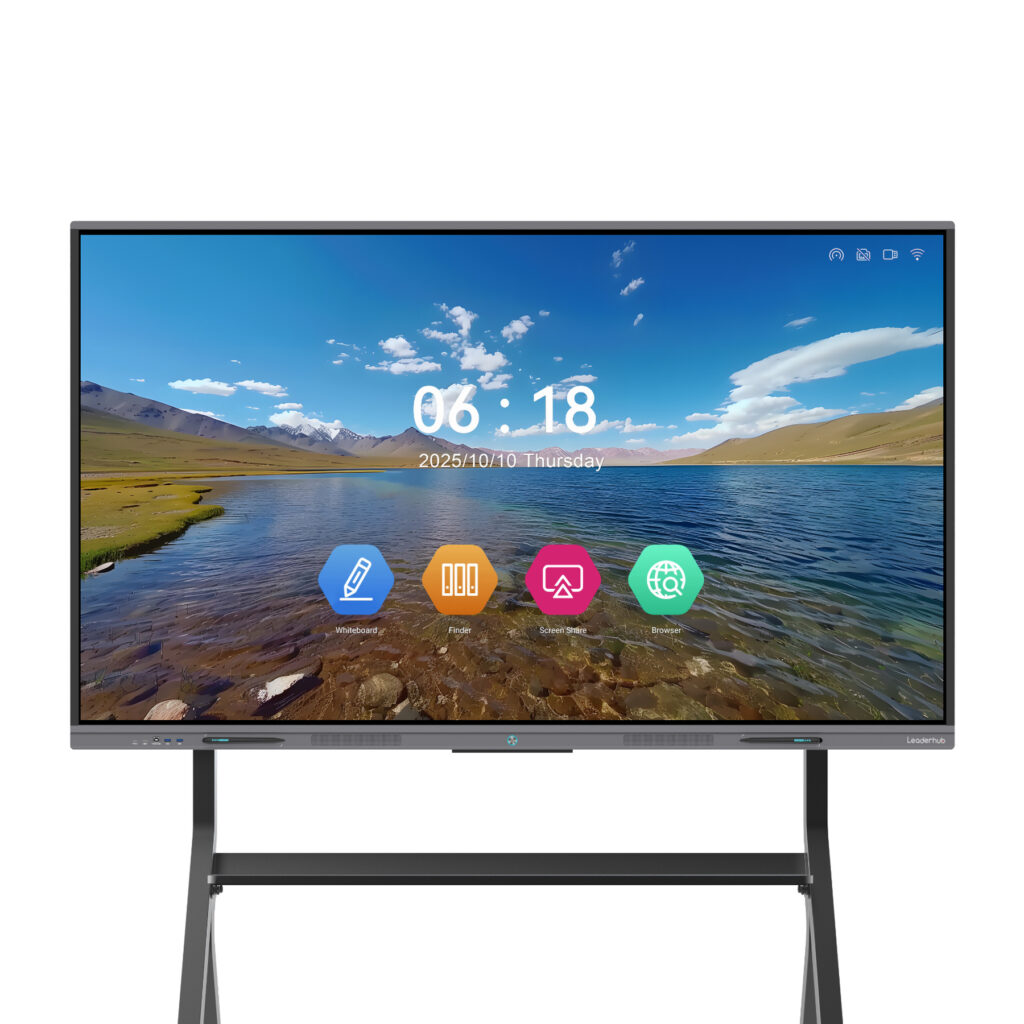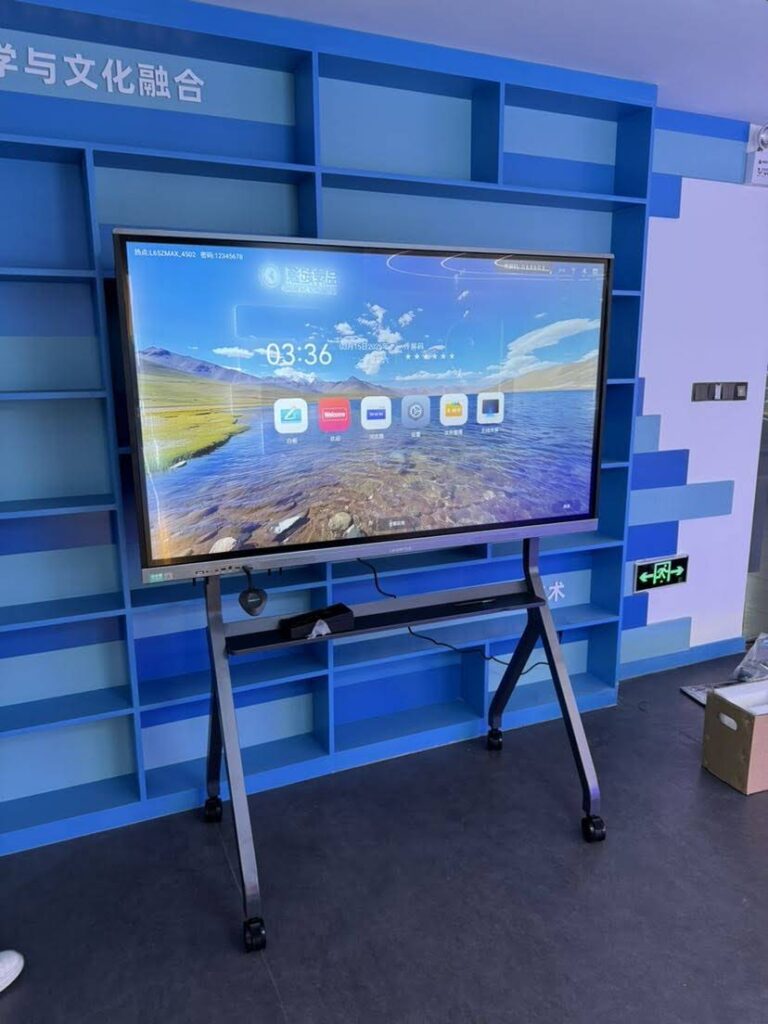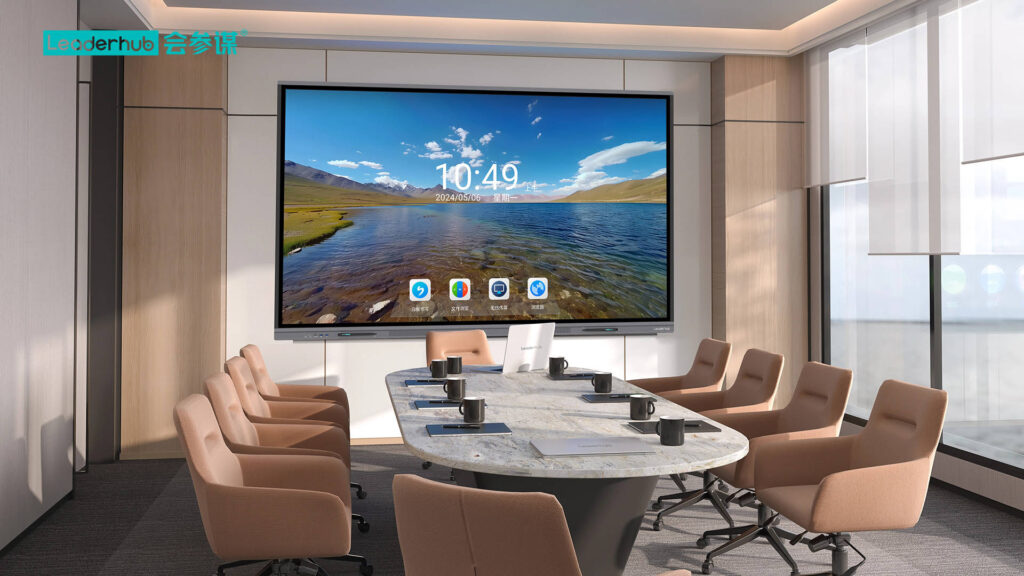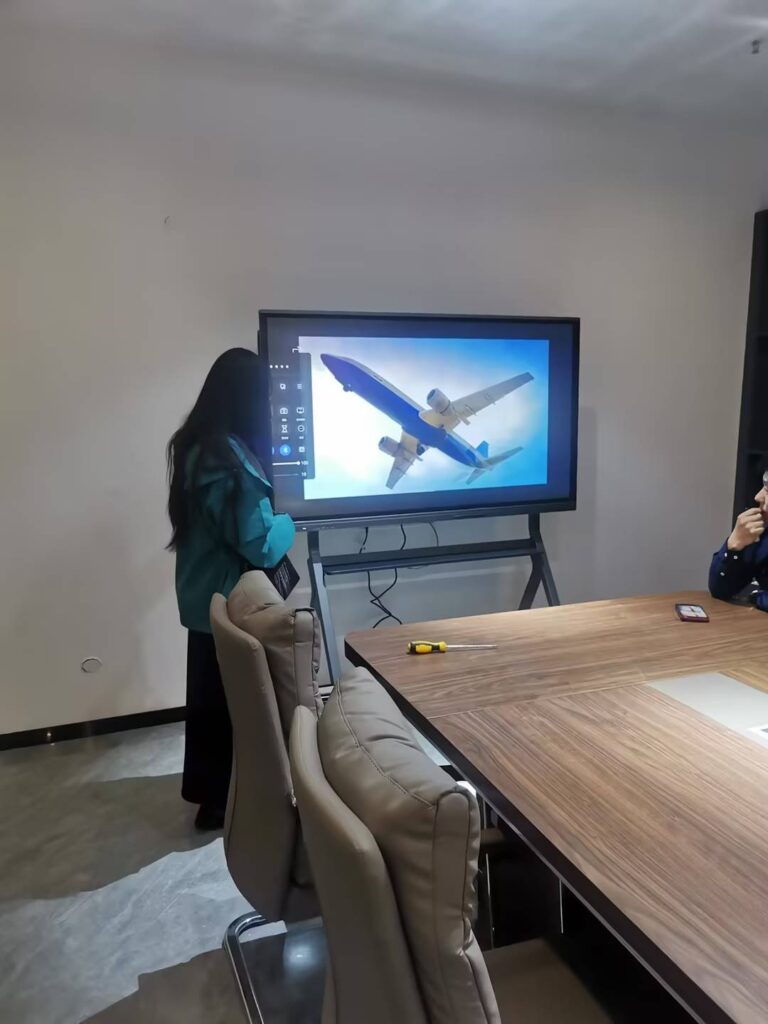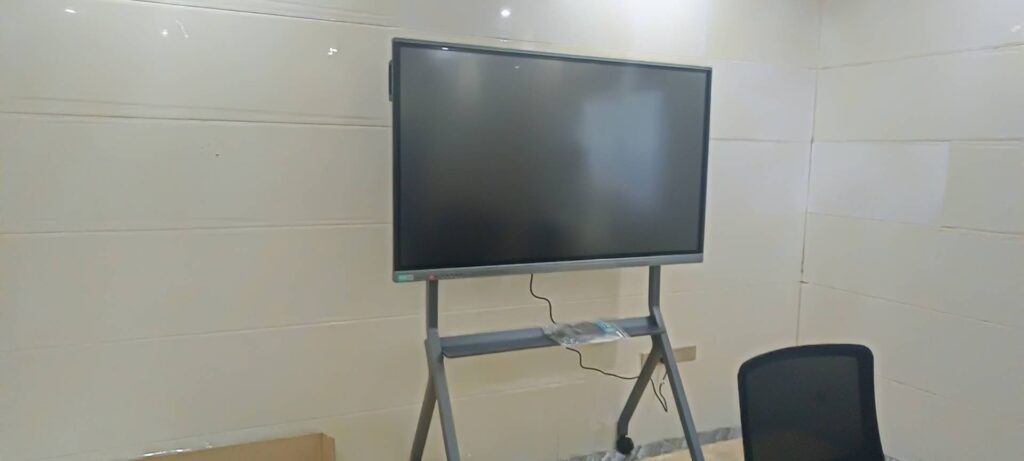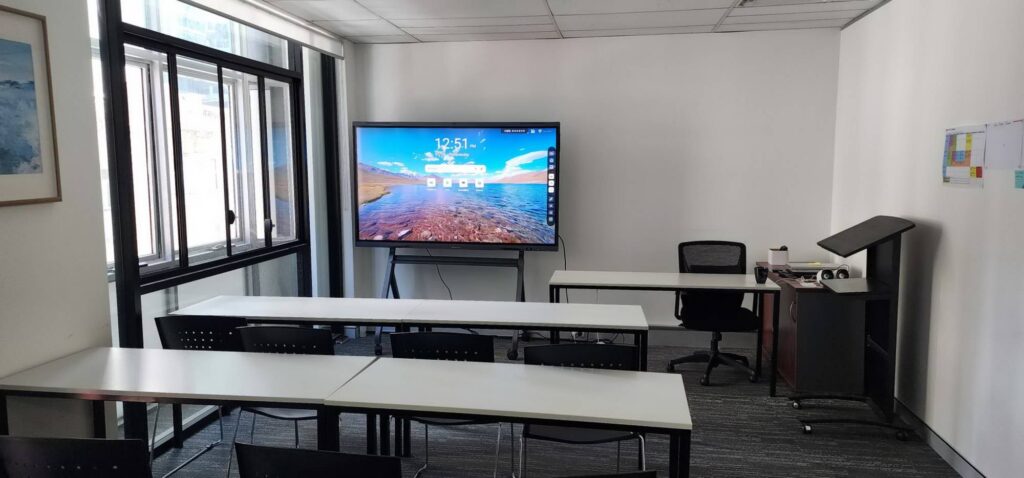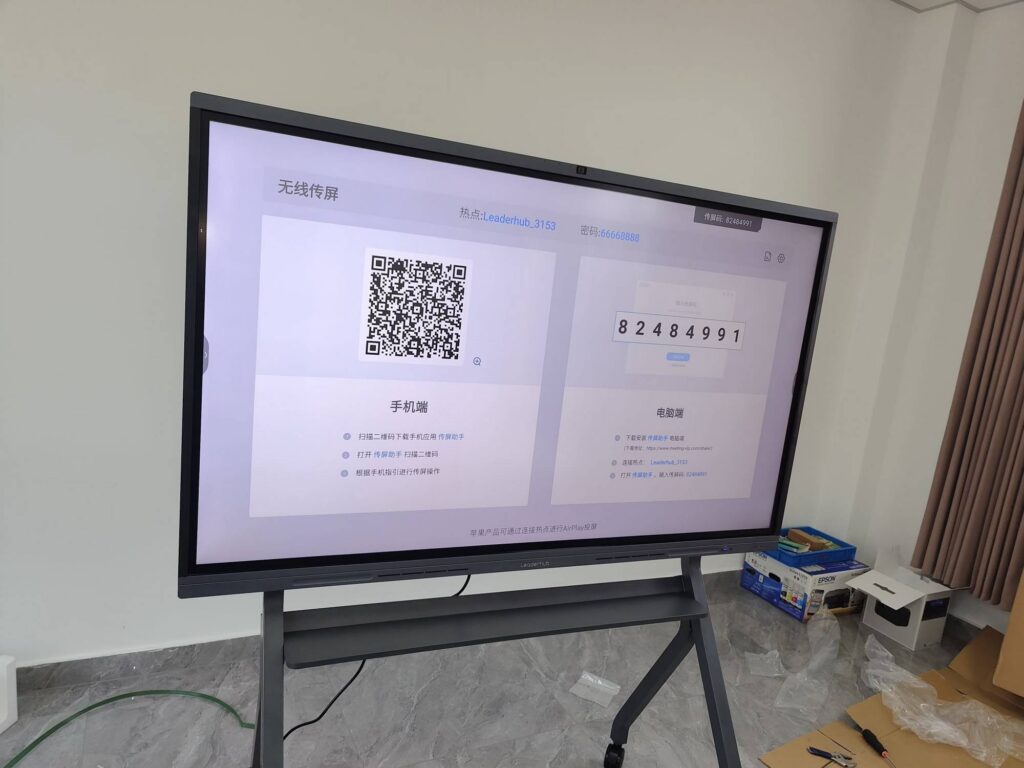
For distributors entering the interactive display market, the smart board sample order process is the single most important step before committing to a container order. A well-run sample evaluation protects your margins, confirms that the panel matches your local market requirements, and gives your sales team a working demo unit to close deals. This guide walks you through every stage — from the first sample request to final approval and the transition to bulk purchasing.
Why Sample Orders Matter for Smart Board Distributors
Interactive flat panels are high-value, technical products. A 65″ to 86″ touchscreen carries firmware, touch sensors, speakers, cameras and an operating system that all need to perform reliably in classrooms and boardrooms. Ordering a sample first allows you to:
- Verify touch accuracy, display quality and build consistency with your own hands
- Check compatibility with local power standards, languages and certification requirements
- Test the panel with the software stack your customers actually use
- Build confidence in the manufacturer’s communication, packaging and after-sales support
- Equip your showroom or sales team with a live demo unit
Education buyers in particular have become more demanding. The UNESCO Technology in Education Report highlights that institutions increasingly expect proof of value before adopting classroom technology — and distributors who have tested their products thoroughly are far better positioned to provide it.
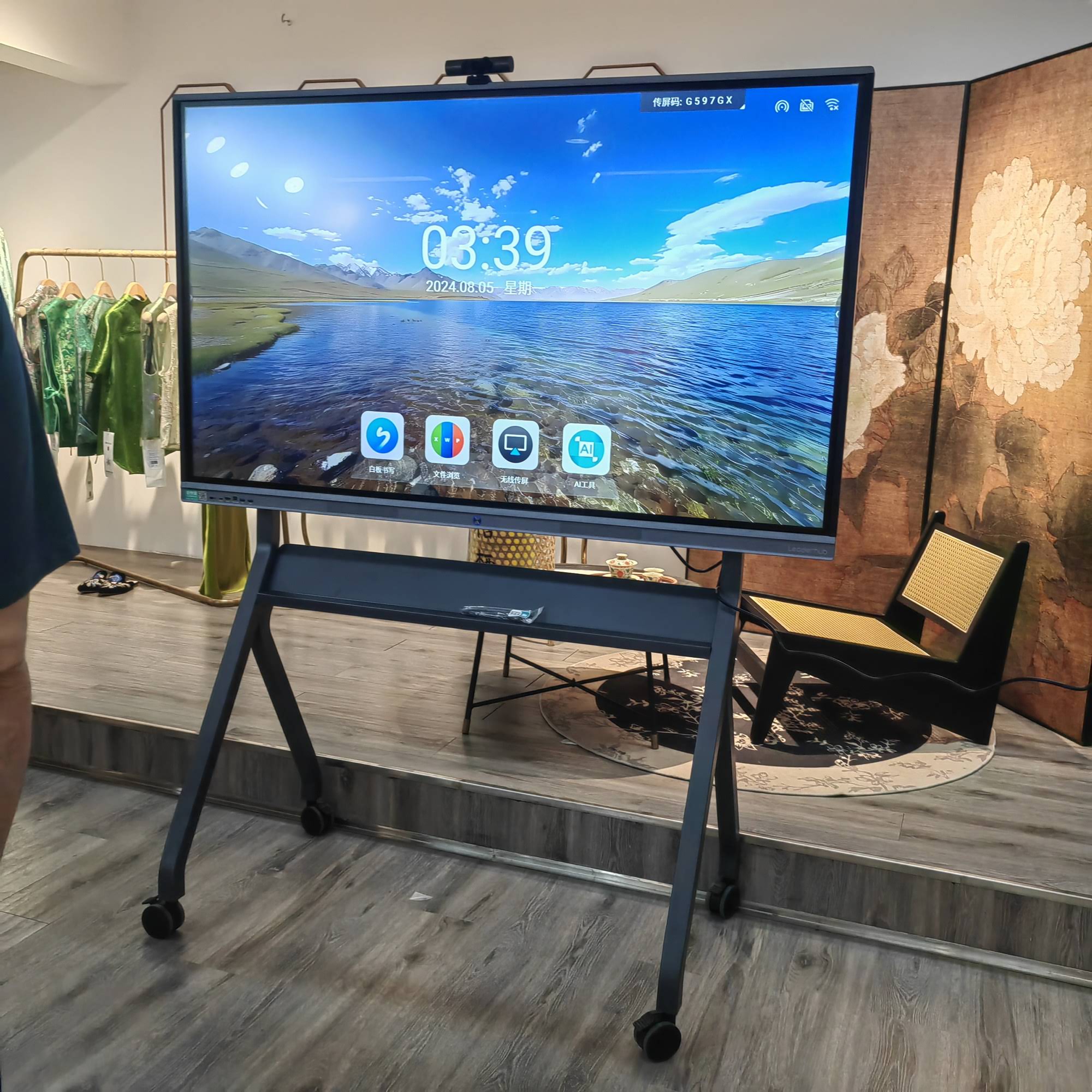
Overview of the Smart Board Sample Order Process
Before diving into the details, here is the complete workflow at a glance. Most distributors complete the full cycle in 3 to 6 weeks, depending on shipping destination and the depth of testing.
| Stage | What Happens | Typical Duration |
|---|---|---|
| 1. Define requirements | Select size, OS, features and target application | 1–3 days |
| 2. Request quotation | Receive sample price, lead time and refund policy | 1–2 days |
| 3. Confirm & pay | Sign proforma invoice, arrange payment and shipping | 2–5 days |
| 4. Production & shipping | Sample assembled, QC checked and dispatched | 7–20 days |
| 5. Inspection & testing | Unboxing, hardware checks, software and user testing | 5–10 days |
| 6. Approval | Feedback report, adjustments and sign-off | 2–5 days |
| 7. Bulk order | Negotiate MOQ, pricing and delivery schedule | Ongoing |
Step 1: Define Your Sample Requirements
The more precisely you describe what you need, the faster the supplier can respond with an accurate quotation. Vague requests such as “send me a 75-inch sample” often lead to back-and-forth emails and delays.
Key specifications to decide before requesting
- Screen size: 55″, 65″, 75″, 86″ or 110″ — match this to your primary customer segment (small meeting rooms vs. large classrooms)
- Operating system: Android only, or Android with an optional Windows OPS module
- Touch technology: infrared or capacitive, and the number of touch points
- Camera and microphone array for video conferencing
- Mounting: wall bracket, mobile stand, or rotating stand
- Power plug type and voltage for your region
- Language packs and pre-installed software
- Branding: standard model or OEM/ODM with your logo
Identify your target application
A distributor serving K-12 schools has different priorities than one supplying corporate boardrooms. Education buyers care about writing latency, anti-glare glass and durability; enterprise buyers focus on wireless screen sharing, conferencing cameras and integration with Teams or Zoom. Browsing the full smart whiteboard product range helps you shortlist models that fit each segment.
Step 2: Request a Quotation and Clarify Sample Terms
Once your requirements are clear, submit a formal sample request. A professional manufacturer will reply with a proforma invoice (PI) that includes the sample price, shipping options and commercial terms. Pay close attention to the following points:
| Term | What to Ask | Why It Matters |
|---|---|---|
| Sample price | Is it retail, wholesale or a special sample rate? | Sets your evaluation budget |
| Sample fee refund | Is the fee credited against the first bulk order? | Reduces your total cost of entry |
| Lead time | Is the unit in stock or built to order? | Affects your launch timeline |
| Shipping method | Air express, air freight or sea LCL? | Balances speed and cost |
| Incoterms | EXW, FOB, CIF or DDP? | Clarifies who handles duties and insurance |
| Warranty | Does the sample carry the same warranty as bulk units? | Protects your demo investment |
| Documentation | CE, FCC, RoHS or other certificates included? | Required for customs and tenders |
Tip: ask whether the supplier offers sample fee reimbursement after you reach a defined order volume. Many manufacturers deduct the sample cost from the first container order, which effectively makes the evaluation free for serious distributors.
Step 3: Confirm the Order, Payment and Shipping
After agreeing on terms, you will sign the PI and arrange payment — typically by T/T bank transfer, PayPal or credit card for single units. Confirm the following details in writing before the unit ships:
- Exact model number, size and configuration
- Serial number of the sample (useful for warranty and traceability)
- Pre-shipment QC photos or a short video showing the panel powered on
- Packaging type — wooden crate is strongly recommended for panels above 65″
- Tracking number and estimated arrival date
- Commercial invoice and packing list for customs clearance
Large-format panels are fragile and heavy. A reliable supplier will use foam-protected wooden crates with corner guards and tilt indicators. If the sample arrives with a triggered tilt or shock indicator, photograph it before opening — this documentation supports any damage claim.
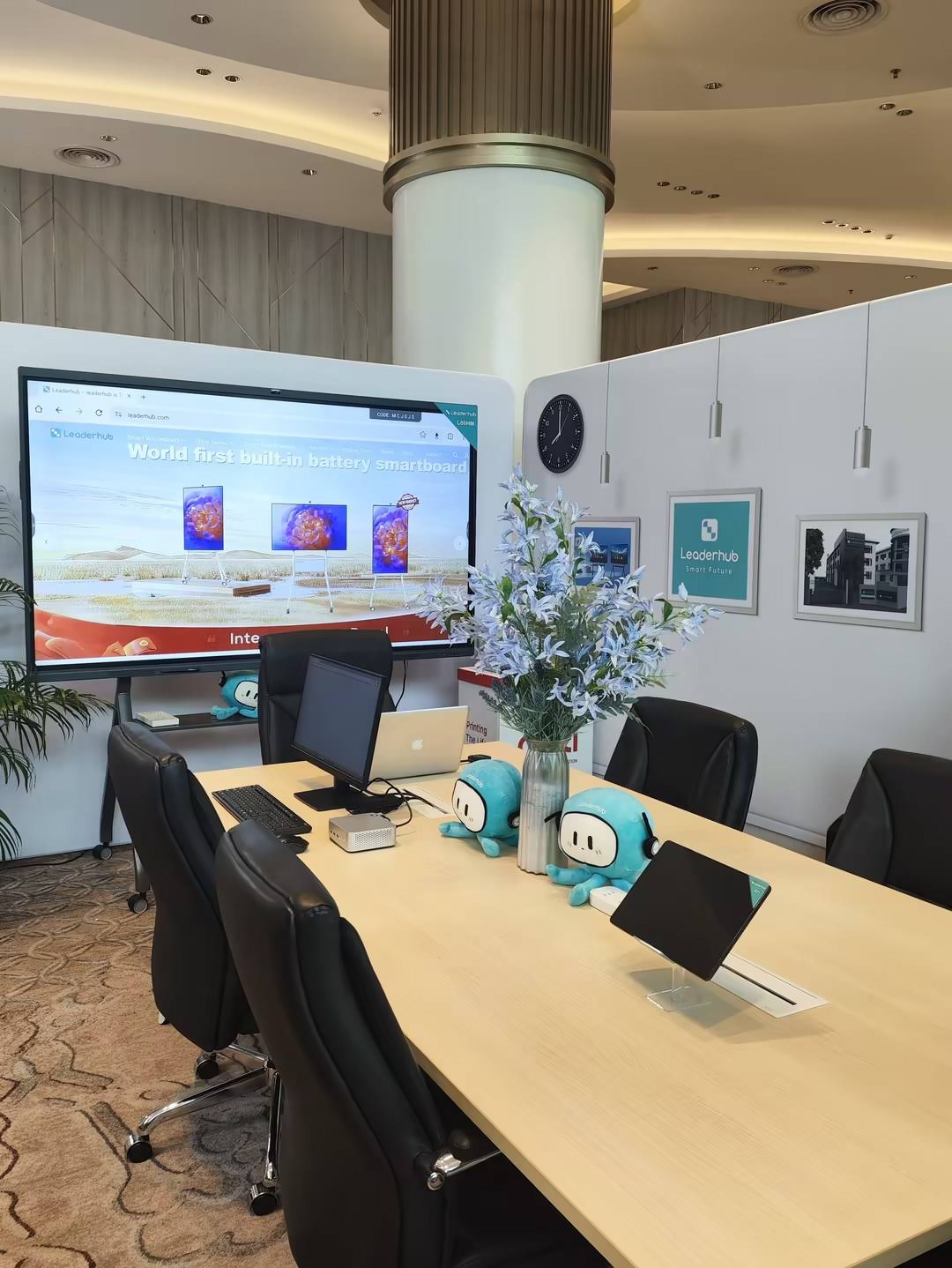
Step 4: Receive and Inspect the Sample
Inspection starts the moment the carton arrives. Follow a structured checklist so nothing is missed and so your feedback to the manufacturer is specific and actionable.
Unboxing checklist
- Outer packaging intact, no water stains or crushed corners
- All accessories present: remote, stylus pens, power cable, HDMI/USB cables, wall mount, manual
- No scratches on the glass or bezel; no dead pixels or backlight bleeding
- Serial number on the unit matches the serial number on the invoice
- Logo, labels and certification marks printed correctly
- OPS slot, ports and buttons aligned and functional
Document everything
Take high-resolution photos of each stage and keep a simple log. If you later request adjustments — a different stylus, an additional language pack, a firmware fix — this record makes the conversation precise and fast.
Step 5: Test the Smart Board Thoroughly
This is the heart of the smart board sample order process for distributors. Testing should mirror real customer usage, not just a quick power-on. Allocate at least a full week and involve people from sales, technical support and, if possible, an actual end-user such as a teacher or meeting facilitator.
| Test Category | What to Test | Pass Criteria |
|---|---|---|
| Display | 4K resolution, brightness, color uniformity, viewing angle, anti-glare | Clear text from the back of the room, no dead pixels |
| Touch | Writing latency, palm rejection, multi-user writing, edge accuracy | Natural handwriting feel, no missed strokes |
| Audio & video | Speaker volume, microphone pickup range, camera clarity in low light | Clear voice capture across a 6–8 m room |
| Connectivity | Wi-Fi stability, wireless casting from Windows/Mac/iOS/Android, HDMI, USB-C | Connects within seconds, no drops over an hour |
| Software | Whiteboard app, annotation, file export, app store, OTA updates | Stable, intuitive, localized language |
| Conferencing | Teams, Zoom, Google Meet performance with built-in camera | Smooth 30+ minute call with no overheating |
| Durability | Continuous 8-hour operation, heat output, fan noise, glass hardness | No thermal shutdown, quiet operation |
| Mechanical | Stand stability, rotation mechanism, height adjustment, cable management | Smooth movement, no wobble |
Run a real-world scenario test
Beyond the technical checklist, simulate a full lesson or meeting. Have one person present slides while another annotates, share a phone screen, join a video call, save the whiteboard to cloud storage and email it. This end-to-end flow reveals usability issues that no spec sheet will show. Standards bodies such as AVIXA publish AV performance guidelines that can help you frame objective pass/fail criteria for display and audio quality.

Step 6: Evaluate Results and Approve the Sample
With testing complete, compile your findings into a concise sample evaluation report. A structured report accelerates approval and gives the manufacturer clear direction on any changes.
What your evaluation report should contain
- Summary of test results against each pass criterion
- Photos or short videos of any defects or unexpected behavior
- Requested modifications: firmware, accessories, packaging, branding
- Feedback from end-user testers (teachers, IT managers, sales staff)
- A clear decision: approved, approved with changes, or rejected
Approval scenarios
If the sample passes, confirm in writing that bulk units must match the approved sample — this “golden sample” becomes the quality reference for production. If minor changes are required, most manufacturers can adjust firmware remotely or send revised accessories without a second physical sample. Only a fundamentally different configuration (new size, new touch technology) usually warrants a fresh sample round.
Step 7: Move from Sample to Bulk Order
Once the sample is approved, you are ready to negotiate commercial terms for volume purchasing. Use the trust built during the sample process to secure favorable conditions:
- MOQ and tiered pricing: ask for price breaks at 20, 50 and 100 units
- Sample fee deduction from the first order
- Production lead time and partial shipment options
- Spare parts kit (touch frames, remotes, power boards) for local after-sales service
- Marketing support: product images, videos, datasheets in your language
- Territory protection or distributor agreement where applicable
- Payment terms — a 30% deposit with balance before shipment is standard, with better terms for repeat orders
Distributors who plan to serve both education and enterprise customers often keep two approved samples: a classroom-focused panel such as the L75ZM 75″ 4K smart panel and a conference-focused unit such as the U55Pro mobile 55″ interactive flat panel. Having both on display dramatically shortens the sales cycle.
Common Mistakes Distributors Make During Sample Orders
- Skipping the written specification — leads to receiving a configuration that does not match your market
- Testing for only one or two days — intermittent Wi-Fi or thermal issues appear only under sustained use
- Letting only the technical team test — the sales and end-user perspective is just as important
- Ignoring packaging — a panel that arrives damaged in bulk shipments destroys margins
- Forgetting to ask about firmware update policy and long-term software support
- Not confirming certification documents before the sample ships
- Failing to lock the approved sample as the production quality reference
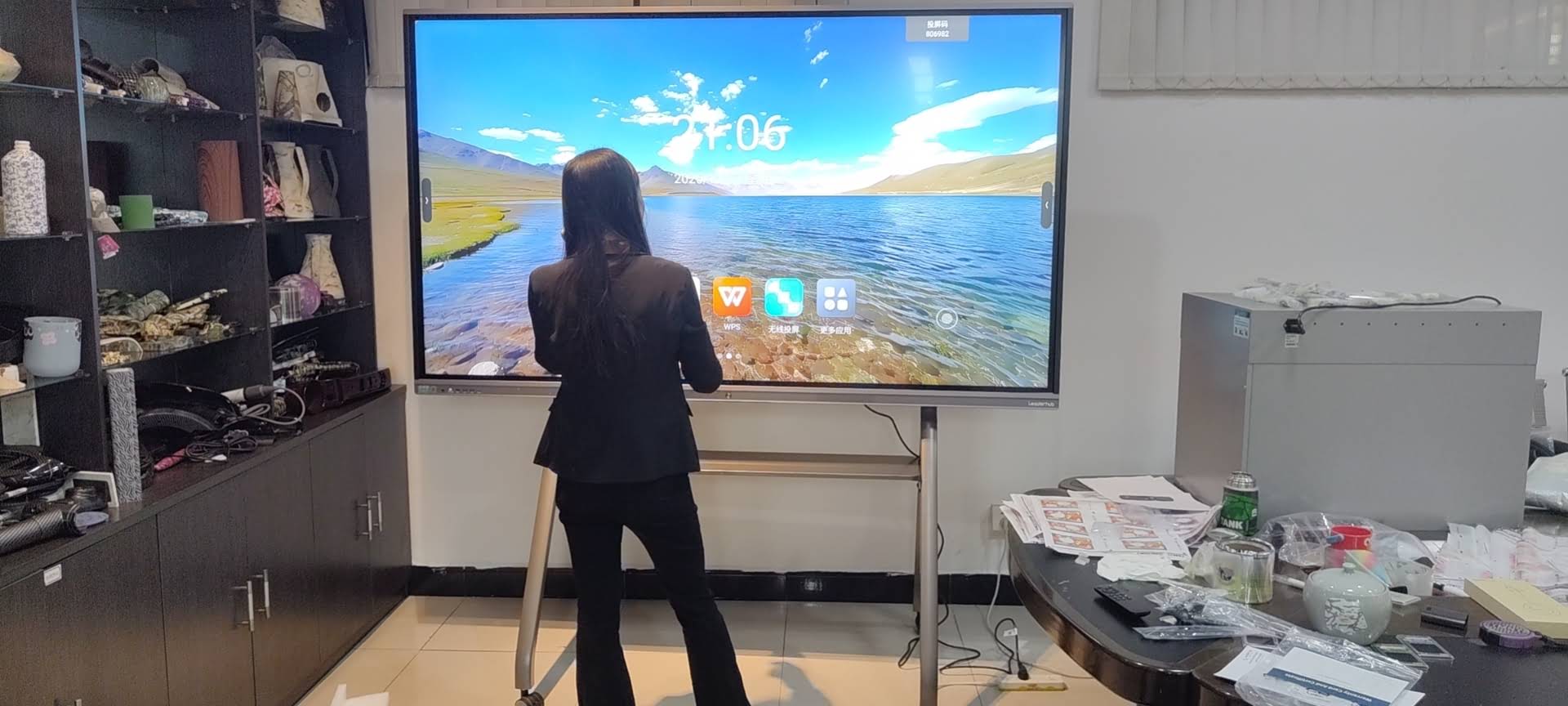
Recommended Models for Sample Evaluation
If you are building a sample program from scratch, the following configurations cover the most common distributor use cases and price points:
| Model | Size | Best For | Sample Price |
|---|---|---|---|
| L65ZM Interactive Whiteboard | 65″ 4K | Entry-level classrooms, small offices | $1,099 |
| L65HM Smart Whiteboard | 65″ 4K | Rotating conference hub, hybrid meetings | $1,299 |
| L75HM Smart Whiteboard | 75″ 4K | Standard classrooms and boardrooms | $1,599 |
| L86ZM Interactive Whiteboard | 86″ 4K | Large lecture halls, training centers | $1,699 |
| L75H Pro Interactive Flat Panel | 75″ 4K | Premium enterprise collaboration | $2,399 |
| U55Pro Mobile Interactive Flat Panel | 55″ 4K | Mobile huddle rooms, flexible spaces | $2,499 |
Many distributors also add a mini PC to their sample order so they can demonstrate a full Windows experience alongside the panel’s native Android system.
Working with an Experienced Manufacturer
The sample process is only as smooth as the supplier behind it. Leaderhub, a Shenzhen-based technology company with 16 years of interactive-display expertise, has delivered smart whiteboards, interactive flat panels, mini PCs and portable smart screens to distributors in 82 countries, and offers OEM/ODM support, sample fee deduction on bulk orders and dedicated distributor onboarding. A partner with this kind of track record understands that a fast, transparent sample program is the foundation of a long-term distribution relationship.
Frequently Asked Questions
How much does a smart board sample cost?
Sample prices generally match wholesale or a slightly discounted rate, ranging from roughly $1,000 for a 65″ panel to $2,500 or more for premium or mobile models. Many manufacturers refund or credit the sample fee once a bulk order is placed.
How long does it take to receive a sample?
In-stock models typically ship within 3–7 days; built-to-order or OEM-branded samples take 10–20 days. Air express adds 5–10 days of transit, while sea freight takes 25–45 days depending on the destination.
Can I request a customized sample with my own logo?
Yes. Most manufacturers support OEM branding on the bezel, boot screen and packaging even at the sample stage, although a small customization fee and longer lead time may apply.
What if the sample fails testing?
Document the issue clearly and share it with the supplier. Firmware issues are usually fixed remotely; hardware defects are typically resolved by replacement parts or a replacement unit under warranty.
Do I need to order a sample of every size?
Not necessarily. Panels within the same series share the same mainboard, software and touch technology, so one or two representative sizes are usually enough to validate the full range.
Start Your Sample Order Today
A disciplined sample order process turns uncertainty into confidence. Define your requirements, clarify commercial terms, test the panel the way your customers will use it, and lock the approved sample as your production benchmark. Distributors who follow these steps enter the market with proven products, trained sales teams and a manufacturer relationship built on verified quality. To request a sample or discuss distributor pricing, contact the team here or explore the complete product catalog.