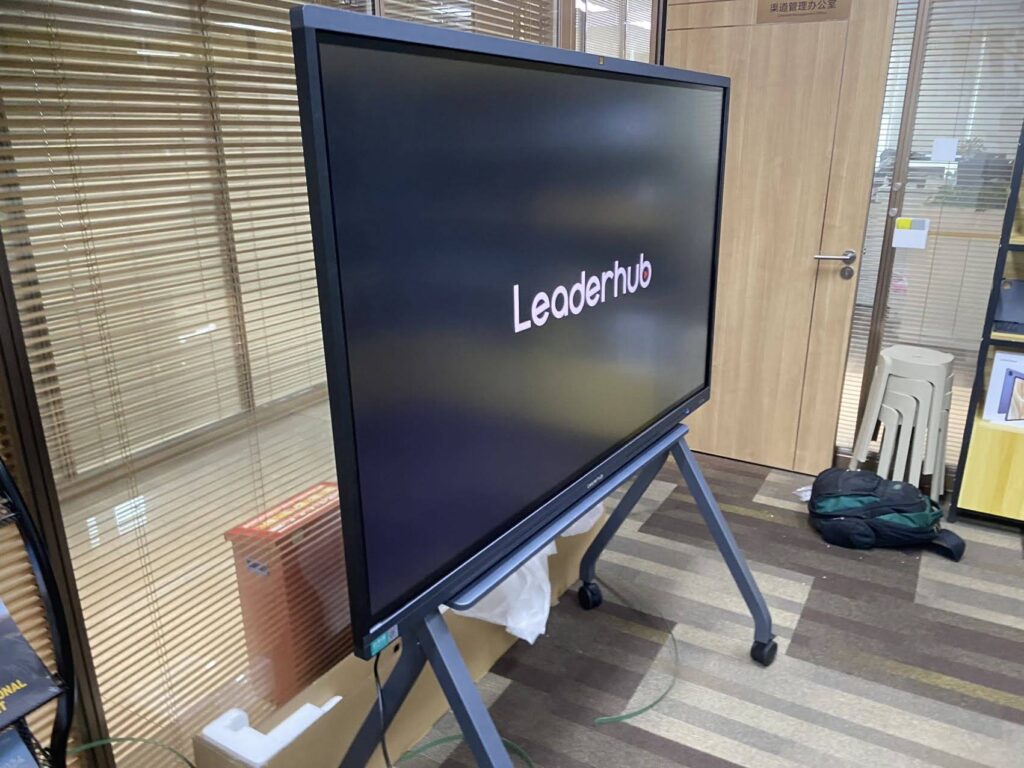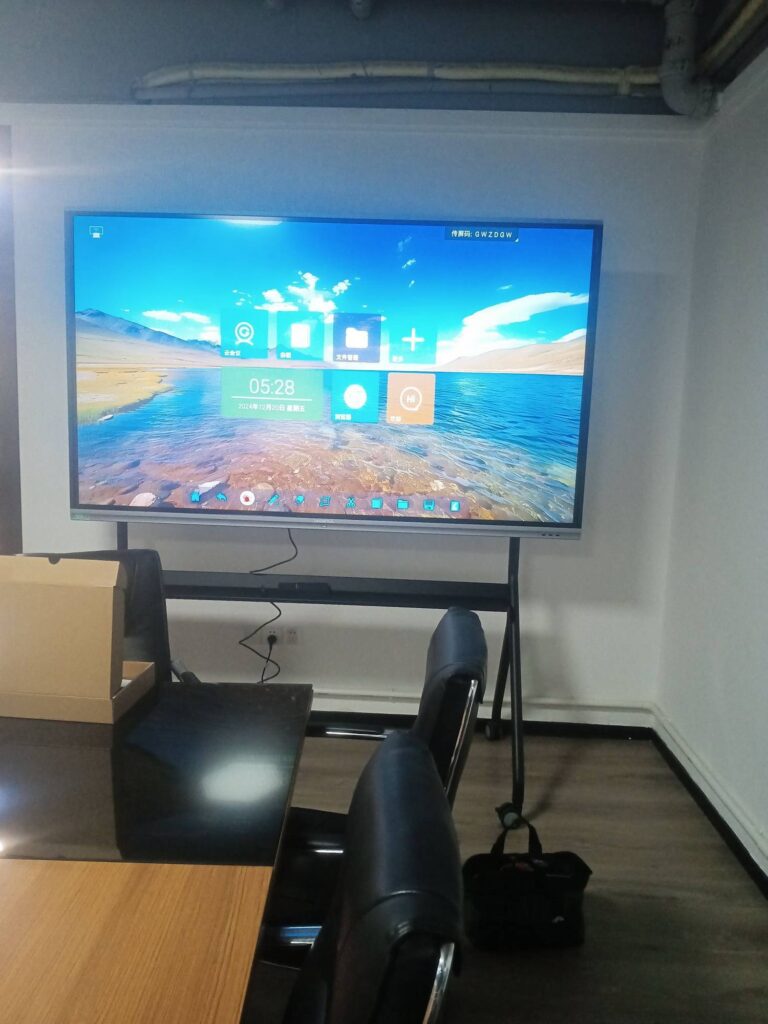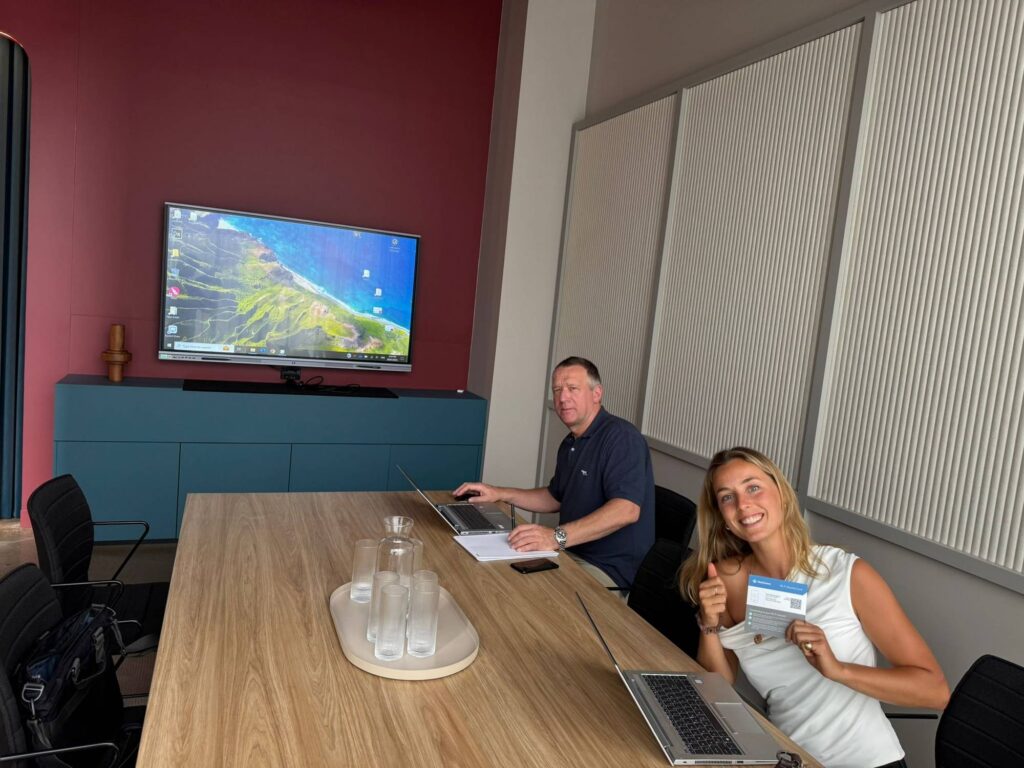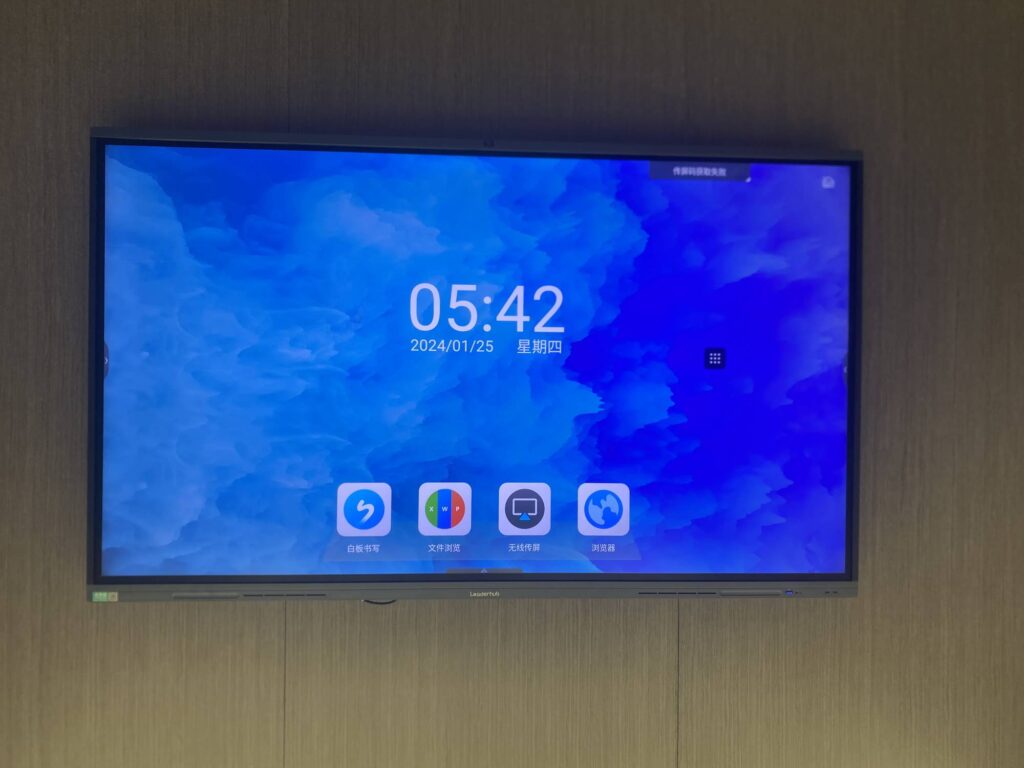
Choosing the right smart whiteboard with screen sharing capabilities can transform how your team collaborates, how your classroom engages students, and how your business presents ideas. With dozens of brands, resolutions, and connectivity options on the market, making an informed decision requires understanding both the technology and your specific use case.
This guide draws on real-world deployment experience across corporate offices, training centers, and educational institutions to help you cut through the marketing jargon and focus on what actually matters when selecting an interactive display.
Why Screen Sharing Has Become a Must-Have Feature
A decade ago, interactive whiteboards were primarily used for writing and basic annotation. Today, the expectation has shifted dramatically. According to a 2023 workplace collaboration survey by Frost & Sullivan, over 78% of hybrid meetings require some form of wireless screen mirroring or casting during the session. Whether it’s a remote employee sharing a laptop screen, a teacher displaying a tablet’s content, or a client presenting from their own device, seamless screen sharing has become the baseline requirement rather than a bonus feature.
Without reliable screen sharing, teams waste valuable meeting time fumbling with cables, adapters, or software installations — friction that directly impacts productivity and first impressions with clients.
Key Factors to Evaluate Before You Buy
Based on hands-on testing and feedback from IT administrators who manage fleets of interactive displays, here are the criteria that matter most:
- Screen resolution and clarity — 4K UHD (3840×2160) is now the industry standard for panels 55 inches and above. Anything lower will show visible pixelation on text-heavy presentations.
- Wireless casting compatibility — Look for support across Windows, macOS, iOS, and Android. Cross-platform compatibility avoids the “it doesn’t work with my laptop” problem in mixed-device environments.
- Touch accuracy and latency — Infrared or capacitive touch technology with sub-10ms response time ensures writing feels natural, not delayed.
- Built-in operating system — Android-based systems (Android 11+) offer better app support and faster boot times compared to older embedded systems.
- Audio and camera integration — For video conferencing, built-in microphone arrays and camera compatibility reduce the need for extra peripherals.
- Mounting flexibility — Rotating or height-adjustable stands matter for spaces used by both seated and standing presenters.
Comparing Screen Sharing Technologies
Not all “screen sharing” is created equal. Understanding the underlying technology helps you avoid buying a display that looks good on paper but frustrates users daily.
| Technology | Connection Type | Latency | Best For |
|---|---|---|---|
| Miracast | Wi-Fi Direct | Low | Windows laptops |
| AirPlay | Wi-Fi | Low | Apple devices |
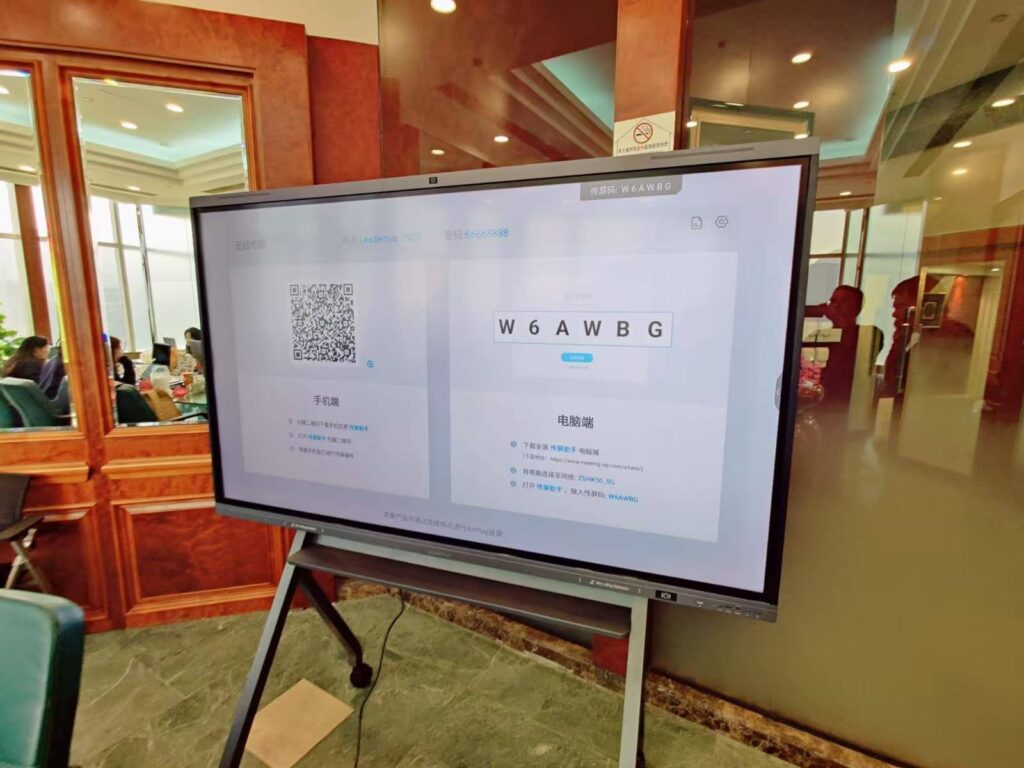
| Dongle-based casting | USB / HDMI dongle | Very Low | Cross-platform meeting rooms |
| Cloud-based apps | Internet connection | Medium | Remote participants |
For mixed-device offices, dongle-based casting solutions tend to deliver the most consistent experience because they bypass network configuration issues that often plague Wi-Fi-dependent methods.
Matching the Panel to Your Environment
The right smart whiteboard depends heavily on room size and use case. Here’s a practical breakdown:
Small Meeting Rooms (4–8 people)
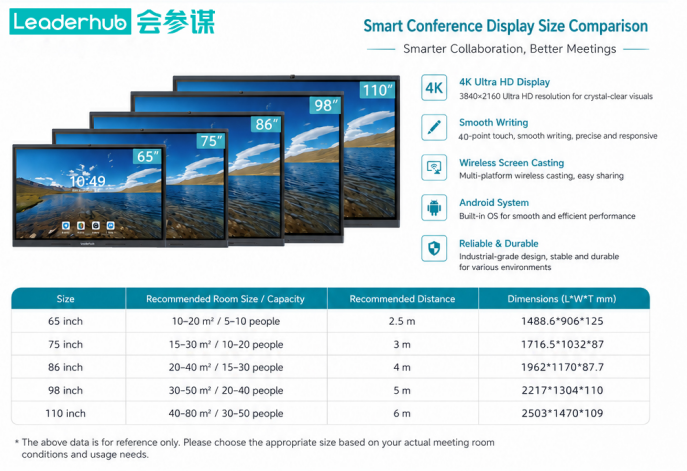
A 55″ to 65″ panel is generally sufficient. Anything larger in a compact room can overwhelm the space and create uncomfortable viewing angles for people seated close to the screen.
Standard Classrooms and Boardrooms (10–25 people)
75″ to 86″ displays strike the right balance between visibility and cost. This size range is currently the most popular category among educational institutions, according to internal sales data from interactive display manufacturers across Asia and Europe.
Large Auditoriums and Training Centers (30+ people)
For these environments, 98″ to 110″ panels or projector-based interactive systems are typically necessary to maintain legibility from the back rows.
Real-World Case Example
A mid-sized training company based in Southeast Asia switched from projector-based setups to interactive flat panels with built-in wireless screen sharing in 2023. Post-implementation surveys showed meeting setup time dropped from an average of 8 minutes to under 90 seconds, and trainer satisfaction scores increased by 34%. The main driver cited was the elimination of cable adapters and the ability for any trainee to instantly cast their laptop screen without IT assistance.
This kind of outcome is consistent with what we’ve observed across corporate and education deployments — the friction reduction from good screen sharing technology compounds into measurable time savings over months of daily use.
Common Buying Mistakes to Avoid
- Ignoring the operating system update policy — Some budget panels stop receiving firmware updates within a year, leaving screen sharing apps outdated and eventually incompatible with newer phones and laptops.
- Overlooking bandwidth requirements — Wireless casting for 4K content requires stable Wi-Fi with sufficient bandwidth; deploying panels in rooms with weak signal leads to lag and dropped connections.
- Choosing size based on budget alone — A panel too small for the room reduces engagement and legibility, negating the investment.
- Skipping a hands-on trial — Touch responsiveness and glare under different lighting conditions vary significantly between models; specifications on paper don’t always reflect real usage.
Checklist: What to Ask Before Purchasing
- Does the panel support simultaneous multi-device screen sharing for collaborative sessions?
- What warranty and after-sales support does the manufacturer provide?
- Is the touch panel compatible with stylus and multi-touch gestures (10-point or higher)?
- Can the built-in Android system run third-party conferencing apps like Zoom or Microsoft Teams natively?
- What is the total cost of ownership, including mounting hardware and optional accessories like mini PC modules for extended functionality?
Industry Standards and Certifications Worth Checking
When comparing manufacturers, look for panels that comply with recognized safety and performance certifications such as CE, FCC, and RoHS. These indicate the product has passed electrical safety and environmental compliance testing — a baseline trust signal, particularly for institutional and government procurement processes where compliance documentation is often mandatory.
How LeaderHub Approaches Smart Whiteboard Design
LeaderHub, a Shenzhen-based interactive display manufacturer with 16 years of industry experience, has shipped smart whiteboards and portable smart screens to over 82 countries. Their engineering approach focuses on combining reliable multi-platform screen sharing with 4K touch panels, addressing the exact pain points outlined in this guide — compatibility, latency, and long-term firmware support. Buyers evaluating panels for education or enterprise use can review their full smartboard lineup to compare specifications side by side.
Final Recommendations
Selecting a smart whiteboard with screen sharing isn’t just about picking the biggest screen or the most feature-dense spec sheet. It’s about matching the technology to how your team actually works. Prioritize:
- Cross-platform wireless casting reliability over flashy but rarely-used features
- 4K resolution for any panel used for text-heavy presentations
- A manufacturer with a track record of firmware updates and responsive support
- Room-appropriate sizing based on actual seating distance, not just budget
Taking the time to test a unit in your actual environment — under your lighting conditions, with your team’s devices — remains the single most reliable way to avoid buyer’s remorse. A well-chosen interactive panel pays for itself many times over in reduced meeting friction and improved collaboration outcomes.