Choosing the right smart board manufacturer in China can feel overwhelming, especially when there are thousands of suppliers listed on B2B platforms, trade directories, and exhibition catalogs. For school administrators, corporate procurement teams, and AV integrators, the decision affects not only product quality but also long-term partnership stability, after-sales support, and total cost of ownership. This guide walks through the practical criteria that experienced buyers use when evaluating interactive smart whiteboards and flat panel suppliers based in China, drawing on real industry practices and sourcing experience.
Why China Dominates the Smart Board Supply Chain
China manufactures the majority of the world’s interactive flat panels, touch modules, and mini PC components. Shenzhen, in particular, has become the epicenter of the display and electronics supply chain, hosting component suppliers, panel fabricators, and assembly factories within a tight geographic radius. This concentration allows manufacturers to iterate faster, reduce lead times, and offer more competitive pricing than suppliers in other regions. However, the same density also means quality and service levels vary dramatically between factories — which is exactly why due diligence matters.
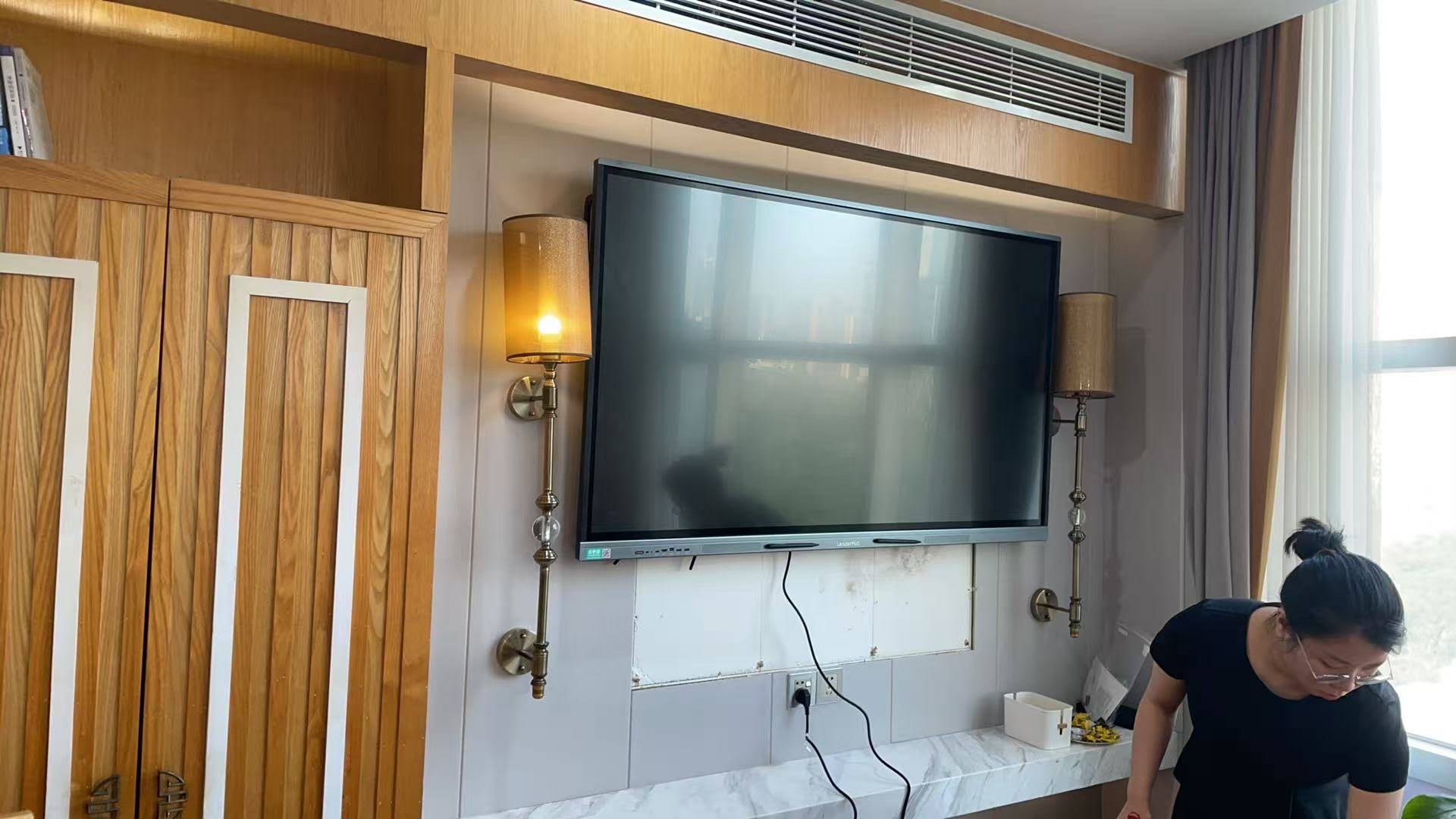
1. Verify Manufacturing Capability, Not Just Trading Status
Many companies listed as “manufacturers” on sourcing platforms are actually trading companies that resell products from third-party factories. This isn’t inherently bad, but it does add a layer of communication and quality-control risk. Ask for:
- Factory audit reports or video walkthroughs of the production floor
- Business licenses showing manufacturing registration (not just trading)
- Evidence of in-house R&D, such as patent filings or product design certificates
- Sample production timelines to gauge actual capacity
A genuine manufacturer will typically have no hesitation sharing this information, since transparency builds trust in long-term B2B relationships.
2. Check Certifications and Compliance Standards
Interactive displays sold internationally must comply with regional safety and electromagnetic standards. Reliable suppliers proactively hold certifications relevant to your target market. The table below summarizes the most commonly required certifications for smart boards and interactive flat panels:
| Certification | Region | Purpose |
|---|---|---|
| CE | European Union | Safety and EMC compliance |
| FCC | United States | Radio frequency and electronic emissions |
| RoHS | Global | Restriction of hazardous substances |
| ISO 9001 | Global | Quality management systems |
| CCC | China | Mandatory product certification for domestic sales |
Requesting original certificate copies — not just logos on a website — is a simple but effective verification step many buyers skip.
3. Evaluate Hardware and Software Integration
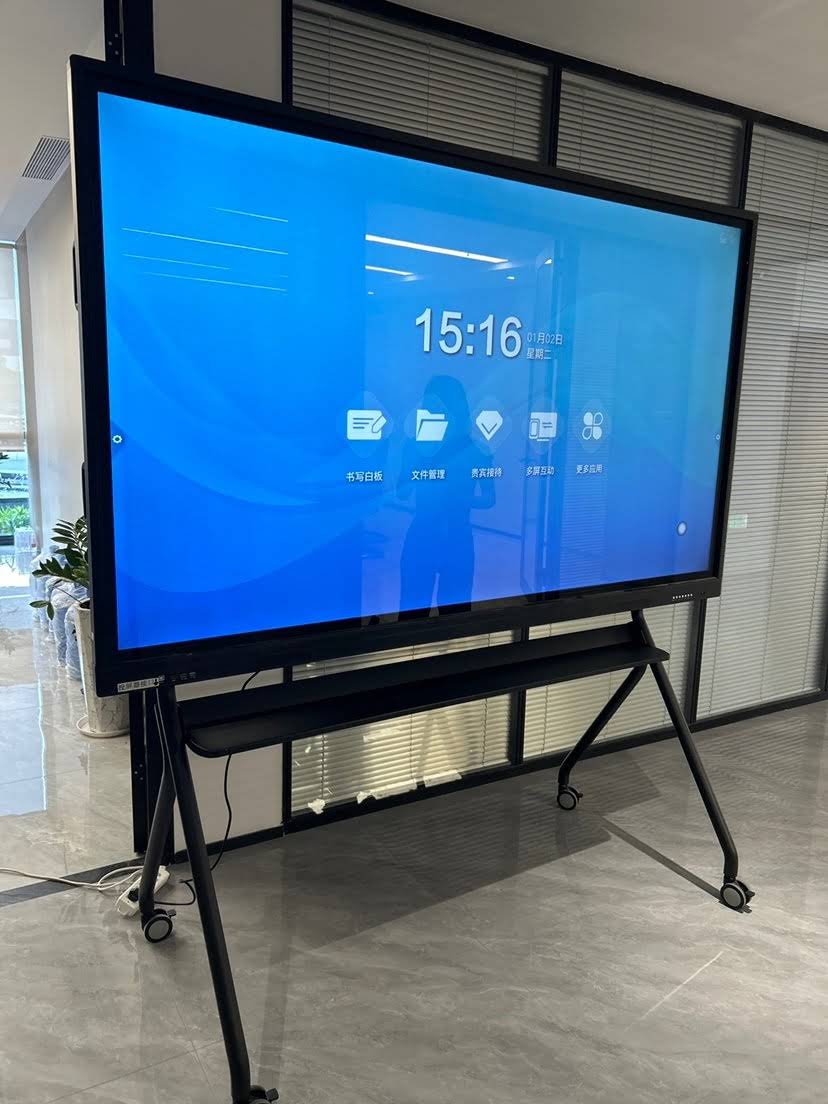
A smart board is only as good as the ecosystem behind it. When comparing suppliers, look closely at touch accuracy (infrared vs. capacitive technology), operating system stability (Android-based vs. Windows dual-OS), and whether the manufacturer develops its own firmware or relies entirely on third-party chipsets. Panels bundled with a reliable mini PC module tend to offer better long-term performance consistency, since the manufacturer controls both hardware and software updates.
Key Technical Questions to Ask Suppliers
- What touch technology is used, and what is the point-of-touch response latency?
- Is the panel anti-glare and how many nits of brightness does it support?
- Does the OS receive regular security patches and firmware updates?
- Can the writing algorithm handle multi-user simultaneous annotation?
4. Assess OEM/ODM Flexibility
For distributors and system integrators building their own brand, OEM/ODM capability is critical. A capable manufacturer should be able to accommodate custom bezels, logo placement, packaging design, and even firmware branding without significantly extending lead times. During sourcing conversations, ask about minimum order quantities (MOQs) for custom builds — reputable factories are usually transparent about MOQ tiers rather than vague pricing promises.
5. Review After-Sales Support and Warranty Terms
Interactive panels are long-term capital investments for schools and enterprises, often expected to run 8–10 hours daily for years. A trustworthy manufacturer should offer:
- A minimum 2-3 year warranty on panels and touch modules
- Clear RMA (return merchandise authorization) procedures
- Regional service partners or spare parts availability for common regions
- Remote diagnostic support for firmware-related issues
Buyers should specifically ask how the company handles dead-on-arrival units and out-of-warranty repairs, since this reveals a lot about the supplier’s genuine commitment to customer support.
6. Look for Industry Recognition and Track Record
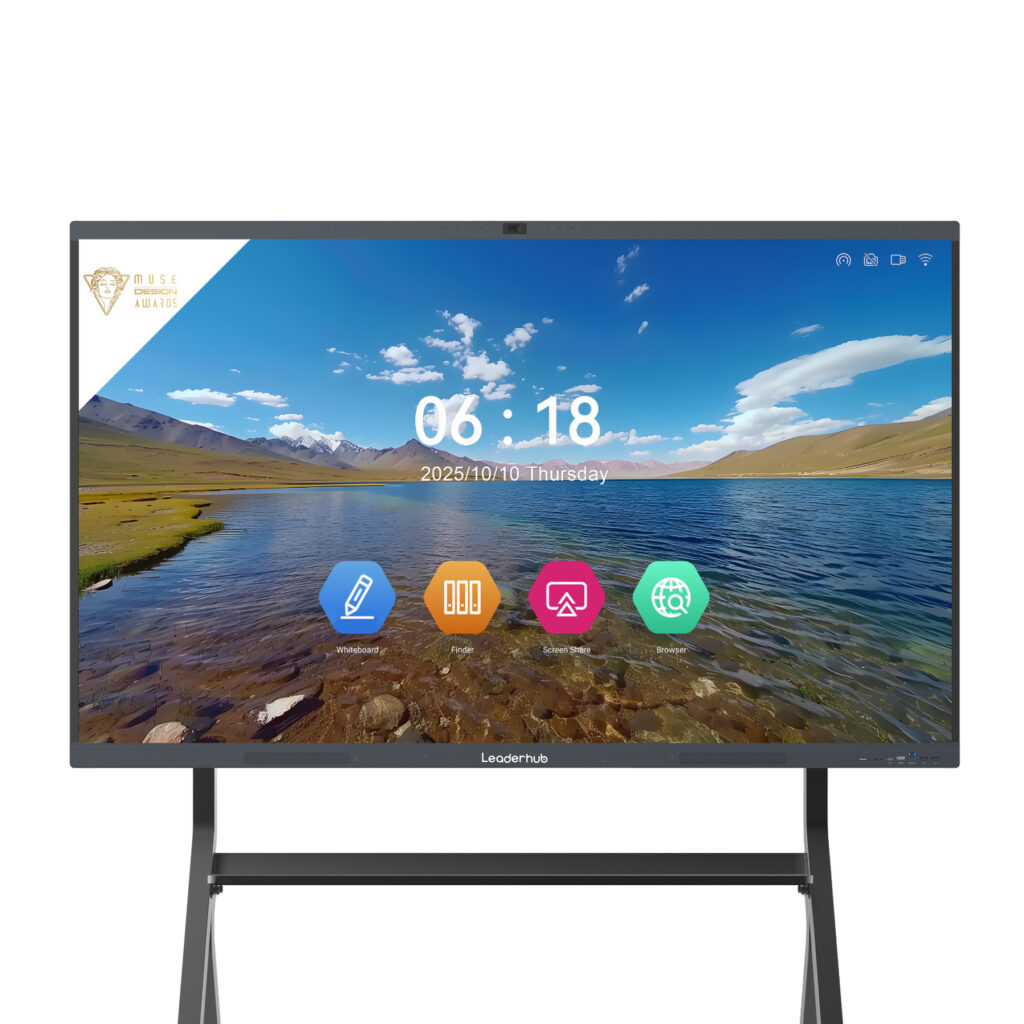
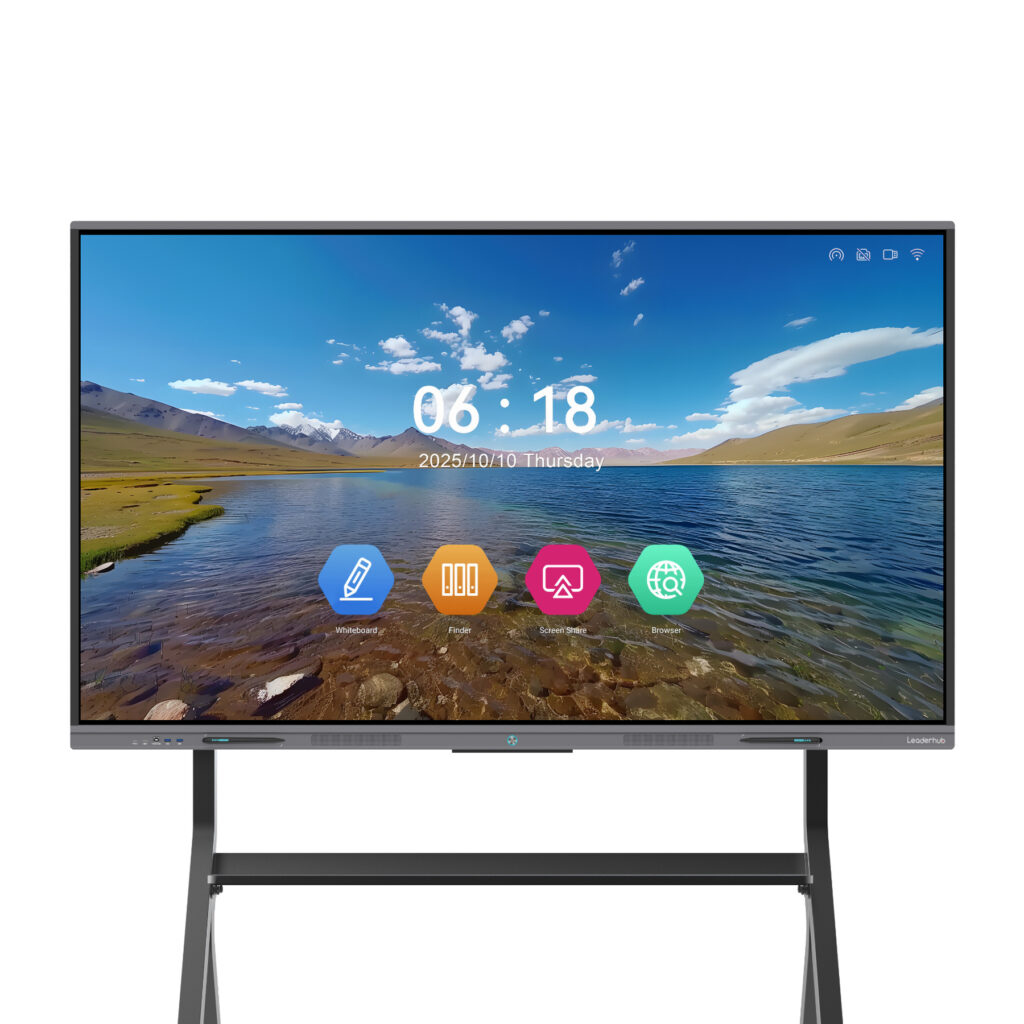
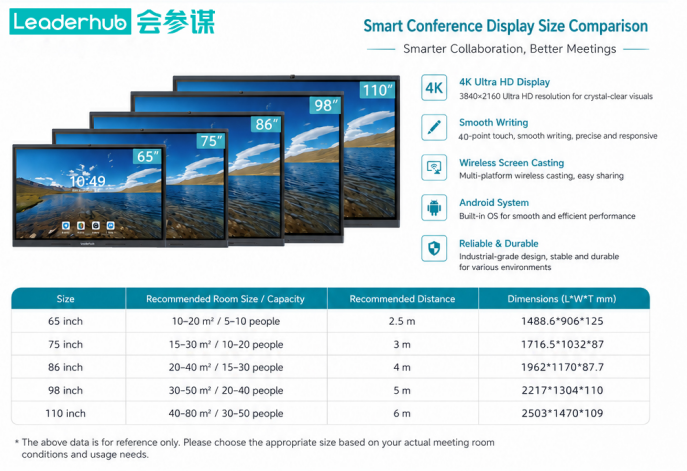
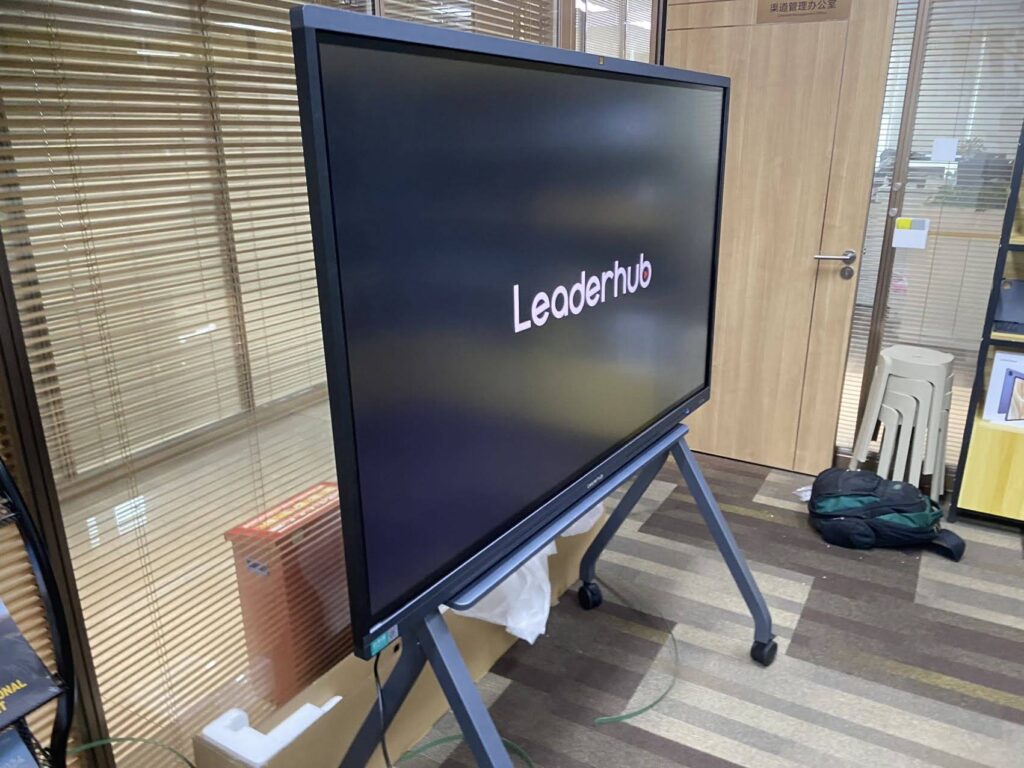
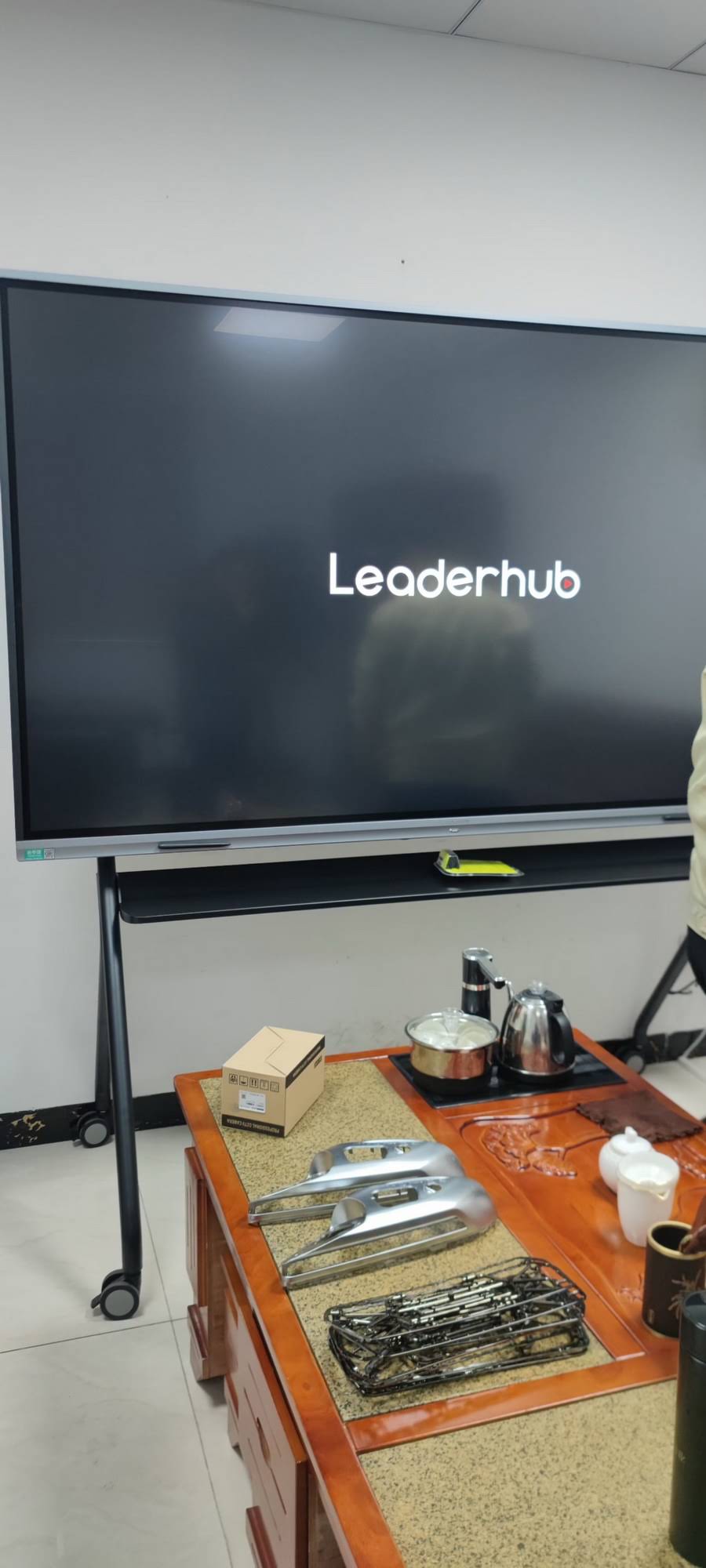
Longevity in the industry is a strong signal of reliability. Companies that have operated for over a decade have typically survived multiple product cycles, export regulation changes, and shifting technology standards — evidence that they can adapt and maintain quality consistently. As an example from firsthand industry experience, LeaderHub, a Shenzhen-based manufacturer with 16 years of experience in the interactive panel industry, has shipped smart whiteboards, mini PCs, and portable smart screens to over 82 countries, and holds the No.1 position in its subcategory on JD.com — illustrating how sustained R&D investment and export experience translate into market trust.
7. Attend Exhibitions to Verify Products in Person
Trade shows remain one of the most reliable ways to evaluate a manufacturer’s actual production quality and professionalism. Watching live demonstrations, testing touch responsiveness, and speaking directly with engineering teams provides insights that catalogs and video calls cannot replicate. Many manufacturers, including established Shenzhen-based suppliers, regularly participate in global electronics exhibitions specifically to meet distributors and system integrators face-to-face.
8. Compare Pricing Against Total Cost of Ownership
The cheapest quote is rarely the most economical choice over a product’s lifecycle. Buyers should factor in shipping costs, import duties, warranty coverage, expected lifespan, and software update support when comparing quotations. A panel priced 15% lower but lacking firmware update support or spare parts availability can end up costing significantly more in downtime and replacement costs over three to five years.
Common Red Flags to Watch For
- Reluctance to provide factory audit documentation or video verification
- No clear warranty policy in writing
- Inconsistent product specifications between website, catalog, and sample units
- Extremely short lead times that seem inconsistent with claimed production capacity
- No verifiable export history or client references
9. Request Samples and Conduct a Trial Deployment
Before committing to a bulk order, request a sample unit and run it through a real-world trial — a classroom pilot, a meeting room deployment, or a showroom demo. Testing touch latency under continuous use, checking software stability after multiple reboots, and evaluating build quality after a week of daily handling reveals far more than a spec sheet ever will.
Final Checklist Before Signing a Contract
| Evaluation Area | What to Confirm |
|---|---|
| Certifications | CE, FCC, RoHS, ISO 9001 documentation |
| Factory Verification | Audit report or live video tour |
| Warranty | Written terms, minimum 2 years |
| OEM/ODM | Customization options and MOQ tiers |
| Track Record | Years in business and export history |
Conclusion
Selecting a reliable smart board manufacturer in China requires more than comparing price quotes — it demands verifying certifications, testing product performance, and evaluating a supplier’s long-term commitment to quality and support. Buyers who invest time in factory verification, sample testing, and warranty review consistently report fewer post-purchase issues and stronger long-term partnerships. Companies with over a decade of export experience and documented industry recognition, such as established Shenzhen manufacturers, tend to offer the stability and technical support that schools, enterprises, and integrators need for successful long-term deployments. For buyers exploring smart whiteboards and interactive flat panels, taking the time to apply these evaluation criteria will significantly reduce sourcing risk and improve deployment outcomes.