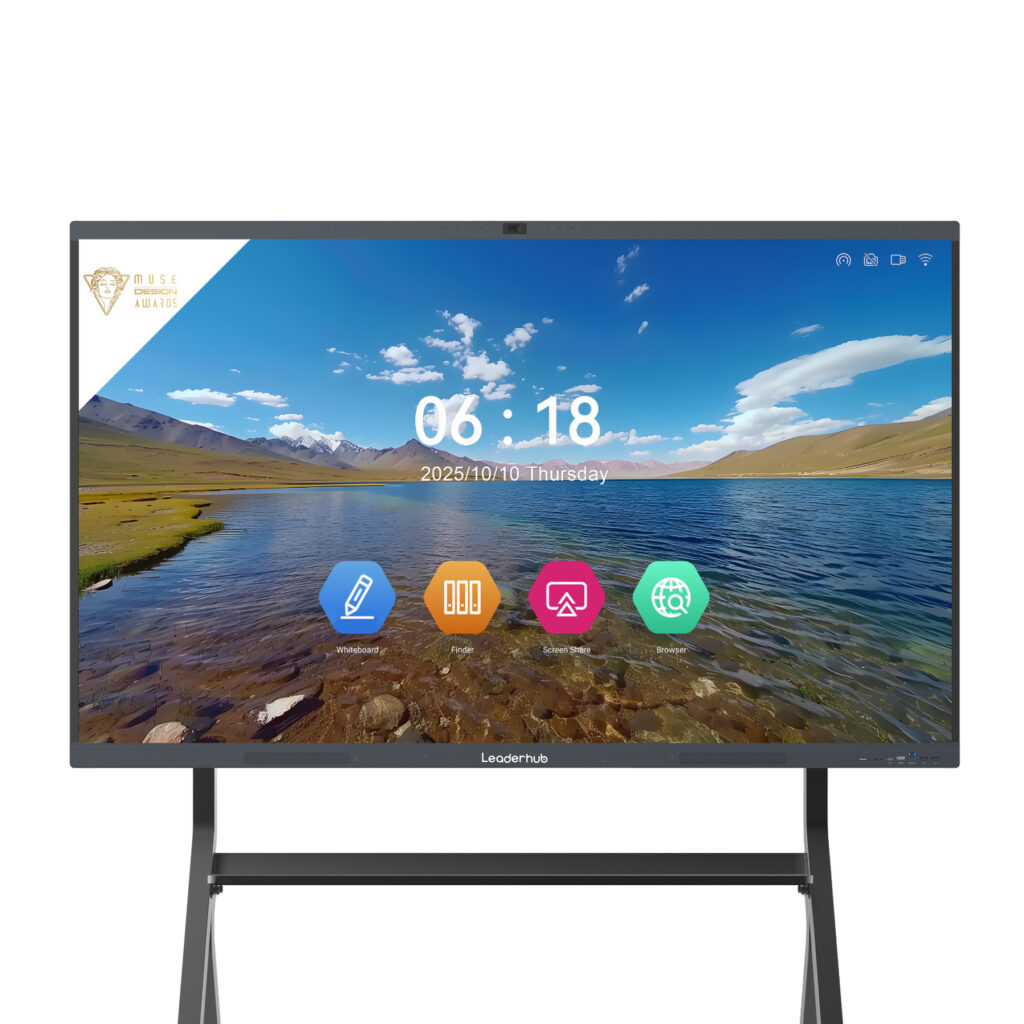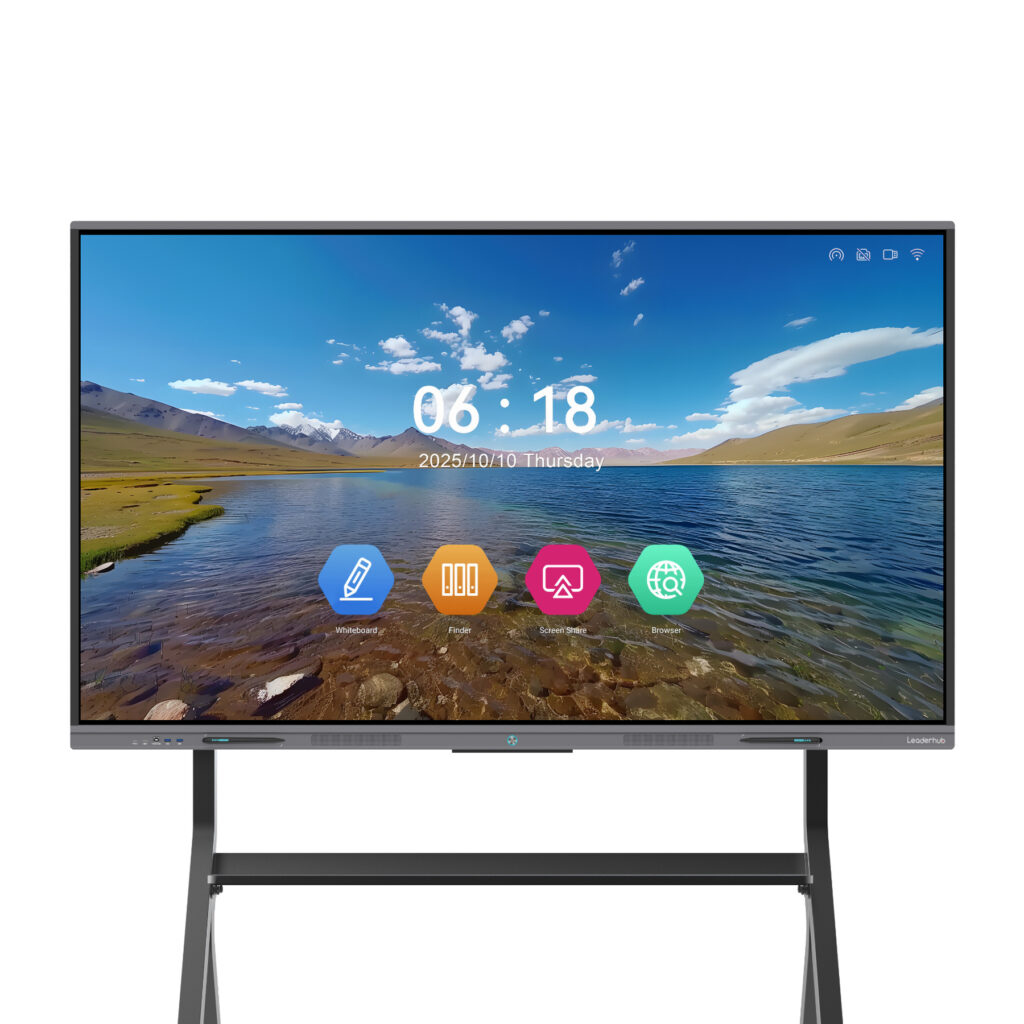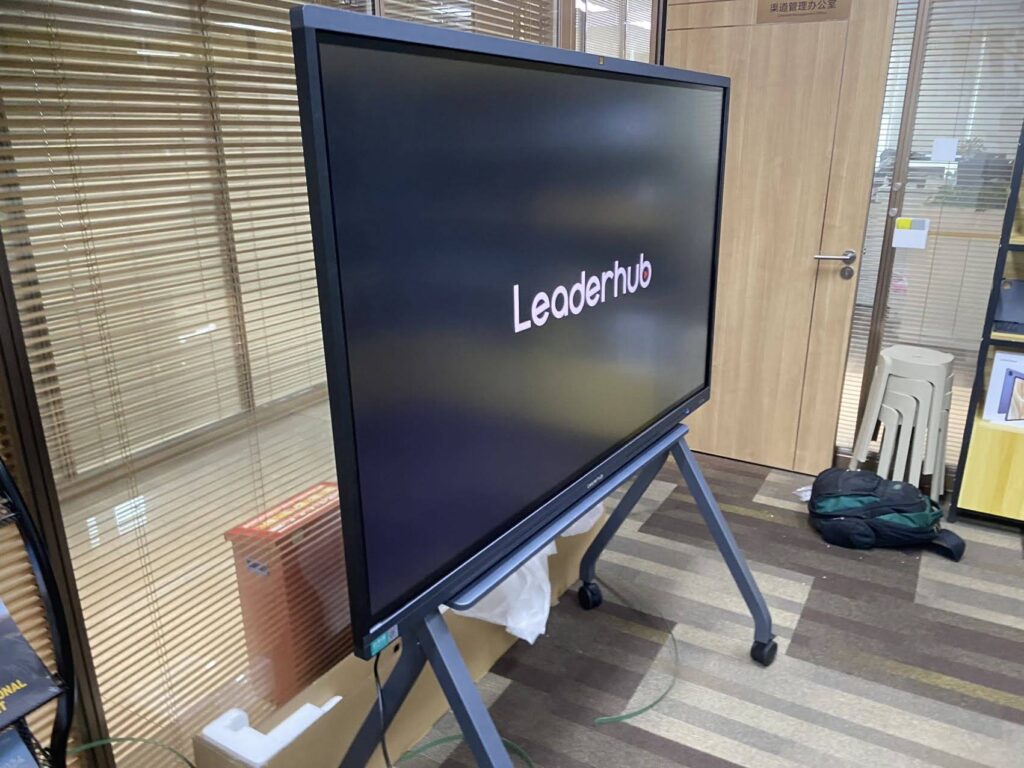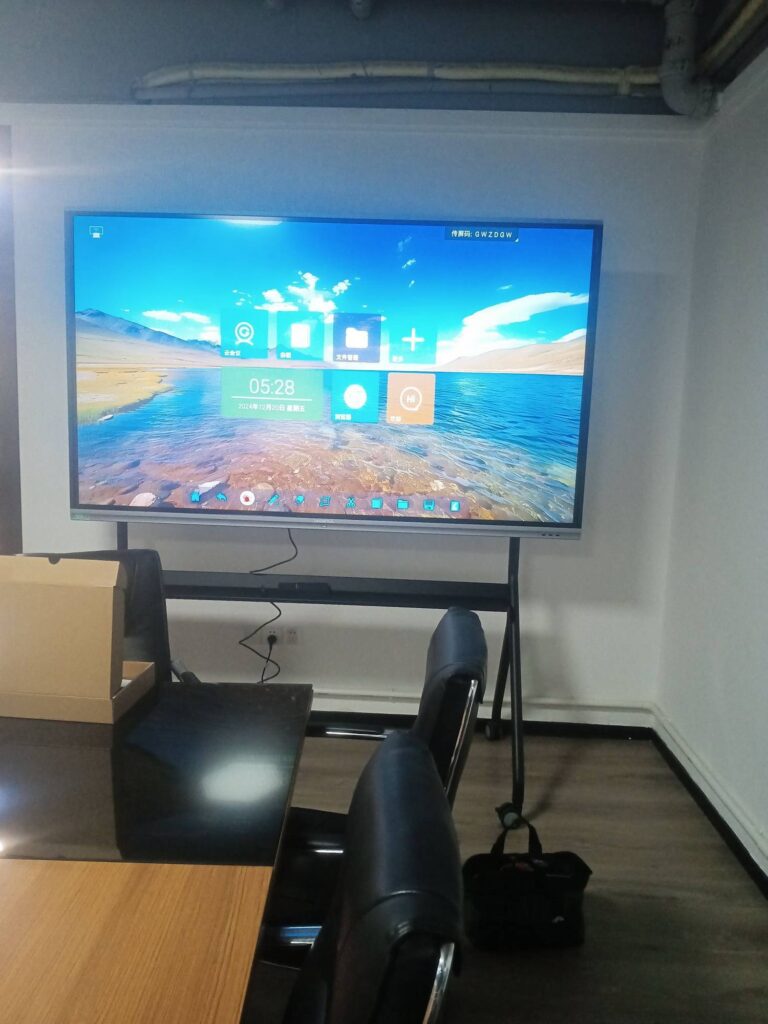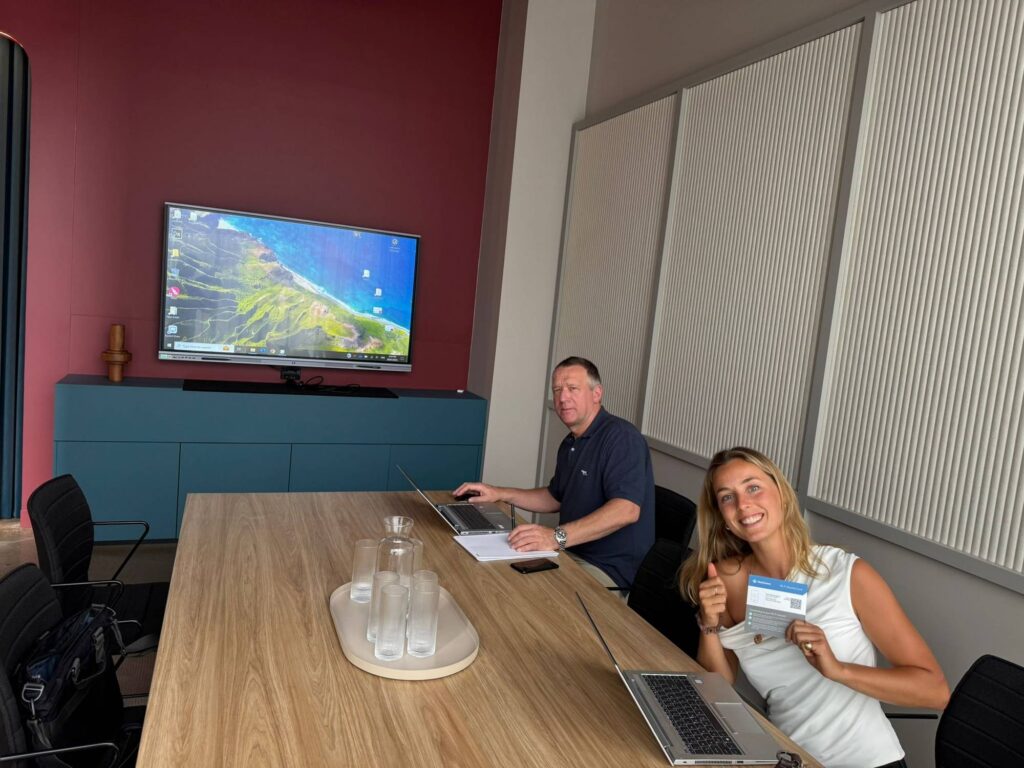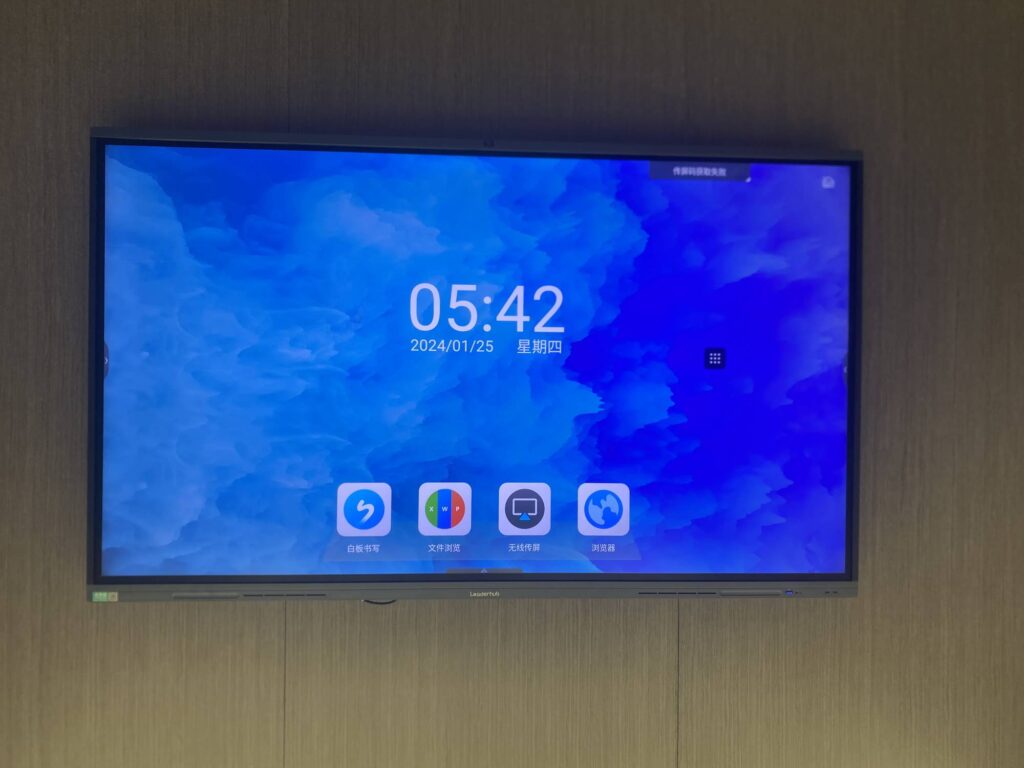
Smart boards have transformed how people teach, present, and collaborate. But as new technologies emerge and workplace patterns shift, many wonder whether these interactive displays are still relevant. The answer is clear: smart boards remain widely used and continue evolving to meet modern needs in both education and business environments.
This article explores the current state of smart board adoption, real-world applications, technological advancements, and why organizations continue investing in these interactive solutions.
The Evolution of Smart Boards: From Projectors to AI-Powered Displays
Smart boards have come a long way since their introduction. Early models relied on projectors and required regular calibration. Today’s interactive flat panels deliver superior image quality, touchscreen precision, and integrated computing power without external projectors.
Modern smart whiteboards incorporate artificial intelligence, cloud connectivity, wireless screen sharing, and cross-platform compatibility. These advancements address limitations of earlier generations while introducing capabilities that align with contemporary teaching methods and collaboration workflows.
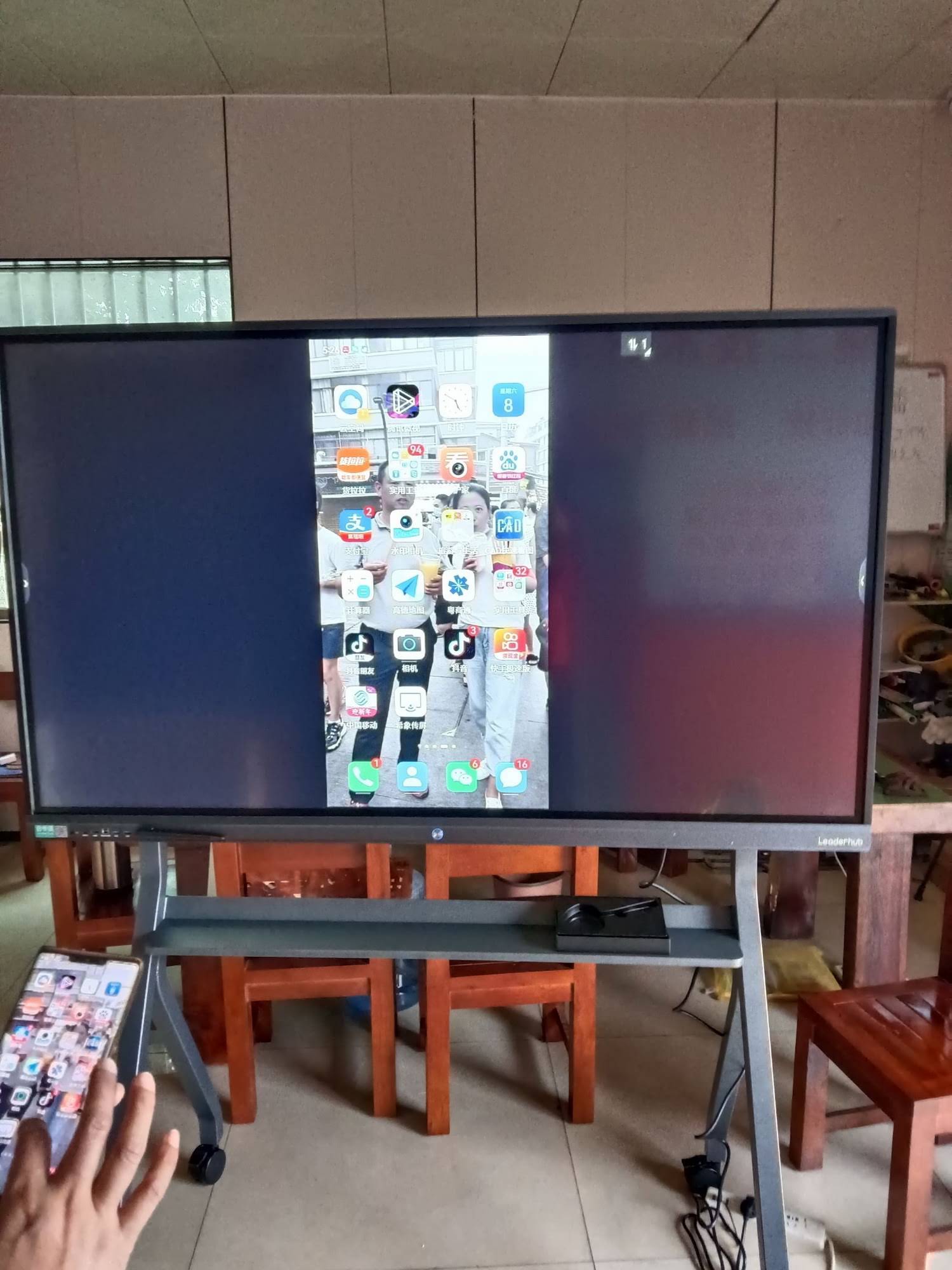
Smart Boards in Education: Still Essential in 2024 and Beyond
According to research from Futuresource Consulting, the global interactive display market for education reached 2.8 million units in 2023, with continued growth projected through 2026. This data confirms that educational institutions are not abandoning smart boards¡ªthey are upgrading to more advanced models.
Why Schools Continue Investing in Smart Boards
Several factors drive ongoing adoption in educational settings:
- Enhanced student engagement: Interactive lessons with multimedia content maintain attention better than traditional lectures
- Support for diverse learning styles: Visual, auditory, and kinesthetic learners all benefit from interactive technology
- Digital resource integration: Teachers can access educational apps, online content, and digital textbooks directly
- Collaboration tools: Students can work together on the screen, fostering teamwork and participation
- Remote learning compatibility: Smart boards enable hybrid classrooms where in-person and remote students interact simultaneously
Real Implementation Examples
A 2023 case study from the London School District showed that classrooms equipped with interactive displays saw a 23% improvement in student participation rates compared to traditional whiteboard classrooms. Teachers reported spending less time on technical setup and more time on actual instruction.
In Singapore, the Ministry of Education’s 2024 EdTech Plan includes provisions for interactive displays in every classroom as part of their digital literacy initiative. Similar programs exist in South Korea, the UAE, and numerous European countries.
Smart Boards in Corporate and Professional Environments
Business adoption of smart boards has accelerated, particularly following the shift to hybrid work models. Meeting rooms equipped with interactive displays facilitate more productive collaboration sessions, whether participants are in-office or remote.

Current Business Applications
| Industry | Primary Use Cases | Key Benefits |
|---|---|---|
| Corporate Offices | Meetings, brainstorming, presentations | Real-time collaboration, annotation, content sharing |
| Healthcare | Medical training, patient consultations, case reviews | Visual explanation, record accuracy, remote consultation |
| Architecture & Design | Blueprint review, 3D modeling, client presentations | Detailed visualization, real-time modifications, client engagement |
| Training Centers | Professional development, certification courses, workshops | Interactive content, participant engagement, assessment tools |
| Retail | Product demonstrations, staff training, customer engagement | Dynamic presentations, inventory visualization, experience enhancement |
Hybrid Work and Smart Board Adoption
A 2024 survey by Gartner found that 68% of organizations using hybrid work models have invested in interactive displays for conference rooms. These devices bridge the gap between in-person and remote participants through features like:
- Built-in video conferencing capabilities with camera tracking
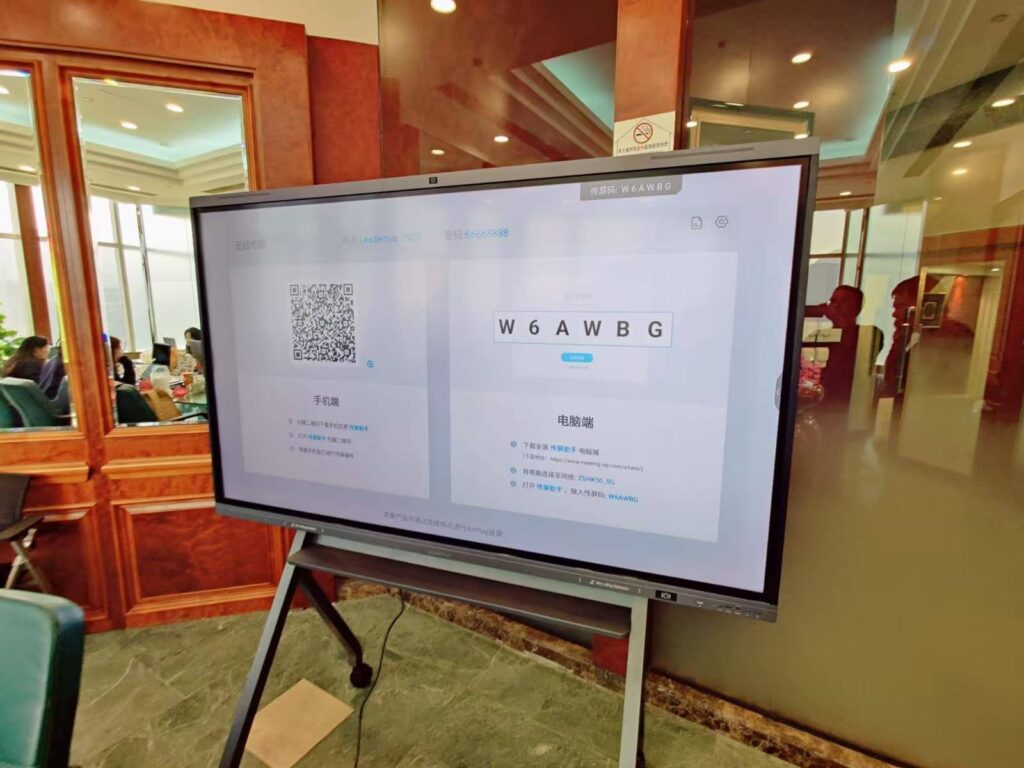
- Wireless screen mirroring from laptops and mobile devices
- Digital whiteboarding that remote participants can access and edit
- Cloud-based content storage for session continuity
- Integration with platforms like Microsoft Teams, Zoom, and Google Workspace
Technology Advancements Driving Continued Adoption
Modern smart boards offer capabilities that were impossible just five years ago. These technological improvements justify continued investment and explain why organizations are upgrading rather than abandoning this technology.
Artificial Intelligence Integration
AI-powered features now common in smart boards include:
- Handwriting recognition: Converts written notes to editable text in real-time
- Smart shape detection: Automatically perfects hand-drawn diagrams and flowcharts
- Voice commands: Hands-free control for presentations and navigation
- Content recommendation: Suggests relevant resources based on session topics
- Automated transcription: Creates text records of discussions and brainstorming sessions
Companies like LeaderHub, which has over 16 years of experience developing interactive display technologies, continue advancing AI integration to make collaboration more intuitive and efficient across their product lines.
Enhanced Connectivity and Compatibility
Today’s smart boards work seamlessly with diverse device ecosystems. Whether users have Windows laptops, MacBooks, iPads, Android tablets, or smartphones, modern interactive flat panels support wireless connectivity and cross-platform collaboration without compatibility issues.
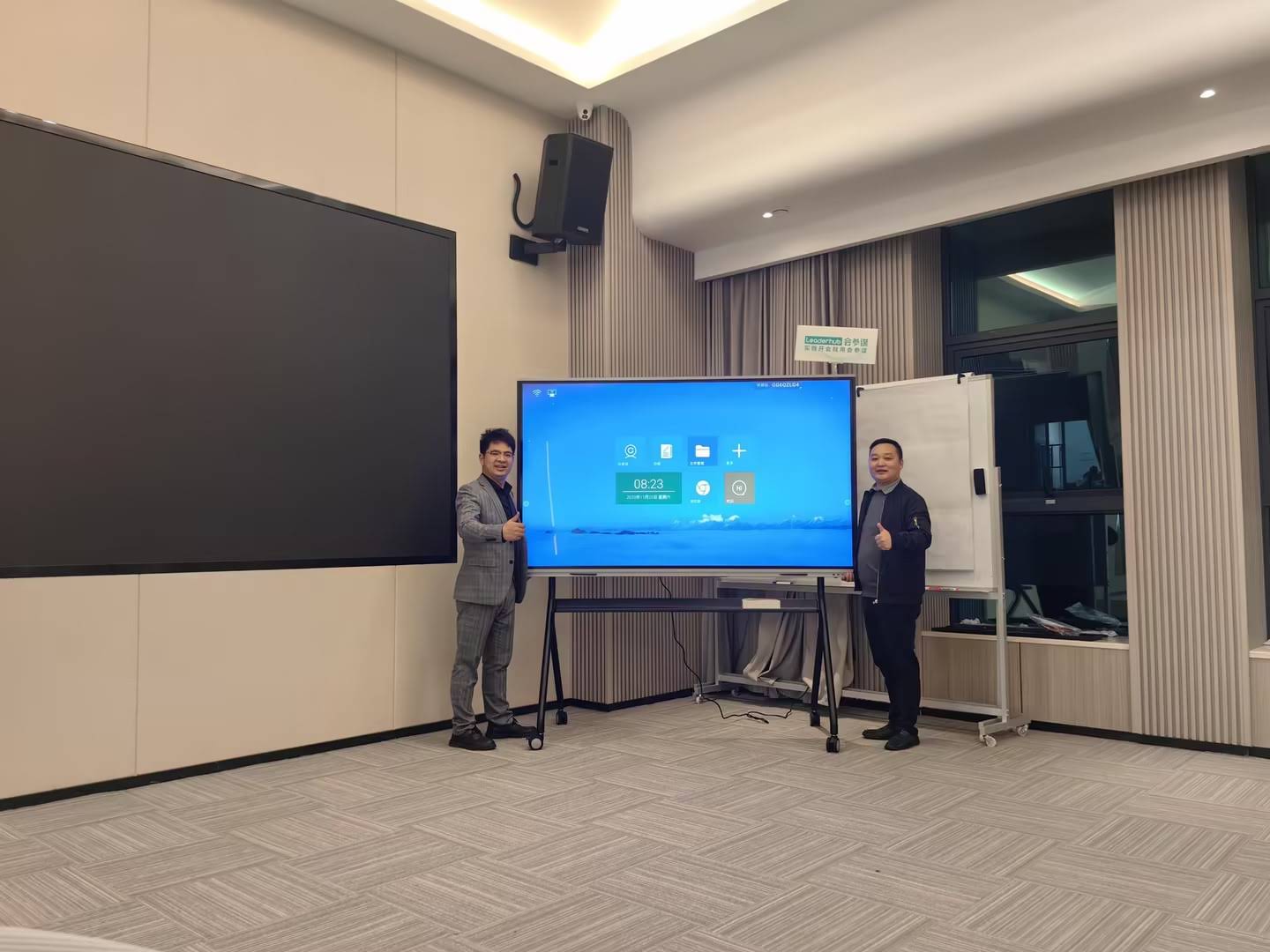
Market Data: Smart Board Adoption Trends
Industry data provides clear evidence that smart boards remain in high demand:
Education Sector
- Global education display market valued at $3.2 billion in 2023 (Market Research Future)
- Expected compound annual growth rate (CAGR) of 7.8% through 2028
- North America and Asia-Pacific represent largest markets, with Europe showing strong growth
- K-12 segment accounts for approximately 60% of education display purchases
Corporate Sector
- Interactive display deployments in meeting rooms increased 34% year-over-year in 2023 (IDC)
- Average enterprise now has interactive displays in 42% of meeting spaces
- ROI studies show 31% reduction in meeting time when using collaborative displays
- 85% of organizations plan to maintain or increase interactive display budgets in 2024
Challenges and How Modern Solutions Address Them
While smart boards remain popular, organizations face real challenges that manufacturers address through continuous innovation:
Cost Considerations
Initial investment concerns are valid, but total cost of ownership analysis reveals long-term value. Modern interactive flat panels eliminate projector lamp replacements (averaging $300-500 annually), reduce calibration maintenance, and offer longer operational lifespans. Additionally, prices have decreased significantly¡ªenterprise-grade 65-inch interactive displays that cost $5,000+ in 2018 now start around $2,500.
Training Requirements
Earlier smart board models required extensive training. Current systems prioritize intuitive interfaces that mirror familiar smartphone and tablet interactions. Most users become proficient within 30 minutes of initial use. Manufacturers also provide comprehensive online resources, video tutorials, and responsive technical support.
Technical Support and Maintenance
Organizations worry about technical issues disrupting operations. Reputable manufacturers address this through:
- Remote diagnostic capabilities that identify issues without on-site visits
- Software updates deployed automatically or with minimal user intervention
- Extended warranty options and dedicated support channels
- Modular component design for easier repairs
Alternatives and Why Smart Boards Still Lead
Several alternatives exist in the collaboration technology space:
| Technology | Strengths | Limitations vs. Smart Boards |
|---|---|---|
| Traditional Whiteboards | Low cost, no technical requirements | No digital capture, limited multimedia, no remote access |
| Projector + Screen | Lower initial cost, large display area | No interactivity, lamp replacement costs, calibration needs, poor visibility in bright rooms |
| Digital Whiteboards (software only) | Works on existing devices, collaborative editing | Requires separate display, less intuitive for presentation, limited physical presence |
| Tablet + External Display | Portable, uses existing devices | Smaller interaction area, requires multiple devices, limited simultaneous users |
Smart boards combine the best aspects of these alternatives while eliminating their limitations. They offer the physical presence and intuitive interaction of traditional whiteboards with the digital capabilities, remote access, and multimedia integration of software solutions.
Regional Adoption Patterns
North America
United States and Canadian schools have achieved near-saturation in urban districts, with focus shifting to rural area deployment and technology refreshes. Corporate adoption accelerated post-pandemic, with 73% of Fortune 500 companies now using interactive displays in primary meeting spaces.
Europe
European adoption emphasizes sustainability and energy efficiency. EU regulations favor LED-based interactive displays over projector systems. The UK, Germany, Netherlands, and Scandinavian countries lead in per-capita deployment. Government education funding increasingly includes interactive technology provisions.
Asia-Pacific
This region shows the highest growth rate. China’s education modernization initiatives target 90% smart classroom coverage by 2025. Singapore, South Korea, and Japan maintain high adoption rates. Emerging markets like India, Indonesia, and Vietnam show rapid growth as infrastructure improves and costs decline.
Middle East and Africa
UAE, Saudi Arabia, and Qatar lead regional adoption through government-funded education transformation programs. African nations show growing interest, particularly in private schools and international institutions, though infrastructure and cost barriers remain for widespread public school deployment.
The Future of Smart Boards: What’s Next
Rather than declining, smart board technology continues advancing with several emerging trends:
Advanced AI Capabilities
Next-generation systems will offer:
- Real-time language translation during international meetings
- Sentiment analysis to gauge audience engagement
- Automated meeting summaries with action item extraction
- Predictive content suggestions based on meeting context
- Intelligent camera framing that follows active speakers
Augmented Reality Integration
AR-enabled smart boards will allow users to visualize 3D models, architectural designs, and complex data visualizations with depth and spatial context. This technology particularly benefits engineering, medical education, and design industries.
Improved Environmental Sustainability
Manufacturers prioritize energy efficiency, recyclable materials, and extended product lifecycles. Modern interactive displays consume 60-70% less power than equivalent projector-based systems while eliminating mercury-containing lamps.
Enhanced Security Features
As corporate security concerns grow, smart boards incorporate encrypted connections, secure boot processes, user authentication, and data protection features that meet enterprise security standards.
Making the Investment Decision: Is a Smart Board Right for You?
Organizations considering smart board adoption should evaluate several factors:
For Educational Institutions
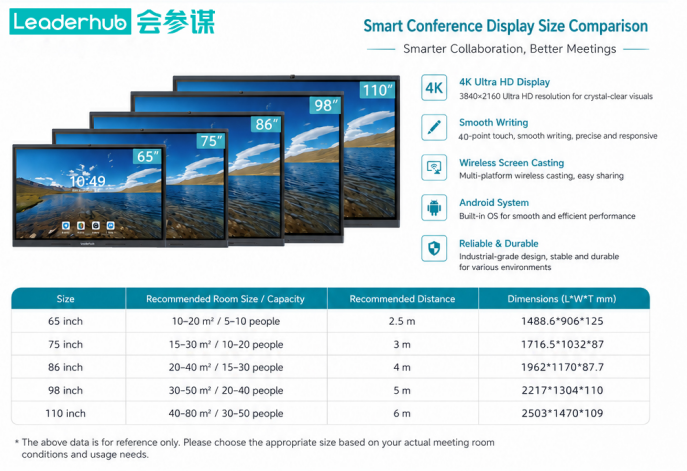
- Class size and room layout: Ensure screen size matches viewing distance and room dimensions
- Existing technology infrastructure: Verify network capacity and device compatibility
- Teacher training resources: Allocate time and budget for effective professional development
- Content availability: Identify educational apps and resources aligned with curriculum
- Long-term support: Choose manufacturers with proven service records and warranty coverage
For Business Organizations
- Meeting room usage patterns: Prioritize spaces with highest utilization
- Collaboration workflows: Ensure features align with how teams actually work
- Remote work integration: Verify compatibility with video conferencing platforms
- IT management requirements: Consider device management, security, and update processes
- Scalability: Choose solutions that can expand as needs grow
Selecting the Right Smart Board: Key Specifications
When evaluating options, consider these technical specifications:
Display Quality
Look for 4K resolution (3840¡Á2160) for clarity at various viewing distances. Brightness should exceed 350 nits for well-lit rooms. Anti-glare coatings reduce reflections and eye strain.
Touch Technology
Modern systems support 20+ simultaneous touch points, enabling true multi-user collaboration. Response time under 10ms ensures smooth writing and drawing experiences.
Computing Power
Built-in computing eliminates external PC requirements. Minimum specifications should include quad-core processors, 8GB RAM, and 128GB storage for smooth operation of interactive applications.
Connectivity Options
Essential ports include HDMI inputs, USB-C with video/power delivery, Ethernet, and multiple USB-A ports. Wireless capabilities should support screen mirroring protocols like Miracast, AirPlay, and Chromecast.
Software Ecosystem
Evaluate bundled software for whiteboarding, screen annotation, wireless presentation, and file management. Cloud integration enables content access across devices and locations.
Conclusion: Smart Boards Remain Essential Collaboration Tools
The evidence overwhelmingly confirms that smart boards are not only still used¡ªthey are more relevant than ever. Market growth, technological advancement, and expanding applications across education and business sectors demonstrate sustained and increasing demand.
Organizations continue investing in interactive displays because they deliver measurable benefits: improved engagement, enhanced collaboration, support for hybrid work, and integration with modern digital workflows. Rather than becoming obsolete, smart boards have evolved to address contemporary needs while maintaining the intuitive, interactive experience that made them valuable initially.
Whether you are an educator seeking to engage students more effectively, a business leader optimizing collaboration, or a training professional enhancing learning outcomes, today’s smart boards offer capabilities that justify investment and deliver long-term value.
The question is not whether smart boards are still used, but rather which solution best fits your specific requirements. As technology continues advancing and AI capabilities expand, interactive displays will remain central to how we teach, collaborate, and communicate in both physical and hybrid environments.