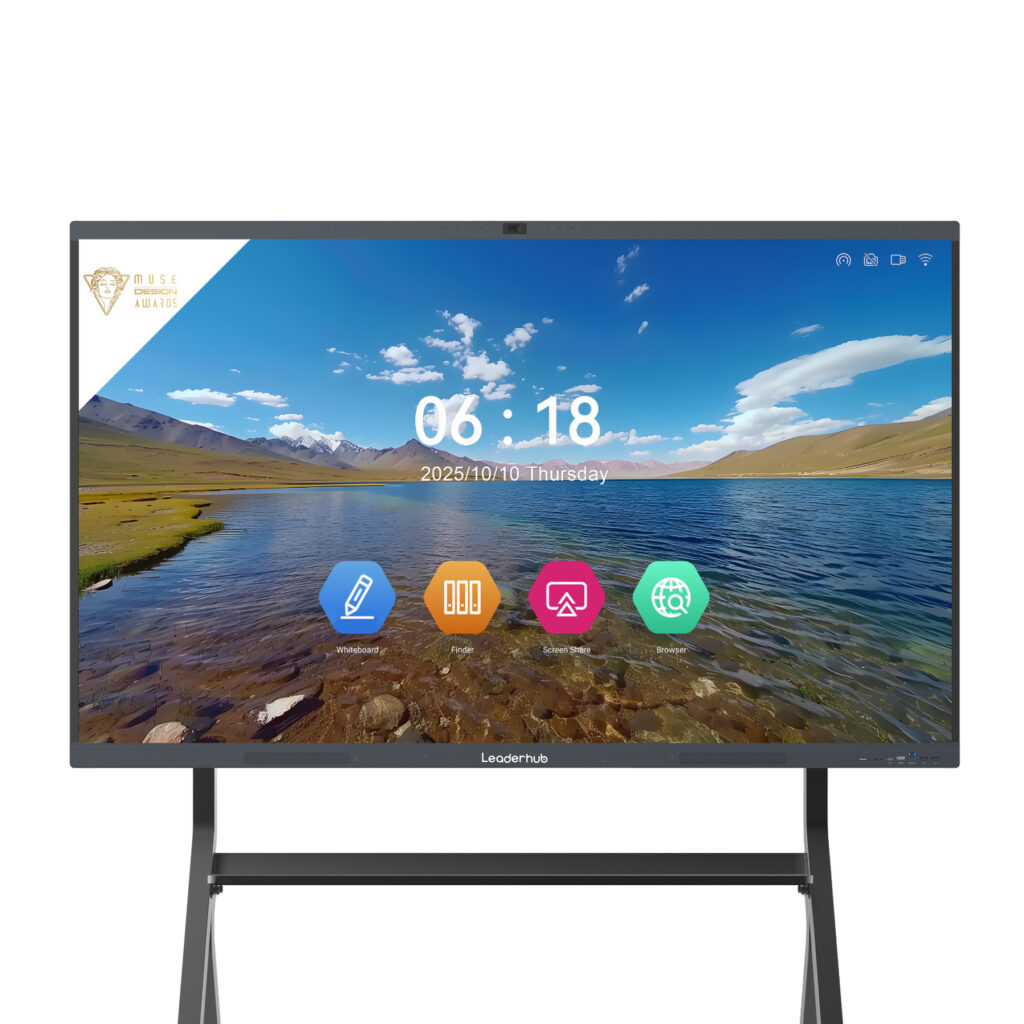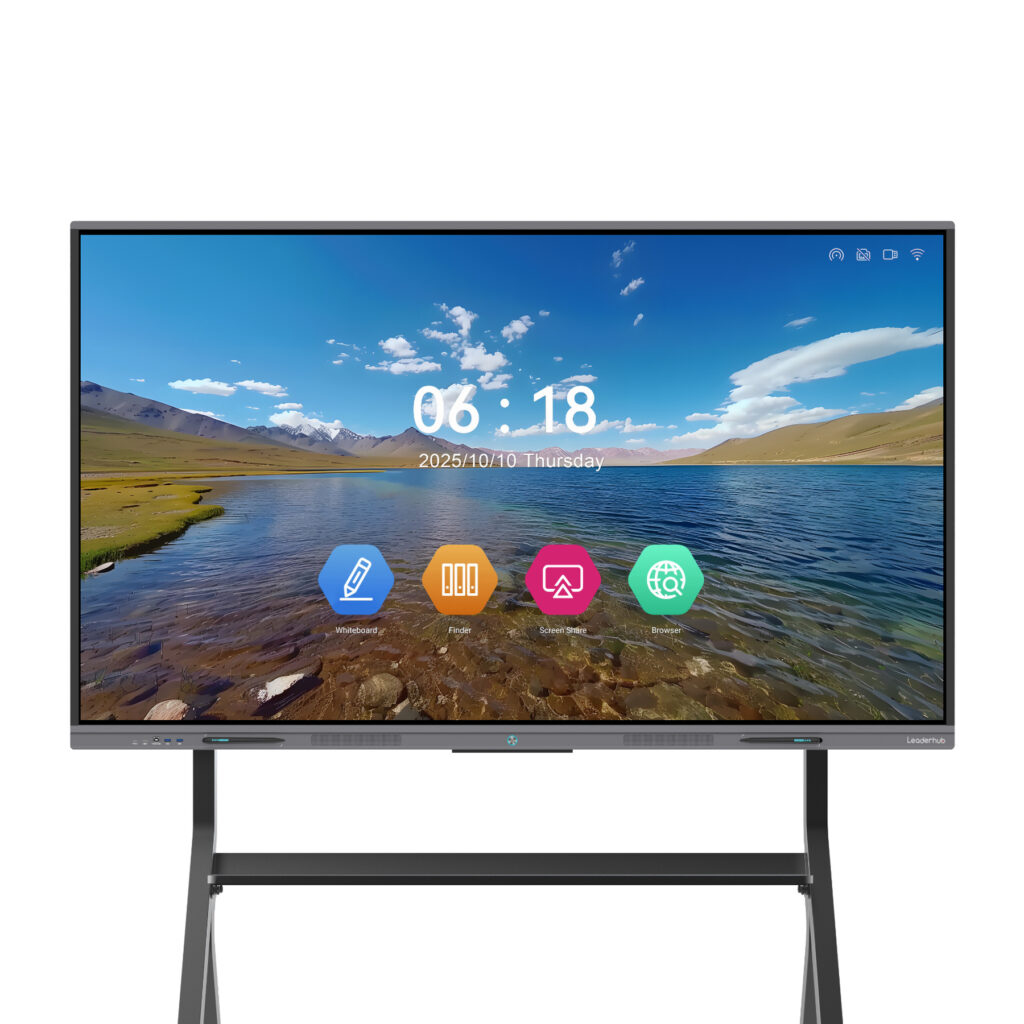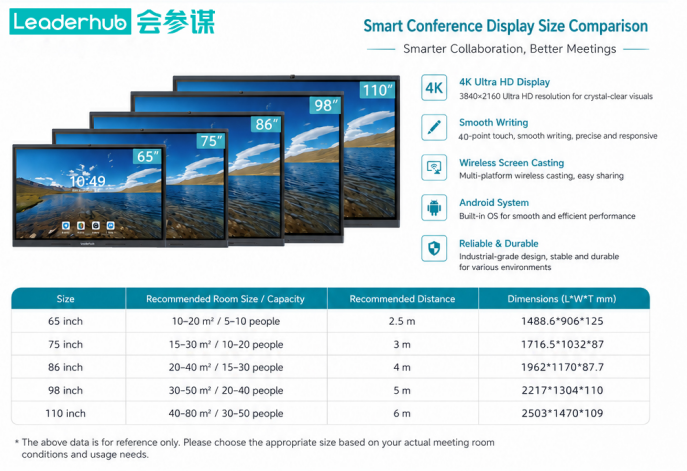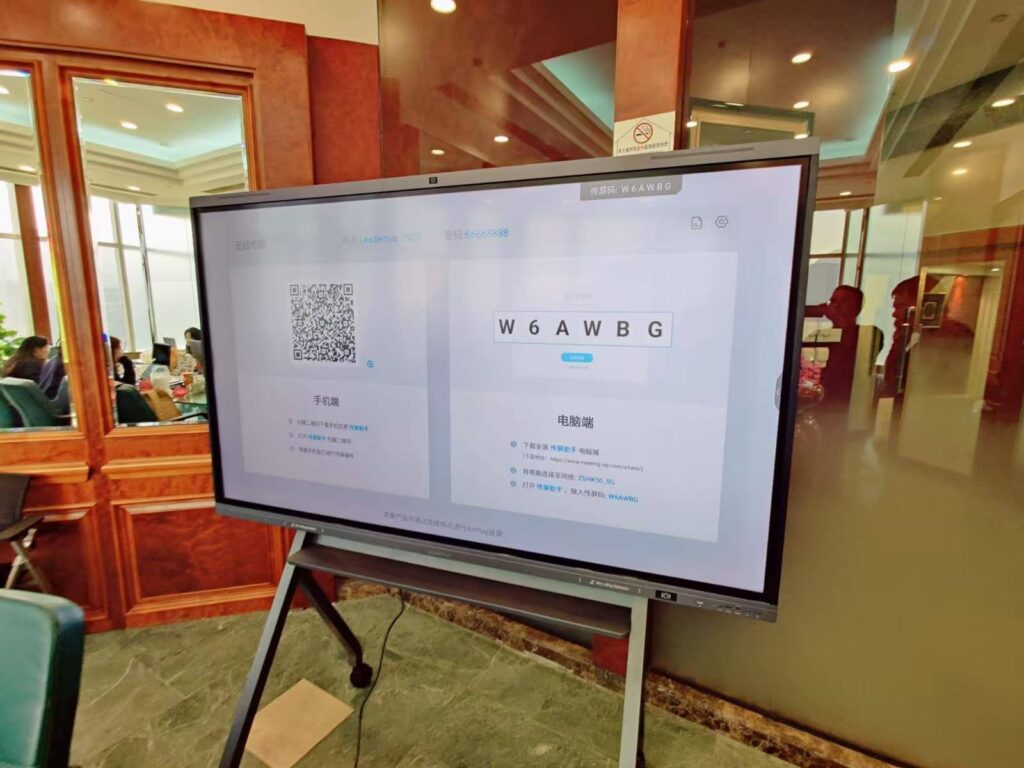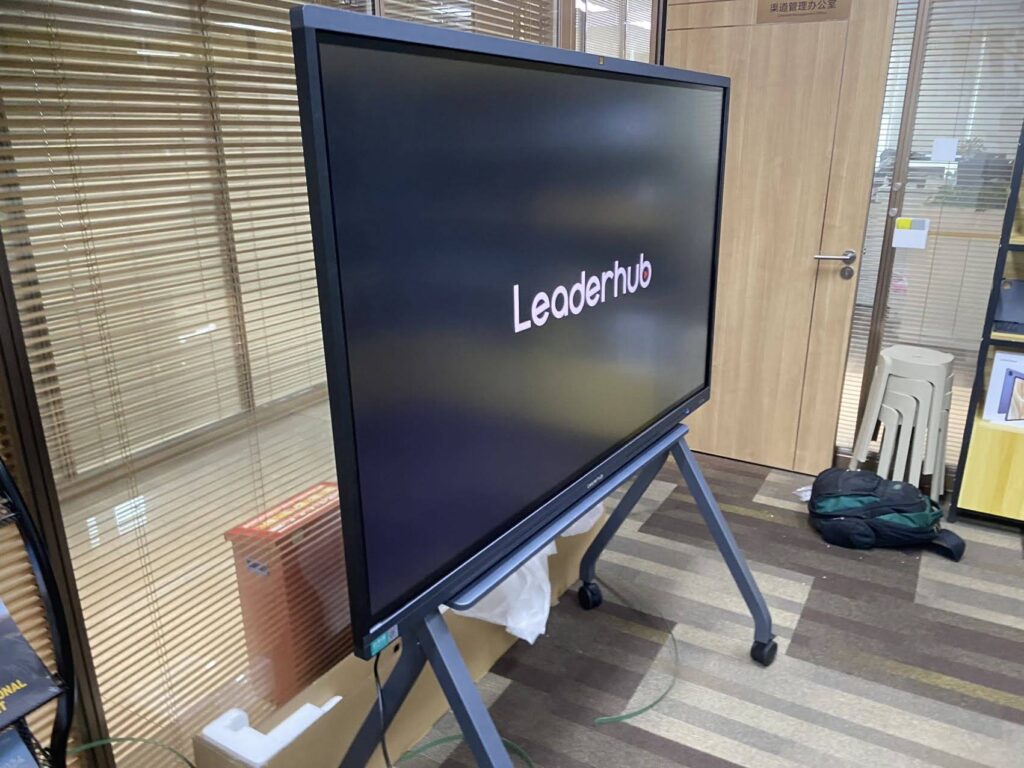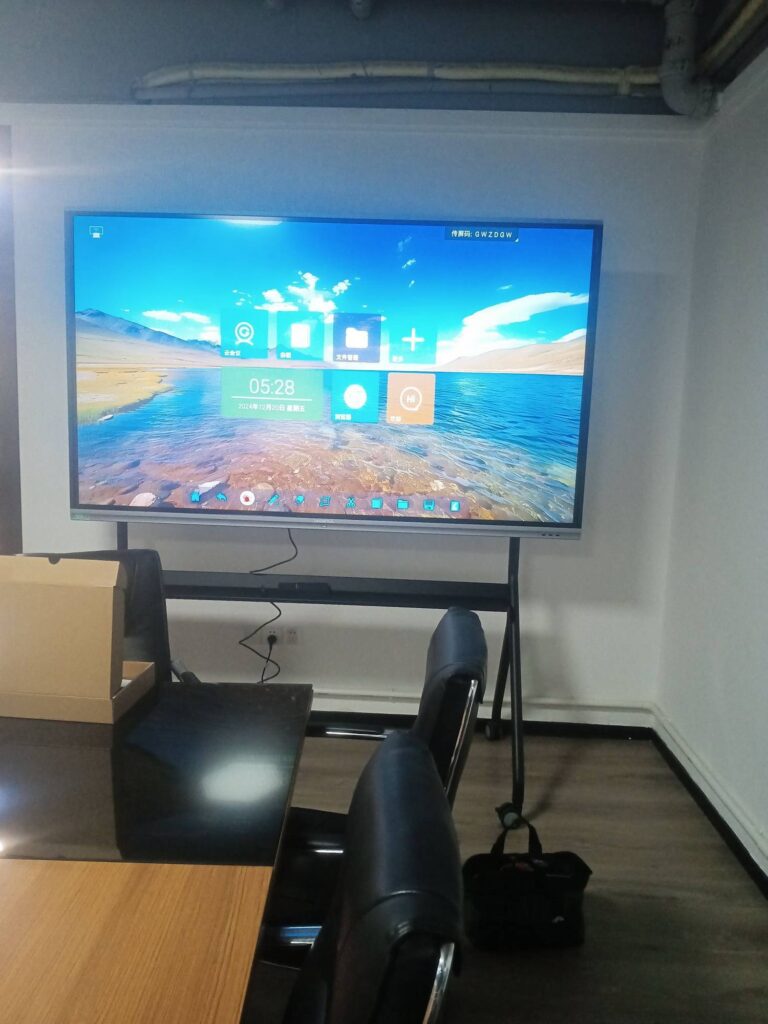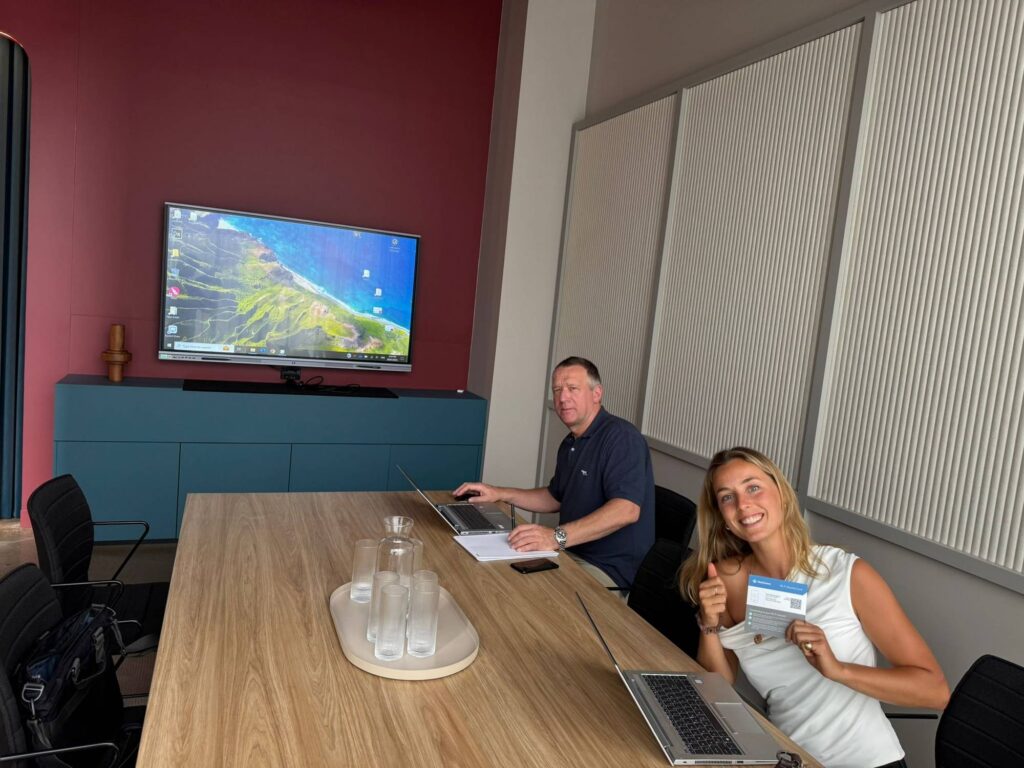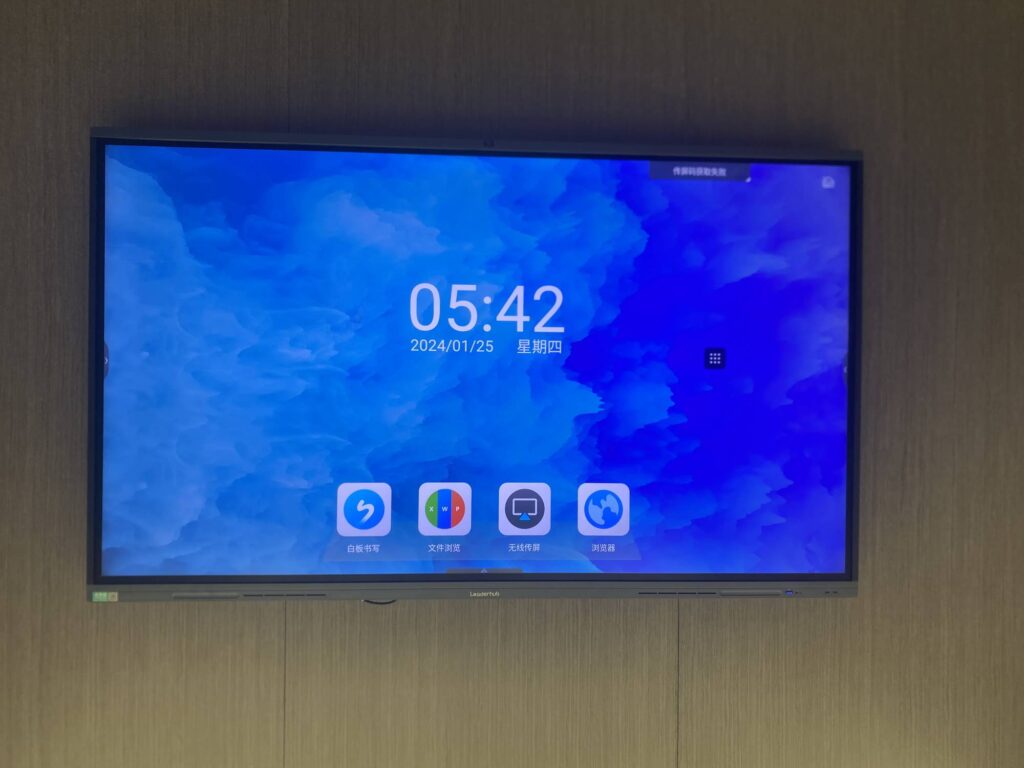
The integration of technology in education has fundamentally transformed how teachers deliver lessons and how students engage with learning materials. Among the most significant innovations in classroom technology, smart boards stand out as devices that bridged the gap between traditional teaching methods and digital learning environments. Understanding when smart boards first appeared in schools and how they revolutionized education provides valuable insight into the ongoing digital transformation of classrooms worldwide.
The Early History of Interactive Whiteboard Technology
Smart boards, more formally known as interactive whiteboards, emerged from research and development efforts in the late 1980s and early 1990s. The technology was initially developed for business presentations and collaborative workspaces before finding its true calling in educational settings.
The first interactive whiteboard system was invented in 1991 by SMART Technologies, a Canadian company founded by David Martin and Nancy Knowlton. Their product, called the SMART Board, became synonymous with interactive whiteboard technology¡ªmuch like how “Kleenex” became shorthand for facial tissue. This pioneering device used resistive touch technology, allowing users to control computer applications by touching the board surface directly.

While the technology was invented in 1991, widespread adoption in schools didn’t occur immediately. The initial price point¡ªoften exceeding $3,000 per unit¡ªmade smart boards a significant investment that only well-funded schools could afford. Throughout the 1990s, smart boards remained relatively rare in classrooms, typically appearing in technology-forward private schools or well-funded public school districts.
The Timeline of Smart Board Adoption in Schools
The journey from invention to widespread classroom adoption followed a predictable technology adoption curve:
| Time Period | Adoption Phase | Key Characteristics |
|---|---|---|
| 1991-1999 | Early Adoption | Limited to pioneering schools and universities; high cost; minimal software support |
| 2000-2004 | Growing Interest | Government initiatives in UK and Australia; declining prices; improved software |
| 2005-2010 | Rapid Expansion | Widespread adoption in developed countries; integration with curriculum; teacher training programs |
| 2011-2015 | Maturity | Standard equipment in many schools; competition from tablets and mobile devices |
| 2016-Present | Evolution | AI integration; cloud connectivity; hybrid learning support; companies like LeaderHub advancing interactive display technology |
The UK’s Pioneering Role
The United Kingdom played a crucial role in popularizing smart boards in education. Between 2003 and 2007, the UK government invested heavily in educational technology, installing interactive whiteboards in approximately 70% of secondary schools and 85% of primary schools. This massive government-backed initiative provided the first large-scale evidence of how smart boards could transform classroom instruction.
North American Adoption Patterns
In the United States and Canada, adoption followed a more gradual pattern driven by individual school district budgets rather than centralized government programs. By 2008, approximately 20% of American classrooms had interactive whiteboards. This number climbed to over 50% by 2015, with significant regional variations based on funding availability and educational priorities.
How Smart Boards Changed Classroom Dynamics
The introduction of smart boards fundamentally altered several aspects of classroom instruction and learning:
Enhanced Visual Learning and Engagement
Smart boards transformed static lessons into dynamic, interactive experiences. Teachers could now:
- Display multimedia content including videos, animations, and interactive simulations
- Manipulate objects on screen in real-time, demonstrating concepts like geometric transformations or chemical reactions
- Access unlimited digital resources instantly, rather than relying solely on printed textbooks
- Annotate over any digital content, combining traditional teaching methods with modern technology
- Save lessons for students who were absent or needed additional review
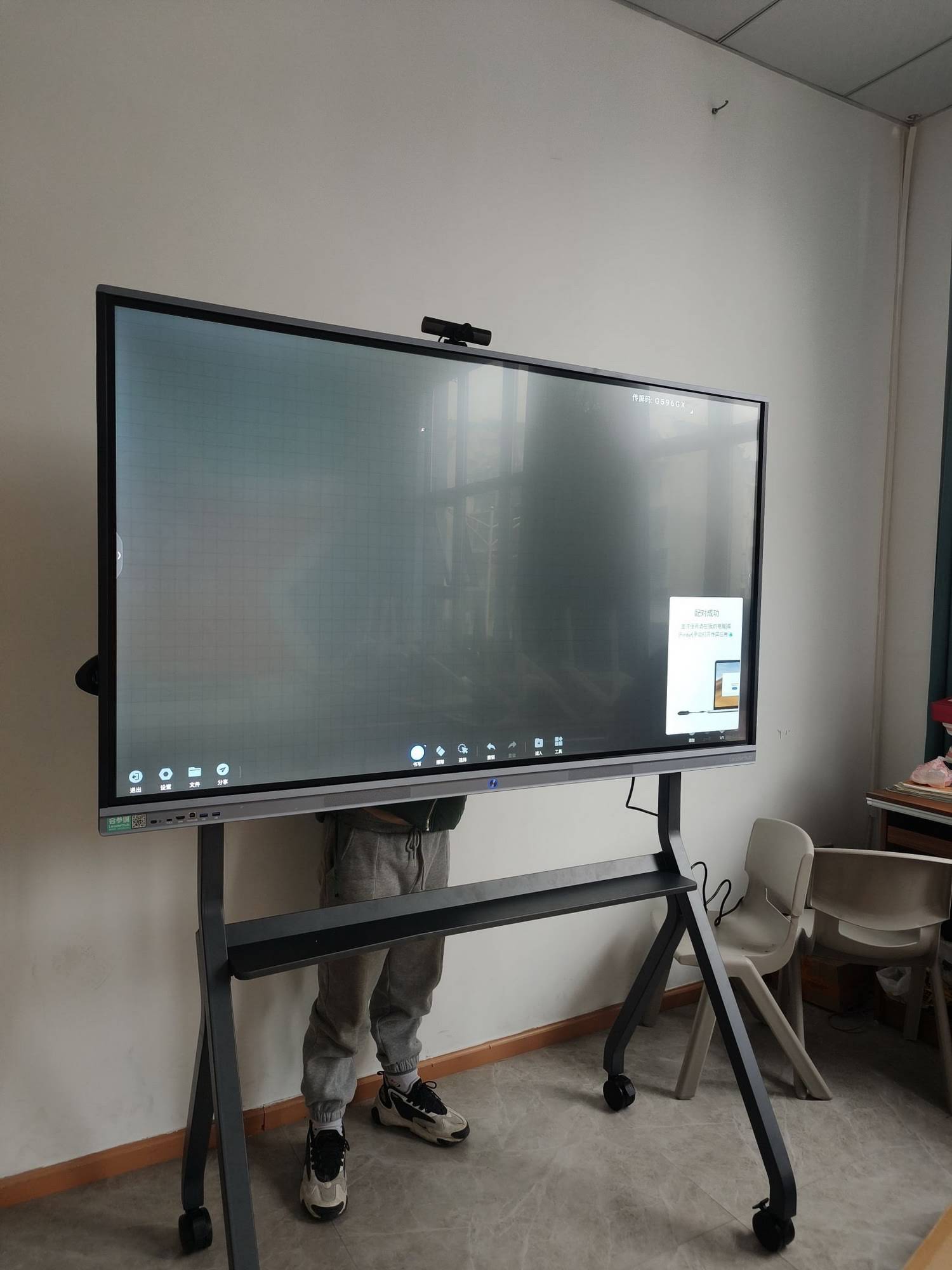
Research conducted by the University of London’s Institute of Education found that smart boards increased student motivation and attention spans, particularly among younger learners who responded positively to the visual and tactile elements of interactive technology.
Facilitating Collaborative Learning
Interactive whiteboards naturally encouraged collaborative problem-solving. Multiple students could interact with the board simultaneously, working together on complex problems or creative projects. This collaborative approach aligned with educational research emphasizing the importance of peer learning and social construction of knowledge.
Accommodating Different Learning Styles
The versatility of smart whiteboards allowed teachers to address various learning preferences within a single lesson:
- Visual learners benefited from diagrams, videos, and color-coded information
- Kinesthetic learners engaged through touching and manipulating on-screen objects
- Auditory learners accessed embedded audio content and recorded explanations
- Reading/writing learners could see text appear dynamically and participate in digital note-taking
Supporting Students with Special Needs
Smart boards proved particularly valuable for students with disabilities or special learning needs. Features like adjustable text size, text-to-speech capabilities, high-contrast displays, and the ability to replay lessons provided crucial accessibility accommodations that traditional blackboards or whiteboards couldn’t offer.
Challenges and Criticisms in Early Implementation
Despite their transformative potential, smart boards faced several implementation challenges during their initial classroom rollout:
The Teacher Training Gap
Many schools invested in smart board hardware without adequately preparing teachers to use it effectively. Studies from the early 2000s revealed that up to 40% of installed smart boards were underutilized because teachers lacked training or confidence in using the technology. Effective implementation required not just the physical device, but comprehensive professional development programs.
Technical Reliability Issues
Early smart boards sometimes suffered from calibration problems, requiring frequent technical adjustments that disrupted lessons. Projector bulbs burned out regularly, and software compatibility issues created frustration for teachers attempting to integrate the technology into their lesson plans.
The “Expensive Chalkboard” Problem
Critics noted that some teachers simply used smart boards as glorified projection screens or digital chalkboards, failing to leverage their interactive capabilities. This phenomenon highlighted the distinction between technology adoption and technology integration¡ªhaving the tool didn’t automatically transform teaching practices.
Cost Considerations and Equity Concerns
The high cost of smart boards created significant equity issues. Wealthier schools could afford multiple units, ensuring every classroom had access, while underfunded schools might have one or two boards for the entire building. This technology gap potentially widened educational disparities between affluent and disadvantaged communities.
The Evolution of Smart Board Technology
Smart board technology has evolved significantly since the original 1991 model, adapting to changing educational needs and technological capabilities:
From Resistive to Capacitive Touch
Early smart boards used resistive touch technology, requiring physical pressure to register input. Modern interactive displays increasingly use capacitive touchscreens¡ªthe same technology found in smartphones and tablets¡ªproviding more responsive and precise interaction.
Resolution and Display Quality Improvements
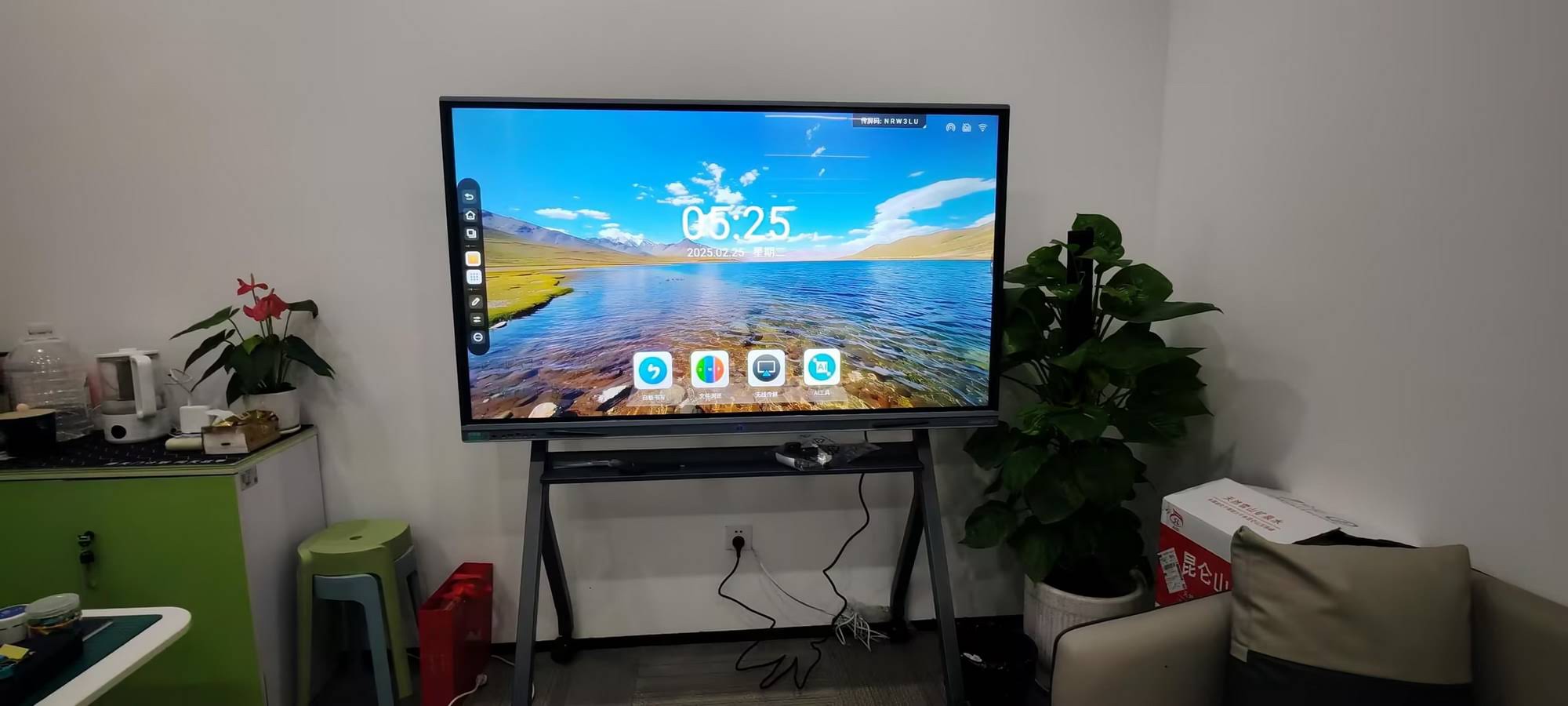
The transition from projector-based systems to integrated flat panel displays dramatically improved visual quality. Contemporary interactive flat panels offer 4K resolution, anti-glare surfaces, and superior color accuracy, eliminating the dimly-lit classroom problem that plagued early smart board implementations.
Software Ecosystem Development
The accompanying software has evolved from basic annotation tools to comprehensive educational platforms featuring:
- Subject-specific content libraries aligned with curriculum standards
- Cloud-based lesson creation and sharing capabilities
- Integration with learning management systems and student devices
- Assessment tools for formative evaluation and immediate feedback
- Screen recording and lesson capture for flipped classroom approaches
AI Integration and Smart Features
Recent innovations incorporate artificial intelligence to enhance teaching and learning. Modern systems from companies like LeaderHub¡ªwith over 16 years of experience developing interactive display technologies¡ªnow include AI-powered features such as handwriting recognition that converts written text to typed text, intelligent content suggestions based on lesson context, automatic language translation for multilingual classrooms, and voice control for hands-free operation.
The Impact of Smart Boards on Educational Outcomes
Research on smart boards’ impact on student achievement has yielded mixed but generally positive results:
Positive Findings
A meta-analysis of 107 studies published in the British Journal of Educational Technology found that interactive whiteboards had a small but statistically significant positive effect on student achievement, with the largest gains in mathematics and science subjects. The technology proved most effective when teachers received adequate training and used the boards for interactive activities rather than simple content display.
Contextual Factors Matter More Than Technology Alone
Educational researchers emphasize that smart boards are tools whose effectiveness depends entirely on how they’re used. The most successful implementations share common characteristics:
- Regular use integrated into daily instruction, not occasional special activities
- Focus on student interaction with the technology, not just teacher demonstration
- Alignment with specific learning objectives and pedagogical strategies
- Ongoing teacher professional development and peer collaboration
- Technical support systems ensuring minimal downtime
Smart Boards in the Modern Classroom Ecosystem
Today’s educational technology landscape has become more complex, with smart boards existing alongside tablets, laptops, virtual reality systems, and learning management platforms. Rather than being replaced, smart boards have evolved into central hubs that integrate with these other technologies.
Hybrid and Remote Learning Applications
The COVID-19 pandemic accelerated the evolution of smart board technology to support hybrid learning models. Modern interactive displays can:
- Stream lessons to remote students with high-quality video and audio
- Display and interact with content from students’ devices regardless of their physical location
- Record lessons automatically for asynchronous access
- Support simultaneous collaboration between in-person and remote participants
Integration with Student Devices
Contemporary smart boards seamlessly connect with student tablets and laptops, enabling two-way interaction. Students can share their work on the main display, participate in polls and quizzes, and collaborate on shared digital workspaces¡ªcreating a more distributed, democratic classroom environment compared to the teacher-centric model that sometimes characterized early smart board use.
Global Adoption Patterns and Regional Variations
Smart board adoption has varied significantly across different regions, reflecting diverse educational priorities, funding models, and technological infrastructure:
Europe’s Early Leadership
Beyond the UK’s pioneering efforts, countries like the Netherlands, Sweden, and Denmark achieved high penetration rates by the mid-2010s, often exceeding 80% of classrooms equipped with interactive displays. These implementations typically emphasized pedagogical training alongside hardware deployment.
Asia-Pacific Region’s Rapid Expansion
Countries including South Korea, Singapore, and China invested heavily in classroom technology infrastructure. China’s market has grown particularly rapidly, with domestic manufacturers producing cost-effective interactive displays that accelerated adoption in both urban and rural schools. This expansion created opportunities for companies serving the region, contributing to the growth of manufacturers distributing products to over 82 countries worldwide.
Developing Nations’ Unique Challenges
In developing countries, smart board adoption faces obstacles including limited electrical infrastructure, inconsistent internet connectivity, and competing educational priorities. Some regions have found success with more basic interactive technologies or hybrid solutions that combine digital and traditional teaching methods.
The Future of Interactive Classroom Technology
As we look ahead, several trends are shaping the next generation of interactive classroom displays:
Artificial Intelligence Integration
AI-powered features are transforming smart boards from passive display tools into active teaching assistants. Emerging capabilities include adaptive content that adjusts to student comprehension levels, real-time language translation enabling multilingual instruction, automated accessibility accommodations for diverse learners, and predictive analytics identifying students who may need additional support.
Enhanced Collaboration Features
Next-generation interactive displays emphasize collaborative capabilities that break down barriers between physical and digital spaces. Students can contribute from any device, work can be saved to cloud platforms for continued collaboration outside class time, and AI can facilitate group organization and task distribution.
Sustainability and Total Cost of Ownership
Modern interactive flat panels consume significantly less energy than older projector-based systems, have longer lifespans with reduced maintenance requirements, and increasingly incorporate recycled materials and sustainable manufacturing practices¡ªaddressing both environmental concerns and the total cost of ownership that schools must consider.
Touch-Free and Gesture-Based Interaction
Some manufacturers are exploring camera-based gesture recognition systems that allow interaction without physical contact, potentially useful in scenarios where hygiene is a concern or where multiple simultaneous users need to interact with large display surfaces.
Lessons Learned from Three Decades of Smart Board Use
The journey from the first interactive whiteboard in 1991 to today’s sophisticated AI-powered displays offers important lessons for educational technology implementation:
- Technology alone doesn’t transform education. The most successful smart board implementations invested as much in teacher development as in hardware.
- Reliability matters as much as features. Teachers need technology they can depend on every day, not cutting-edge features that fail frequently.
- Equity considerations are essential. Technology investments should be accompanied by strategies ensuring all students benefit, not just those in well-funded schools.
- Integration beats isolation. Smart boards work best as part of a comprehensive educational technology ecosystem, not as standalone solutions.
- Student interaction is key. The technology’s value lies in enabling student engagement and participation, not simply modernizing teacher presentations.
Conclusion
Smart boards were first introduced in 1991, but their meaningful integration into classrooms occurred gradually over the following two decades. From the initial expensive units in pioneering schools to today’s widespread adoption of sophisticated interactive displays, these technologies have fundamentally changed how teachers teach and students learn.
The transformation has not been without challenges¡ªteacher training gaps, technical reliability issues, and equity concerns have accompanied the technology’s evolution. However, when implemented thoughtfully with adequate support and training, smart boards have demonstrated the ability to increase student engagement, accommodate diverse learning styles, facilitate collaboration, and provide accessibility features that benefit all learners.
As we move forward, interactive display technology continues to evolve. With AI-powered features, cloud connectivity, and enhanced collaboration capabilities, modern smart boards bear little resemblance to their 1991 ancestors¡ªyet they serve the same fundamental purpose: helping teachers communicate more effectively and students learn more efficiently. The story of smart boards in education demonstrates both the promise and the complexity of integrating technology into teaching, offering valuable lessons as schools continue their digital transformation journey.