
How Much Does an Interactive Smart Whiteboard Cost?
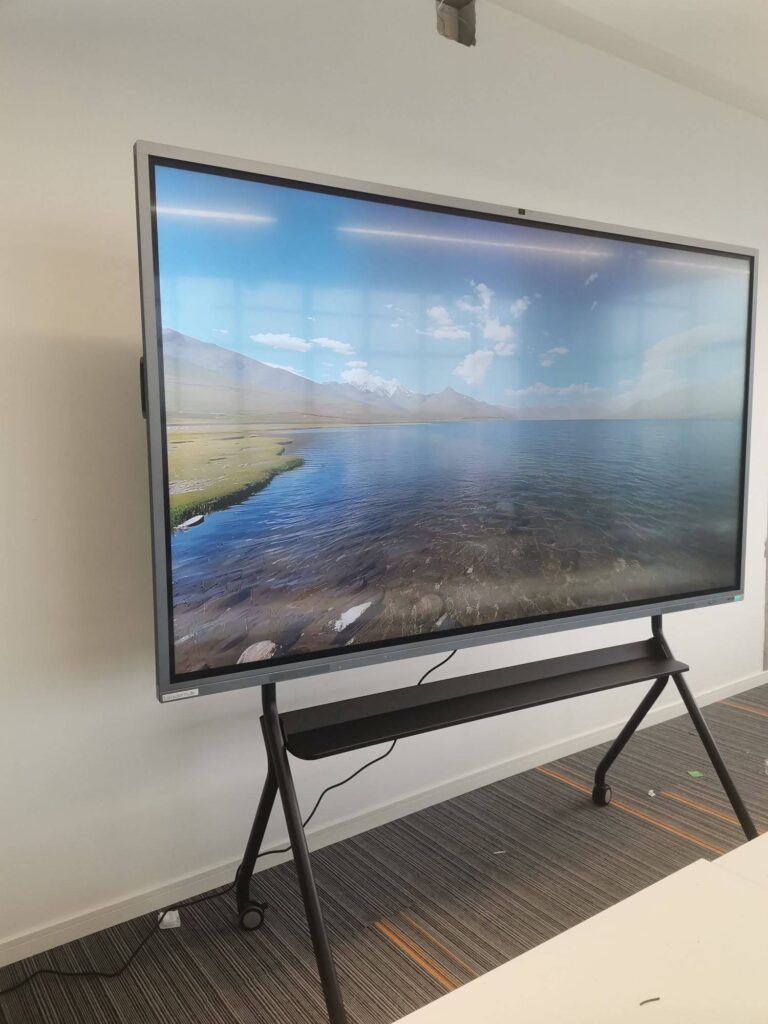
When organizations decide to upgrade their meeting rooms or classrooms with modern collaboration technology, one of the first questions they ask is: how much does an interactive smart whiteboard actually cost? The answer isn’t straightforward because pricing depends on multiple factors including screen size, technology specifications, brand positioning, and additional features.
Based on current market data from 2025-2026, interactive smart whiteboards typically range from $800 to $8,000 or more, depending on configuration and intended use. Understanding what drives these price differences helps buyers make informed decisions that balance budget constraints with functional requirements.
Understanding Interactive Smart Whiteboard Price Ranges
The interactive display market has matured significantly over the past decade, creating distinct price segments that serve different user needs and organizational budgets.
Entry-Level Models ($800-$1,500)
Entry-level interactive flat panels typically feature 55-65 inch displays with basic touch capabilities and standard resolution. These models work well for small meeting rooms, home offices, or organizations testing interactive technology before committing to larger deployments. While they lack advanced features like 4K resolution or sophisticated software ecosystems, they provide essential whiteboarding and screen sharing functionality at accessible price points.
Mid-Range Professional Models ($1,500-$4,000)
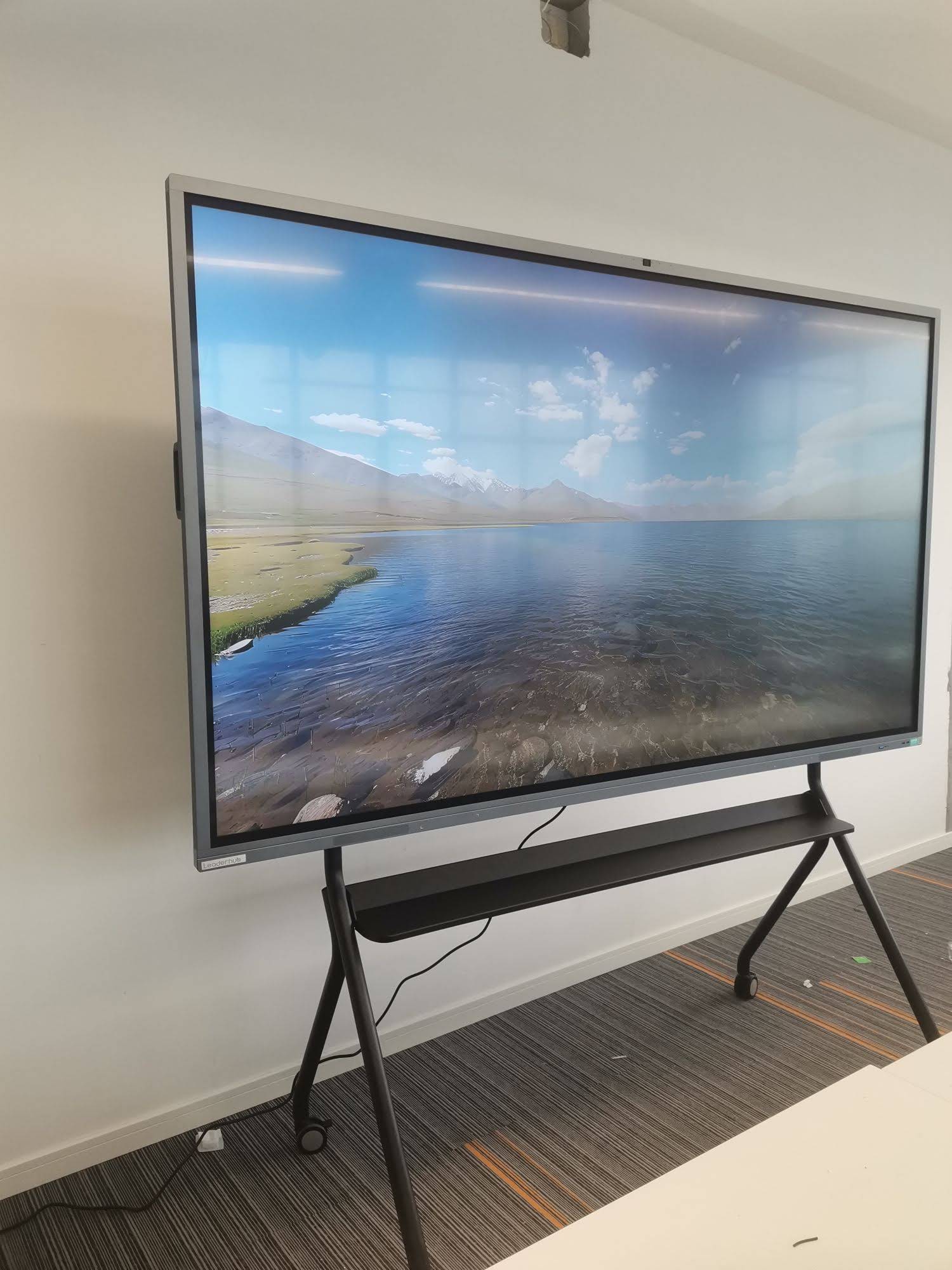
This segment represents the sweet spot for most educational institutions and corporate environments. Mid-range models typically offer 65-75 inch 4K displays, multi-touch capabilities supporting 10-20 simultaneous touch points, built-in computing modules, and comprehensive software packages. These systems include features like wireless screen mirroring, cloud integration, and compatibility with popular collaboration platforms.
Professional models in this range deliver reliable performance for daily classroom instruction or regular business meetings without the premium pricing of flagship products. They often include manufacturer warranties, technical support, and software updates that protect the investment over 5-7 year deployment cycles.
Premium Enterprise Solutions ($4,000-$8,000+)
Premium interactive displays serve high-stakes environments like executive boardrooms, university lecture halls, design studios, and advanced training facilities. These systems feature 75-98 inch displays with exceptional 4K or even 8K resolution, advanced touch technology with sub-millisecond response times, powerful built-in computing, and comprehensive software suites.
Premium models often include AI-powered features like automatic handwriting recognition, intelligent meeting assistance, advanced annotation tools, and seamless integration with enterprise collaboration ecosystems. The higher investment reflects superior build quality, extended warranties, dedicated support channels, and features designed for intensive daily use.
Key Factors That Influence Interactive Whiteboard Pricing
Several technical and commercial factors create the wide price variation across interactive smart whiteboard models. Understanding these elements helps buyers identify which features justify higher costs for their specific use cases.
| Factor | Impact on Price | Typical Cost Difference |
|---|---|---|
| Screen Size | Larger displays require more materials and advanced manufacturing | +$500-$1,500 per size increment |
| Display Resolution | 4K and 8K panels cost significantly more than Full HD | +$300-$1,000 |
| Touch Technology | Infrared vs capacitive touch, number of touch points | +$200-$800 |
| Built-in Computing | Integrated PC module vs external computer requirement | +$400-$1,200 |
| Software Ecosystem | Proprietary collaboration software, AI features, cloud services | +$300-$1,500 |
| Brand Positioning | Premium brands command higher prices for reputation and support | +20-40% premium |
Display Size and Resolution
Screen size remains the most visible pricing factor. A 55-inch display suitable for small huddle rooms costs substantially less than an 86-inch model designed for large conference rooms or lecture halls. Similarly, 4K resolution has become the professional standard, offering sharp text clarity and detailed image reproduction that justifies the price premium over older Full HD panels.
Touch Technology and Responsiveness
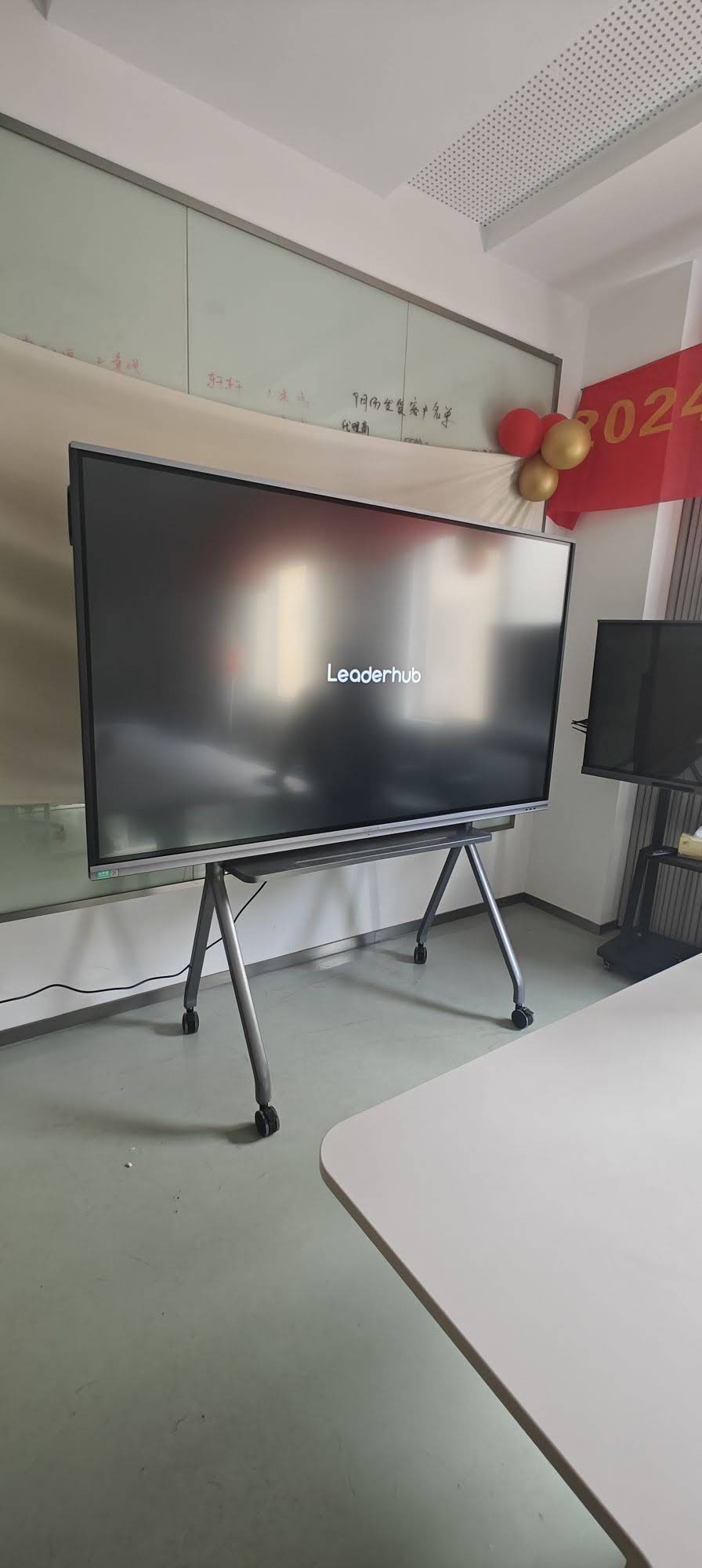
Touch technology significantly affects both user experience and cost. Modern interactive displays use infrared or capacitive touch systems that support multiple simultaneous touch points. Professional models supporting 20+ touch points enable true collaborative interaction where multiple users can write, gesture, and manipulate content simultaneously without lag or interference.
Touch responsiveness measured in milliseconds determines how natural the writing experience feels. Premium models achieve response times under 10ms, creating the smooth, pen-on-paper feel that educators and presenters prefer for extended use.
Integrated Computing vs External Connections
Interactive whiteboards with built-in computing modules¡ªessentially Android or Windows PCs integrated into the display¡ªcommand higher prices but offer significant deployment advantages. These all-in-one systems eliminate cable clutter, simplify installation, reduce IT support requirements, and enable instant-on functionality.
Models requiring external computers cost less initially but may incur additional expenses for separate hardware, mounting solutions, and more complex setup procedures. For organizations deploying multiple units, integrated solutions often prove more cost-effective over the complete lifecycle.
Hidden Costs Beyond the Purchase Price
The display unit represents only part of the total cost of ownership. Smart buyers factor in additional expenses that affect budget planning and long-term value.
Installation and Mounting
Professional installation typically costs $200-$800 depending on mounting complexity, wall type, cable management requirements, and whether electrical work is needed. Mobile stands offer flexibility but add $300-$1,200 to the initial investment. Organizations deploying multiple units should negotiate installation packages with vendors or authorized installers.
Accessories and Peripherals
Essential accessories extend functionality but increase total project costs:
- Stylus pens and erasers: $30-$150 per set
- Wall mounts or mobile stands: $300-$1,200
- External cameras and microphones: $150-$600 for video conferencing
- Document cameras: $200-$800 for capturing physical materials
- Wireless presentation systems: $200-$500 for seamless screen sharing
Software Licensing and Subscriptions
While many manufacturers include basic collaboration software, advanced features often require subscription licenses. Enterprise collaboration platforms, cloud storage, advanced annotation tools, and AI-powered features may cost $100-$500 annually per display. Organizations should clarify which software features are included permanently versus those requiring ongoing subscriptions.
Warranty Extensions and Support Plans
Standard warranties typically cover 1-3 years. Extended warranties costing $200-$800 provide protection for 5-7 years, covering parts, labor, and sometimes on-site service. For mission-critical deployments, extended warranties and support plans deliver peace of mind and predictable budgeting.
Brand Comparison and Value Positioning
The interactive display market includes global technology giants, specialized education technology companies, and emerging manufacturers offering competitive alternatives.
Premium International Brands
Established brands like Samsung, SMART Technologies, Promethean, and ViewSonic command premium pricing based on brand reputation, extensive dealer networks, comprehensive support infrastructures, and mature software ecosystems. These manufacturers typically target large enterprises, prestigious educational institutions, and organizations prioritizing vendor stability over price optimization.
Value-Focused Manufacturers
Companies like LeaderHub, with over 16 years of interactive display expertise and products deployed in 82+ countries, offer professional-grade technology at more accessible price points. These manufacturers focus on delivering reliable hardware, practical software features, and responsive support without the premium brand markup.
LeaderHub’s approach exemplifies how value-focused brands compete: professional engineering, strict quality control, comprehensive software, and global technical support at prices typically 20-40% below premium competitors. This positioning particularly appeals to budget-conscious schools, mid-sized businesses, and organizations deploying multiple units where cost efficiency matters.
Regional and Emerging Brands
Regional manufacturers and newer market entrants often offer the lowest initial prices, sometimes 30-50% below established brands. However, buyers should carefully evaluate long-term support availability, software update commitments, spare parts availability, and warranty service quality before prioritizing lowest upfront cost.
Cost Differences by Use Case and Industry
Different industries and applications drive specific feature requirements that affect appropriate pricing tiers and total ownership costs.
Education Sector Pricing
Schools and universities typically deploy 65-75 inch displays with education-specific software for $1,800-$3,500 per classroom. Educational pricing often includes volume discounts, extended payment terms, and bundled professional development. The education segment prioritizes durability, ease of use, curriculum integration, and total cost of ownership over cutting-edge features.
Many manufacturers offer educational institutions special pricing programs, multi-year warranties, and training packages that reduce implementation risk. Smart schools evaluate total program costs including installation, teacher training, technical support, and software subscriptions rather than focusing solely on hardware pricing.
Corporate Meeting Rooms
Business environments typically invest $2,500-$5,000 for conference room displays with video conferencing integration, wireless presentation, and cloud collaboration features. Corporate buyers prioritize reliability, professional aesthetics, seamless IT integration, and support responsiveness over price optimization.
Executive boardrooms and client-facing spaces often justify premium models with superior image quality, advanced touch technology, and refined industrial design that reflects corporate brand standards.
Training and Professional Development
Training centers and professional development facilities need displays supporting intensive daily use, flexible content delivery, and remote learning capabilities. These environments typically invest $2,000-$4,500 in robust systems with comprehensive software, strong wireless capabilities, and excellent warranty coverage.
Healthcare and Specialized Applications
Medical facilities, design studios, and technical training environments may require specialized features like medical-grade certifications, color accuracy specifications, or anti-glare treatments that increase costs. Specialized applications often justify $3,500-$7,000+ investments when standard commercial models cannot meet specific requirements.
Geographic and Market Variations
Interactive whiteboard pricing varies significantly across global markets based on local economic conditions, import duties, distribution costs, and competitive dynamics.
North American Market
The United States and Canada represent mature markets with established distribution networks, extensive competition, and relatively stable pricing. Direct manufacturer sales, authorized dealer networks, and value-added resellers create multiple purchasing channels with varying price points and service levels.
European Market
European pricing typically runs 10-20% higher than North American equivalents due to VAT, import duties, and regulatory compliance costs. However, strong education technology initiatives and corporate digital transformation programs drive healthy demand and competitive offerings.
Asian and Emerging Markets
Markets in Asia, Latin America, Africa, and the Middle East show the widest price variations. Local manufacturing in countries like China, India, and South Korea creates highly competitive pricing for domestic buyers, while import-dependent markets face higher costs from shipping, duties, and limited service networks.
Currency and Economic Factors
Currency fluctuations, inflation rates, and local economic conditions significantly impact pricing stability. Organizations planning multi-year deployments should consider currency hedging strategies or negotiate fixed pricing agreements with vendors to protect against price volatility.
Negotiation Strategies and Cost Optimization
Savvy buyers employ various strategies to maximize value and reduce effective costs when procuring interactive display technology.
Volume Purchasing and Multi-Year Agreements
Organizations deploying multiple units achieve 15-30% discounts through volume commitments. Multi-year purchasing agreements provide price stability and preferred service terms while helping manufacturers forecast demand and allocate resources efficiently.
Educational and Non-Profit Pricing
Most manufacturers offer special pricing programs for educational institutions, non-profit organizations, and government agencies. These programs typically provide 20-40% discounts off commercial pricing plus favorable payment terms and extended warranties.
End-of-Quarter and Promotional Timing
Technology vendors face quarterly sales targets and inventory management pressures that create negotiation opportunities. Buyers with flexible timelines can often negotiate better pricing during the final weeks of fiscal quarters when sales teams work to meet targets.
Bundling and Package Deals
Vendors frequently offer package pricing combining displays, accessories, installation, training, and extended warranties at attractive total prices. These bundles simplify procurement while delivering cost savings compared to purchasing components separately.
Refurbished and Previous Generation Models
Manufacturer-refurbished units and previous-generation models offer 30-50% savings with limited warranty coverage. These options suit budget-constrained organizations, pilot programs, or lower-priority spaces where latest features are not essential.
Return on Investment and Value Assessment
Smart organizations evaluate interactive whiteboard investments through total value delivered rather than purchase price alone. Proper ROI analysis considers both quantifiable benefits and qualitative improvements.
Productivity and Collaboration Benefits
Interactive displays reduce meeting times, improve information retention, enable remote collaboration, and streamline content sharing. Studies indicate organizations achieve 15-25% productivity improvements in collaborative work when properly implementing interactive display technology.
Space Utilization and Flexibility
Modern interactive displays replace multiple legacy devices including projectors, whiteboards, flip charts, and video conferencing systems. This consolidation simplifies room design, reduces maintenance requirements, and improves space utilization¡ªparticularly valuable in high-cost real estate markets.
Educational Outcomes
Educational research demonstrates interactive displays improve student engagement, accommodate diverse learning styles, and support contemporary pedagogy focused on active learning and collaboration. While difficult to quantify precisely, improved educational outcomes justify technology investments for forward-thinking institutions.
Technology Lifecycle and Depreciation
Quality interactive displays typically deliver 5-7 years of productive service before requiring replacement. Organizations should calculate annual cost by dividing total investment by expected service life. A $3,000 display serving reliably for six years costs $500 annually¡ªoften less than maintaining legacy projection systems.
Future-Proofing and Technology Trends
The interactive display market continues evolving rapidly. Organizations should consider emerging trends when making current purchasing decisions to maximize investment longevity.
AI-Powered Collaboration Features
Artificial intelligence is transforming interactive displays through automatic handwriting recognition, intelligent meeting summarization, real-time translation, and adaptive content suggestions. Current mid-range and premium models increasingly include these capabilities, with broader adoption across all price tiers expected over the next 2-3 years.
Cloud Integration and Remote Capabilities
Hybrid work and distance learning have made cloud integration and remote collaboration essential features rather than premium options. Modern displays seamlessly connect with platforms like Microsoft Teams, Zoom, Google Workspace, and specialized education technology ecosystems.
Sustainability and Energy Efficiency
Environmental considerations increasingly influence purchasing decisions. Modern LED displays consume significantly less energy than legacy projection systems, and manufacturers emphasize sustainable materials, extended product lifecycles, and responsible end-of-life recycling programs.
Modularity and Upgradeability
Some manufacturers now offer modular computing modules that can be upgraded independently from the display panel, extending total system life and protecting technology investments as computing requirements evolve.
Making the Right Investment Decision
Selecting the right interactive smart whiteboard at the appropriate price point requires balancing immediate budget constraints with long-term value considerations.
Assessment Questions for Buyers
Organizations should answer these key questions before committing to specific models:
- What is our primary use case and what features are truly essential?
- How many simultaneous users will typically interact with the display?
- What is our expected deployment scale and timeline?
- Do we need built-in computing or will we provide external computers?
- What existing technology infrastructure must the display integrate with?
- What level of IT support and user training can we provide?
- What is our total budget including accessories, installation, and support?
- How important is vendor reputation versus price optimization?
Trial and Evaluation Programs
Many manufacturers and dealers offer evaluation programs allowing organizations to test displays in actual working environments before committing to large-scale purchases. These programs reduce decision risk and help buyers confirm which features deliver practical value versus theoretical benefits.
Reference Checks and User Feedback
Speaking with current users in similar industries and applications provides invaluable insights into real-world performance, reliability, support responsiveness, and total cost of ownership that marketing materials cannot convey.
Conclusion: Balancing Cost and Value
Interactive smart whiteboard pricing reflects a mature market offering options for virtually every budget and application. While entry-level models start around $800, most professional deployments invest $2,000-$4,000 for displays that deliver reliable performance, comprehensive features, and acceptable total cost of ownership.
The key to successful procurement is matching technology specifications to actual use requirements rather than chasing the lowest price or most advanced features. Organizations that carefully assess their needs, evaluate total ownership costs, and select reputable manufacturers like LeaderHub¡ªcombining professional engineering with value-focused pricing¡ªachieve the best balance of functionality, reliability, and cost effectiveness.
As interactive display technology continues evolving with AI integration, enhanced collaboration features, and improved user experiences, buyers benefit from a competitive market that delivers increasing value at all price points. The most successful implementations result from thorough needs assessment, realistic budget planning, and long-term partnership with vendors committed to customer success beyond the initial sale.