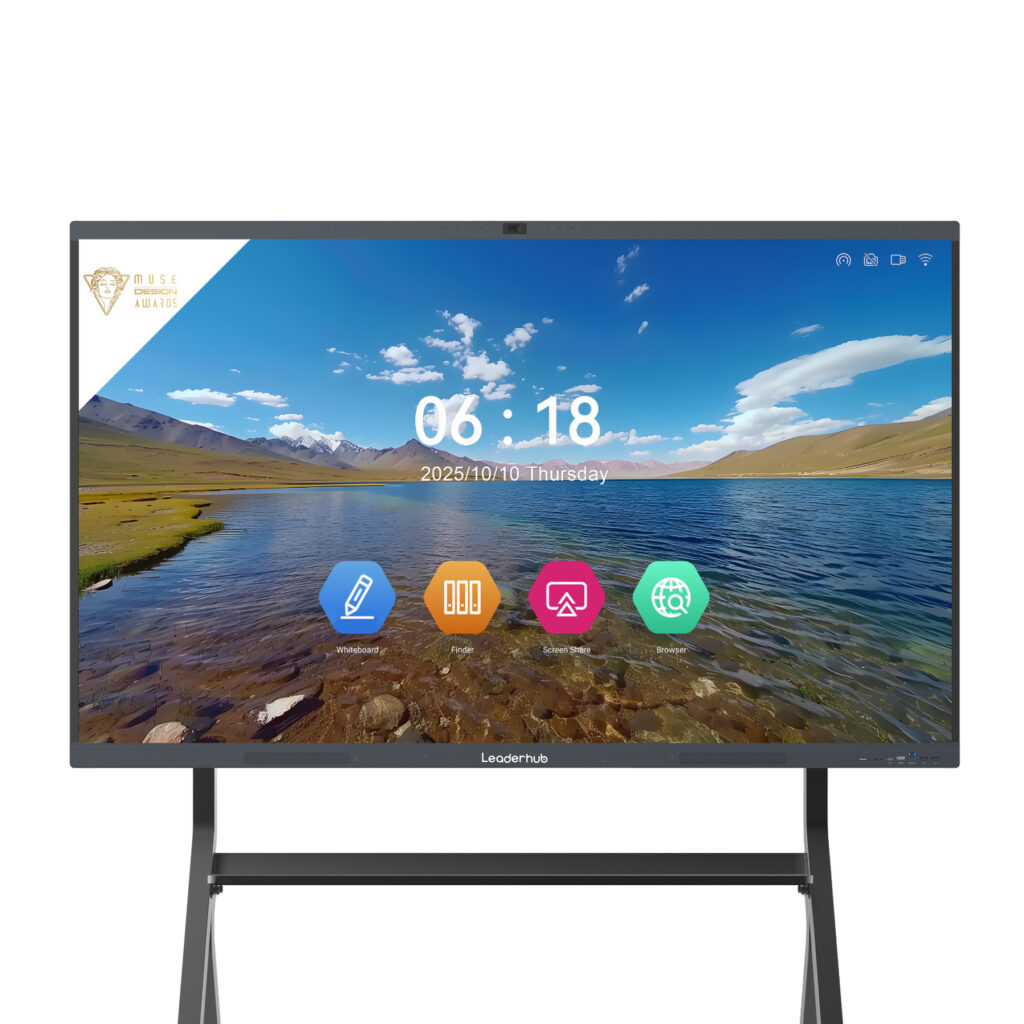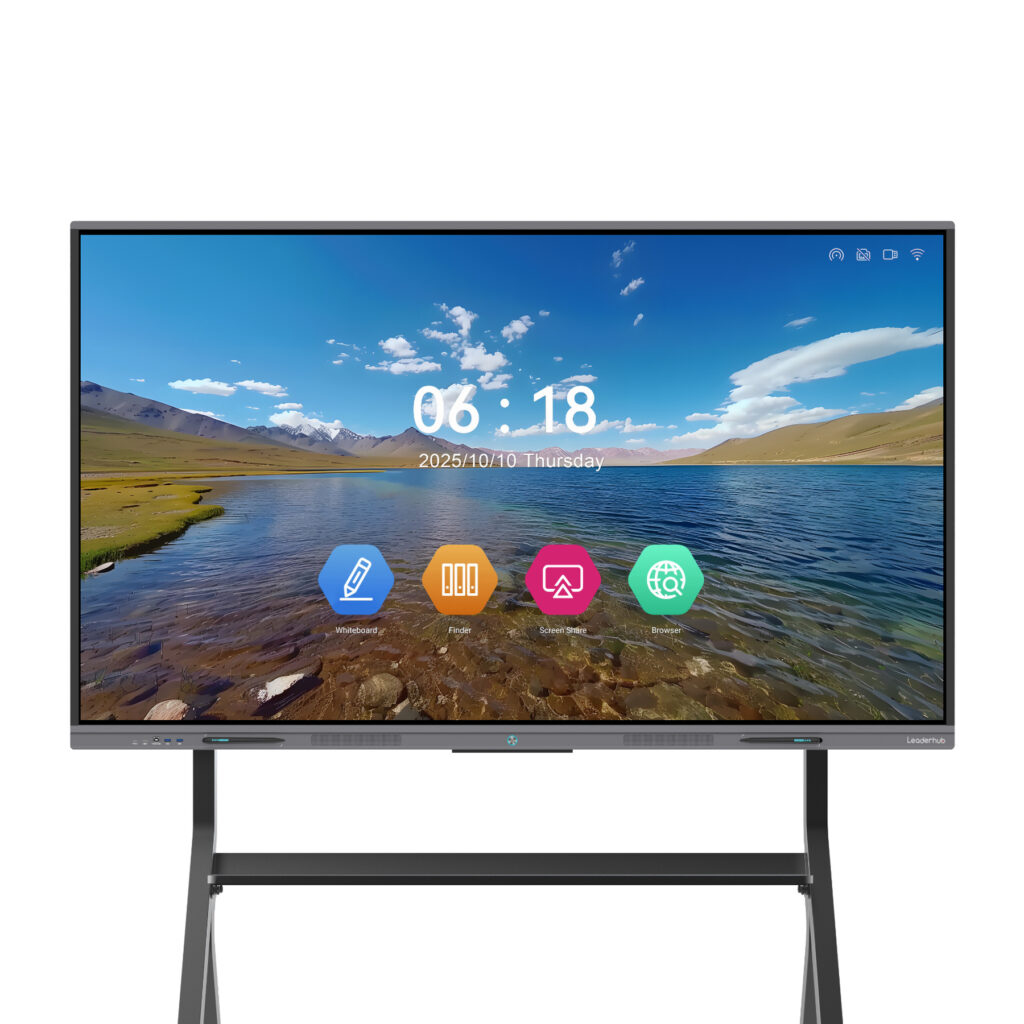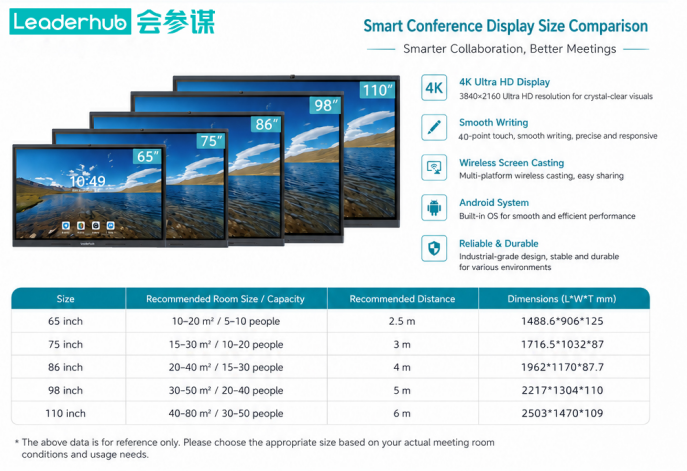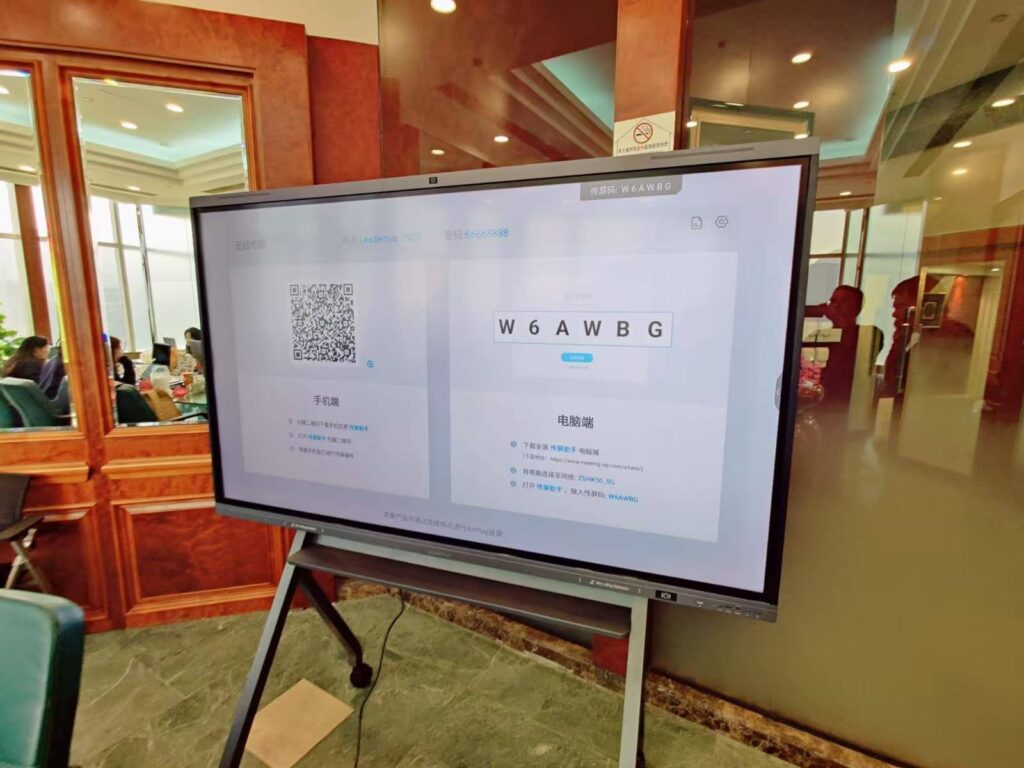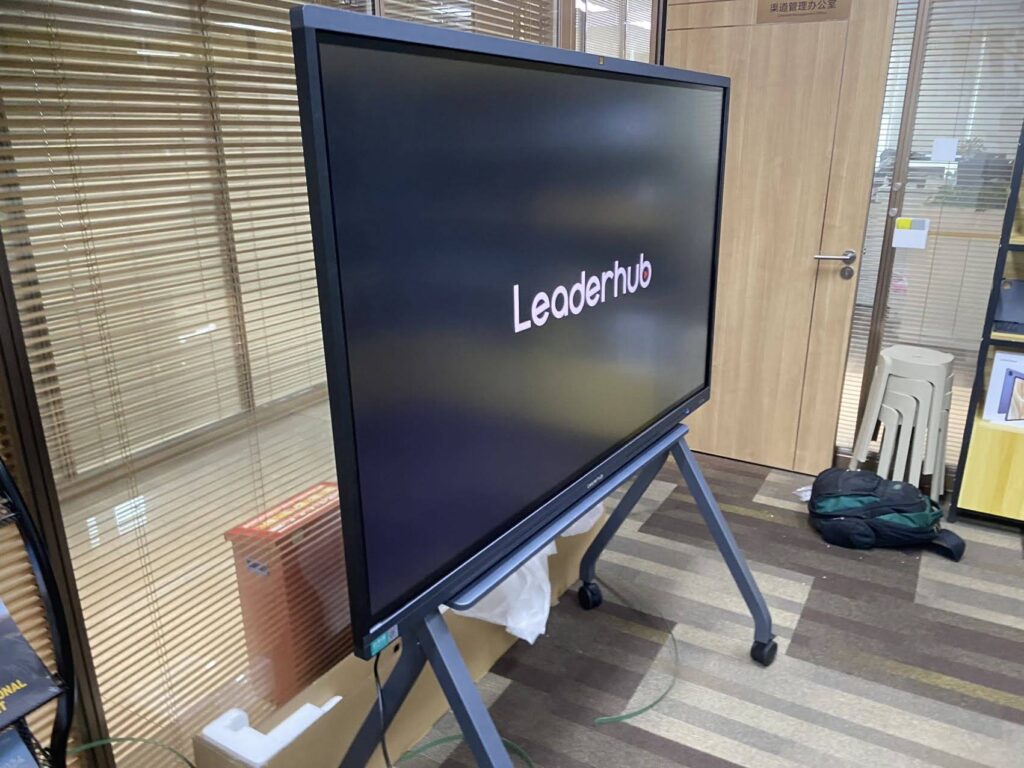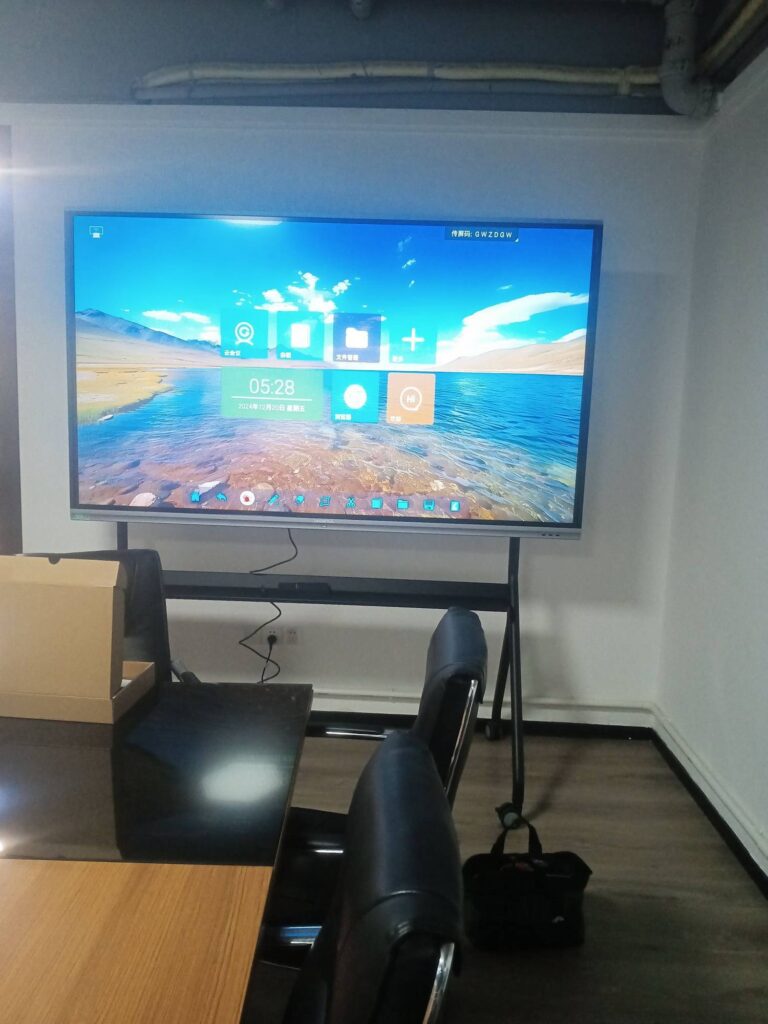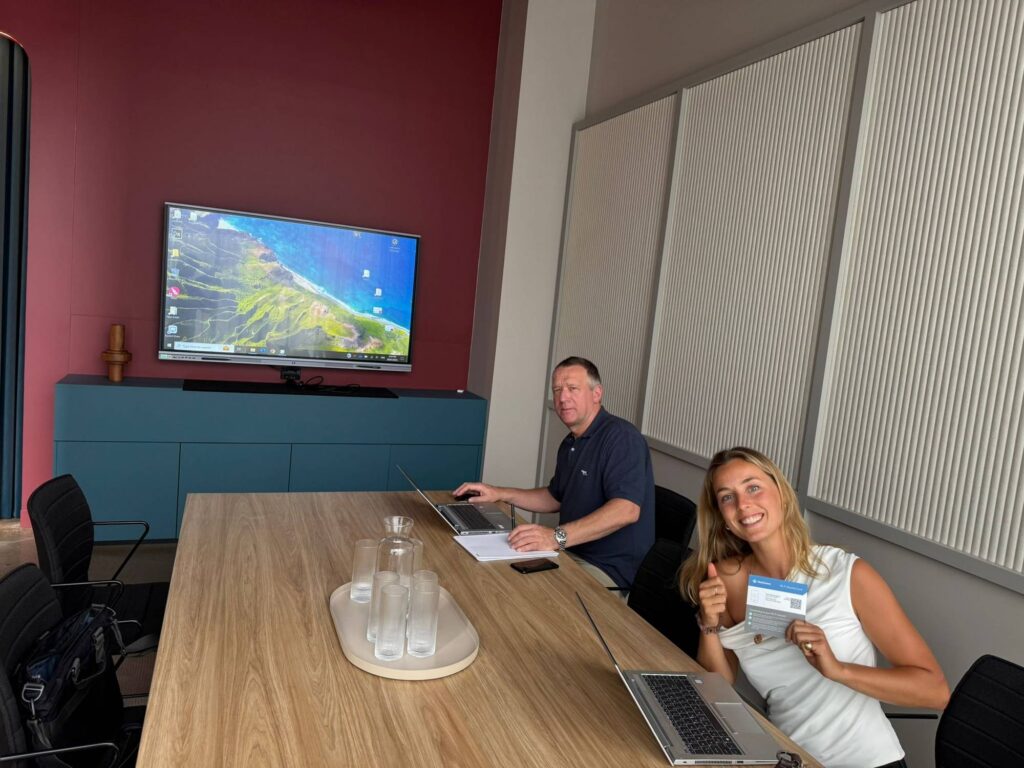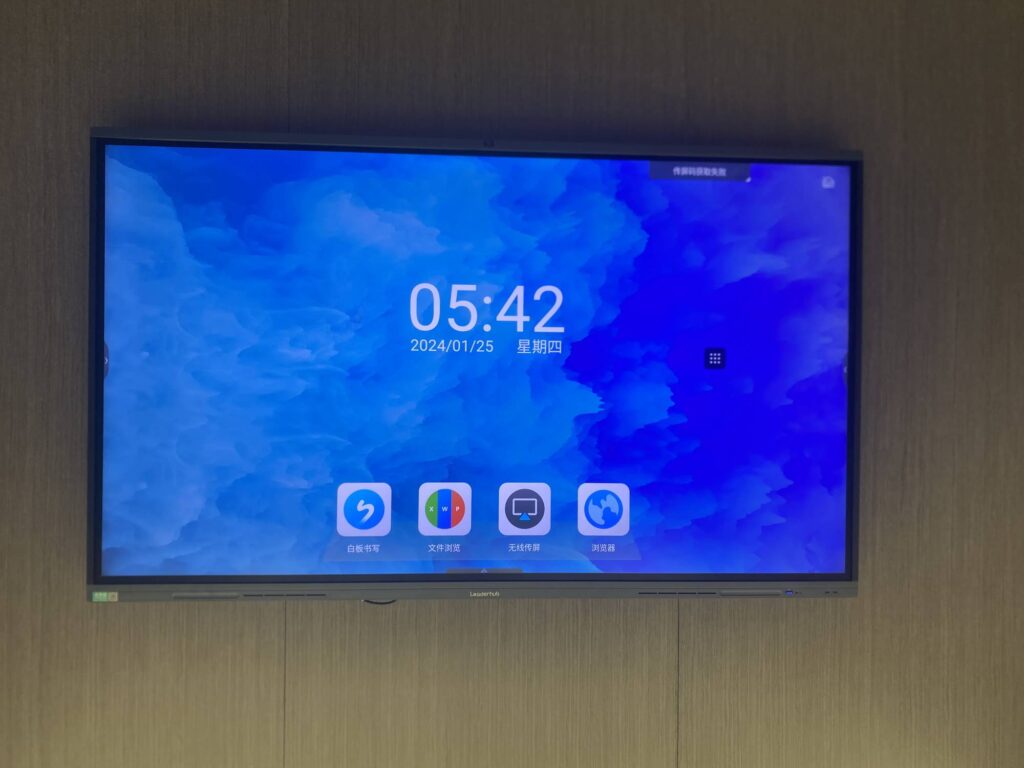
Choosing a commercial smart whiteboard supplier is one of the most important decisions any business, school, or training center will make before investing in interactive technology. With dozens of manufacturers claiming to offer the “best” touchscreen panels, buyers often struggle to separate genuine industry leaders from resellers with limited technical support. This guide draws on real procurement experience, industry benchmarks, and practical evaluation criteria to help you make a confident, informed decision.

Why Supplier Selection Directly Impacts ROI
A smart whiteboard is not a one-time purchase — it is a long-term infrastructure investment that affects productivity, IT maintenance costs, and user adoption rates. According to internal deployment data from corporate clients, companies that switched to reliable smart whiteboards reported a 30% reduction in meeting setup time and fewer technical disruptions during presentations. Poor supplier choices, on the other hand, often lead to firmware compatibility issues, short panel lifespans, and costly after-sales gaps.
1. Evaluate Manufacturing Experience and Track Record
Longevity in the industry is a strong indicator of technical maturity. Suppliers who have been manufacturing interactive panels for over a decade have typically refined their touch-sensing technology, glass bonding processes, and firmware stability through years of field feedback. When researching a supplier, ask:
- How many years has the company manufactured interactive displays?
- Do they own their factory, or do they outsource production?
- Can they provide verifiable case studies or client references?
- Have their products received third-party certifications (CE, FCC, RoHS)?
2. Compare Technical Specifications Carefully
Not all “4K interactive panels” are created equal. Panel brightness, touch-point accuracy, and operating system stability vary significantly between manufacturers. Below is a comparison framework we recommend using when evaluating suppliers:
| Specification | Entry-Level Suppliers | Professional-Grade Suppliers |
|---|---|---|
| Touch Points | 10-point infrared | 20+ point capacitive touch |
| Panel Resolution | 1080p / basic 4K | True 4K UHD with anti-glare glass |
| OS & Firmware Updates | Irregular, manual updates | OTA updates with long-term support |
| Warranty Coverage | 1 year, limited parts | 2-3 years, full-service coverage |
| Compatibility | Proprietary software only | Supports Android, Windows, Mac, and mini PCs |
3. Assess After-Sales Support and Global Reach
One of the most overlooked factors in supplier evaluation is post-purchase support. A supplier with a strong distribution network in 82+ countries is far more likely to offer accessible spare parts, local service partners, and multilingual technical assistance than a small regional vendor. When comparing suppliers, request details on:
- Average response time for warranty claims
- Availability of replacement parts (touch glass, control boards, speakers)
- Remote diagnostic and firmware support options
- Training resources for IT administrators and end users

4. Look for Product Diversity and Ecosystem Compatibility
Businesses rarely need just a single display. A supplier offering a full ecosystem — including portable smart screens, mini PCs, and interactive flat panels — allows you to standardize hardware across departments, simplifying IT management and reducing long-term procurement costs. This is particularly valuable for organizations scaling across multiple offices or campuses, where consistency in software interface and remote management tools significantly reduces training overhead.
5. Real-World Case Insight
A mid-sized training institution in Southeast Asia recently upgraded 40 classrooms from projector-based systems to interactive touch panels. During the transition, the procurement team prioritized suppliers offering pre-installed annotation software, OTA firmware updates, and localized technical support. Post-deployment surveys showed a 45% increase in instructor satisfaction, largely attributed to faster boot times and more stable touch response compared to their previous projector setup. This case underscores a key principle: specification sheets matter less than real-world reliability and support responsiveness.
6. Questions to Ask Before Signing a Contract
| Category | Key Question |
|---|---|
| Manufacturing | Is production in-house or outsourced? |
| Customization | Can panel size, OS, or branding be customized (OEM/ODM)? |
| Logistics | What are the shipping timelines and import compliance options? |
| Certifications | Which safety and quality certifications are provided? |
Red Flags That Indicate an Unreliable Supplier
- No verifiable factory address or manufacturing history
- Vague or inconsistent warranty terms
- Lack of product certifications or safety documentation
- No dedicated technical support channel
- Unusually low prices with no clear cost breakdown

How LeaderHub Approaches Supplier Reliability
As a Shenzhen-based manufacturer with 16 years of experience in the interactive panel industry, LeaderHub has shipped products to over 82 countries and holds the NO.1 position in its JD.com subcategory. This scale allows for consistent quality control, faster firmware iteration, and dependable after-sales infrastructure — factors that directly address the concerns outlined above for businesses evaluating long-term suppliers.
Final Checklist Before You Commit
- Confirm the supplier’s manufacturing history and certifications
- Request technical specification sheets and compare touch accuracy, brightness, and resolution
- Verify warranty length and regional service availability
- Ask for client references or case studies relevant to your industry
- Evaluate whether the product ecosystem supports future scalability
Selecting the right commercial smart whiteboard supplier requires more than comparing price tags — it demands due diligence into manufacturing quality, technical specifications, and long-term support capability. By applying the criteria outlined in this guide, businesses and educational institutions can avoid costly mistakes and invest in interactive technology that delivers measurable value for years to come.