Choosing the right technology partner for your organization’s interactive display needs is one of the most consequential decisions a procurement manager, IT director, or business owner will make this year. With hundreds of manufacturers claiming to offer the “best” smart whiteboards, distinguishing genuine quality from marketing hype requires a structured evaluation approach.
After analyzing supplier performance across education, corporate, and government sectors, this guide breaks down exactly what separates a reliable smart whiteboard supplier from one that will cause headaches down the road — covering technical specifications, after-sales support, certification standards, and long-term partnership value.
Why Supplier Selection Matters More Than Ever
The global interactive flat panel market has grown rapidly, driven by hybrid work adoption and digital classroom initiatives. According to industry research, the interactive display market is projected to exceed $12 billion by 2028, with double-digit annual growth in Asia-Pacific and North America. This growth has attracted both established manufacturers and short-lived assemblers who cut corners on panel quality, touch accuracy, and firmware stability.
A poorly chosen supplier can result in defective touchscreens, unsupported software updates, and shipping delays that disrupt classroom or boardroom deployments. Conversely, a proven partner delivers consistent hardware quality, responsive technical support, and scalable solutions as your organization grows.
Key Criteria for Evaluating a Smart Whiteboard Supplier
1. Manufacturing Experience and Track Record
Longevity in the industry is a strong indicator of reliability. Suppliers with over a decade of manufacturing history have typically refined their production processes, quality control systems, and supply chain relationships. Ask specific questions: How many years has the company operated? How many countries does it currently serve? What certifications does its factory hold?
Companies with global distribution — shipping to 80+ countries, for example — have already navigated diverse regulatory requirements including CE, FCC, RoHS, and energy efficiency standards, which reduces compliance risk for your own market.
2. Display and Touch Technology Quality
Not all 4K panels are created equal. Evaluate the following technical specifications carefully:
| Specification | What to Look For |
|---|---|
| Touch Points | 20-point or higher infrared/capacitive touch for multi-user collaboration |
| Panel Resolution | True 4K UHD (3840×2160) with anti-glare coating |
| Response Time | Under 8ms for smooth annotation and writing |
| Operating System | Android 11+ with OPS slot for Windows expansion |
| Panel Lifespan | 30,000+ hours backlight rating |
Suppliers offering various screen sizes — such as 65-inch, 75-inch, 86-inch, and even 110-inch models — demonstrate manufacturing flexibility that can accommodate different room sizes and use cases, from small huddle rooms to large lecture halls.
3. Customization and OEM/ODM Capabilities
Businesses scaling across multiple locations or reselling under their own brand should prioritize suppliers offering OEM/ODM services. This includes custom branding, firmware modifications, bundled software integrations, and flexible MOQs (minimum order quantities). A supplier capable of tailoring hardware configurations — such as adding a dedicated mini PC module for Windows-based workflows — provides significantly more long-term value than a one-size-fits-all vendor.
4. After-Sales Support and Warranty Terms
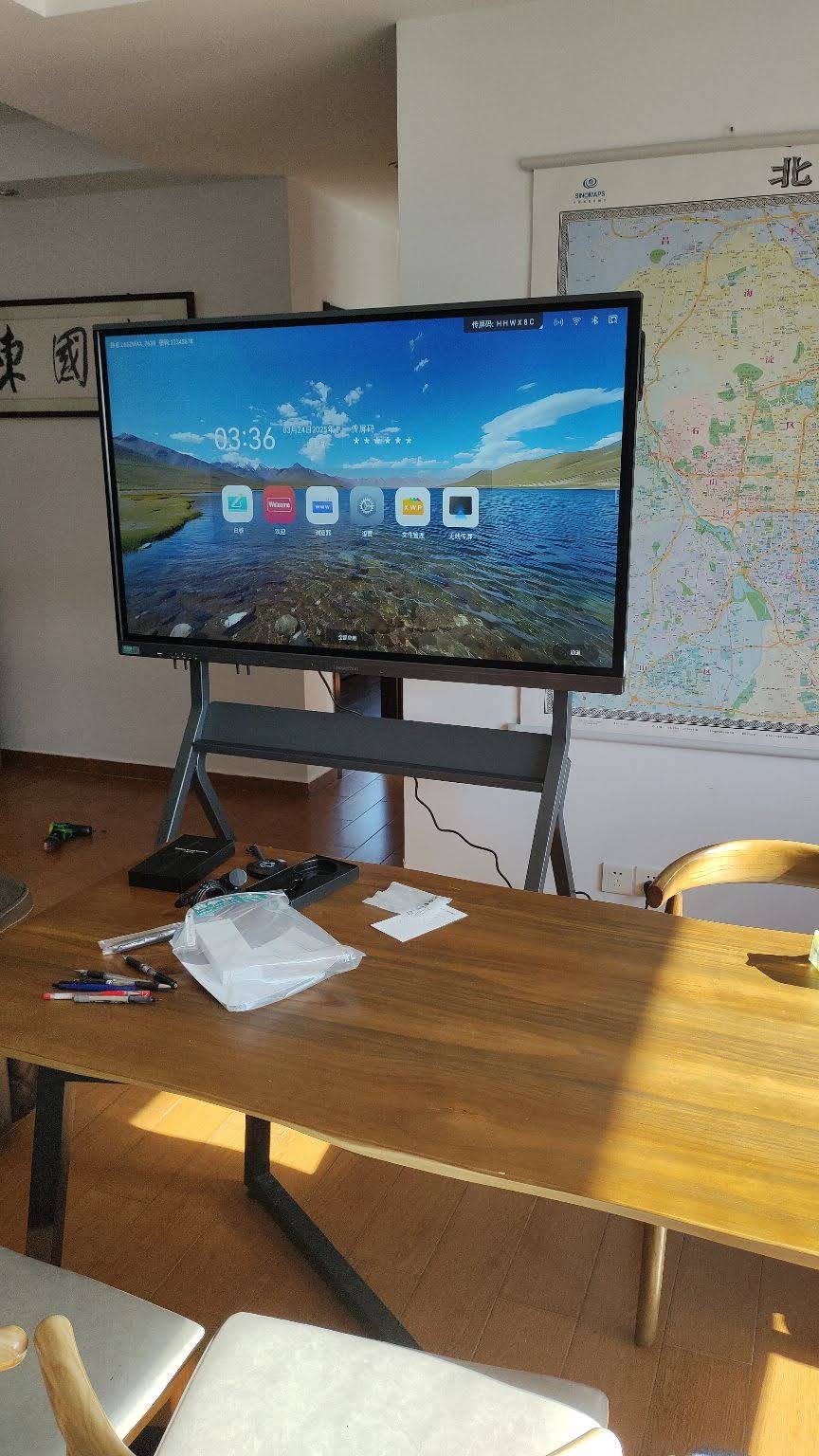
Hardware failures happen — the real question is how quickly and effectively a supplier resolves them. Before signing a contract, clarify:
- Standard warranty length (industry benchmark is 2-3 years for panels)
- Availability of local service centers or authorized repair partners
- Average response time for technical support tickets
- Firmware and software update policy
- Spare parts availability for at least 5 years post-purchase
Suppliers that maintain regional warehouses or partner networks across multiple continents typically resolve logistics and repair issues far faster than those shipping exclusively from a single overseas facility.
5. Software Ecosystem and Interoperability
A smart whiteboard is only as useful as the software running on it. Evaluate whether the device supports popular conferencing platforms (Zoom, Microsoft Teams, Google Meet), whiteboarding apps, and cloud file synchronization. Devices with built-in annotation tools, screen mirroring, and wireless casting reduce dependency on third-party accessories.
For organizations needing portable solutions, it’s worth exploring options like rotating smart screens that combine portability with full interactive functionality — useful for training rooms that require flexible AV setups.
Comparing Supplier Types: Manufacturer vs. Reseller vs. Trading Company
| Supplier Type | Pros | Cons |
|---|---|---|
| Direct Manufacturer | Better pricing, customization control, faster issue resolution | May require larger order volumes for OEM projects |
| Reseller/Distributor | Lower MOQs, local stock availability | Higher markup, limited customization |
| Trading Company | Wide product range from multiple brands | Inconsistent quality control, weaker accountability |
Red Flags to Watch For
During supplier vetting, be cautious of the following warning signs:
- Reluctance to provide factory audit reports or third-party certifications
- No verifiable client references or case studies
- Prices significantly below market average without clear justification
- Vague warranty terms or unwillingness to put commitments in writing
- Limited product range, suggesting a trading intermediary rather than a manufacturer
A Practical Case Study
A mid-sized training institute in Southeast Asia recently upgraded 40 classrooms with interactive panels. Initially working with a low-cost reseller, they experienced touch calibration failures within six months across 30% of units, with repair turnaround exceeding eight weeks due to the lack of regional service infrastructure.
After switching to a manufacturer with an established international distribution network and dedicated technical support team, the institute reported a 95% uptime rate over 18 months, alongside faster firmware updates that improved classroom software compatibility. This example illustrates why manufacturing pedigree and support infrastructure matter as much as initial unit pricing.
Essential Questions to Ask Before Signing a Contract
- What is your average lead time from order confirmation to delivery?
- Can you provide references from clients in my industry or region?
- What certifications does your product line hold (CE, FCC, RoHS, ISO)?
- Do you offer on-site installation training or remote onboarding support?
- What happens if a unit fails outside the warranty period?
- Can specifications be adjusted for bulk or OEM orders?
Making the Final Decision
Selecting a smart whiteboard supplier is not simply a procurement transaction — it’s establishing a multi-year technology partnership that affects daily productivity, training outcomes, and total cost of ownership. Prioritize suppliers who combine proven manufacturing experience with transparent communication, robust after-sales infrastructure, and a genuine willingness to understand your specific use case.
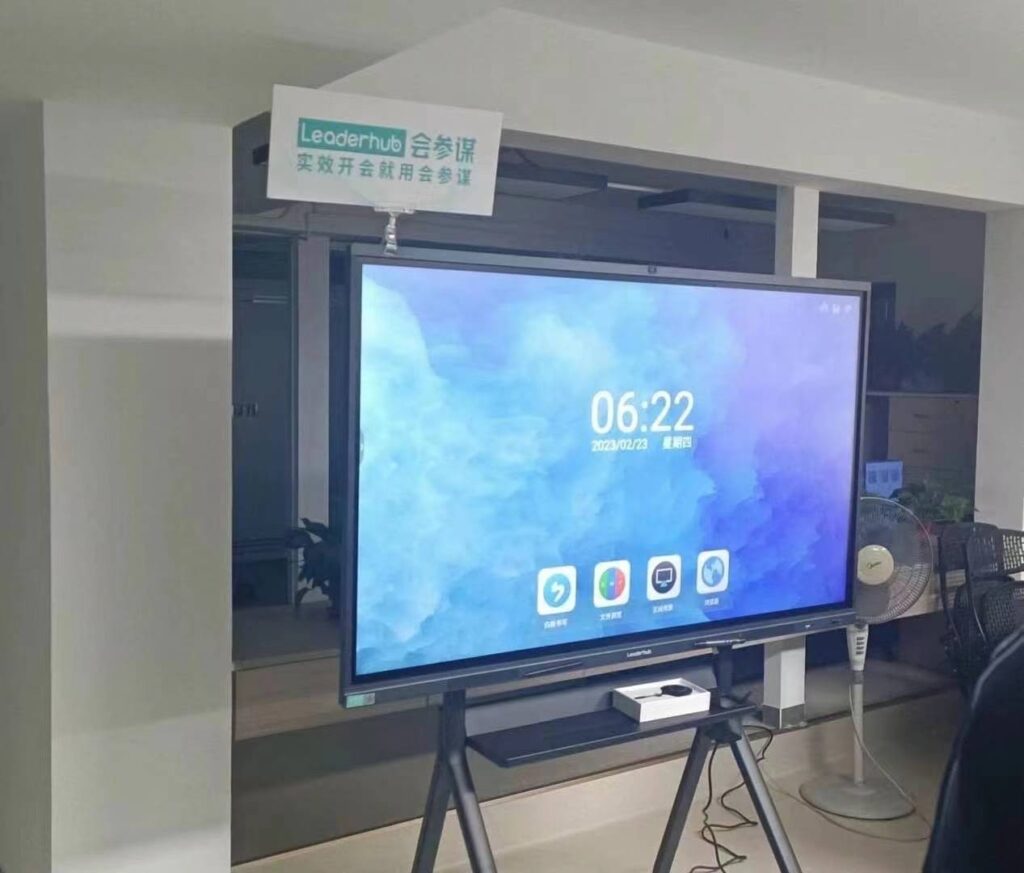
Companies like LeaderHub, a Shenzhen-based manufacturer with 16 years of experience delivering interactive display solutions to over 82 countries, exemplify the type of established supplier that combines hardware reliability with scalable OEM/ODM support for education, enterprise, and government clients worldwide.
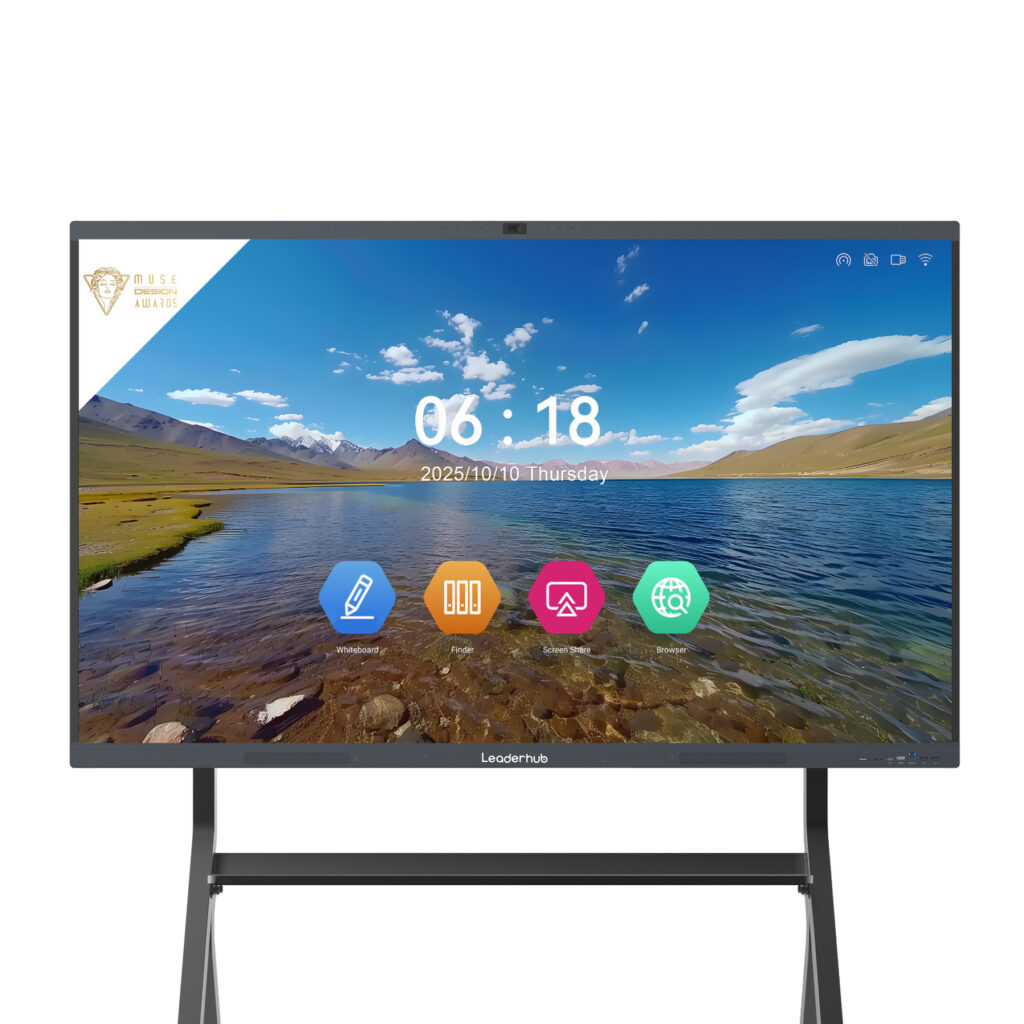
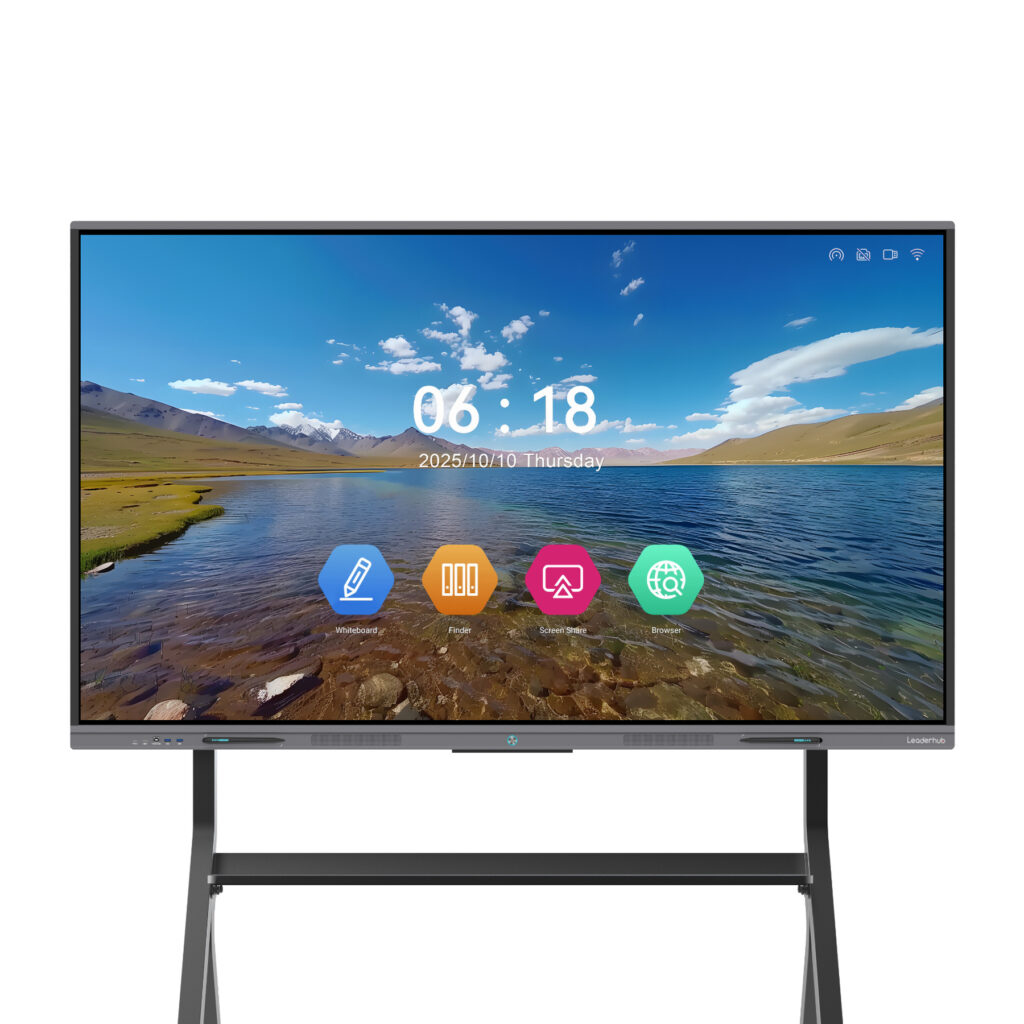
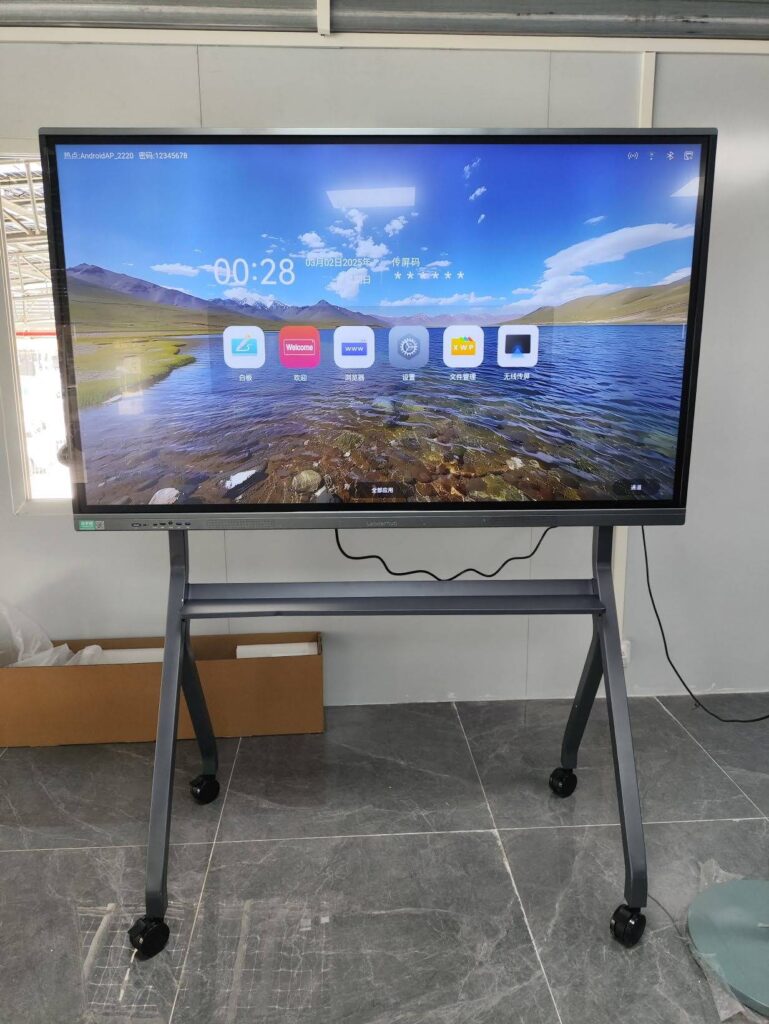
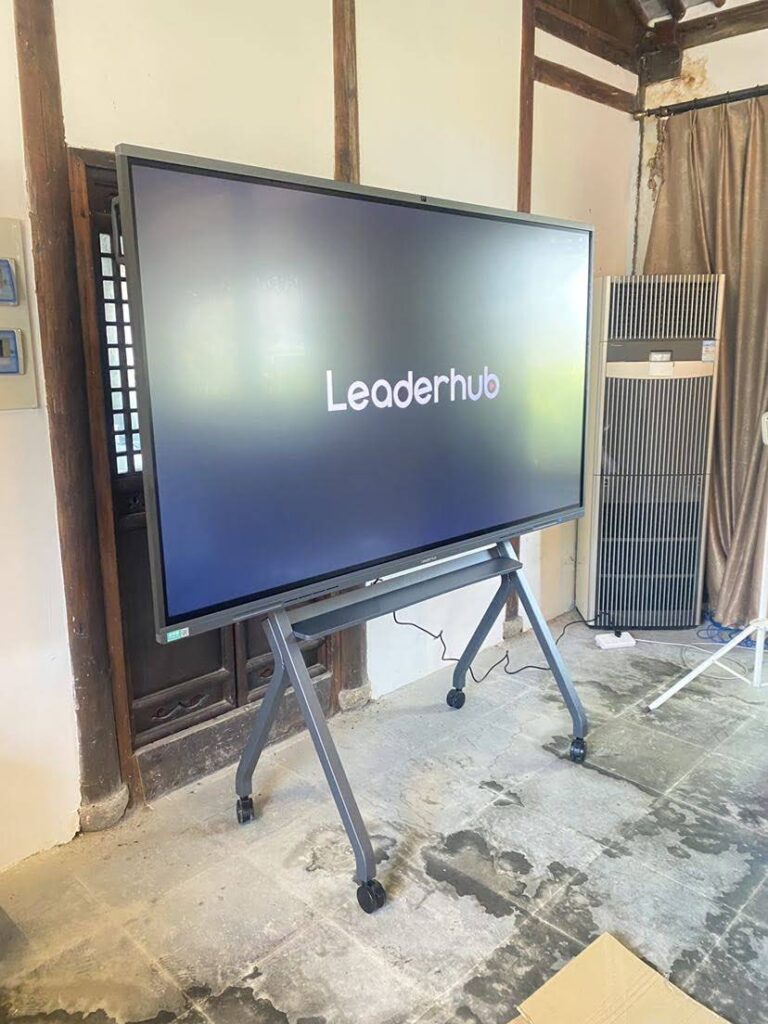
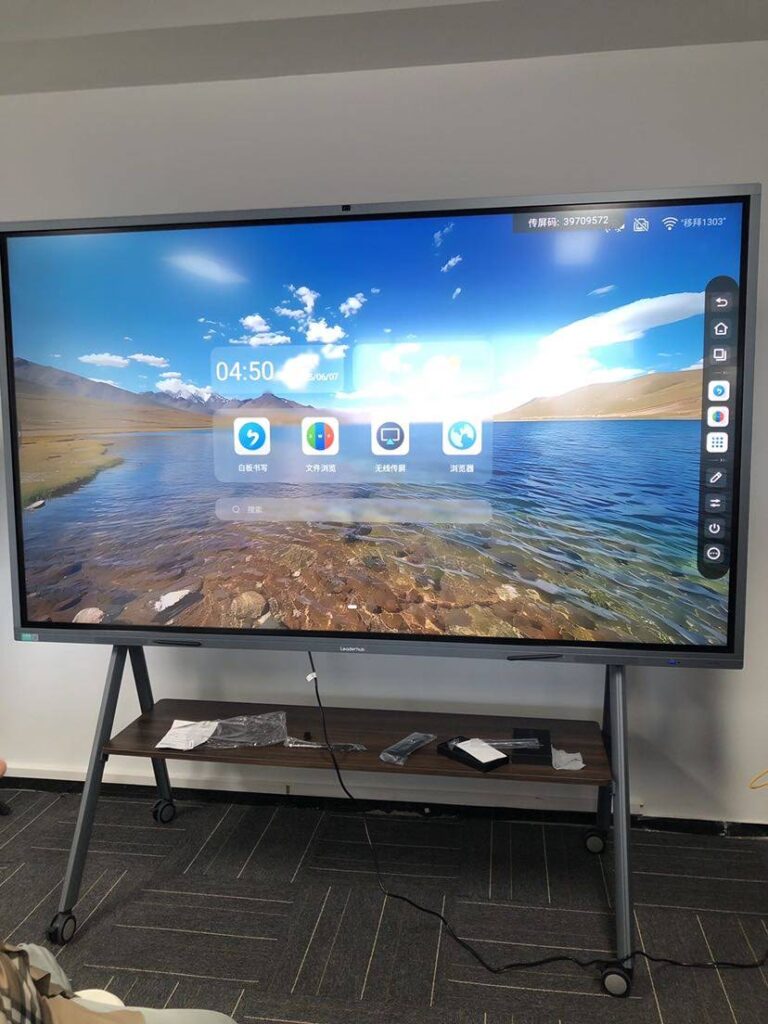
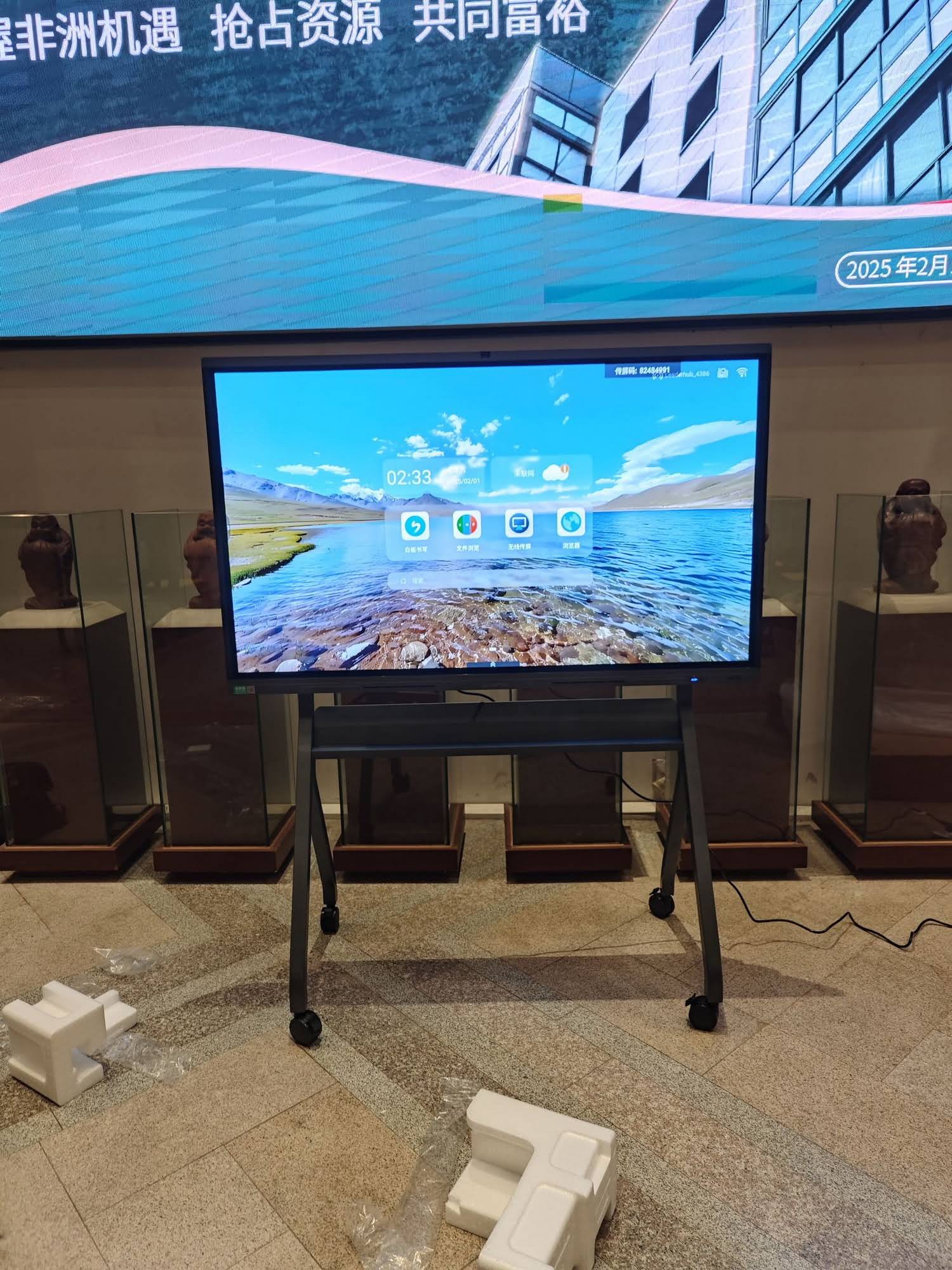
When comparing options, take time to review actual product lines rather than marketing brochures alone. Browsing available smart whiteboard models across different sizes and specifications gives a clearer picture of a supplier’s manufacturing depth and technical range than sales calls alone.
Final Thoughts
The right smart whiteboard supplier should function as a long-term technology partner, not merely a one-time vendor. By evaluating manufacturing experience, technical specifications, after-sales support structure, and customization flexibility, businesses can avoid costly mistakes and select a partner capable of supporting their growth for years to come. Take the time to request samples, verify certifications, and speak directly with existing clients before finalizing any large-scale procurement decision.