
Smart Board Total Purchase Cost Guide for Schools: Complete TCO, Infrastructure & Hardware Analysis
Navigating interactive whiteboard investments requires looking far beyond retail hardware tags. Learn how IT administrators, school districts, and institutional buyers can calculate true lifecycle costs, avoid software subscription traps, and optimize EdTech ROI across every classroom.
Demystifying Smart Board Total Purchase Cost: The Iceberg Model
When K-12 school districts, charter networks, and universities set out to modernize physical learning spaces, evaluating interactive flat panels (IFPDs) often begins and ends with hardware procurement catalogs. However, relying purely on the initial retail quotation leads to unexpected fiscal strain. In real-world educational infrastructure, the upfront device expense accounts for only 50% to 65% of the aggregate expenditure over a five-to-seven-year deployment cycle.
The true smart board total purchase cost encompasses an interconnected ecosystem: high-grade commercial touchscreens, structural wall reinforcement or mobile carts, dedicated OPS computing modules, proprietary or cloud software licenses, high-bandwidth audiovisual cabling, robust campus networking, and recurrent faculty professional development. As underlined in the UNESCO Technology in Education Report, educational technology initiatives achieve meaningful student outcomes only when financial planning accounts comprehensively for infrastructure stability, recurring maintenance, and continuous teacher proficiency.
The direct purchase of 4K ultra-high-definition interactive screens across standard dimensions (55″, 65″, 75″, 86″, 110″), dual-tip infrared or capacitive styluses, and integrated wall brackets.
Professional low-voltage electrical work, reinforced drywall blocking, anti-tip mobile cart construction, core wall cable concealment, and safety compliance audits.
Recurring licensing fees for proprietary classroom whiteboard suites, centralized cloud-based MDM console subscriptions, and ongoing annual hardware support contracts.
Hardware Cost Tiers: Matching Classroom Size to Screen Real Estate
Screen size constitutes the single largest variable within the hardware portion of the smart board total purchase cost. The global standard for interactive screens has shifted definitively toward commercial-grade 4K LED panels, replacing legacy bulb-based projectors that imposed recurring replacement costs and degraded under ambient classroom lighting. According to comprehensive procurement benchmarks by School Technology Planning authorities, purchasing undersized screens undermines learning equity by compromising text readability for students in the back rows.
| Hardware Model | Diagonal Size | Recommended Learning Environment | Touch Precision & Display | Standard Baseline Price |
|---|---|---|---|---|
| LeaderHub L65ZM | 65 Inch | Breakout rooms, seminar suites, small pods (10–18 students) | 4K UHD Zero-Gap Touch, Anti-Glare | $2,199.00 |
| LeaderHub L65HM | 65 Inch | Standard elementary classrooms & hybrid laboratories | 4K UHD Smart Touch, Advanced Writing Core | $2,399.00 |
| LeaderHub L75ZM | 75 Inch | Standard K-12 classrooms (20–30 students, 600–800 sq ft) | 4K UHD Optical Bonding, Low-Latency Stylus | $2,599.00 |
| LeaderHub L75HM | 75 Inch | Secondary education, STEM labs, interactive seminar rooms | 4K UHD high-precision multi-touch panel | $2,899.00 |
| LeaderHub L86ZM | 86 Inch | Large classrooms, shared media centers (30–45 students) | 4K UHD high-ambient brightness, toughened glass | $3,199.00 |
| LeaderHub L86HM | 86 Inch | Lecture spaces, district boardrooms, high-capacity labs | 4K UHD dual-system capability, wide viewing angles | $7,999.00 |
| LeaderHub L110H | 110 Inch | Auditoriums, campus multi-purpose halls, hybrid theaters | Ultra-Large 4K UHD, Multi-Touch Flagship Surface | $7,999.00 |
*Pricing reflects baseline institutional single-unit costs. Volume tier reductions apply for district-wide and campus-wide rollouts.
Computing Slots, Mobility & Mounting: The Secondary Cost Layer
Computing Independence: Modular Mini PCs vs Locked Architectures
Many interactive whiteboards ship with embedded proprietary operating systems that become obsolete after three years when software vendors terminate support. To secure sustainable smart board total purchase cost efficiency, forward-thinking districts mandate dual-boot or modular computing architecture.
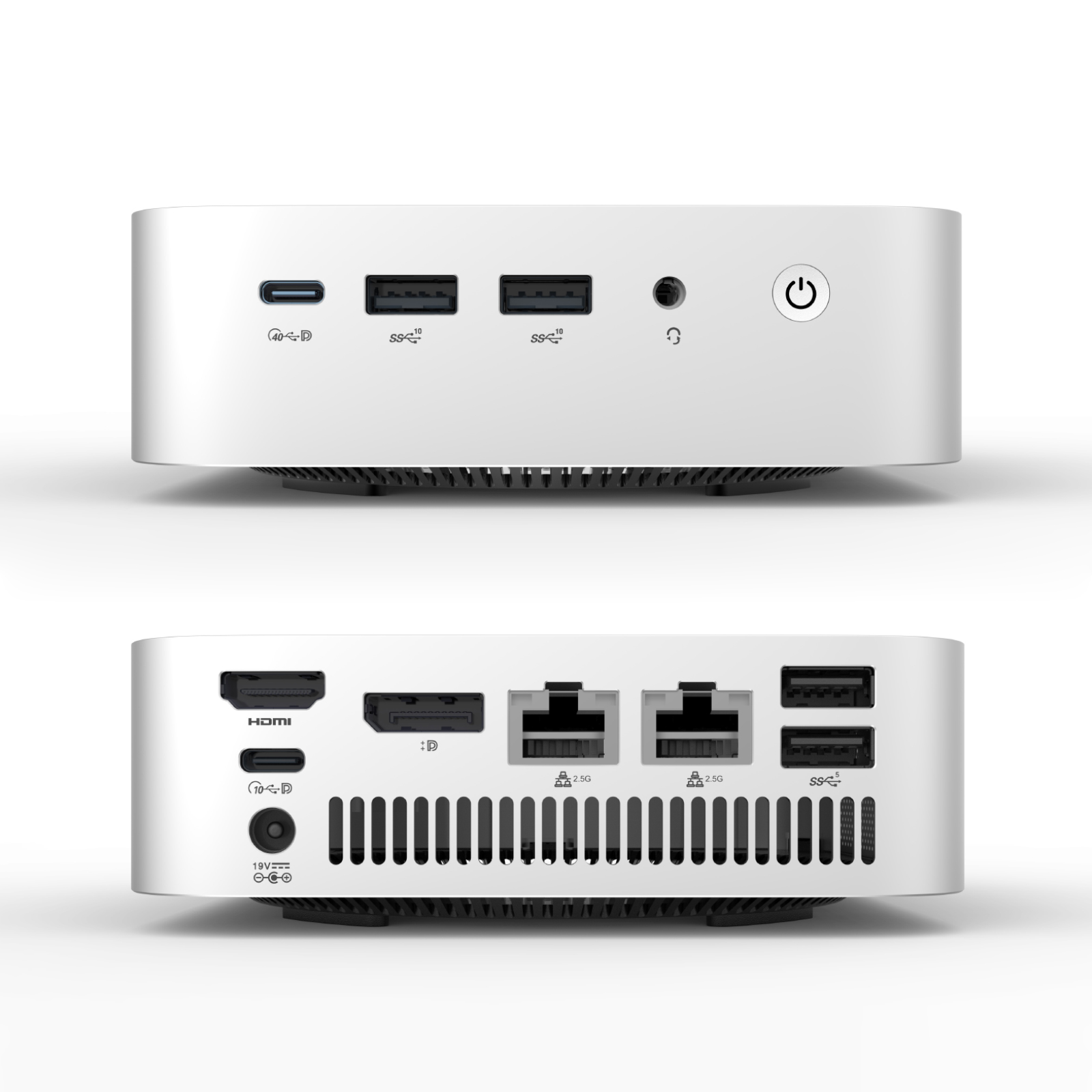
Integrating modular computing via dedicated external units or Open Pluggable Specification (OPS) slots eliminates the need to replace entire 75″ or 86″ panels when computing requirements expand. Pairing screens with hardware like the LeaderHub LP1C Mini PC (Intel N100, $399.00) or high-performance options like the LeaderHub LP5C Mini PC (Intel i5-12450HX, $799.00) allows schools to run native Windows 11 Education environments without recurring per-room software subscription lock-ins.
- Decoupled Lifecycle: Panels last 7–10 years; computing units can be upgraded independently at year 4.
- Active Directory Integration: Immediate compatibility with school district security policies and Microsoft Intune.
- Versatile Pairing: Scalable processing from everyday K-12 whiteboard tasks up to CAD, 3D modeling, and coding in specialized labs.
Mounting Infrastructure & Mobility Options
Mounting is far more than an accessory expense. A fixed commercial wall mount typically costs $120 to $250 per room, but if structural reinforcement or asbestos-safe drilling is required in older school facilities, labor costs can exceed $500 to $1,000 per room.
Consequently, many districts adopt heavy-duty mobile carts (averaging $250 to $650). Mobile stands allow a single interactive screen to be shared across adjacent science and art classrooms, reducing the required total screen unit count by 20% to 35% in small schools. Alternatively, self-contained portable displays such as the LeaderHub U55Pro Mobile Screen ($2,499.00) provide built-in rolling mobility, integrated battery autonomy, and instant room repurposing.
- ADA & Accessibility Compliance: Motorized height-adjustable stands ensure complete compliance with international accessibility frameworks like ISO 9241-971.
- Cable Containment: Industrial drag chains avoid recurring HDMI and USB-C port failure caused by constant physical repositioning.
Proprietary Ecosystems vs Open Architecture: Slashing the SaaS Burden
The most severe financial vulnerability in school EdTech budgeting is the post-warranty software renewal cliff. Legacy interactive display brands frequently discount upfront hardware to lock districts into mandatory per-panel software subscriptions. As highlighted in research on OECD Digital Education Outlook, recurring licensing overheads reduce school discretionary budgets by tens of thousands of dollars annually without delivering proportionate gains in student performance.
Walled-Garden Software Licensing
Proprietary lesson creation formats lock district teaching resources into vendor-specific file types. If the school declines to pay annual software maintenance renewals:
- Teacher lesson files become read-only or inaccessible.
- Centralized remote device management (MDM) consoles shut down.
- Over-the-air firmware upgrades are discontinued, triggering security vulnerabilities.
- 5-Year Recurring Cost Impact: $900 – $1,750 per classroom in software fees alone.
Universal OS & Free Core Annotation
Built around open Android platforms and modular Windows ecosystems, LeaderHub interactive panels preserve district autonomy:
- Full native support for Google Classroom, Canvas, Microsoft 365, and Zoom.
- Perpetual whiteboard software bundled without expiration or tiered feature walls.
- Universal standard file export formats (.PDF, .PNG, .SVG) ensure digital ownership.
- 5-Year Recurring Cost Impact: $0 mandatory overhead, preserving capital for physical facilities.
5-Year Single Classroom Expenditure Simulation: 75″ Standard Deployment
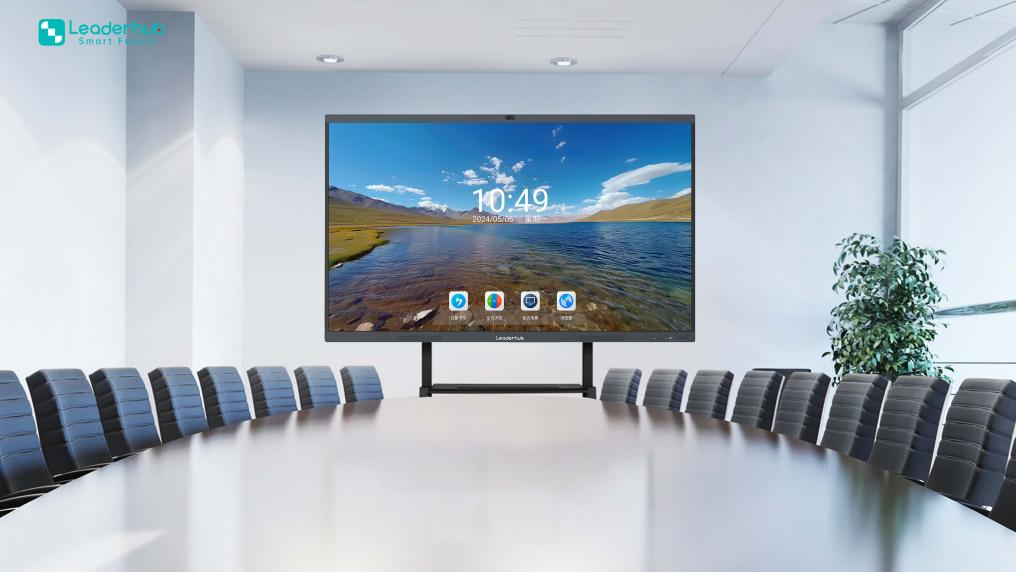
To illustrate how seemingly subtle decisions impact educational budgets over time, the following breakdown contrasts an enterprise-locked legacy system against a modern open-architecture installation using a 75″ 4K commercial panel (such as the LeaderHub L75ZM coupled with an open Mini PC).
| Cost Category | Legacy Brand Interactive Setup | LeaderHub Open-Architecture Setup | Variance / Savings per Room |
|---|---|---|---|
| Interactive Display Hardware (75″ 4K) | $2,400.00 | $1,399.00 | -$1,001.00 |
| Integrated Computing (OPS / Mini PC) | $950.00 (Proprietary OPS) | $399.00 (LeaderHub LP1C) | -$551.00 |
| Mounting Hardware (Fixed Pro Bracket) | $180.00 | $120.00 | -$60.00 |
| Electrical Retrofitting & Professional Rigging | $350.00 | $350.00 | $0.00 |
| Classroom Audio Reinforcement & Cabling | $250.00 | $120.00 (Built-in high-output array) | -$130.00 |
| Software Licensing (Years 1–5 Cumulative) | $1,250.00 ($250/yr) | $0.00 (Perpetual bundle) | -$1,250.00 |
| Device Management (MDM Cloud – 5 Years) | $300.00 ($60/yr) | $100.00 (Universal MDM agent) | -$200.00 |
| Faculty Enablement & Initial Training | $300.00 | $150.00 (Zero-learning curve Android UI) | -$150.00 |
| Maintenance, Stylus Replacement & Spares | $250.00 | $100.00 (Standard passive pens) | -$150.00 |
| 5-Year Total Cost of Ownership | $6,230.00 | $2,738.00 | $3,492.00 (56% Net Savings) |
Across an average school with 30 teaching classrooms, adopting modular open-standard hardware represents over $104,000 in saved expenditure across a single 5-year refresh cycle. These funds can be redirected into faculty hiring, STEM lab supplies, or network bandwidth expansions as recommended by the U.S. Education Technology Guide.
Translating Interactive Investments into Quantifiable Learning Outcomes
Procuring an interactive panel is not an end in itself; it is a catalyst for collaborative inquiry. Comprehensive empirical reviews published in Interactive Displays in Education demonstrate that multi-touch digital surfaces produce substantial positive effects on student engagement and abstract concept visualization, particularly in STEM subjects and foreign language acquisition.
However, this pedagogical yield diminishes drastically when hardware is unreliable or unintuitive. If an instructor must spend 7 to 10 minutes at the start of each class period troubleshooting connectivity, logging into complex driver accounts, or recalibrating touch points, instructional momentum is lost. Educational research consistently highlights that user interface friction is the leading contributor to abandoned classroom hardware.
By adhering strictly to ISTE Education Technology Standards, institutions that deploy high-responsiveness, low-latency 4K panels foster student-led presentations, multi-user gamified mathematics drills, and direct cloud collaboration that directly improves formative assessment speed.
How to Draft an RFP That Prevents Hidden Smart Board Costs
When preparing a Request for Proposal (RFP) or tender specification for classroom panels, school boards must include technical and commercial clauses that protect against future vendor lock-in. Below is a 4-step framework used by leading school IT managers to protect their capital allocations:
About LeaderHub: 16 Years of Interactive Display Expertise
Direct Manufacturer Advantage for School Systems
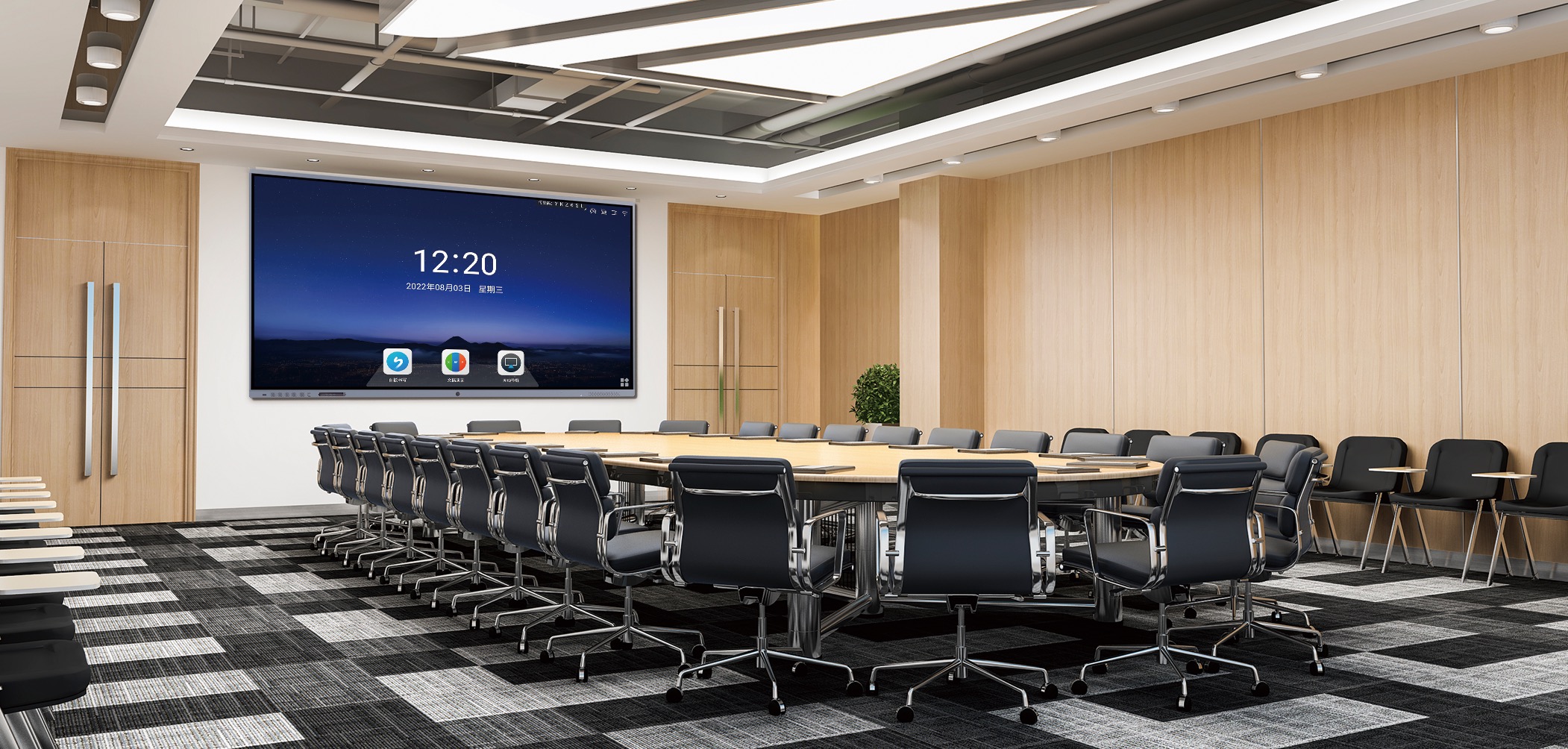
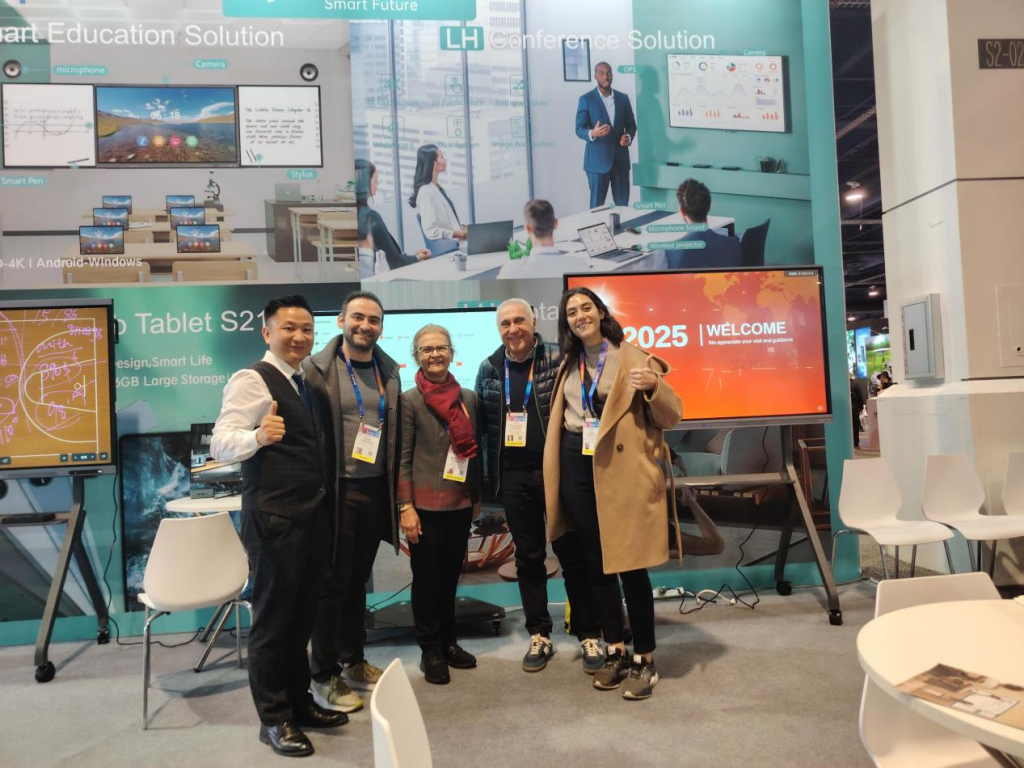
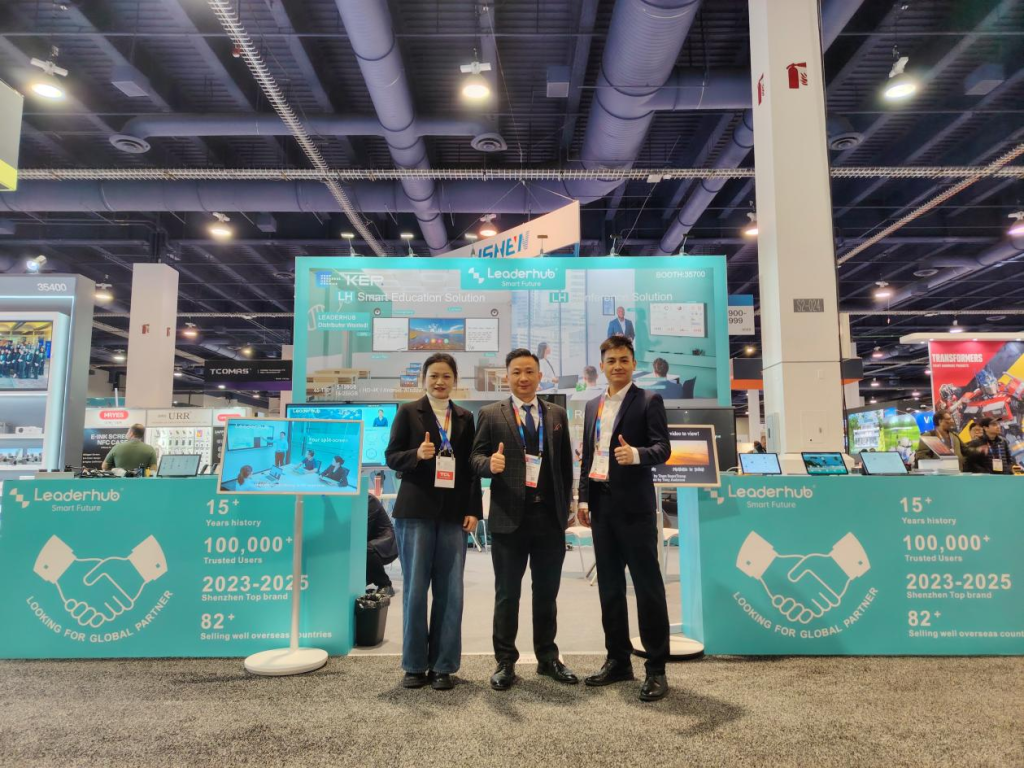
LeaderHub is a global technology pioneer with 16 years of dedicated interactive panel innovation. Delivering solutions to education, enterprise, and research institutions across 82 countries worldwide, LeaderHub bridges top-tier hardware craftsmanship with affordable procurement channels.
By manufacturing its interactive displays, smart whiteboards, mini PCs, and rotatable collaboration hubs directly, LeaderHub eliminates unnecessary intermediary markups. School districts deal directly with factory-backed engineering, securing industry-leading hardware warranties, customized firmware options, and rapid spare-parts availability.
Smart Board Total Purchase Cost: Frequently Asked Questions
What is the average smart board total purchase cost for a single K-12 classroom?
For a standard 75-inch commercial 4K interactive flat panel, the baseline hardware cost typically sits between $1,399 and $1,600. When including heavy-duty fixed wall mounts, professional electrical and safety installation, baseline cabling, modular computing (such as a Windows Mini PC), and teacher onboarding, the initial Year-1 turn-key deployment cost averages between $2,100 and $2,800. Over a full 5-year lifecycle, systems operating on open architecture maintain that level, whereas proprietary software brands can surpass $6,000 per room due to recurring subscriptions.
How do interactive panels compare in cost to traditional classroom projectors?
While basic classroom projectors may present a lower initial purchase price ($600 to $900), their operational TCO is significantly higher. High-intensity projector lamps require replacements every 2,000 to 4,000 hours at $150 to $300 each, plus optical cleaning, air filter swaps, and room darkening blinds. Modern interactive flat panels feature solid-state LED backlights rated for 50,000 hours (roughly 15 to 20 school years of everyday use) with near-zero recurring component maintenance, resulting in lower total lifecycle expenses.
Are software subscriptions mandatory for interactive smart boards?
No. While certain legacy brands enforce proprietary recurring software licenses ($150 to $300/year), open-architecture manufacturers like LeaderHub supply comprehensive, perpetual whiteboard and annotation platforms at zero additional charge. Furthermore, their seamless compatibility with Google Classroom, Microsoft Office 365, Canvas, and browser-based educational tools eliminates the need for redundant proprietary software expenditures.
Which screen size provides the best value for school budgets?
The 75-inch display (such as the LeaderHub L75ZM or L75HM) serves as the primary sweet spot for general educational environments holding 20 to 30 students. It delivers optimal visual ergonomics, wide viewing angles, and comfortable reach height for both teachers and students, all while maintaining a price point typically only 20% to 25% higher than 65-inch units, but roughly 50% lower than oversized 86-inch panels.
Can schools integrate existing Chromebooks, laptops, and tablets with LeaderHub displays?
Yes. LeaderHub interactive panels support complete platform interoperability. Whether students and faculty connect via ChromeOS, macOS, iOS, Windows, or Android, they can broadcast wirelessly or connect over a single USB-C cable that delivers 4K video, two-way touch feedback, and device fast-charging through one port.
Optimize Your School’s Interactive Display Budget with LeaderHub
Whether preparing a pilot proof-of-concept for a single STEM laboratory or structuring a 500-unit district-wide technology tender, our educational engineering team delivers tailored hardware configurations, sample testing units, and wholesale institutional quotations.