
Navigating the Modern Landscape of Interactive Display Imports
Procuring interactive touch displays at scale requires an intricate balance between advanced hardware specifications and international cross-border duty assessments.
The rapid integration of digital collaboration infrastructure across K–12 schools, academic institutions, and modern boardrooms has generated exponential demand for commercial interactive panels. Organizations implementing solutions aligned with the UNESCO Technology in Education Report and modern OECD Digital Education frameworks recognize that purchasing hardware is only the initial step. Calculating the true Total Cost of Ownership (TCO) necessitates mastering the landscape of smart board import duties and taxes.
Cross-border customs agencies no longer view interactive flat panels simply as static computer monitors or consumer television screens. Because high-performance collaborative panels integrate optical bonding, infrared or capacitive touch matrices, on-board multi-core Android/Windows architectures, and teleconferencing cameras, customs authorities apply nuanced classification methodologies. Miscalculating these variables risks supply chain disruptions, misdeclaration fines, unexpected anti-dumping levies, and delayed classroom deployments.
Accurate HS Codes
Determining exact 6-to-10 digit Harmonized System classifications to avoid tariff misdeclarations and audits.
Landed Cost Math
Calculating freight, insurance, customs clearing, baseline tariffs, and secondary domestic consumption taxes (VAT/GST).
Trade Compliance
Navigating technical and safety mandates such as FCC, CE, CB, RoHS, and national telecom equipment filings.
Harmonized System (HS) Codes for Smart Interactive Displays
Understanding the precise technical parameters separating ADP display units from multimedia broadcast reception hardware.
In international trade, the Harmonized System established by the World Customs Organization (WCO) serves as the universal language for assessing duty rates. Smart boards typically fall under specific chapters depending on internal computational logic, integrated tuners, and interactive functionality:
| HS Code | Common Nomenclature Description | Key Hardware Criteria | Average Duty Treatment |
|---|---|---|---|
| 8471.60 | Automatic Data Processing (ADP) Input or Output Units | Monitors lacking television tuners, direct computing connectivity, touch overlays functioning as primary PC input. | Typically 0% in ITA (Information Technology Agreement) signatory states. |
| 8528.52 | Other Monitors capable of connecting to ADP machines | Direct connection capability to automated data processing systems of heading 8471 via HDMI/DisplayPort/USB-C. | Often duty-free under WTO/ITA, though subject to regional administrative interpretations. |
| 8528.59 | Other Monitors (Not ADP Specific) | General display panels capable of high-definition video processing without meeting exclusive ADP machine thresholds. | Subject to base tariffs ranging from 3% to 14% depending on destination nation. |
| 8471.41 | All-in-One Data Processing Units | Panels containing integrated motherboards, processors, system memory, and storage operating self-contained OS environments. | Generally duty-exempt under global ITA rules, though regional tariffs may apply. |
Crucial Distinction: Display vs. All-in-One Computer
If your interactive whiteboard operates via an integrated Open Pluggable Specification (OPS) module or embedded Android System on Chip (SoC), border authorities may classify the unit as an all-in-one computer under HS 8471.41 rather than a video monitor under 8528. Importers must review hardware architecture with customs brokers before shipping to align product descriptions with actual circuit configuration.
Regional Import Tariffs, Duties, and Tax Structures
Detailed customs mechanics across major commercial, governmental, and enterprise markets.
United States Customs
Imports into the United States via U.S. Customs and Border Protection (CBP) are evaluated under the Harmonized Tariff Schedule (HTSUS). While baseline MFN (Most Favored Nation) tariffs for interactive computer panels under 8471.60 are typically 0%, products originating from China are subject to Section 301 trade tariffs (often 25% under List 3 or List 4A classifications).
Importers must account for the Merchandise Processing Fee (MPF) (ad valorem 0.3464%, capped between statutory minima and maxima) and Harbor Maintenance Fee (HMF) of 0.125% for ocean freight shipments.
European Union (TARIC)
The European Union enforces common external tariffs across all member states via the TARIC system. Touch monitors classified purely as ADP displays under 8528.52 enjoy 0% customs duties under the expanded ITA framework. However, units classified as commercial video apparatus under 8528.59 may attract up to 14% duty if misdeclared.
Additionally, Value Added Tax (VAT) must be paid at the first port of entry, ranging from 17% (Luxembourg) to 27% (Hungary), unless handled via reverse charge mechanisms or deferred payment schemes like the Netherlands Article 23 license.
United Kingdom (UK Global Tariff)
Following Brexit, the UK operates under the UK Integrated Online Tariff. Interactive smart panels entering under commodity code 8471 60 70 00 or 8528 52 10 00 generally enter at 0% standard tariff. Standard UK Value Added Tax of 20% applies to the CIF (Cost, Insurance, and Freight) value plus duty.
Entities importing for UK education facilities must confirm if institutional procurement exemptions apply under statutory HMRC educational equipment reliefs.
Australia & New Zealand
The Australian Border Force assesses goods under the Working Tariff. Interactive flat panels falling under IT classifications receive duty-free entry, alongside the standard 10% Goods and Services Tax (GST). Preferential trade agreements (such as ChAFTA) allow zero-tariff import provided a valid Certificate of Origin (COO) is filed at clearance.
GCC Region (UAE & Saudi Arabia)
The Gulf Cooperation Council imposes a standardized 5% customs duty on the CIF value of commercial electronics, with exceptions for selected telecommunication hardware. Value Added Tax stands at 5% in the United Arab Emirates and 15% in Saudi Arabia. Imports into KSA must comply with the SABER platform and SASO energy and safety certifications.
Mercosur & Mexico
Shipments to Mexico (SAT) require verification of PROMEX and NOM standards, with import duties ranging between 0% and 15% plus 16% IVA. In Brazil, imports carry cascaded duties including II (Import Duty), IPI (Industrialized Products Tax), PIS, and COFINS, requiring rigorous customs planning with experienced despachantes.
How to Calculate Total Landed Cost for Interactive Panels
Avoid hidden margin erosion by accounting for every fiscal layer from factory gate to classroom wall.
Calculating the final imported cost requires summing ex-works pricing, international logistics, customs documentation fees, baseline ad valorem duties, special trade measures, and destination taxations. The primary standard for valuation internationally is the CIF (Cost, Insurance, and Freight) standard, though the US predominantly assesses duty on FOB (Free on Board) transaction value.
The Comprehensive Landed Cost Equation:
Total Landed Cost = EXW Product Cost + Origin Drayage & Port Fees + International Freight + Marine Insurance + Customs Clearance Brokerage + (Customs Value × Duty Rate) + Special Tariffs (e.g., Section 301) + Port Surcharges (DTHC/Demurrage) + Destination Transport + Non-Recoverable Local VAT/GST
1. Incoterms Selection
Selecting between FOB, CIF, or DDP establishes whether the supplier or importer assumes risk and duty payment responsibility.
2. Customs Valuation
Ensuring proper commercial invoices reflecting transparent transaction values compliant with WTO valuation agreements.
3. Terminal Handling
Accounting for destination port fees, pallet breakdown charges, and inland freight handling for large-format fragile glass.
4. Tax Recoverability
Determining if VAT/GST input tax credits apply for educational distributors, commercial resellers, or enterprise end-users.
Technical Compliance: Certification Barriers at Customs
Customs clearance extends beyond tariffs; failure to produce regulatory compliance documentation results in mandatory re-export or seizure.
Interactive whiteboards combine capacitive/IR touch modules, Wi-Fi 6 wireless modules, low-blue-light display filters, and high-voltage internal power supplies. As such, customs agencies collaborate closely with domestic technical standards bureaus to enforce mandatory certifications before cargo release.
Electromagnetic & Radio Standards
Smart boards feature 2.4GHz/5GHz transceivers and Bluetooth connectivity. Importers must supply verification filings:
- United States: FCC Part 15 Subpart B & C certification.
- European Union: CE RED (Radio Equipment Directive 2014/53/EU).
- Japan: TELEC (MIC) wireless certification.
Electrical Safety & Ergonomics
Large interactive touch screens must comply with global electrical safety, thermal safety, and optical ergonomics guidelines:
- IEC/EN 62368-1 safety certification for AV/ICT equipment.
- ISO 9241-300: Electronic Visual Display Requirements.
- ISO 9241-971: Haptic/Tactile Interactive Systems.
Environmental & Hazardous Material
Customs declarations demand strict environmental verification to protect consumer safety and electronic waste ecosystems:
- EU RoHS Directive 2011/65/EU and REACH regulation.
- WEEE Directive compliance for commercial recycling.
- Energy Star / ErP Ecodesign requirements for large displays.
Data Privacy & Educational Security Compliance
When deploying smart boards across educational districts, institutions must comply with national student privacy regulations such as FERPA Education Technology Guidance and local guidelines outlined by the U.S. Office of Educational Technology. Ensuring your imported smart whiteboards support isolated local network operation, secure MDM profiles, and encrypted firmware updates prevents regulatory compliance hurdles post-clearance.
Featured Leaderhub Interactive Display Solutions
Engineered for seamless international compliance, global certifications, and optimized logistics footprint.
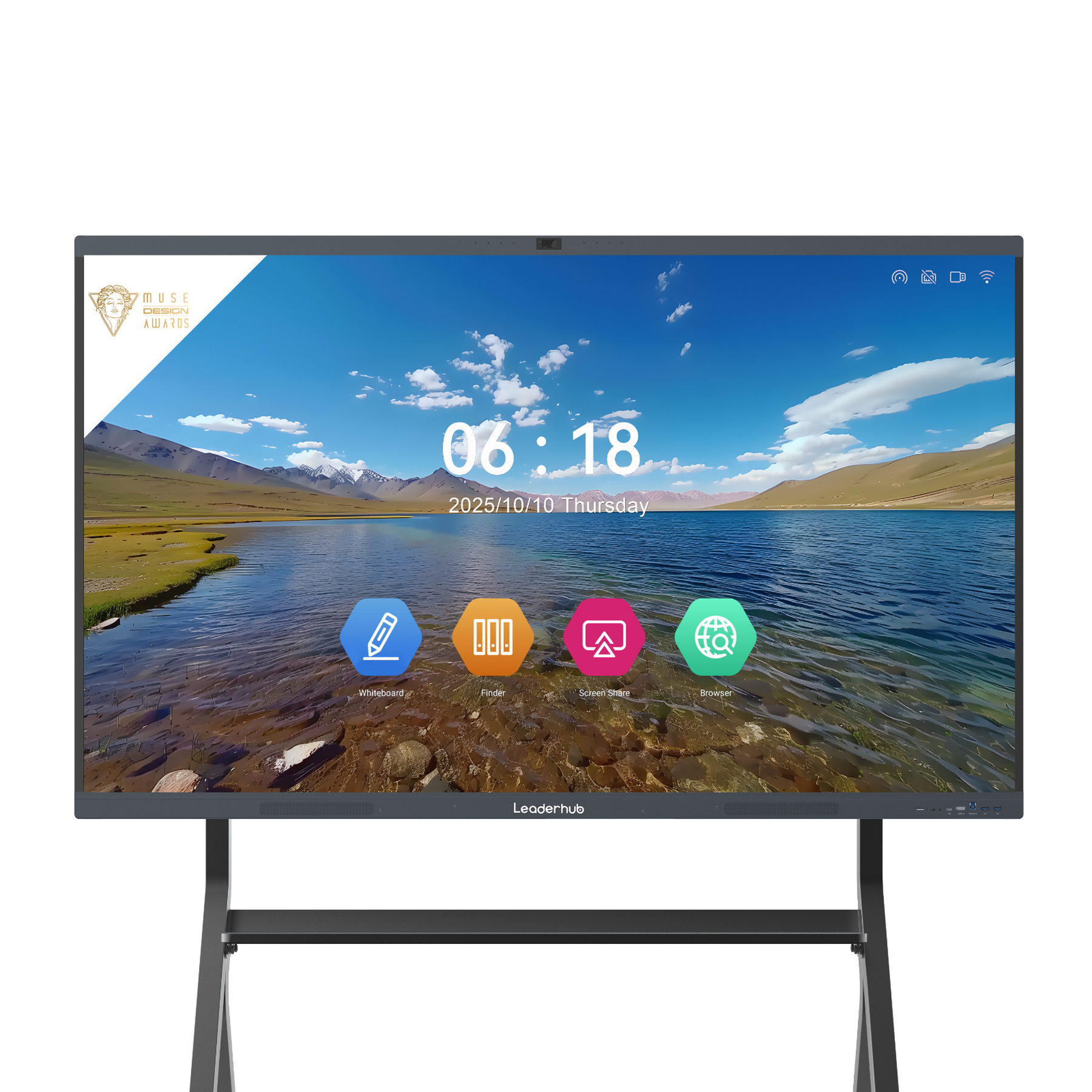
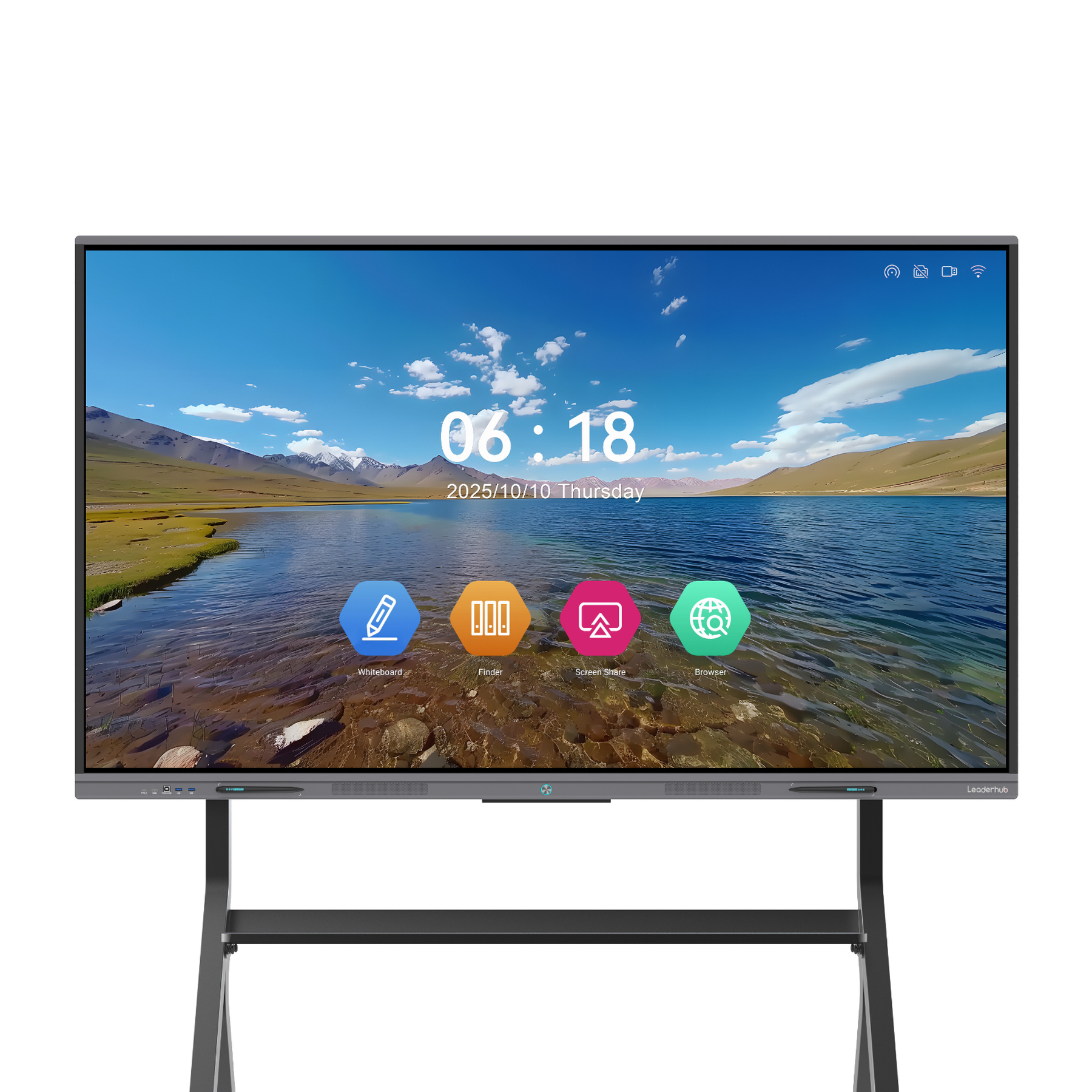
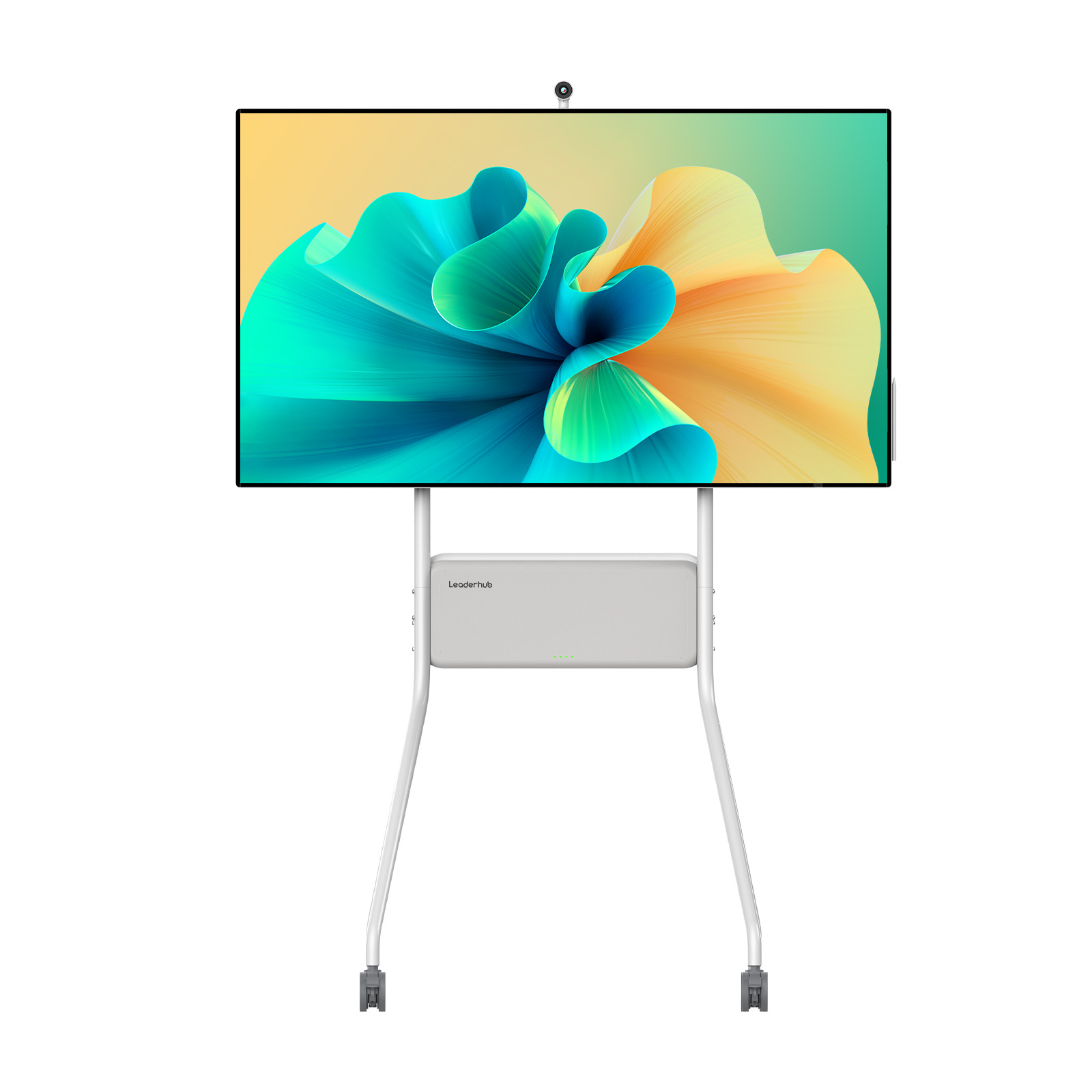
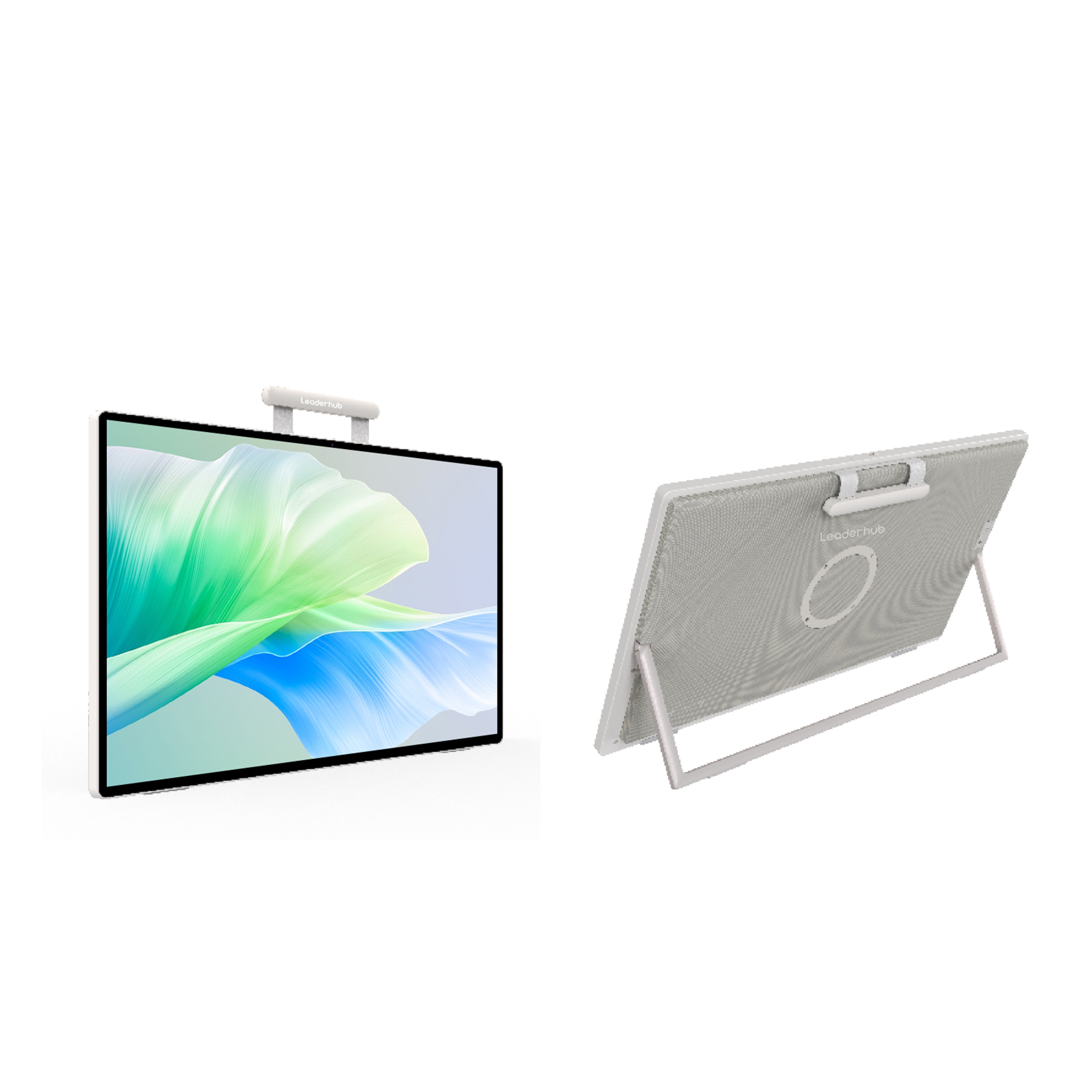
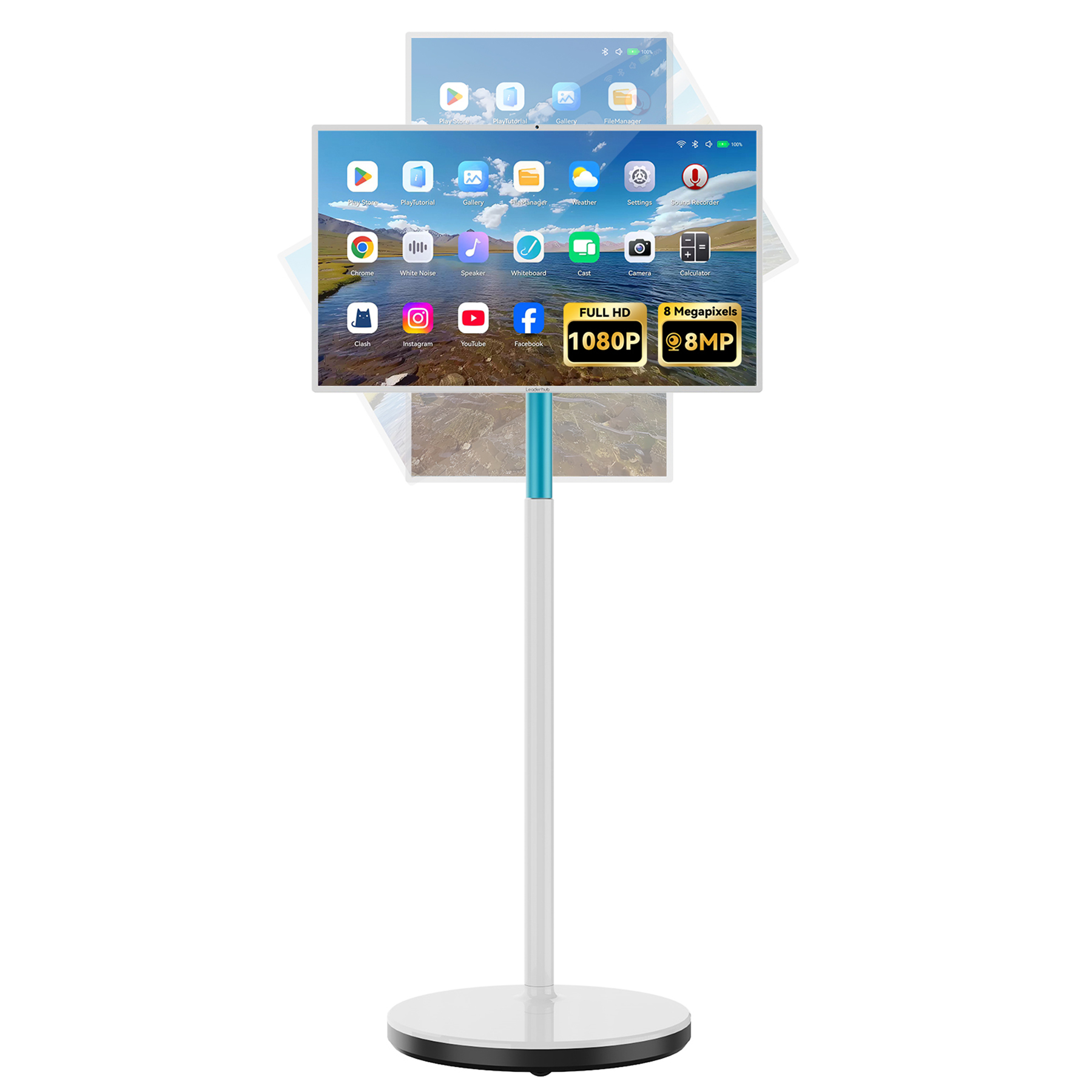
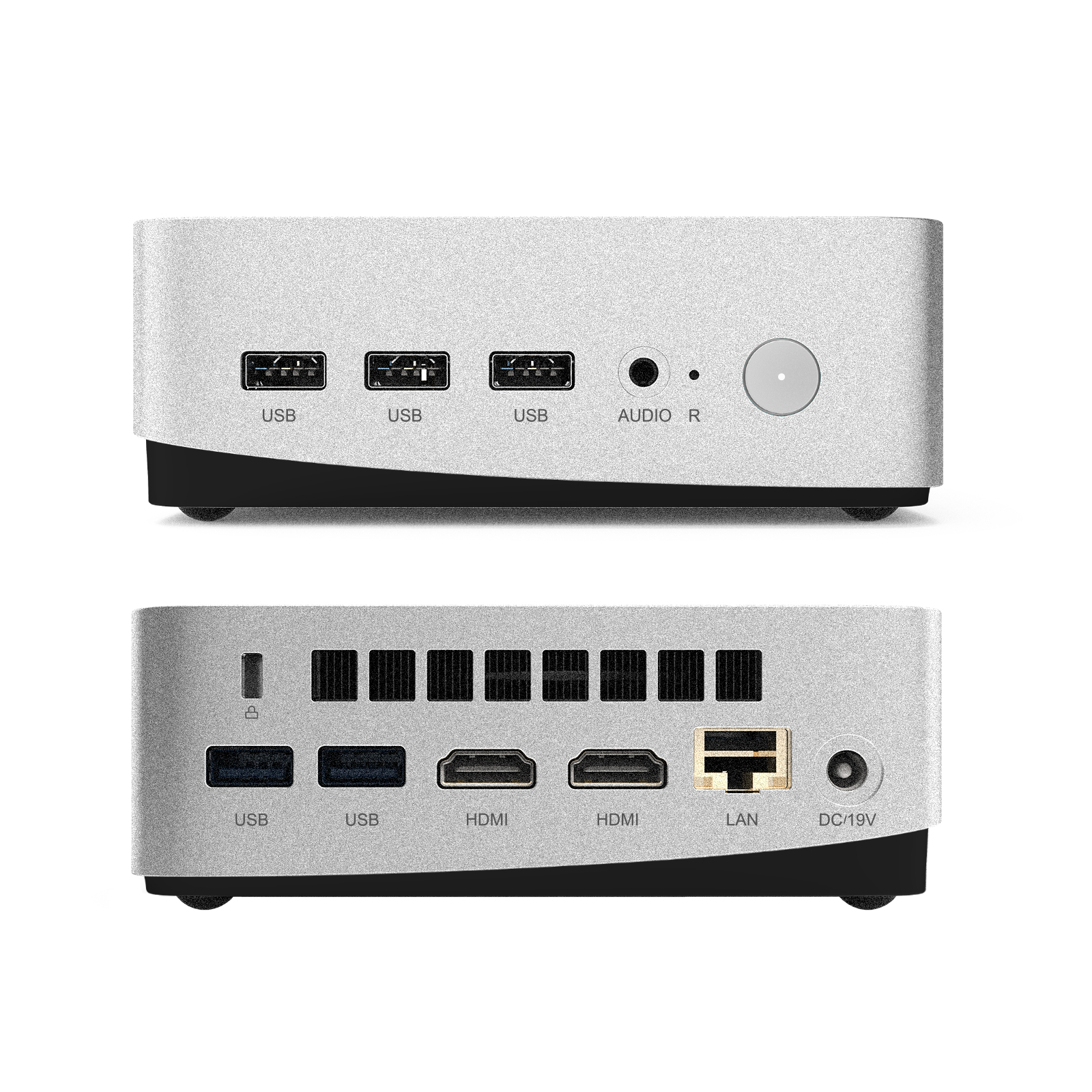
About Leaderhub: AI Changes Life
Leaderhub is a Shenzhen-based technology leader with 16 years of specialized manufacturing experience in the interactive flat panel industry. Since 2010, our engineering and R&D teams have created robust ecosystems spanning smart whiteboards, rotating screens, and commercial mini PCs delivered across 82 countries worldwide.
Recognized as the NO.1 Brand in the JD.com subcategory for interactive panels and named a Shenzhen Famous Brand, Leaderhub focuses on lowering procurement and compliance friction for education authorities, government offices, and enterprise distributors. Our products carry rigorous international certifications (FCC, CE, CB, RoHS), enabling rapid, compliant clearance through worldwide customs checkpoints.
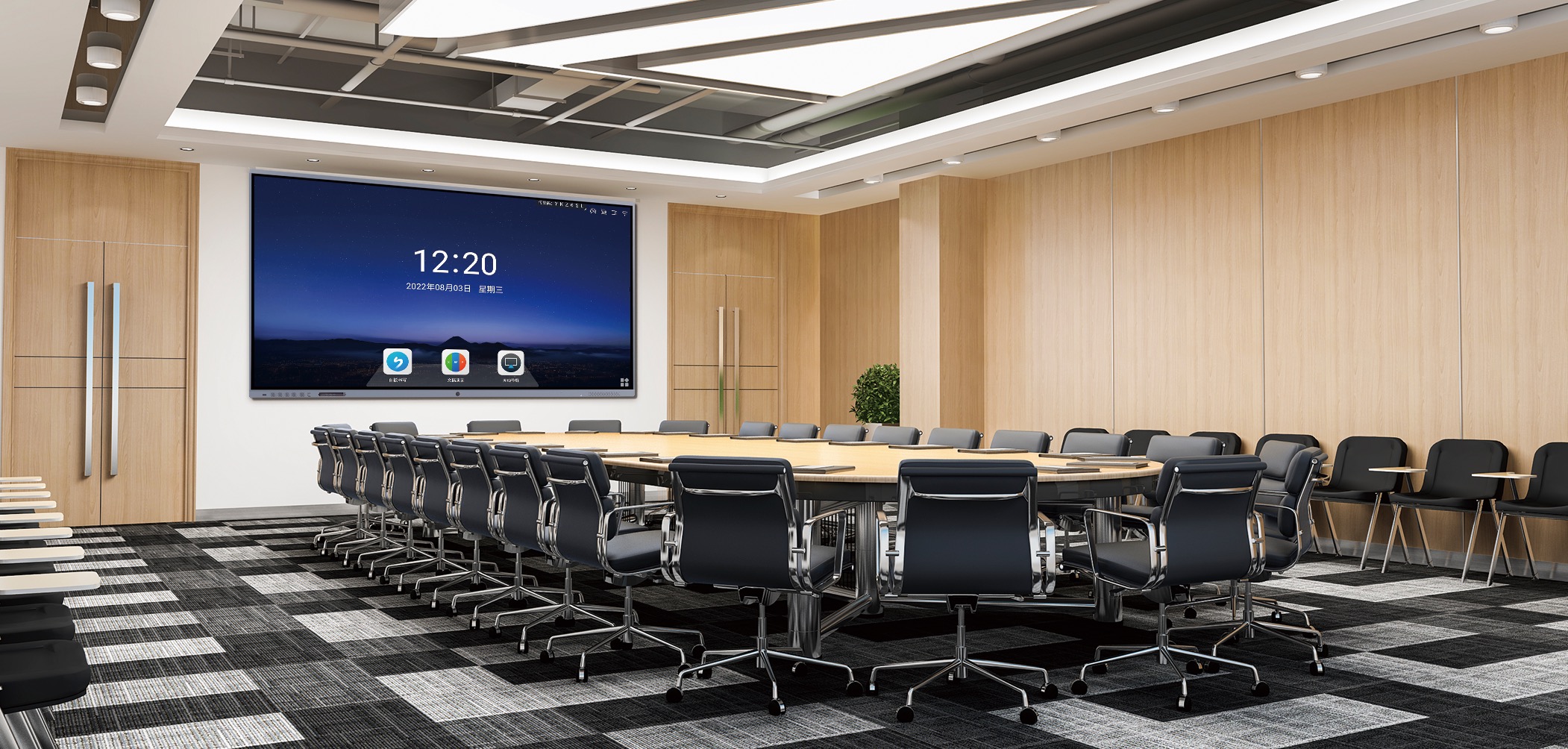
Applications & International Exhibition Showcase
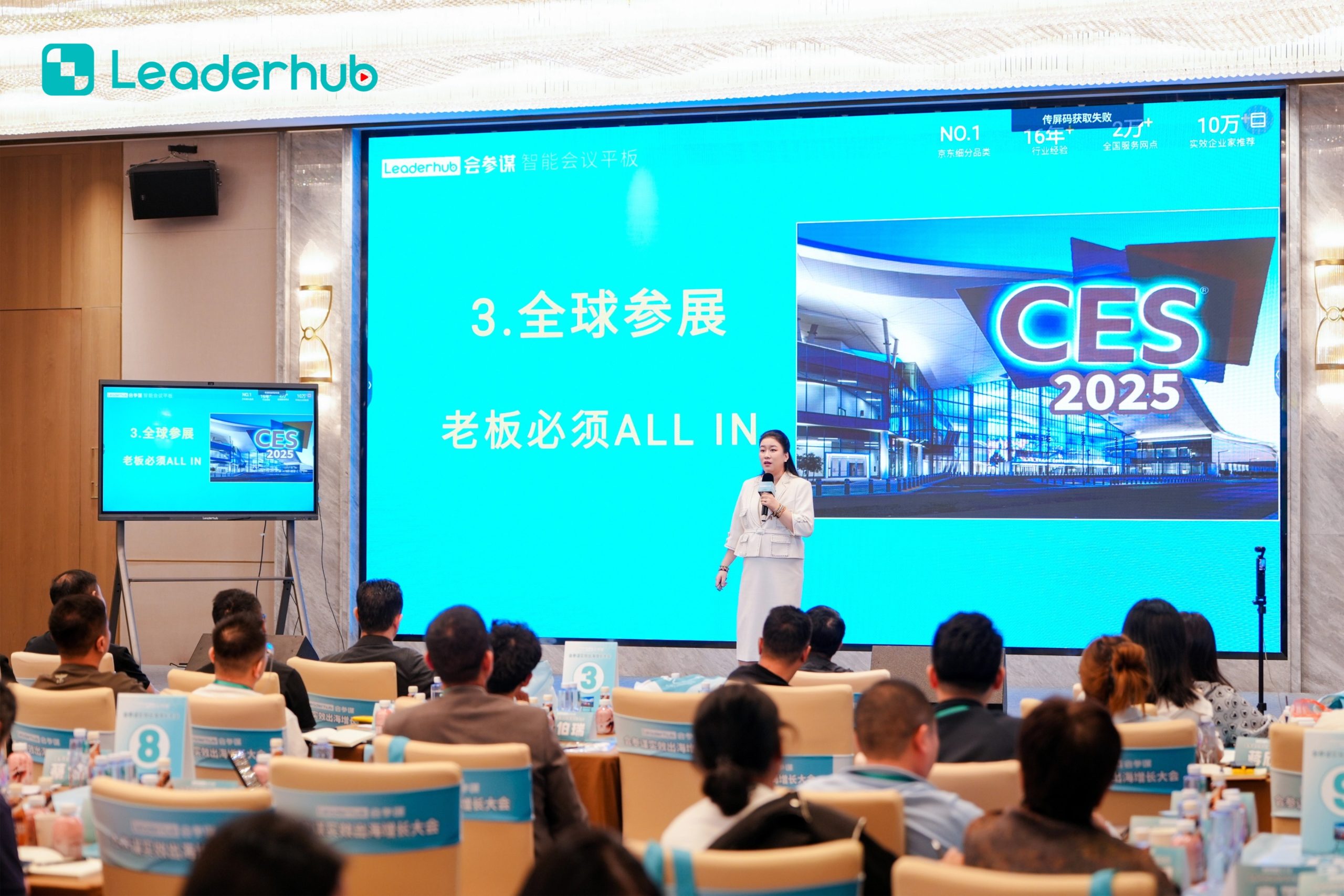
Connecting directly with global partners, institutions, and enterprise clients at premier tech expos.
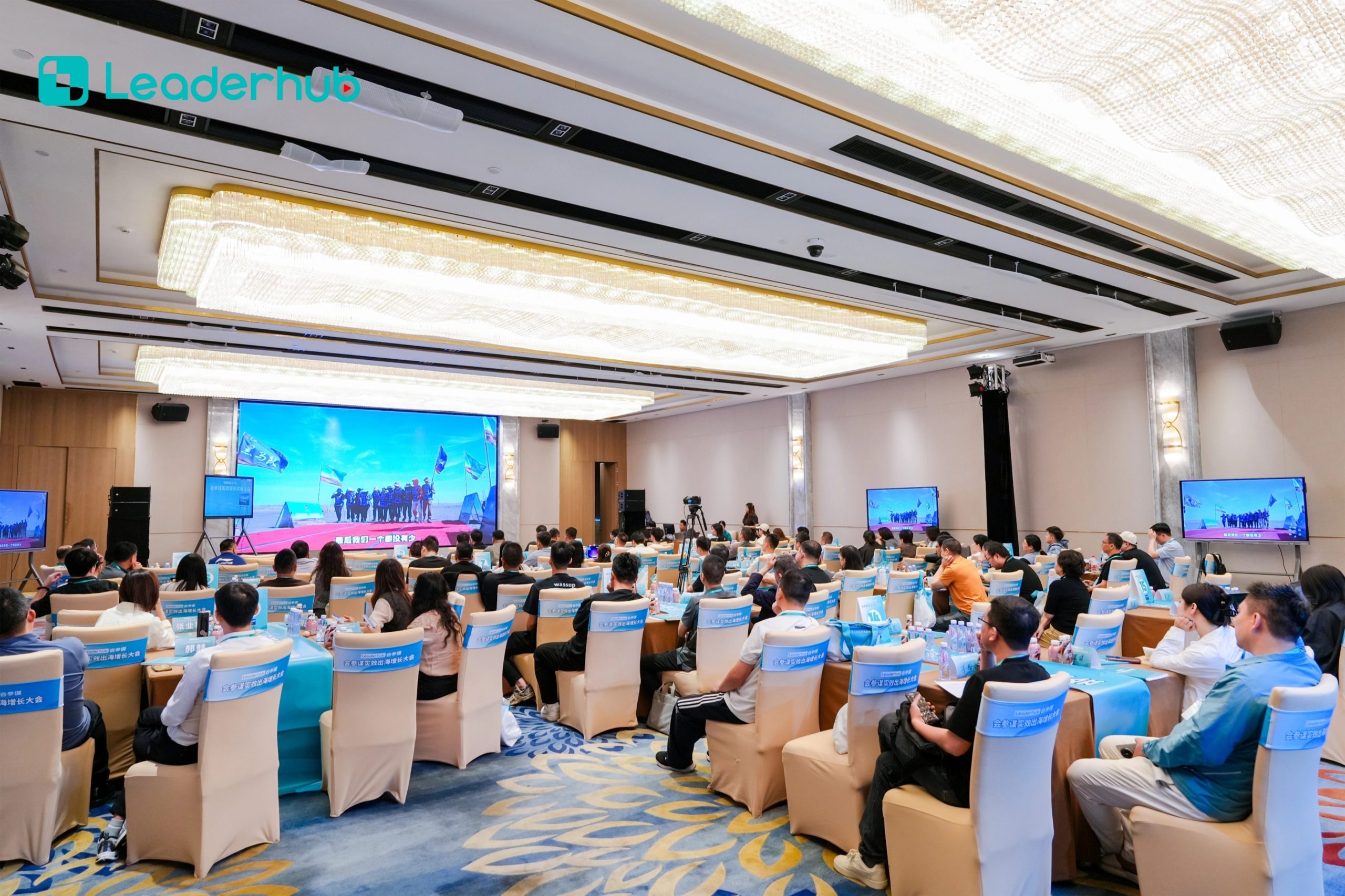
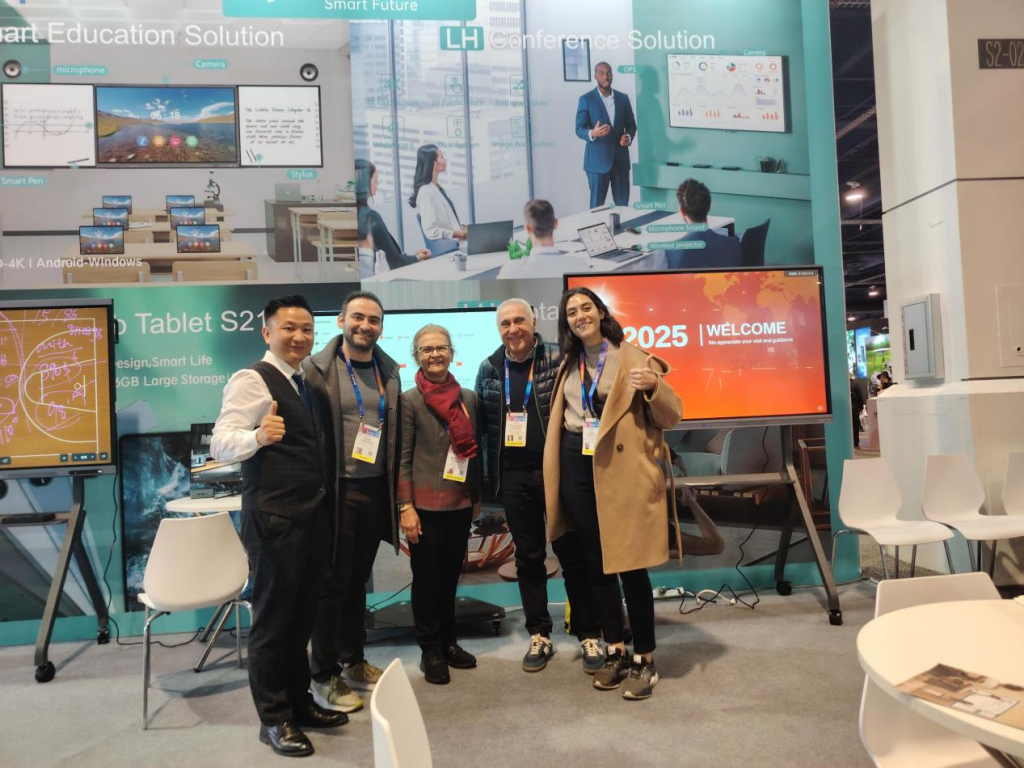
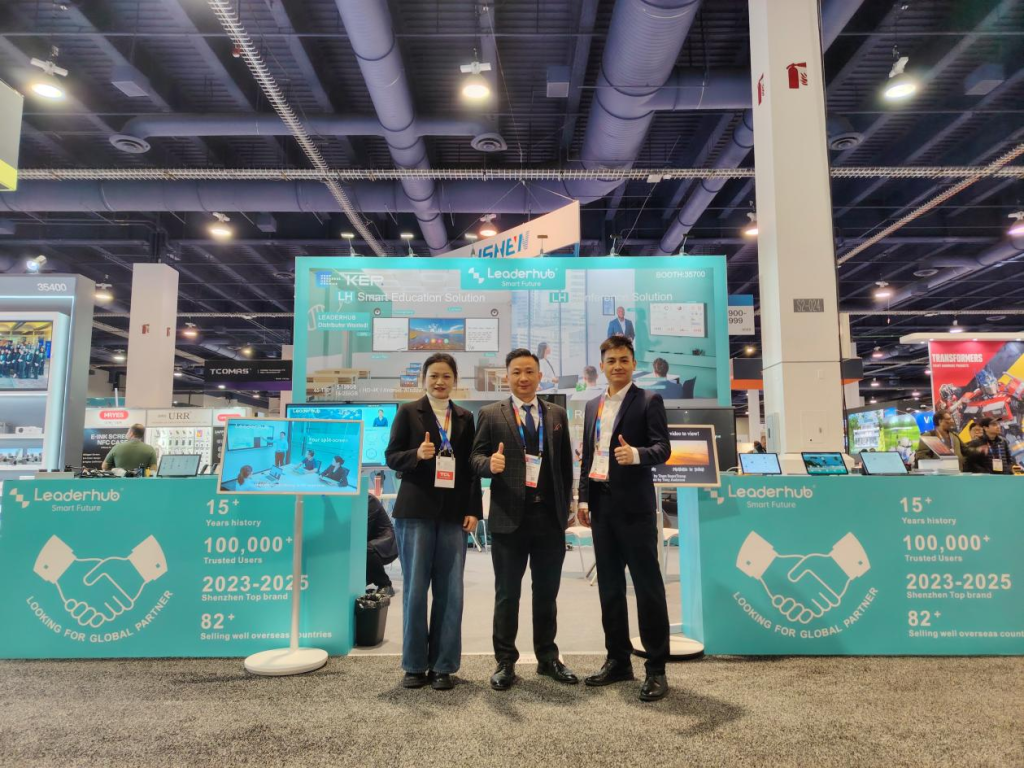
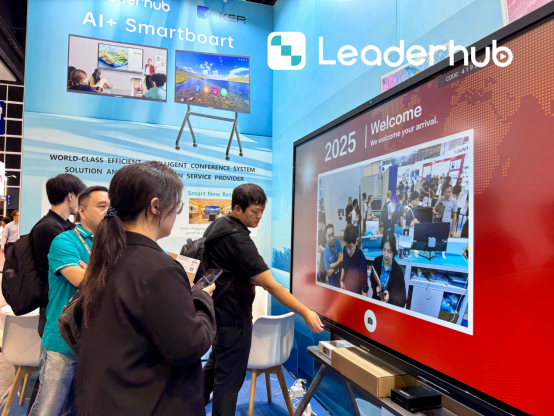
Whether fulfilling public school digital modernization tenders supported by the UNICEF Digital Education Strategy or deploying interactive panels for enterprise teleconferencing, Leaderhub showcases field-proven hardware globally. Meet our export experts at major worldwide expos to review compliant ocean freight packing, drop-tested protective shipping crates, and preferential duty documentation.
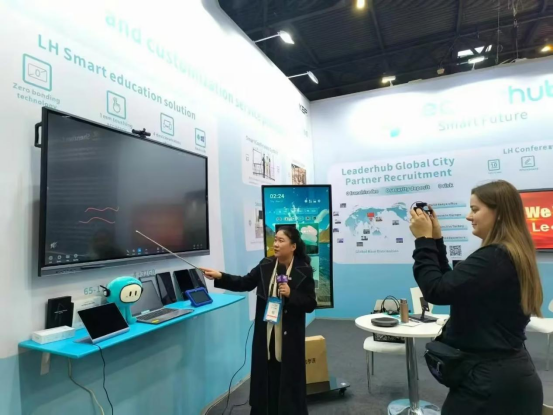
Importer Checklist: Avoiding Costly Pitfalls
Six operational protocols every education buyer, distributor, and procurement officer must follow.
1. Pre-Classify with Customs
Obtain a formal Advance Binding Ruling (such as a CBP Ruling in the USA or BTI in the EU) before shipment departure to guarantee that your smart board’s tariff classification will not be disputed at arrival.
2. Leverage Preferential Origin
Review whether bilateral Free Trade Agreements apply to your trade lane. Request full Certificates of Origin (Form E, RCEP, ChAFTA, or EUR.1) to legally eliminate or reduce base tariff percentages.
3. Package Weight & Volumetric Math
Large interactive panels (65″ to 110″) carry significant volumetric freight weight. Calculate landed costs based on reinforced honeycomb export packaging and specialized ocean LCL/FCL pallet spaces.
4. Clarify Incoterms In Writing
Distinguish between DDP (Delivered Duty Paid) where the manufacturer pays all port taxes, and CIF/FOB where your entity is the Importer of Record (IOR) liable for duties, clearance, and storage demurrage.
5. Audit Wireless Compliance
Ensure that embedded Wi-Fi cards and Bluetooth receivers have country-specific regulatory test reports. Lack of local wireless approval certificates can cause complete customs consignment rejection.
6. Educational Tax Exemptions
Many governmental jurisdictions waive VAT/GST and equipment duties for verified public school districts and universities. Coordinate with municipal tax authorities to secure official exemption waivers prior to port arrival.
Connect With Leaderhub Global Export Specialists
Obtain landed cost estimates, compliance certifications, or discuss wholesale OEM/ODM distribution.
Direct Contact & Inquiries
Email: support@leaderhub.com
Phone: +86 13802702034
WhatsApp: +86 13128798930
Business Hours: Monday – Sunday: 9:00 AM – 6:00 PM (GMT+8)
Corporate Facilities
Head Office:
501-505, A2 Tower, Chuangzhi Yuncheng, Liuxian Ave, Nanshan District, Shenzhen, China
Manufacturing Factory:
Bldg 1, 33 Hexiang Middle Rd, Hecheng, Heshan, Guangdong, China
Customer Policies:
Shipping Policy |
Return & Refund |
Terms & Conditions